蘭圖鑑
匯集了熱門洋蘭的育成方法、特徵與開花訣竅的品種圖鑑。
顯示140個物種中的44個(1–24)
 © Michael Wolf (Webseite) / CC BY-SA 3.0
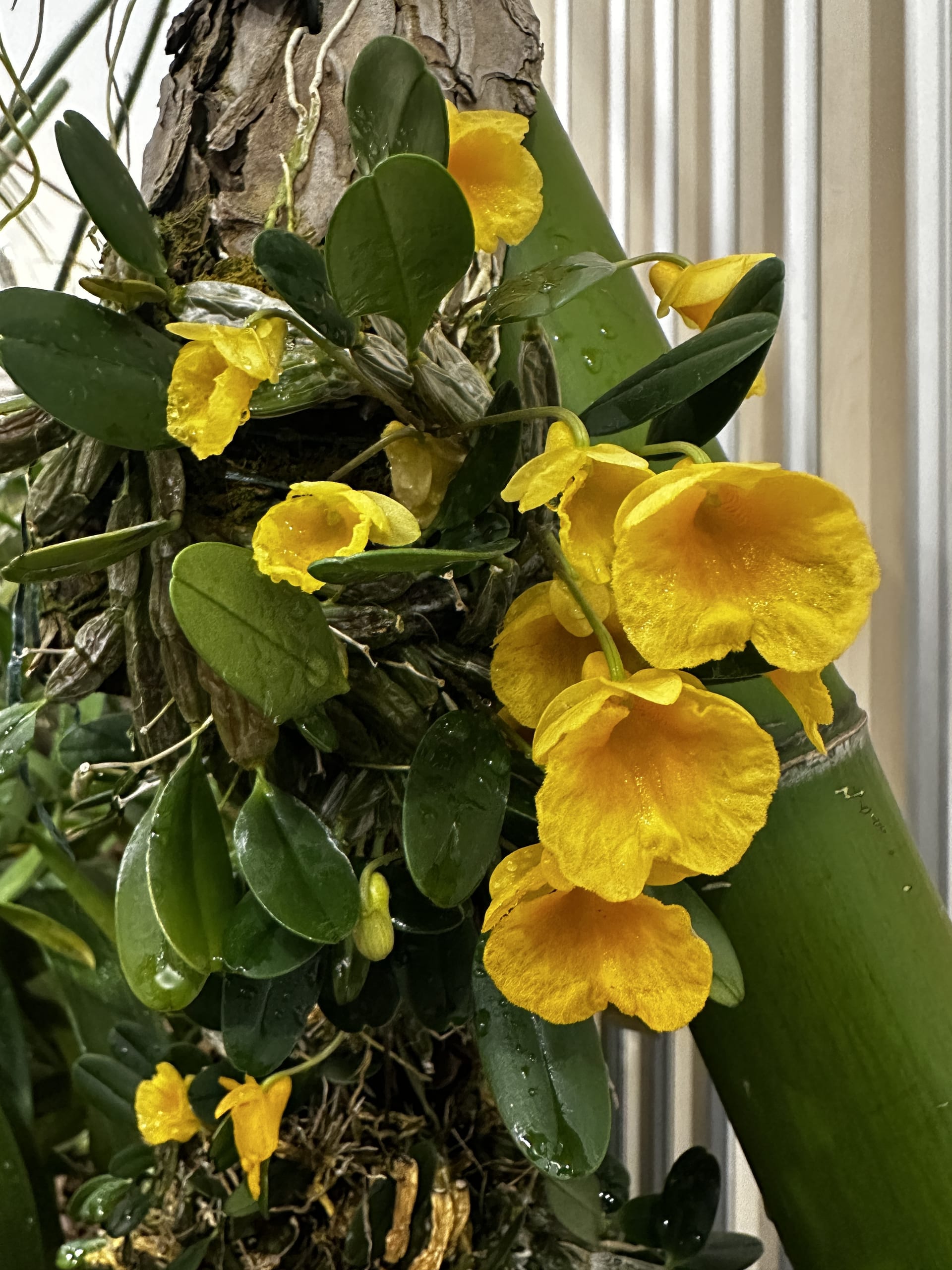
小黃花石斛
Dendrobium jenkinsii
扁平的小型假鱗莖聚生的極小型石斛。初春時,從單枚肉質葉的葉腋處開出1〜5朵帶有蜂蜜香味的鮮豔黃色花朵。以附著在軟木上的植株流通。
 © Orchi / CC BY-SA 3.0
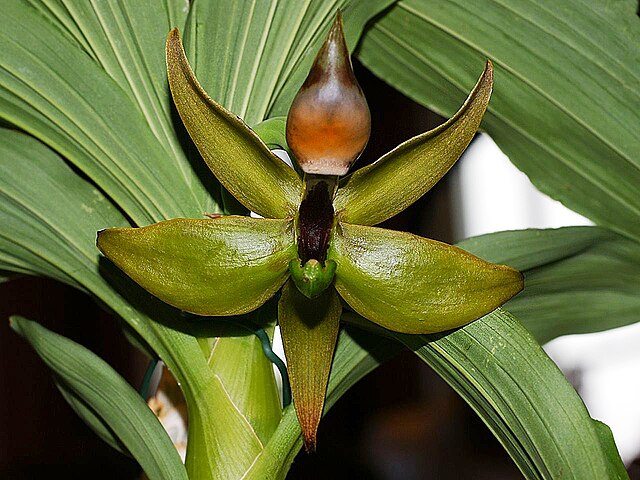
天鵝蘭
花柱呈天鵝般向後彎曲,為其特徵。俗稱天鵝蘭,為具香氣的蘭花。
 © Naoki Takebayashi from Fairbanks, AK, USA / CC BY-SA 2.0
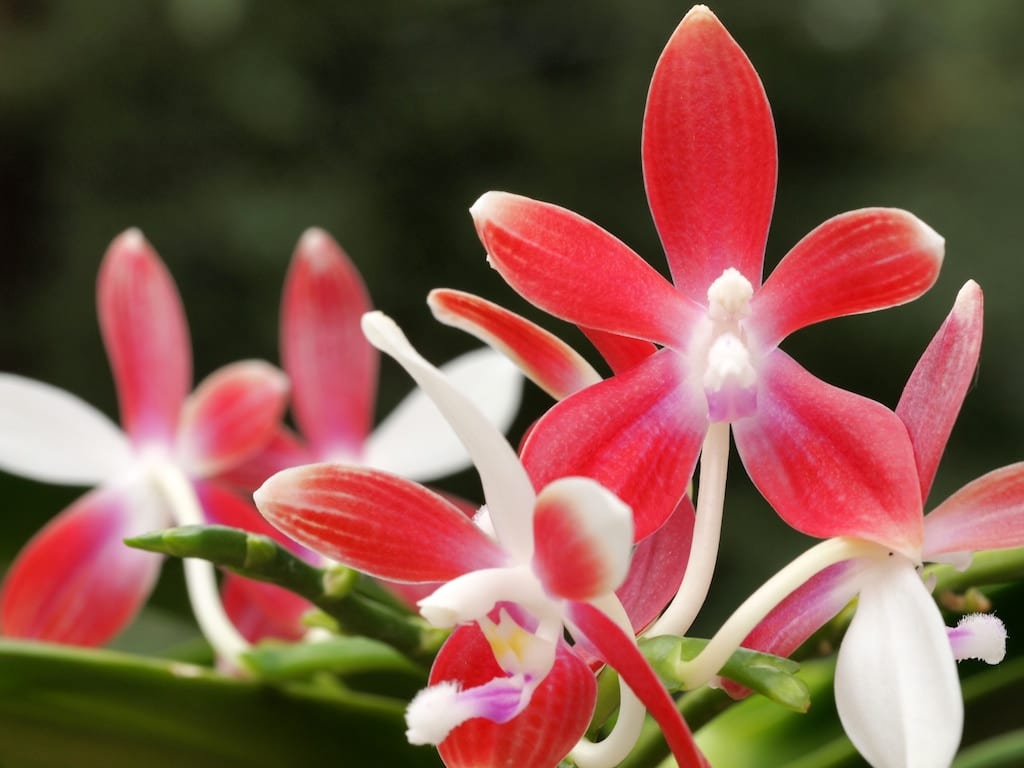
四盾蘭
Phalaenopsis tetraspis
生長在安達曼群島和尼科巴群島及蘇門答臘西北部的原生蘭花。花朵具有強香氣且質厚,花色從白色到紅色的呈現因株而異,同一株花每年的顏色也會改變,過去的斯佩西奧薩蘭也被納入此物種。
 © Krzysztof Ziarnek, Kenraiz / CC BY-SA 4.0
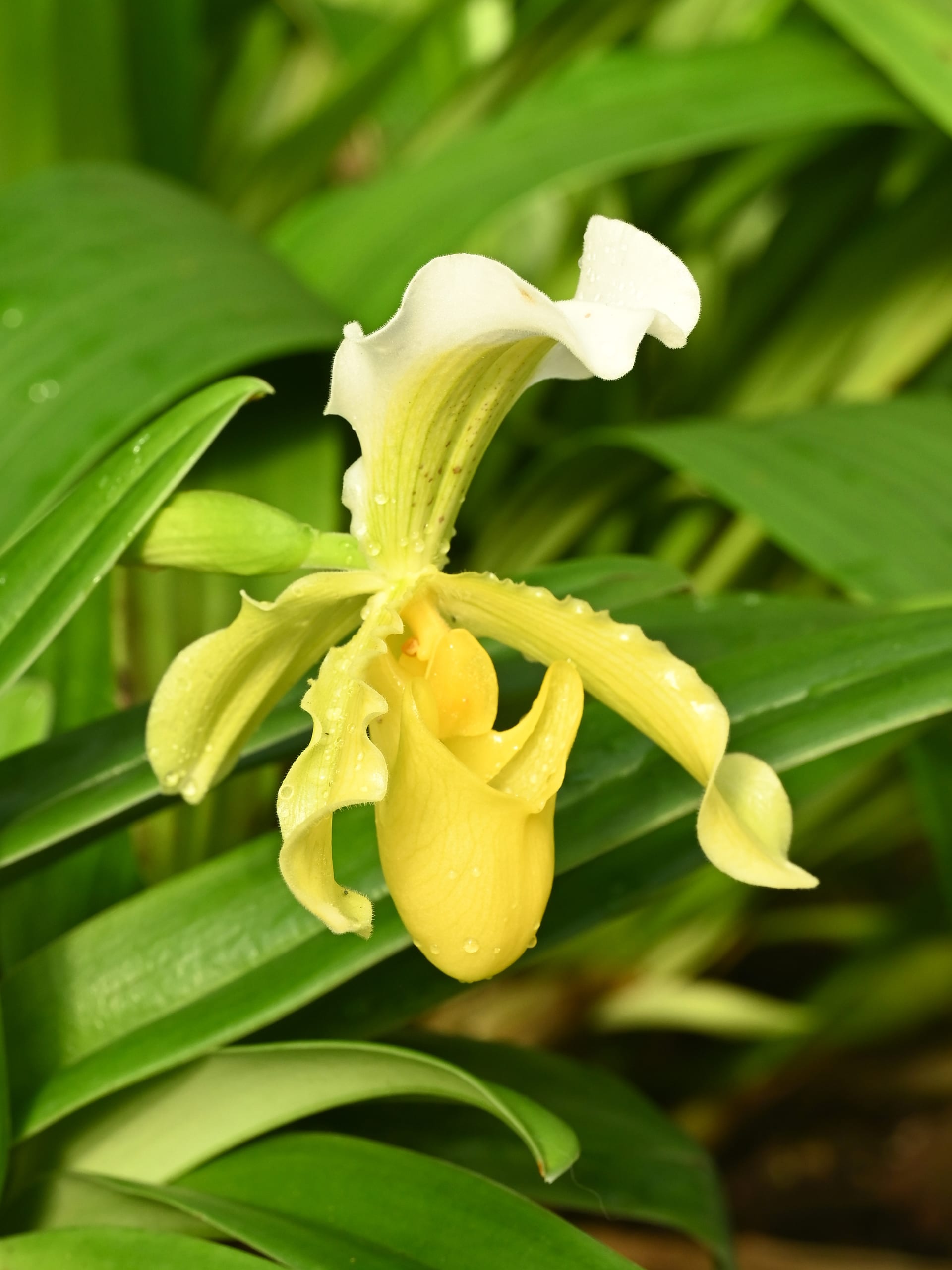
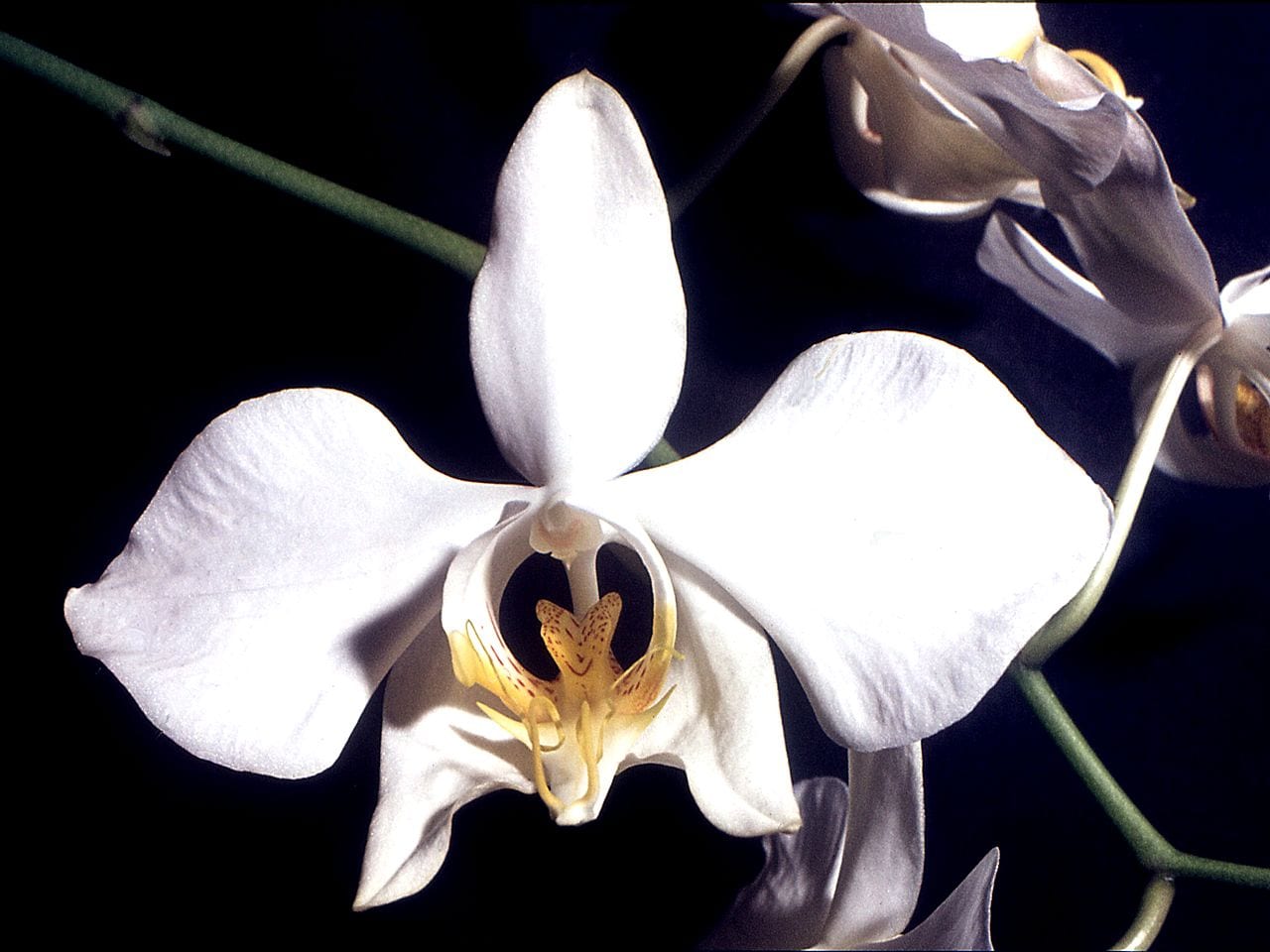
白旗兜蘭
Paphiopedilum spicerianum
這是一種地生蘭,生長在印度阿薩姆至不丹、緬甸、中國雲南的岩石地區。暗綠色的葉片背面基部附近有紫色細點,秋冬時節在細長的花莖先端開出一朵花徑6~8公分的花。
 © Orchi / CC BY-SA 3.0
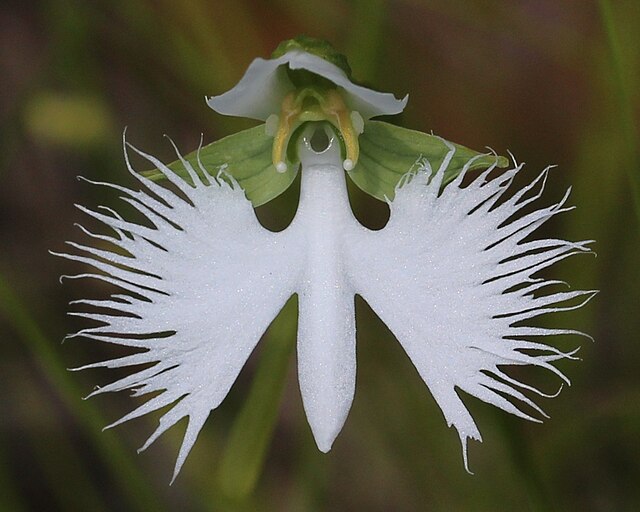
白鶴蘭
Phalaenopsis amabilis
是白色大輪蝴蝶蘭形象的原始種。花莖長且呈弧形,開出許多直徑約6~8厘米的白色平坦花朵,唇瓣先端延伸出兩條線狀細絲。是印度尼西亞的國花之一。
 © Alpsdake / CC BY-SA 3.0
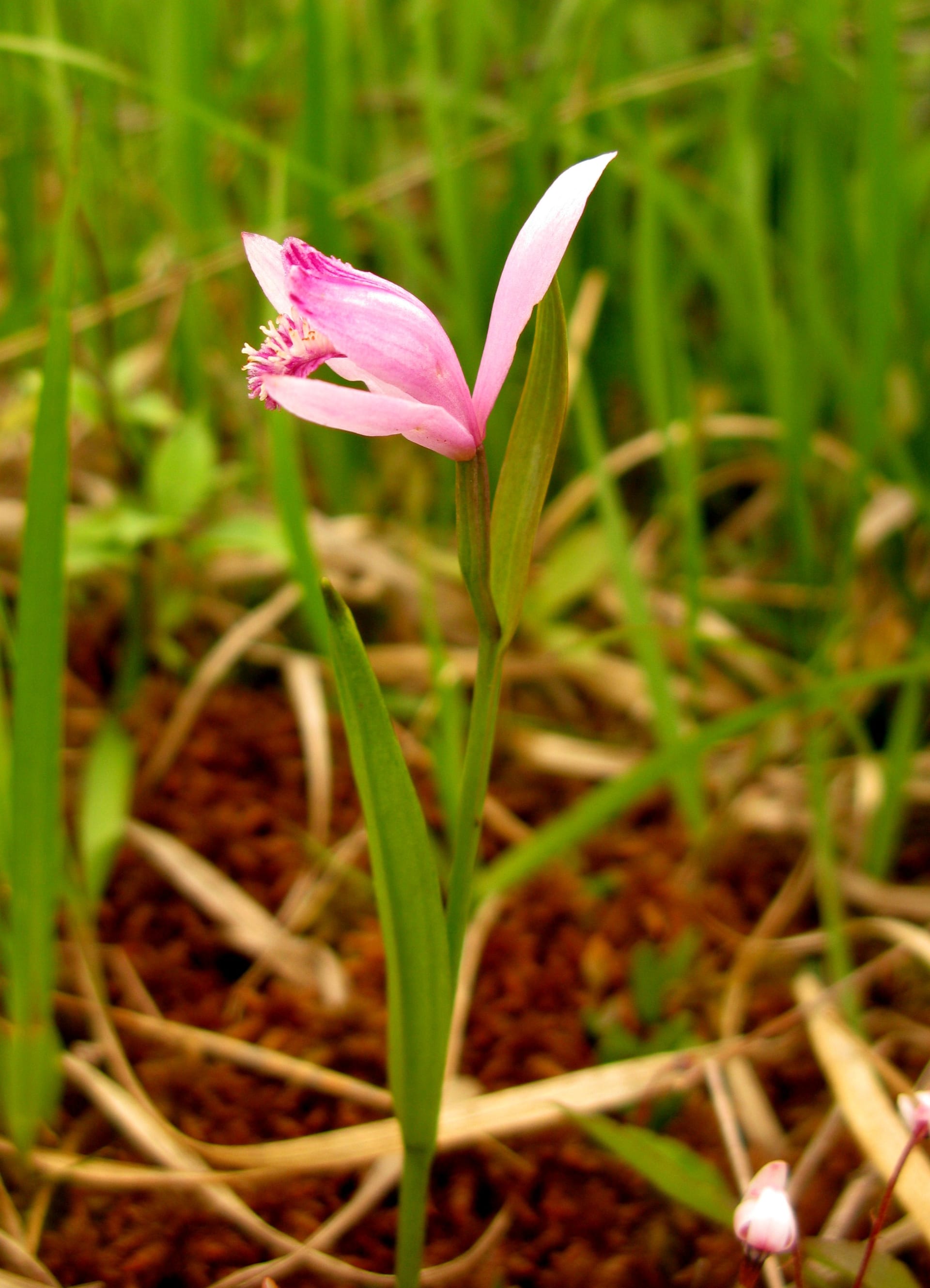
白鷺蘭
Pecteilis radiata
花朵呈白鷺展翅姿態的日本地生蘭。作為夏季風物詩而備受喜愛。球根每年。
 © Qwert1234 / Public domain
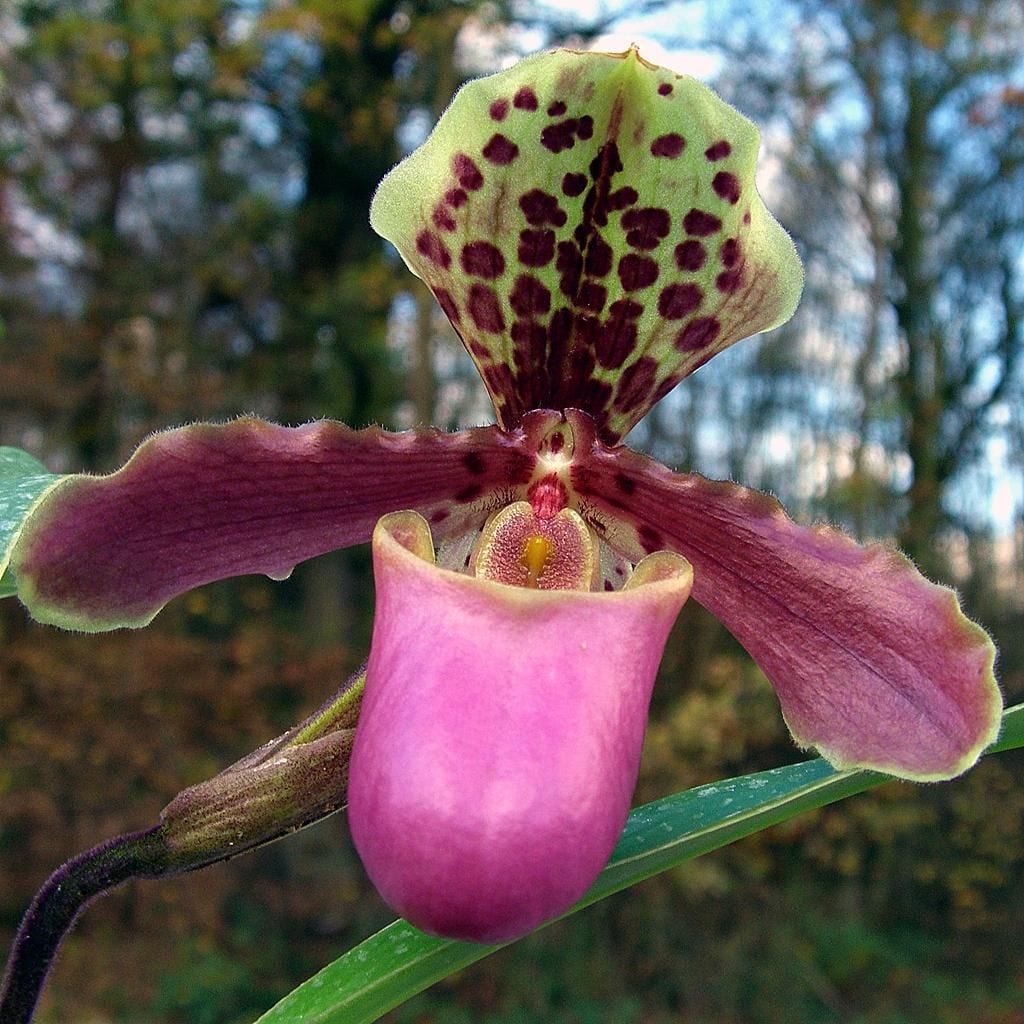
朱蘭
Pogonia japonica
生長在陽光充足的濕地和原野中的小型地生蘭花。細莖上只着生一片葉,初夏時側向綻放淡紅紫色花朵一朵,花色類似朱鷺羽毛顏色。唇瓣內側密生毛狀突起。
 © Orchi / CC BY-SA 3.0
亨利兜蘭
Paphiopedilum henryanum
生長在中國廣西、雲南以及越南北部石灰岩懸崖上的小型兜蘭。具有光澤的深綠色細葉,秋冬季節開出直徑4~6cm的花朵,花莖長12~15cm,每株開一朵花。
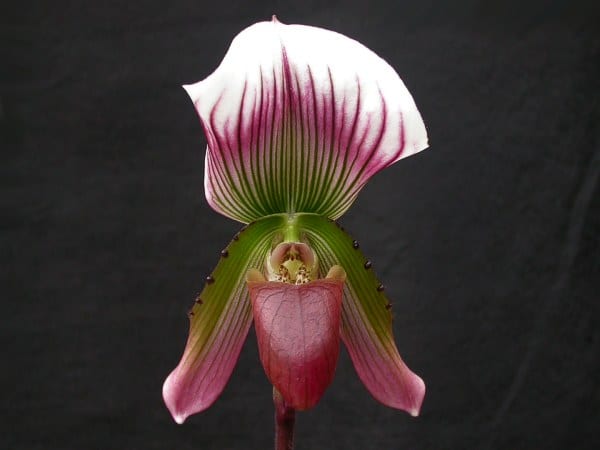 © Dalton Holland Baptista / CC BY-SA 3.0
卵葉兜蘭
Paphiopedilum callosum
分佈於印度支那半島至馬來半島北部的巴爾巴塔節兜蘭。具有深淺綠色相間的斑點葉片,春至初夏期間,在密被紫毛的花莖頂端開出直徑8~11釐米的花朵一朵。
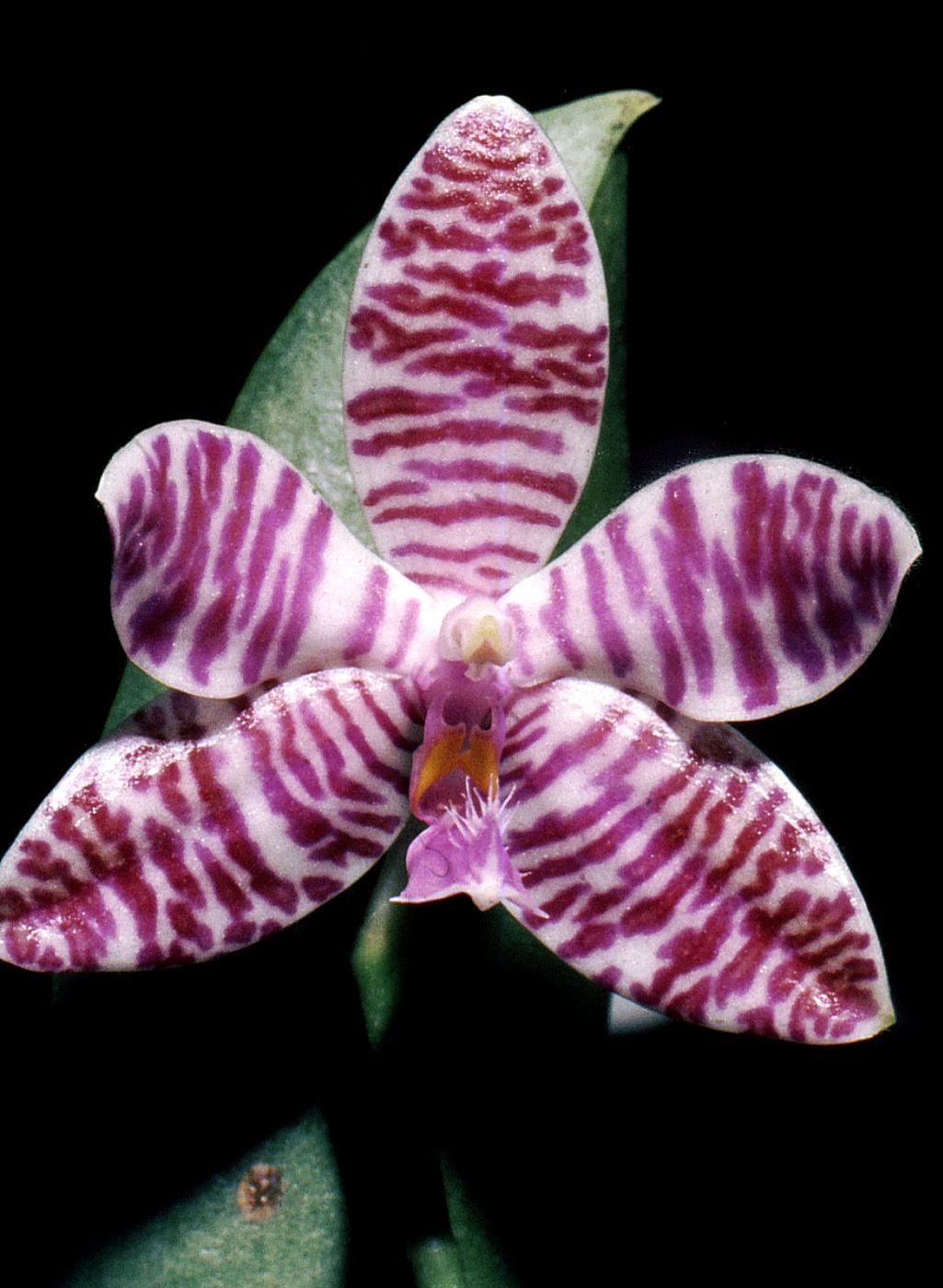 © Orchi / CC BY-SA 3.0
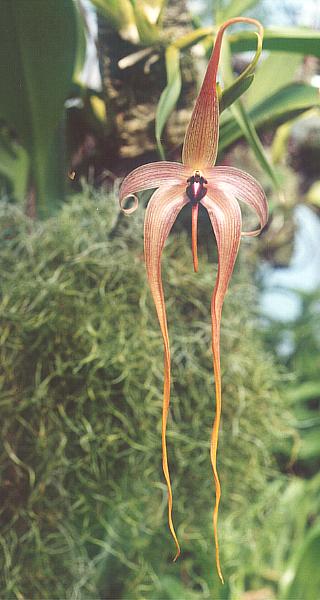
呂德曼蝴蝶蘭
Phalaenopsis lueddemanniana
菲律賓原生種蝴蝶蘭。花為蠟質厚實,白至黃褐色的底色上帶有紫至紅紫色的斑點及橫條紋,具甘甜香氣且花期持久。花莖先端容易長出子株(高芽)。
豆蘭
蘭科最大的屬,擁有2000種以上。許多種類具有奇異的花形和獨特的氣味,深受愛好者歡迎。
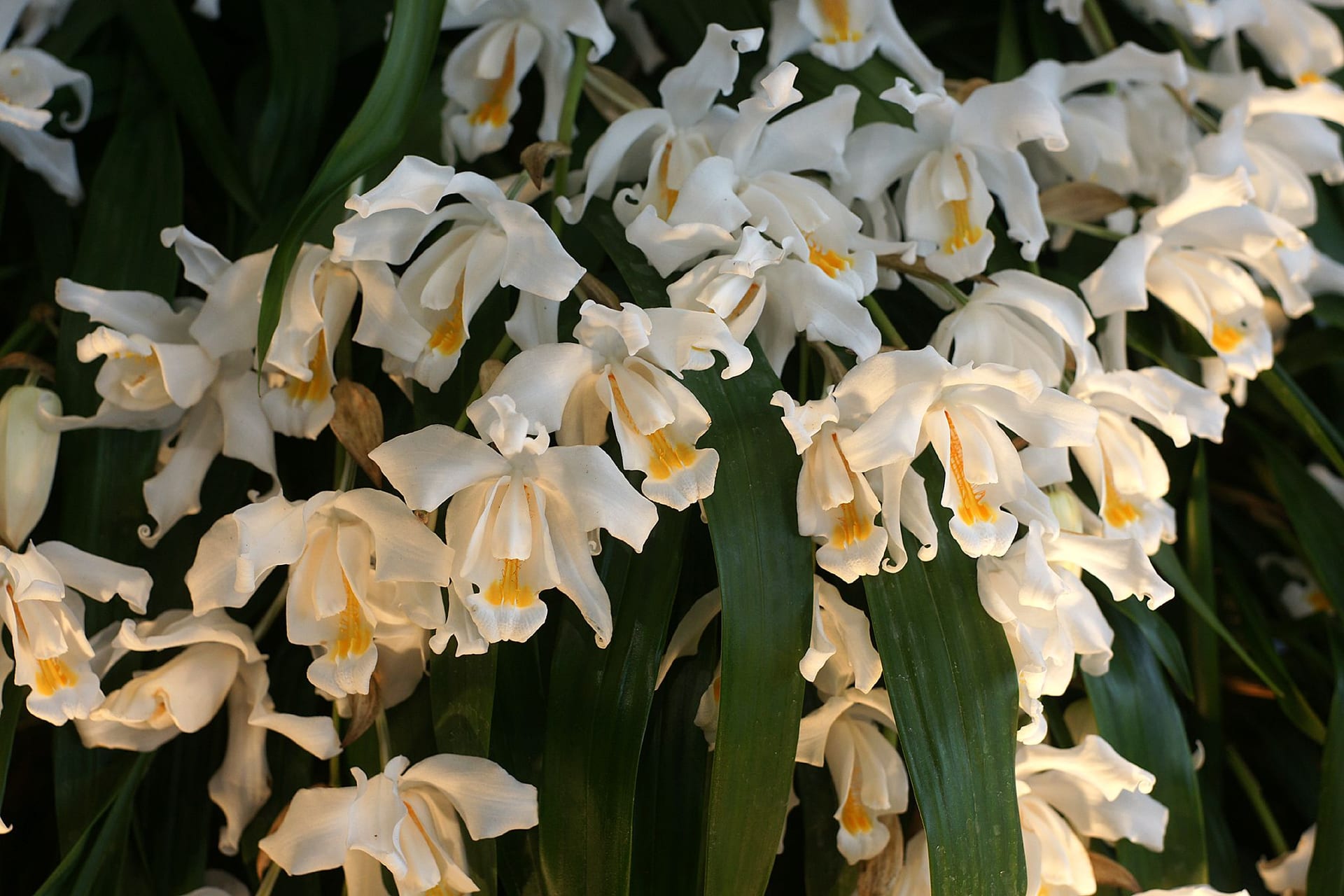 © Orchi / CC BY-SA 3.0
貝母蘭
Coelogyne cristata
從冬末到春天,喜馬拉雅原產的蘭花在垂下的花莖上綻放邊緣波浪狀的純白大花。唇瓣中央有排列整齊的黃色冠狀突起,散發宜人香氣。喜歡涼爽的環境。
 © Orchi / CC BY-SA 3.0
里歐風蘭
Angraecum leonis
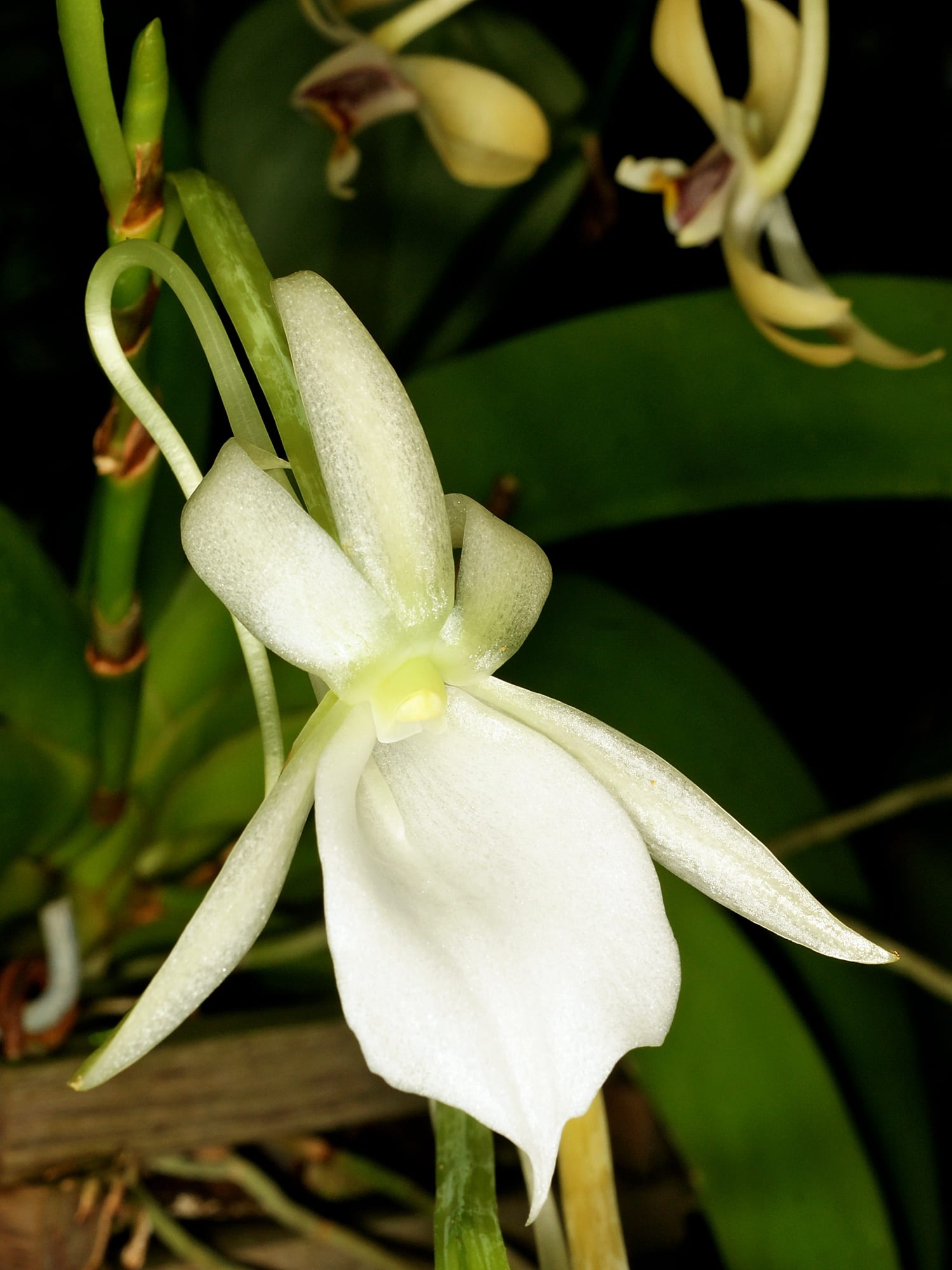
自生於馬達加斯加和科摩羅群島的附生蘭。左右扁平多肉質的葉子呈扇形重疊堆積是其特徵標誌,開白色臘質花並具有長距,夜間會散發出類似茉莉花的香氣。
 © 日:Jnn / CC BY 2.1 jp
岩千鳥
Hemipilia keiskei
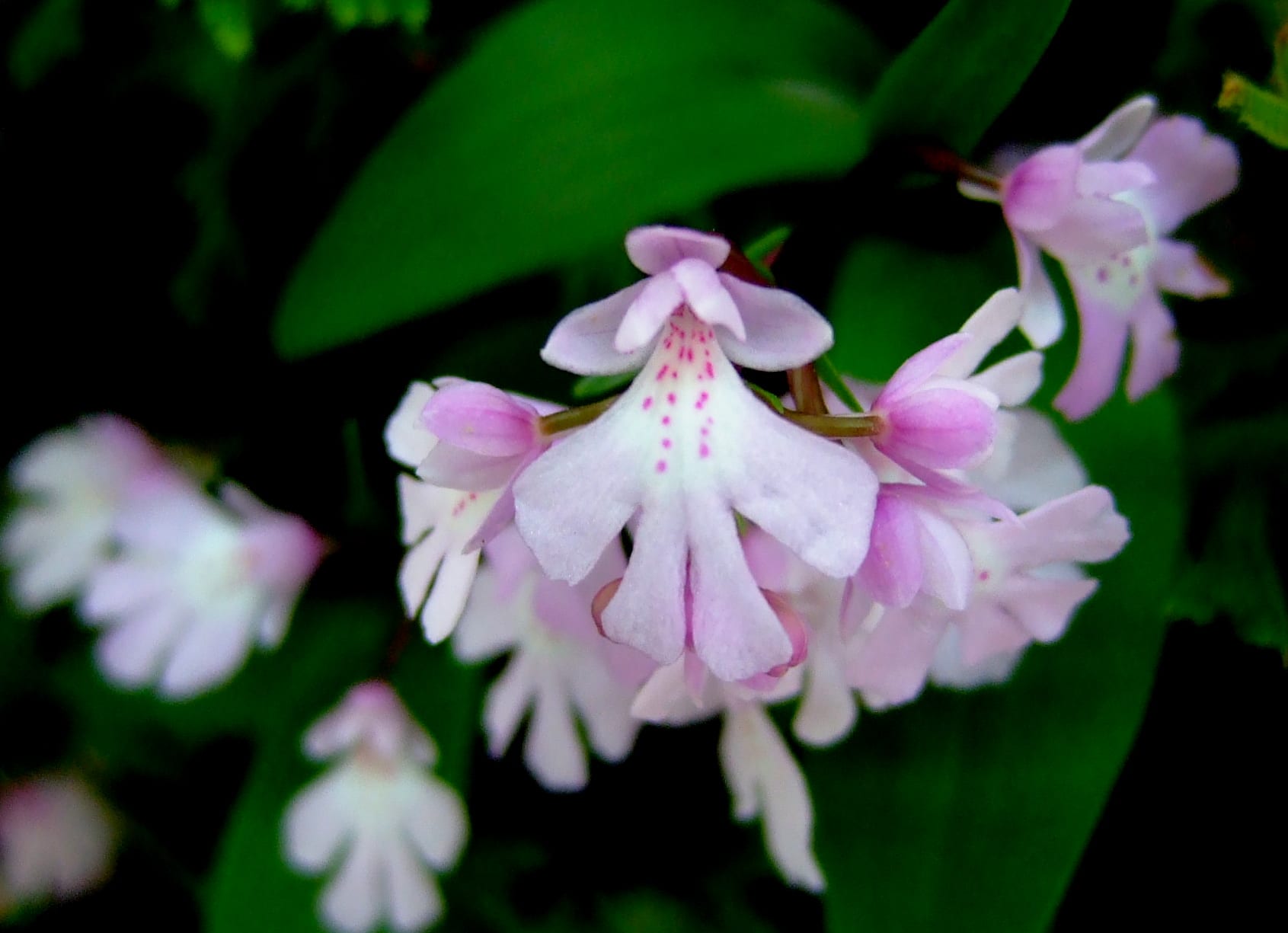
生長於本州中部以西和四國山谷岩石縫隙中的日本特有小型地生蘭花。株高約10厘米,4至5月間開放直徑約1厘米的桃紫色花朵,又被稱為「山谷精靈」。
 © Orchi / CC BY-SA 3.0
帕西瓦利亞卡特蘭
Cattleya percivaliana
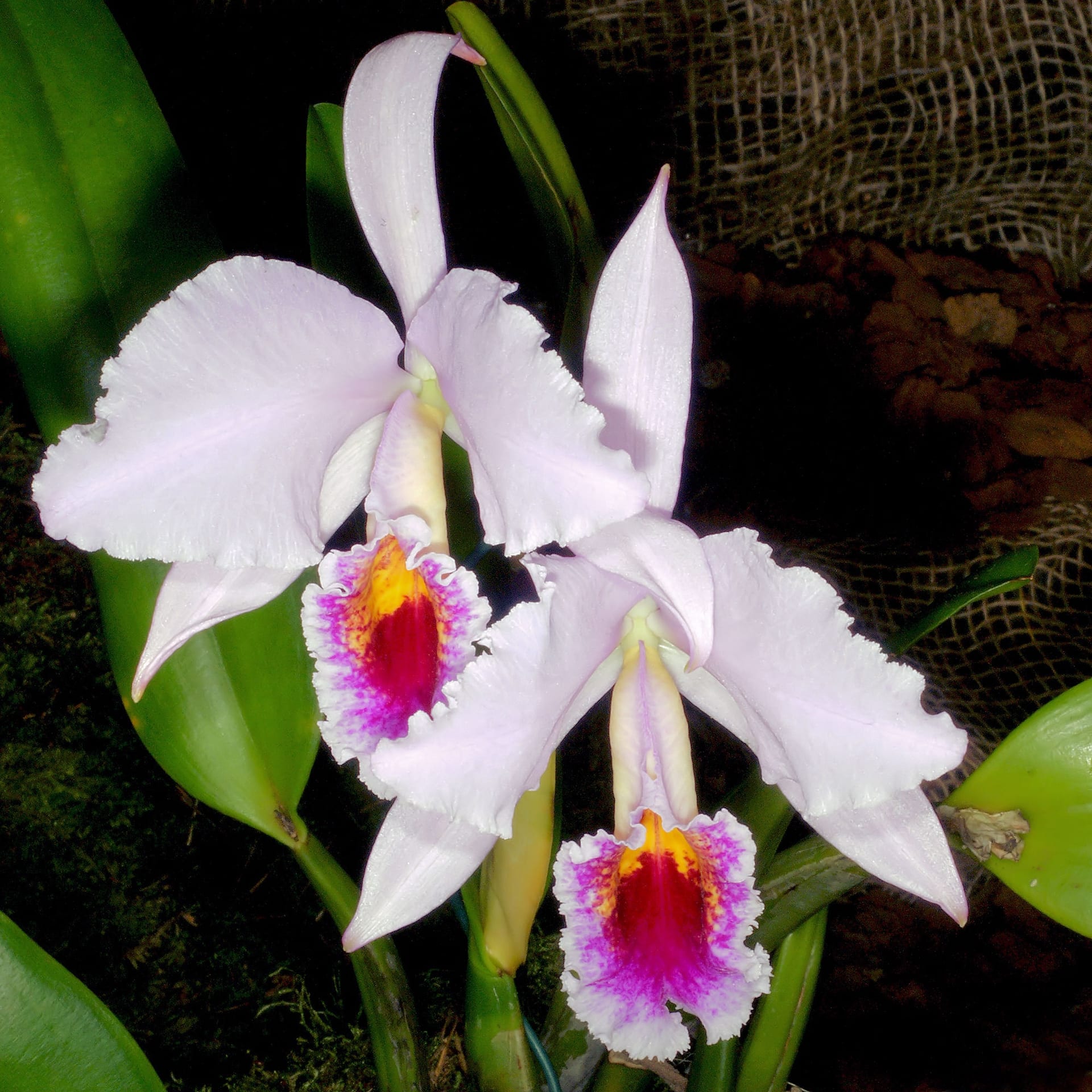
生長於委內瑞拉和哥倫比亞高地岩石上的大花原生卡特蘭。單葉性,紫紅色唇瓣著色深濃,英文名為聖誕卡特蘭。花色變化豐富。
 © Orchi / CC BY-SA 3.0
法默石斛
Dendrobium farmeri
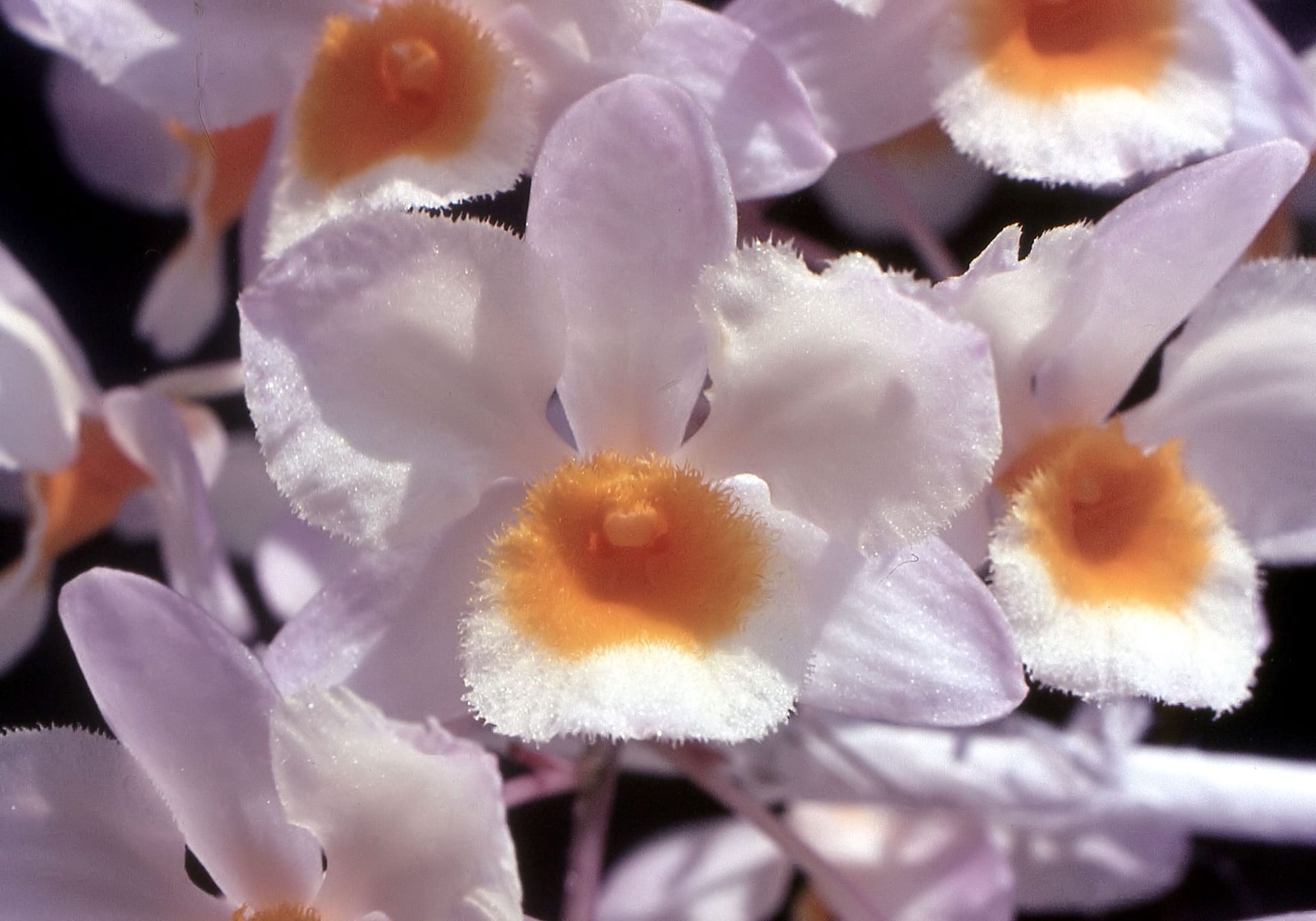
花朵呈淡紫色至白色花瓣,中央為黃色唇瓣,在下垂的花序上有30朵以上,呈房狀開花的石斛。莖在先端附近膨大,橫截面呈菱形,是鑑別的標誌。
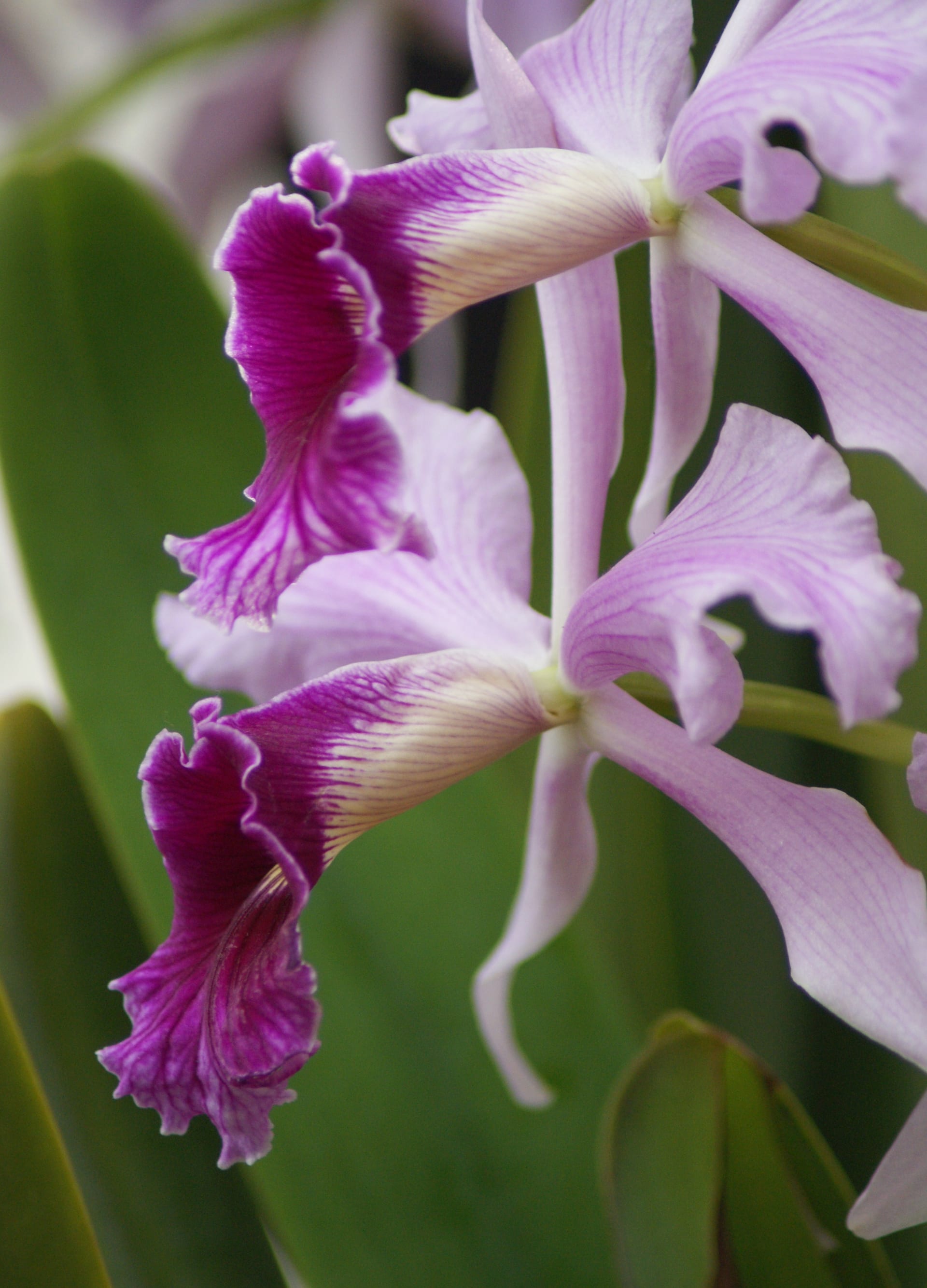 © Elena Gaillard from New York, USA / CC BY 2.0
紅紫卡特蘭
Cattleya purpurata
白色或淡紅的花瓣映襯著深紅紫色的脣瓣,此為原產於巴西南部的大花卡特蘭。曾以舊名萊莉亞·普爾普拉塔著稱,根據脣瓣顏色的差異分為Alba(白花)、Carnea(白瓣淡紅脣)等多種花型流通。
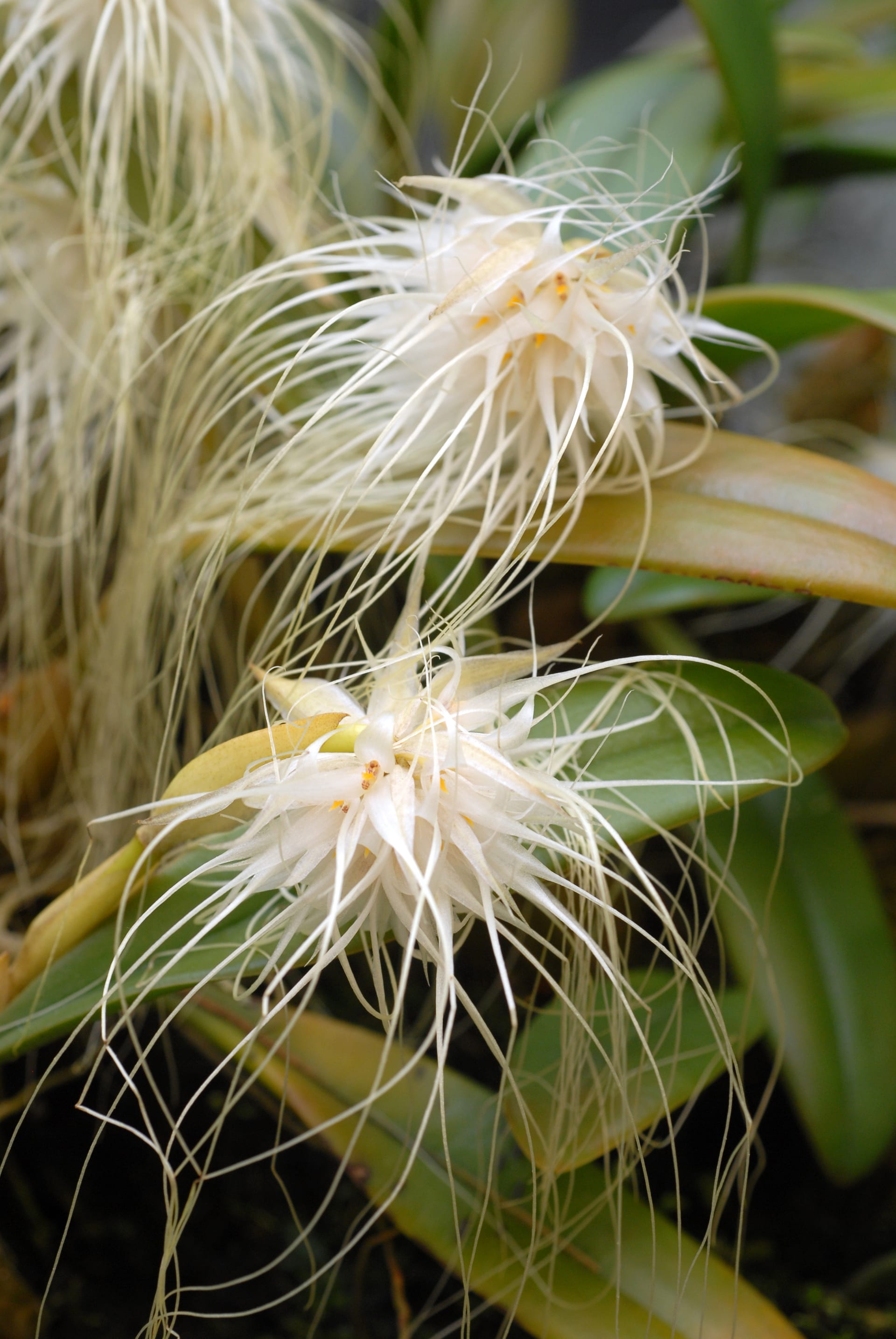 © Eric Hunt / CC BY-SA 2.5
美杜莎蘭
Bulbophyllum medusae
具有絲狀長垂側萼片的白色至淡黃色小花密集成球形,整體呈蓬亂頭髮般的奇花。其名源自希臘神話中的美杜莎,是喜歡高溫多濕環境、原產於東南亞的著生蘭。
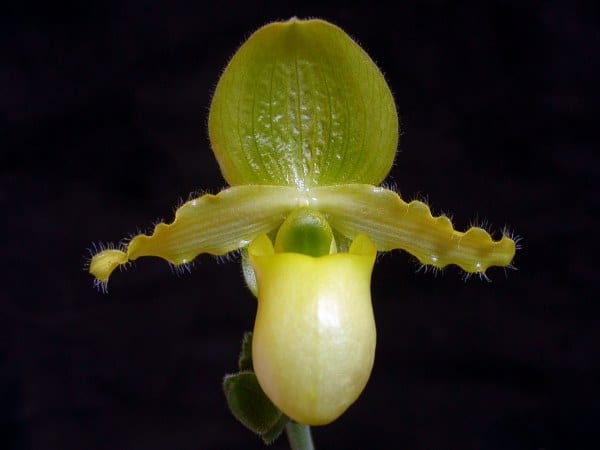 © Dalton Holland Baptista / CC BY-SA 3.0
原始兜蘭
Paphiopedilum primulinum
蘇門答臘島北部特有的小型地生兜蘭。花莖從明亮綠色的葉子間伸出,開著淡黃色、帶甘香的花朵,從下而上依次一輪一輪地連續開放,屬於長期開花的「連續開花」型。
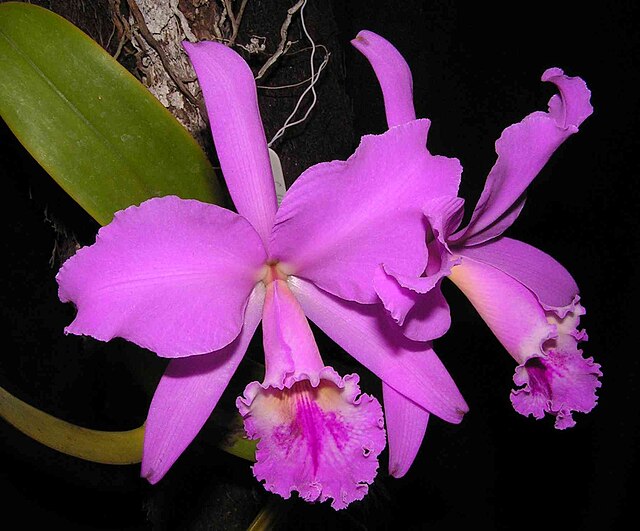
唇瓣卡特蘭
Cattleya labiata
首個發現的卡特蘭原種。以大唇瓣和華麗花色為特徵,秋季開花。
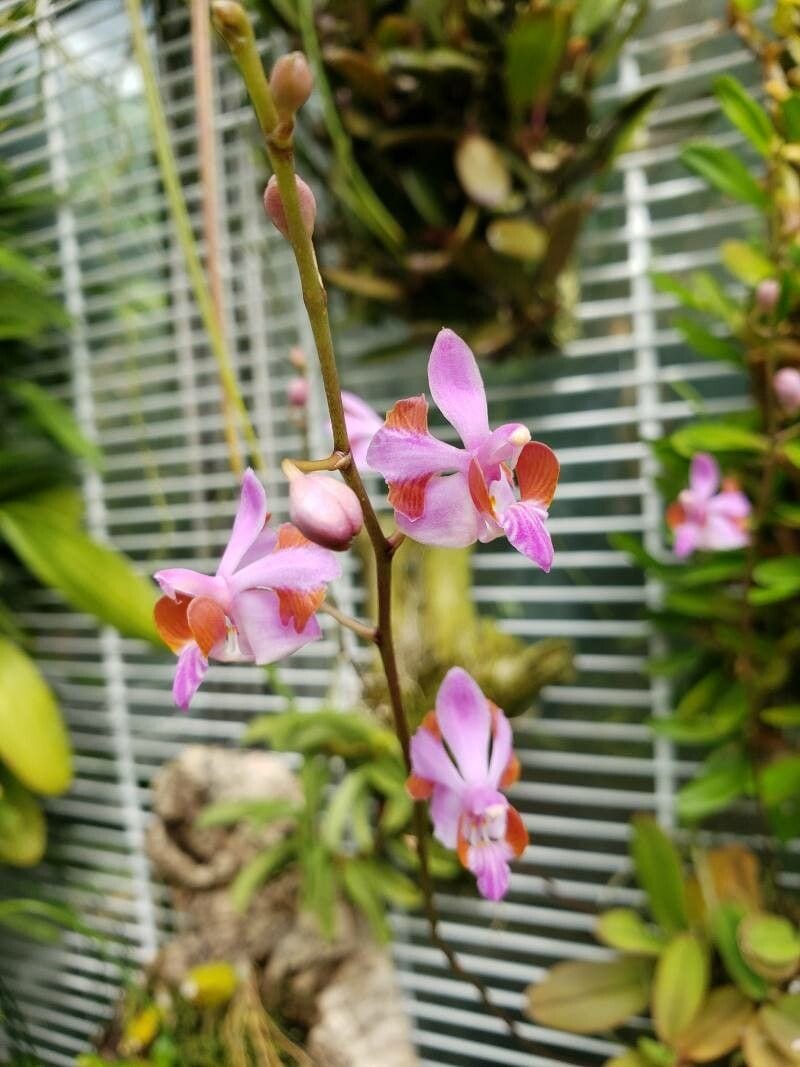 © Willow Coville / CC BY-SA 4.0
粉紅蝶蘭
Phalaenopsis pulcherrima
曾被分類為五唇蘭屬的原生蝶蘭物種。葉片厚硬直立,花莖修長挺立,小花由下而上依序開放,花色為鮮艷桃紅。花色與花型變異豐富。
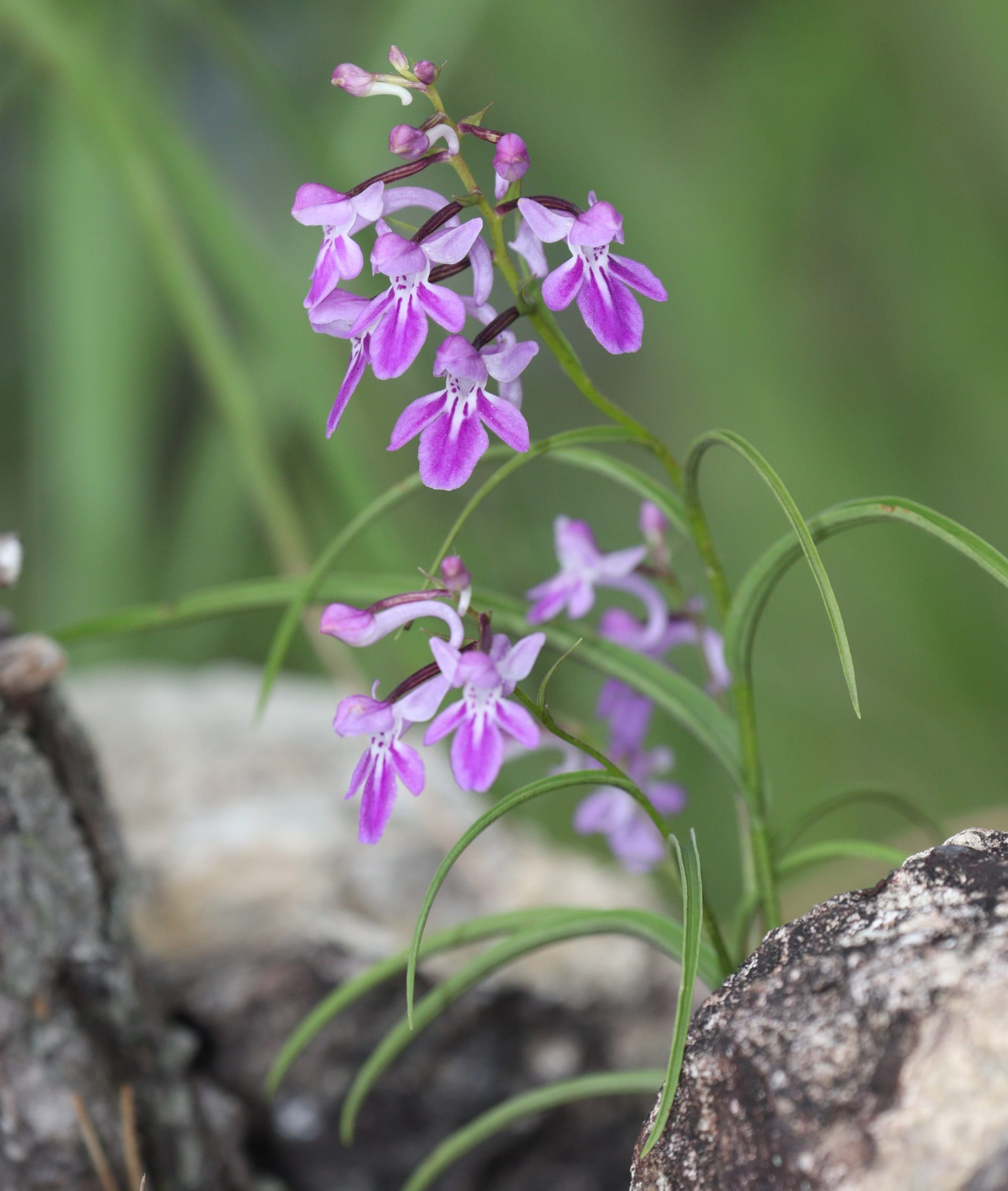 © Alpsdake / CC BY-SA 4.0
草葉羽蝶蘭
Hemipilia graminifolia
生長在低山濕潤岩壁上的日本和朝鮮半島南部的小型地生蘭花。細長葉片間開出紅紫色小花數輪至數十輪,根據唇瓣紋樣和花色差異,已培育出許多園藝品種。
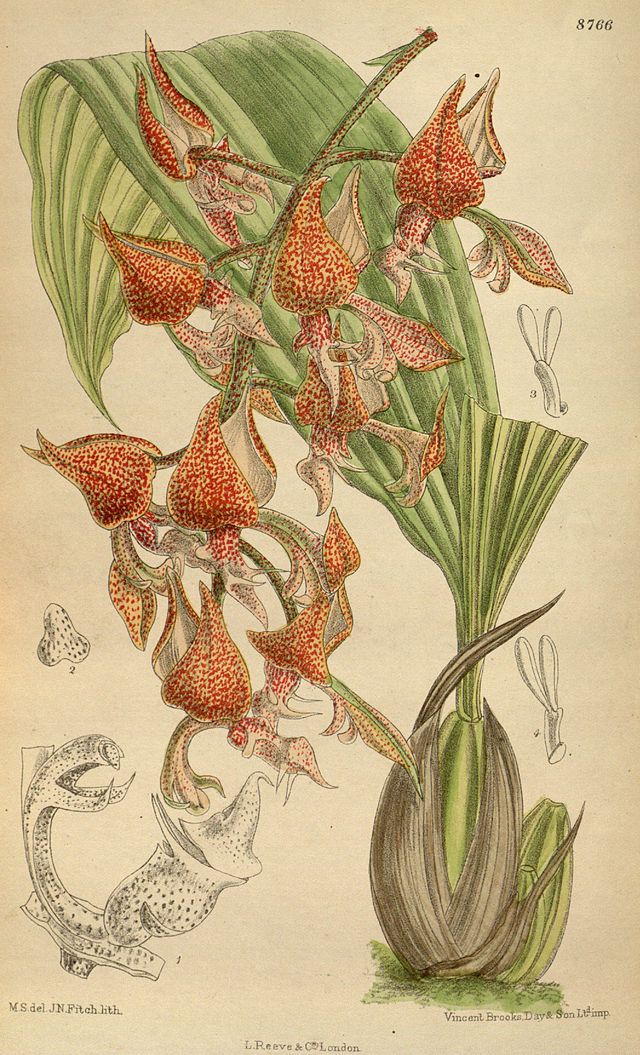 © M.S. del., J.N.Fitch lith. / Public domain
貢哥拉蘭
一種花朵結構複雜,以下垂的穗狀開花的蘭花。許多種類具有辛香香氣。
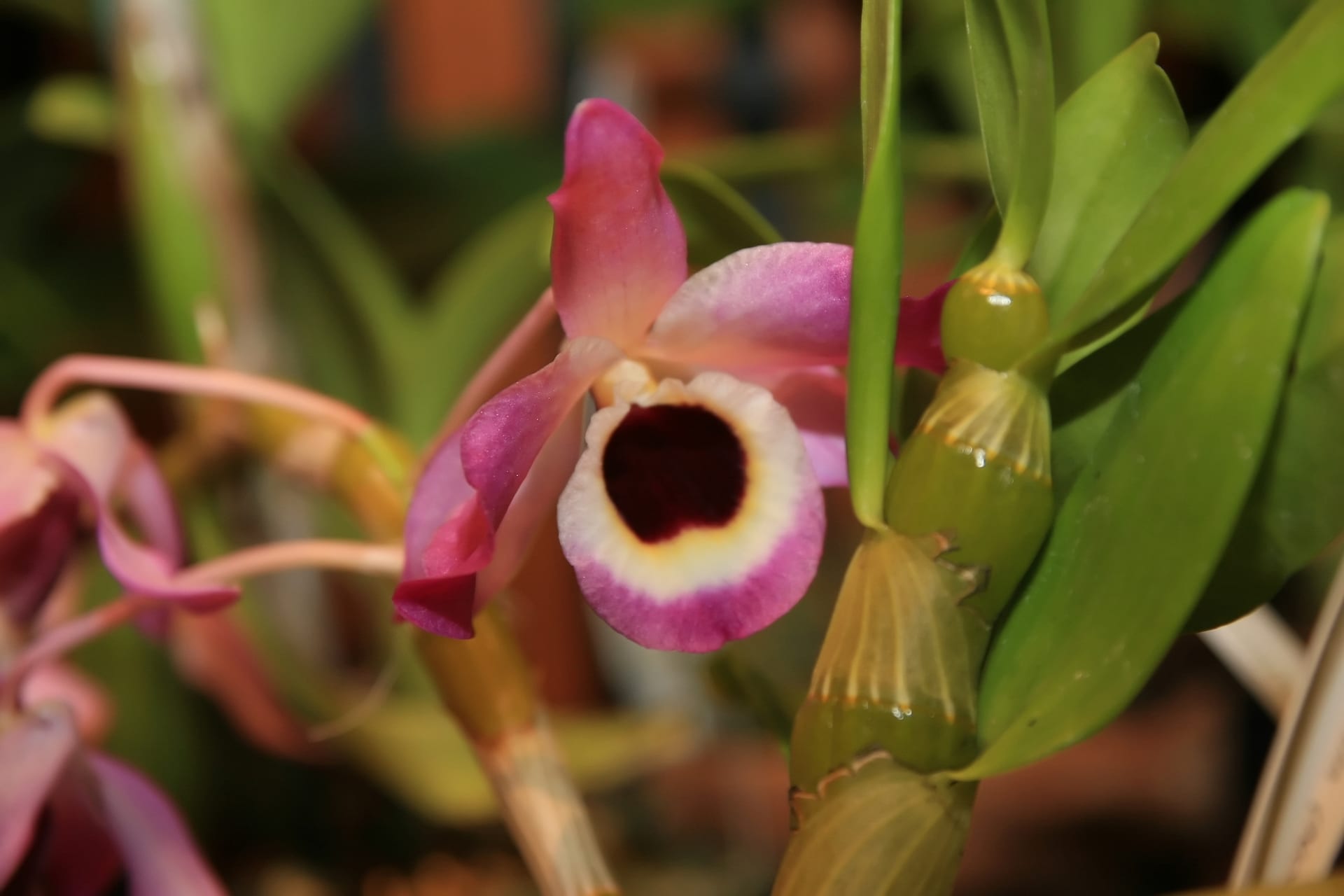 © Photo by David J. Stang / CC BY-SA 4.0
高山石斛
Dendrobium nobile
為石斛屬混種的原始親本。在直立的、帶有黃色光澤的莖節上,2~4朵一簇地綻放著香氣芬芳的蠟質花朵,花色從白色到粉紅色、紫色變化豐富。
蘭常見問題
- 蘭花的行情價格大約多少?
- 迷你蝴蝶蘭為1,000~5,000日圓,大輪蝴蝶蘭為5,000~30,000日圓,卡特蘭為3,000~20,000日圓,稀有原種蘭為數萬日圓以上,因種類和尺寸而異。
- 初學者也能種蘭花嗎?
- 蝴蝶蘭和石斛蘭在室內容易管理,也推薦給初學者。將其放在避免直射陽光的明亮地方,等苔蘚乾燥後再澆水,就能長時間享受花朵。
- 蘭花的壽命有多長?
- 妥善管理的話,可以栽培數十年。蝴蝶蘭每年開花,也可以透過分株繁殖。有不少愛好者栽培超過10年。
- 購買蘭花時有什麼注意事項?
- 確認根系是否呈綠色且健康、葉片是否飽滿、是否有病斑。選擇帶花的株體能更直觀地想像開花的樣貌,對初學者也容易打理。
- 讓蘭花再次開花的訣竅是什麼?
- 花謝後,在節點上方剪去花莖,放在明亮的半陰環境中管理。秋季製造晝夜溫差有利於花芽分化。持續施肥和澆水是再次開花的關鍵。