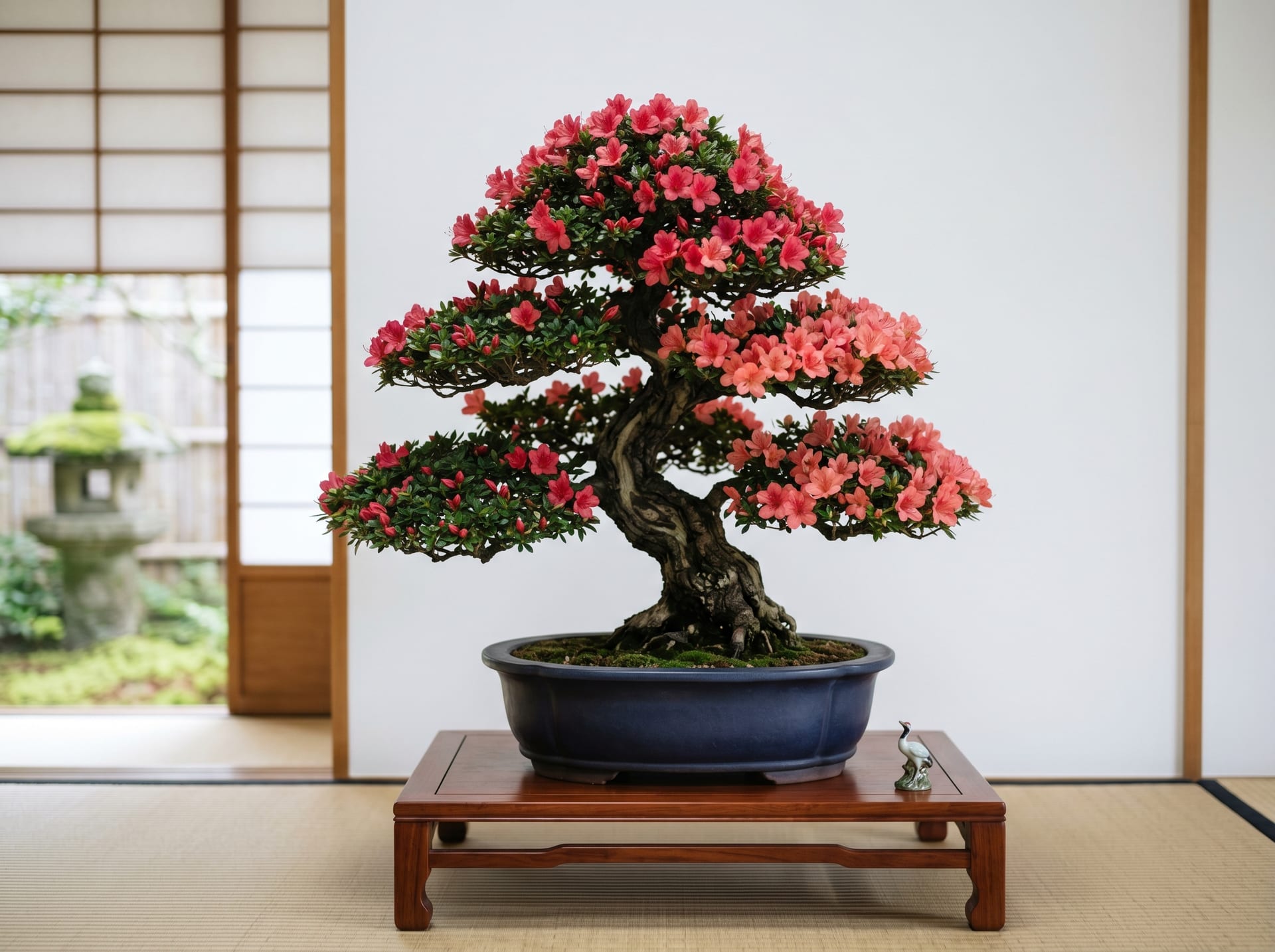
© KENPEI / CC BY-SA 3.0前 3 筆銷售免佣金!於2026年8月31日前登記生產者→前3筆成交的手續費免費!
栽培者 招募中!
在 ボタちょく 上架,直接銷售給全國的客戶吧!
ボタちょく承諾的 6 項透明性重點
盆景的出品中,栽培者將明示以下資訊。確保樹種、產地、所需光照、栽培難度的透明度。
- 樹種明示
- 實物照片
- 色澤
- 產地明示
- 所需光照
- 難度明示
盆景分類正在招募認證栽培者
栽培者正在陸續註冊,即將上架。設定上架通知,不錯過新商品。
「接收上架通知」需免費註冊會員即可設定。當有符合您儲存條件的新商品上架時,我們會以郵件和站內通知提醒您。
已註冊的栽培者(搶先看)
Explore the plant encyclopedia
關於bonsai
The bonsai category on Bree-Choku lets you welcome bonsai of many tree types — pines and junipers, deciduous trees, flowering and fruiting trees — directly from the growers who trained them. Bonsai care differs by tree type, and outdoor management is the norm. Check the form, root condition, and past growing environment, then choose a tree you can enjoy for a long time.
開始照料bonsai前需要了解的7件事
1Understand the differences between tree types
Pines and junipers tolerate dryness fairly well and are developed slowly over time, while deciduous types flush quickly and offer seasonal change. Flowering and fruiting trees need care timed to their bloom or fruit. Before starting, confirm the nature of your tree type.
2Master the basics of watering
Because bonsai grow in a limited amount of soil, watering is the heart of their care. The basic rule is to water thoroughly until it runs from the drainage holes once the soil surface dries. Drying changes with season and weather, so judge by the soil, not by days.
3Keep bonsai outdoors as the default
Most bonsai are trees and need sunlight, air, and seasonal temperature change. Kept indoors too long, they weaken from a lack of light and air, so the default is an outdoor spot with good sun and airflow. Bring them inside only briefly for viewing.
4Shape the tree with pruning and wiring
Bonsai are shaped by pruning overgrown branches and by wiring to guide branch direction. It is important to work at a time suited to the tree type and its growth, and to remove wire before it bites into the bark. Shape little by little and watch the tree grow.
5Understand repotting and root care
Bonsai are repotted every few years, trimming overgrown roots and replanting in fresh soil. This prevents root-bound conditions and keeps growth healthy. For many tree types, the period just before buds move is considered suitable; repot at intervals suited to the tree.
6Know the timing and method of fertilizing
Because bonsai have little soil, fertilizer must be supplied during the growing season. Overfeeding, however, causes leggy growth that spoils the form. The basic approach is to feed sparingly mainly during active growth and to ease off in midsummer and dormancy.
7Plan winter care and check the tree before choosing
Most bonsai overwinter outdoors, but some tree types need the pot protected from cold wind and freezing. When welcoming a tree, check the trunk, branch vigor, and root condition. On Bree-Choku you welcome trees directly from the grower, so you can verify the growing environment before choosing.
bonsai的常見問題
- Q.Are there bonsai that are easy for beginners?
- A.Hardy, free-flushing deciduous types and easy-to-manage small bonsai are generally considered beginner-friendly. Traits differ by tree type, so weigh placement and the time you can give, and choose with the grower's advice.
- Q.Can bonsai be grown indoors?
- A.Most bonsai are trees and are grown outdoors with sunlight, air, and seasonal change. Kept indoors too long they weaken, so bring them in only briefly for viewing and otherwise keep them outside.
- Q.How often should I water?
- A.Rather than a fixed number of days, judge by whether the soil surface has dried. In summer it dries fast and may need watering several times a day, while in winter it eases off. It also varies with tree type and pot size, so water based on the soil.
- Q.Is wiring always necessary?
- A.It is not mandatory; the form can be maintained with pruning alone. Wiring is a tool for guiding branch direction. Left on, it bites into the branch, so it must be removed at the right time.
- Q.What are the benefits of buying directly from a grower?
- A.You can check the form, root condition, and how the tree was raised, and hear type-specific care advice straight from the grower. With fewer distribution steps, environmental stress on the tree is also reduced.
bonsai栽培的實用工具
bonsai相關專欄
How to Choose a Bonsai Pot | The Basics of Matching Pots to Tree Species and Shape
This article explains the fundamentals of bonsai pot selection, including the differences between unglazed and glazed pots, selecting pot depth based on tree shape, and balancing tree size with pot dimensions.
Leaf Pruning of Deciduous Bonsai (Hagari) — A Summer Technique to Promote Smaller Leaves and Finer Branching
Explains the timing of leaf pruning for deciduous bonsai, the differences between full defoliation and partial defoliation, and how to determine whether to apply it, introducing the fundamentals to achieve smaller leaves and finer branching.
Beginner Bonsai: Year-One Growing Schedule by Species
Bonsai Root Growth and Healthy Root System Development: Root Establishment Management and Repotting Timing
The importance of root system development in bonsai and practical management methods. Without a healthy root system, tree form and nutrient absorption will decline. This article explains in detail the mechanisms and conditions of root growth, as well as proper repotting timing.
Tosami Mizuki Bonsai Styling Guide | Spring Flowers and Tree Shape Formation
Tosami Mizuki is a bonsai material with spring yellow flowers and seasonal character. Pruning and winter cold exposure are keys to flowering.
Camellia (Tsubaki) Bonsai Care Guide — Enjoying Flowering Bonsai
From the appeal of Camellia (Tsubaki / Camellia japonica) bonsai, to placement, watering, soil and repotting, fertilizing, pruning and flower bud formation, pest control, and tree shaping—this guide covers the practical management points unique to flowering bonsai.