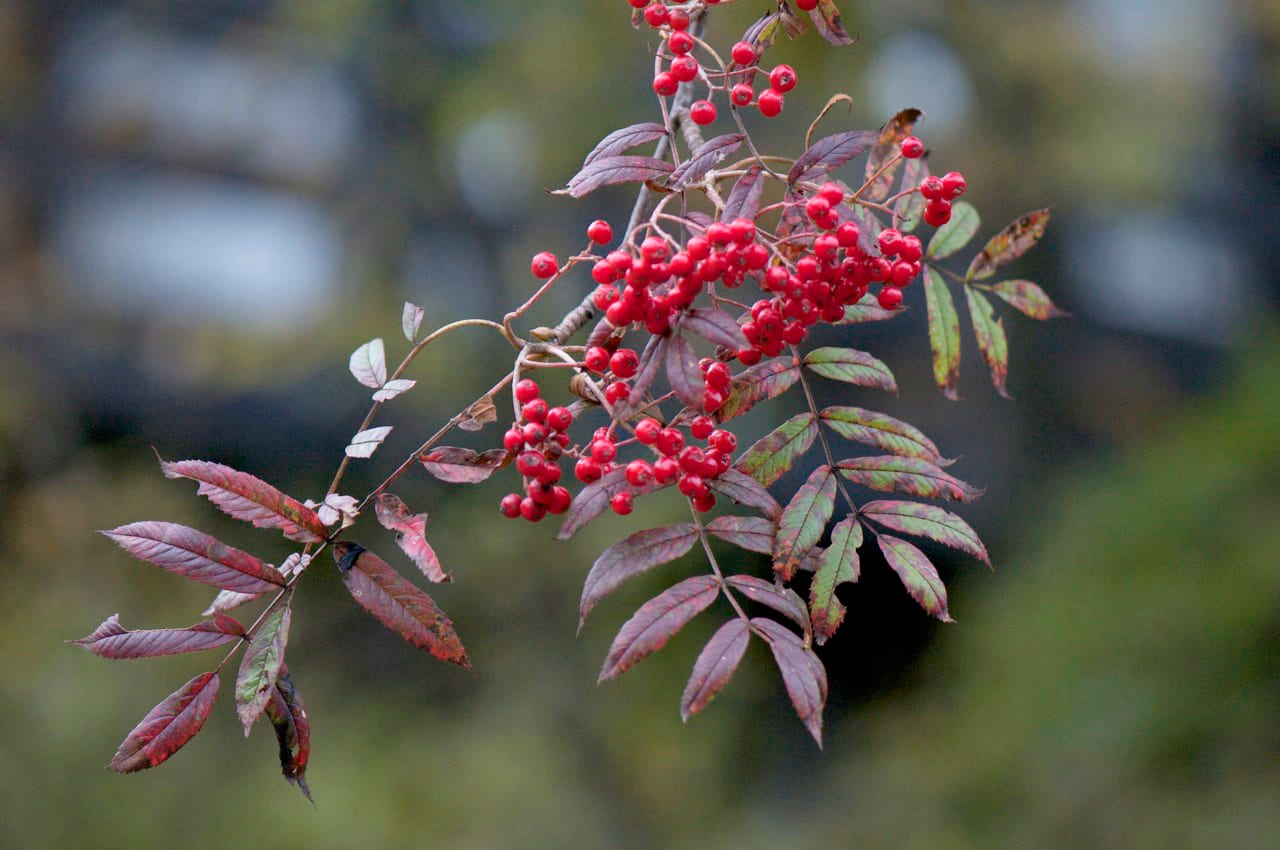
 © Koichi Oda / CC BY 2.0
花楸
The Japanese rowan is a deciduous tree in the rose family that has long been valued as a bonsai subject. Its finely divided, feather-like leaves turn a brilliant red in autumn, and clusters of red berries often remain on the bare branches well after the leaves have fallen, adding color through the winter months. In early summer, small white flowers open in flat, umbrella-like clusters, giving the tree a distinct look in every season. It naturally prefers cool climates, and keeping it thriving long-term in warm lowland areas can be difficult. Growth is slow, which suits growers who enjoy shaping a tree gradually over time, though its care is generally considered better suited to those with some prior bonsai experience.
View 花楸 encyclopedia →成交手續費 0%!2026年9月30日前註冊,前 2 株免佣金!
生產者 招募中!
在 GrowerDirect 上架,直接銷售給全國的客戶吧!
GrowerDirect承諾的 6 項透明性重點
盆景的出品中,生產者將明示以下資訊。確保樹種、產地、所需光照、栽培難度的透明度。
- 樹種明示
- 實物照片
- 色澤
- 產地明示
- 所需光照
- 難度明示
查看全部144個品種
盆景分類正在招募認證生產者
生產者正在陸續註冊,即將上架。設定上架通知,不錯過新商品。
「接收上架通知」需免費註冊會員即可設定。當有符合您儲存條件的新商品上架時,我們會以郵件和站內通知提醒您。
已註冊的生產者(搶先看)
花楸的基本資料
- 栽培難度
- 適合中級者
- 壽命
- 生長緩慢的樹種,壽命相關資料很少
- 體型
- 樹高5~10公尺
- 澆水
- 肥料(1~2月施用有機質固體肥料,不可過量)
- 日照與擺放位置
- 放在陽光充足、通風良好的位置。日照不足會導致不開花且易遭病害蟲侵襲。喜好冷涼環境
- 澆水
- 厭惡乾燥。春秋季每天1次,盛夏2次,冬季3天1次為目安,表土乾燥後充分澆水。注意夏季水分不足
- 溫度與越冬
- 耐寒性強,在北海道平地也能生長。在暖地易因夏季高溫而衰弱,長期維護困難
- 肥料
- 1~2月施用有機質固體肥料。施肥過量會導致樹木衰弱
- 修剪與整形
- 落葉後11~3月進行修剪以改善通風。不喜歡修剪,強烈修剪易導致樹形凌亂
- 病害蟲與注意事項
- 注意白粉病、蚜蟲,暖地還需防範天牛。因為是自生種,應選用栽培品而不是野採品
關於花楸
Japanese rowan bonsai known for vivid autumn foliage and red berries that linger into winter. It also blooms white flowers in early summer, grows slowly, and prefers cool climates, making it best suited to growers with some experience.
開始照料花楸前需要了解的7件事
1Choose a cool, airy spot
Japanese rowan prefers a cool climate, so choose a spot with good light and airflow while avoiding harsh midday sun and stagnant summer heat. In warm lowland regions, summer heat can be a particular strain on the tree.
2Water before it dries out
Japanese rowan doesn't tolerate drying out well, so water thoroughly once the soil surface dries and avoid letting it go dry. Check the soil often during the growing season and warmer months, when it dries out faster.
3Use well-draining soil
Because it dislikes both waterlogging and drying out, choose a soil mix that balances good drainage with adequate water retention. A standard bonsai soil blend, adjusted to your local conditions, works well as a base.
4Repot during dormancy
Repotting is generally done during the dormant season after the leaves have fallen. Work carefully to avoid excessive root damage, and let the tree recover afterward in a spot sheltered from direct sun and strong wind.
5Seasonal care for color and berries
The autumn foliage and the red berries that remain on the bare branches afterward are the main seasonal highlights of Japanese rowan. To enjoy the berries longer, keep the tree somewhere sheltered from birds and heavy wind or rain.
6Expect slow, gradual growth
Growth is slow, so shaping the tree's form is a long-term project measured in years rather than months. Approach it with patience, refining the shape gradually rather than expecting quick changes.
7Check branches and health when choosing a tree
When choosing a tree, check that the branches aren't dying back and that the leaves and trunk show no signs of pests or disease. A tree that has already shown its autumn color or berries can make it easier to picture how its shape will develop.
花楸的常見問題
- Q.Can beginners grow a Japanese rowan bonsai?
- A.Japanese rowan is generally considered a tree for intermediate growers, since it prefers cool conditions and needs a bit of care know-how. Those with some prior bonsai or garden tree experience will find it more approachable, but first-timers should research its care needs beforehand.
- Q.Can it be grown in warmer regions?
- A.Japanese rowan prefers cool climates, and in warm lowland areas it can be difficult to keep the tree in good condition over the long term. If you're growing it somewhere warm, extra attention to placement and seasonal care is needed.
- Q.When can I enjoy the autumn color and berries?
- A.The leaves turn a vivid red in autumn, and clusters of red berries remain on the branches even after the leaves fall. Since the berries linger for a while after leaf drop, they can be enjoyed alongside the tree's bare winter silhouette.
- Q.How often should I repot a Japanese rowan bonsai?
- A.As a general guideline, repotting every few years during the dormant season, based on the condition of the roots, works well. Since the tree grows slowly, root-bound conditions also develop gradually, but it's still worth checking the pot's contents periodically.
- Q.The listing says it grows 5-10m tall. Is that right for a bonsai?
- A.That figure refers to the tree's natural height in the wild; as a bonsai, it's kept much smaller through container culture. Repeated pruning and repotting let growers condense the appeal of its natural form into a compact scale.
花楸栽培的實用工具
在圖鑑中詳細了解花楸
查看花楸的圖鑑條目 →
收錄栽培難度、尺寸、原產地、日照等基礎資料。