 © Plant Image Library / CC BY-SA 2.0
莢蒾
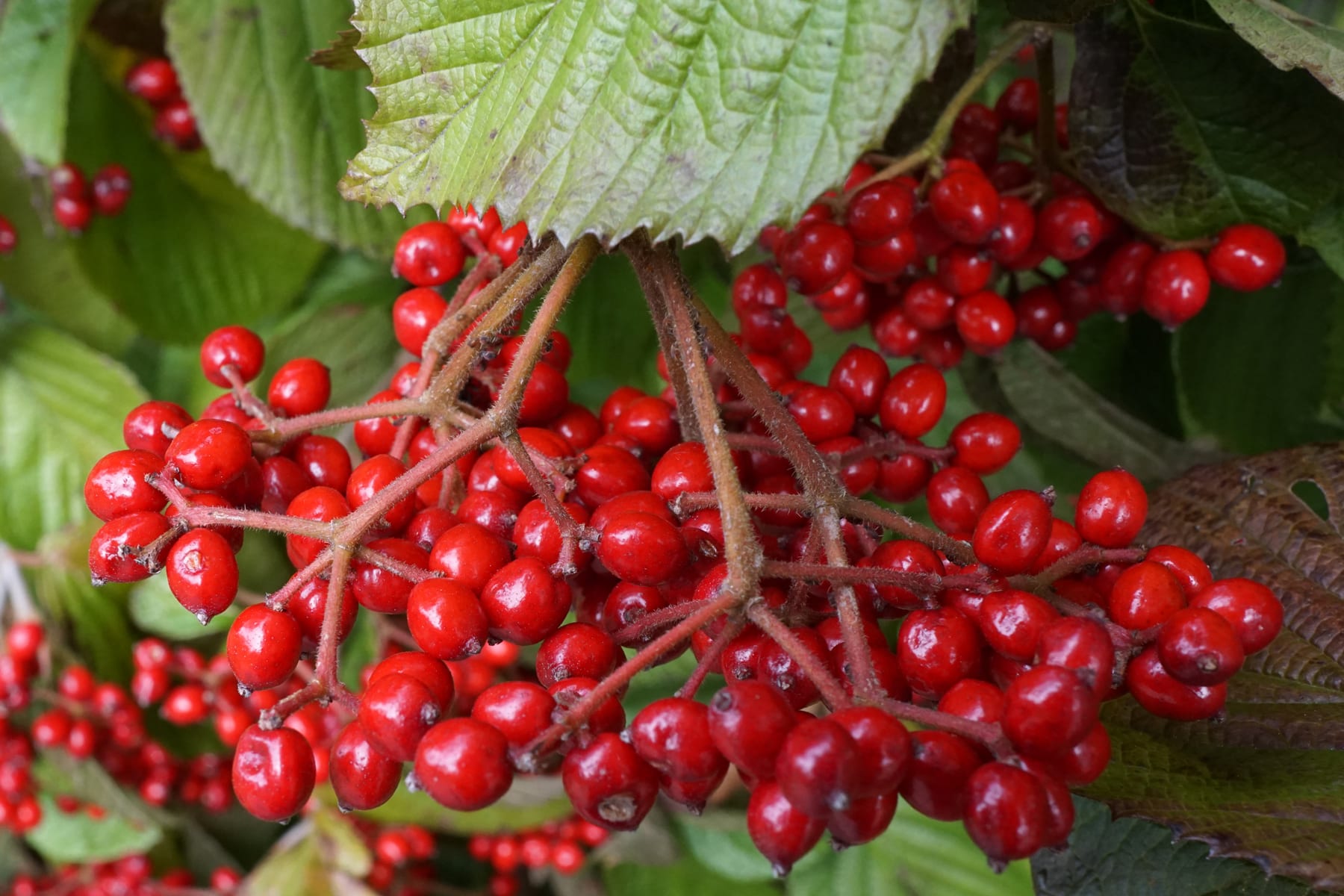
Linden viburnum is a deciduous shrub native to secondary forests across Japan. In early summer it produces clusters of small white flowers arranged in flat, umbrella-like heads, and by autumn these give way to bunches of red berries about 6mm across that brighten the branches alongside the season's changing leaf colors. In the wild it typically grows 2 to 5 meters tall, but as bonsai it can be trained into a much smaller, compact form. Among bonsai growers, the small-leafed 'Kinkazan' cultivar is especially popular, and the species is considered a classic choice among fruiting deciduous bonsai. It's regarded as beginner-friendly, making it a good option for those just starting out with deciduous bonsai.
View 莢蒾 encyclopedia →成交手續費 0%!2026年9月30日前註冊,前 2 株免佣金!
生產者 招募中!
在 GrowerDirect 上架,直接銷售給全國的客戶吧!
GrowerDirect承諾的 6 項透明性重點
盆景的出品中,生產者將明示以下資訊。確保樹種、產地、所需光照、栽培難度的透明度。
- 樹種明示
- 實物照片
- 色澤
- 產地明示
- 所需光照
- 難度明示
查看全部144個品種
盆景分類正在招募認證生產者
生產者正在陸續註冊,即將上架。設定上架通知,不錯過新商品。
「接收上架通知」需免費註冊會員即可設定。當有符合您儲存條件的新商品上架時,我們會以郵件和站內通知提醒您。
已註冊的生產者(搶先看)
莢蒾的基本資料
- 栽培難度
- 適合新手
- 壽命
- 壽命相關資料較少
- 體型
- 樹高2~5公尺
- 澆水
- 肥料(4月~梅雨季和9~11月施以薄肥)
- 日照和擺放位置
- 通風良好的明亮場所至半日陰處。夏季需遮陰。若要欣賞花果效果需充分日照
- 澆水
- 喜水,生育期間需保持濕潤。春季每日1~2次、夏季2~3次、冬季1~2日1次為目安。夏季缺水會導致葉燒和次年花芽不發
- 溫度和越冬
- 耐熱耐寒,但冬季需在冷床或其他保護設施中進行基本防護
- 用土和換盆
- 根系生長快速易根部擁堵。3月發芽前每1~2年換盆1次
- 肥料
- 過度施肥會導致徒長和結實不良。應施薄肥、多次施加。4月~梅雨季每月1次,夏季停止,9~11月每月1次
- 修剪和整形
- 花芽與春季新梢同時萌發,結實樹在5月摘除花芽,僅保留新梢1節。翌年花芽於7月中旬~8月形成,故7月後應避免摘芽
- 病蟲害和注意事項
- 通風不良易發生蚧殼蟲和蜘蛛蟎,梅雨季易患白粉病。為自生種應購買栽培品而非野生採集品
關於莢蒾
Linden viburnum is a Japanese deciduous shrub with white spring flowers and red autumn berries. The 'Kinkazan' cultivar is popular in bonsai, prized as a beginner-friendly fruiting variety.
開始照料莢蒾前需要了解的7件事
1Light & Air Circulation
Linden viburnum thrives with plenty of sunlight, so keep it outdoors and give it full sun year-round. Strong afternoon summer sun can scorch the leaves, so consider adjusting the pot's position or providing some shade during the hottest part of the day. Good air circulation around the plant also helps prevent pests and disease.
2Watering Basics
Water thoroughly once the soil surface has dried out. In summer the soil dries quickly, so watering both morning and evening may be necessary. In winter, as the plant enters dormancy and drops its leaves, cut back on how often you water.
3Choosing Soil
This shrub prefers a soil mix that balances drainage with moisture retention. A standard deciduous-bonsai mix based on akadama with some leaf mold added works well. Take care to avoid overwatering, which can lead to root rot.
4Repotting Timing
Because its roots grow vigorously, repot roughly every one to two years. The best time is early spring, before new buds break, while the plant is still dormant. Repotting with some root pruning helps maintain both the tree's shape and its vigor.
5Seasonal Care & Pruning
Flower buds form near the branch tips from summer into autumn, so pruning at the wrong time can reduce next year's flowers and berries. As a rule, prune right after flowering to shape the tree. Once the leaves drop in winter is also a good time to check the branch structure and remove unnecessary branches.
6Fertilizing
To encourage good flowering and fruiting, it's common to apply a slow-release solid fertilizer around the time new buds emerge in spring and again in autumn. Avoid fertilizing during the height of summer, as it can stress the roots. If fruiting is a priority, choose a fertilizer containing phosphorus.
7Choosing a Tree
For bonsai, cultivars with small, compact leaves such as 'Kinkazan' are easier to work with and a good place to start. Look for a tree with finely branching twigs and a trunk that already shows some age and character, which lets you enjoy that classic deciduous-bonsai look sooner. Choosing a specimen when berries are visible also makes it easier to judge its flowering and fruiting potential.
莢蒾的常見問題
- Q.Is linden viburnum suitable for beginners?
- A.Yes, linden viburnum is generally considered a beginner-friendly species to grow. As long as you keep up with basic light, watering, and soil care, it's an approachable choice even for those new to deciduous bonsai.
- Q.Which cultivar is popular for bonsai?
- A.The 'Kinkazan' cultivar, known for its small, compact leaves, is especially popular for bonsai. It's a well-loved classic among fruiting deciduous bonsai varieties.
- Q.When do the berries appear, and how big are they?
- A.Clusters of red berries about 6mm across form in autumn. Since this coincides with the season's leaf color change, you can enjoy both the berries and the autumn foliage together.
- Q.How often does it need repotting?
- A.Because its roots grow vigorously, repotting is generally needed about once every one to two years. The best time is early spring, before new buds start to break, while the tree is still dormant.
- Q.Is it better suited to outdoor or indoor growing?
- A.Linden viburnum prefers plenty of light and good air circulation, so outdoor care is standard. As a deciduous tree it also needs a winter dormancy period, making an outdoor environment where it can experience the changing seasons the better fit.
莢蒾栽培的實用工具
在圖鑑中詳細了解莢蒾
查看莢蒾的圖鑑條目 →
收錄栽培難度、尺寸、原產地、日照等基礎資料。