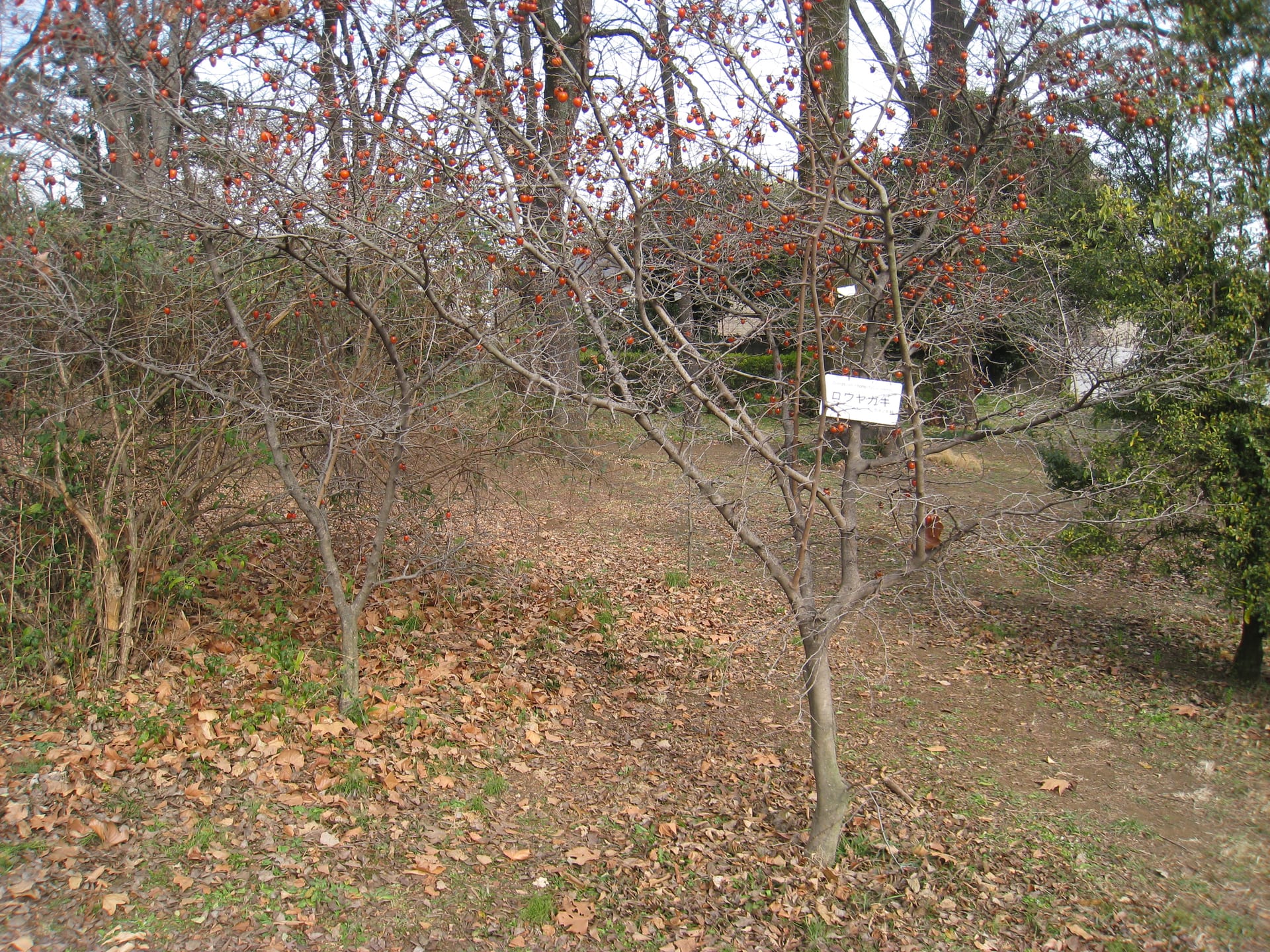
 © Daderot / Public domain
老爺柿
Rōya-gaki (Diospyros rhombifolia), known in English as the rhombic-leaf persimmon, is a small persimmon species native to China, valued in bonsai for its rounded, diamond-shaped leaves and tiny pointed orange fruit that colors up in autumn. In the wild it can grow as a shrub or small tree up to around 8 meters tall, but as bonsai it is trained into mini to medium-sized forms that still display fruit within a pot. Because the species is dioecious, the usual way to get fruit is to keep a male tree and hand-pollinate, although some cultivars set fruit without cross-pollination. Growing it well calls for some intermediate-level experience, but the interplay of foliage and fruit gives this variety a distinctive bonsai character.
View 老爺柿 encyclopedia →成交手續費 0%!2026年9月30日前註冊,前 2 株免佣金!
生產者 招募中!
在 GrowerDirect 上架,直接銷售給全國的客戶吧!
GrowerDirect承諾的 6 項透明性重點
盆景的出品中,生產者將明示以下資訊。確保樹種、產地、所需光照、栽培難度的透明度。
- 樹種明示
- 實物照片
- 色澤
- 產地明示
- 所需光照
- 難度明示
查看全部144個品種
盆景分類正在招募認證生產者
生產者正在陸續註冊,即將上架。設定上架通知,不錯過新商品。
「接收上架通知」需免費註冊會員即可設定。當有符合您儲存條件的新商品上架時,我們會以郵件和站內通知提醒您。
已註冊的生產者(搶先看)
老爺柿的基本資料
- 栽培難度
- 適合中級者
- 壽命
- 樹齡的資料很少
- 體型
- 在自然環境中為灌木~喬木,高度可達8公尺(盆栽為迷你~中等尺寸)
- 澆水
- 肥料(結果停止後至8月份施加較多,秋季追肥)
- 光照和放置位置
- 在日照充足、通風良好的地方結果效果更佳。小盆景應避免夏季強烈的西晒
- 澆水
- 在高溫多濕環境下容易根腐,應避免過濕。春季每日1~2次,夏季2~3次,表土乾燥時充分澆水
- 溫度和越冬
- 耐高溫和低溫(USDA區域7b左右)。小盆景、結果過多的株、秋季重新種植的株應保護免受凍結和乾燥風的傷害
- 用土和換盆
- 硬質赤玉土混入2~3成河沙。年幼樹隔年換盆,老樹3~5年一次。適期為秋季(8月下旬~9月中旬)或芽出前,應避免4~5月換盆
- 肥料
- 春季施肥容易導致落果,應保持控制。從結果停止至8月持續施肥,秋初停止一次,10月中旬再追肥
- 修剪和造型
- 新梢伸長後於2~3節處剪短以形成小枝。修剪和鐵絲造型的適期為2月下旬~3月和11~12月。枝條易折,應避免強曲
- 病害蟲和注意事項
- 注意蚜蟲、薊馬、介殼蟲。因為是雌雄異株,要欣賞果實需要雄株和4~5月的人工授粉
關於老爺柿
Rōya-gaki is a small Chinese persimmon bonsai known for diamond-shaped leaves and tiny orange fruit. It's dioecious, so fruit usually needs pollen from a male tree (some cultivars fruit without it), and it suits intermediate-level growers.
開始照料老爺柿前需要了解的7件事
1Sun and Air Circulation
Rōya-gaki thrives outdoors in a spot with plenty of sun and good air circulation. Strong direct sun in midsummer can scorch the leaves, so moving it to partial shade during the hottest stretch of summer is a good precaution.
2Watering Basics
Water thoroughly once the surface of the soil dries out. The tree can dry out quickly while fruiting or during summer heat, so keep an eye on soil moisture, and ease off on watering in winter when growth slows.
3Well-Draining Soil Matters
Because Rōya-gaki is prone to root rot in soggy soil, use a well-draining, well-aerated bonsai mix, such as a standard akadama-based blend. Good drainage keeps the roots healthy through the growing season.
4When to Repot
Repot once the roots have filled the pot. Doing this while growth has settled down puts less stress on the tree, and trimming the roots at repotting time helps keep drainage and growth stable afterward.
5Winter Care
As temperatures drop, Rōya-gaki tends to shed its leaves and enter a dormant period. Depending on your climate, some winter protection may be needed, so pay attention to where you keep it, and water more sparingly (without letting it dry out completely) during dormancy.
6Check the Sex and Cultivar Name
Rōya-gaki is dioecious, so the usual way to get fruit is to keep a male tree and hand-pollinate with its pollen. Some cultivars, however, set fruit without cross-pollination. When buying, check whether the tree is male or female and what cultivar it is, which makes later care much easier to plan.
7Choosing a Good Specimen
Leaf color, branch shape, and how fruit sets can vary from tree to tree, so look closely at the description as well as the photos when choosing. Since this variety suits intermediate growers, it helps to review the basics of its care beforehand if this is your first fruiting bonsai.
老爺柿的常見問題
- Q.Is Rōya-gaki suitable for beginners?
- A.Rōya-gaki is generally considered a variety for intermediate growers, with a few things to learn around watering, soil, and its male/female habit. Anyone with some basic bonsai experience should find it manageable.
- Q.What does it take to get fruit on the tree?
- A.Rōya-gaki is dioecious, so in most cases you need a male tree and hand-pollination with its pollen. Some cultivars set fruit without cross-pollination, so check whether the tree is male or female and what cultivar it is when you buy.
- Q.How large does it grow?
- A.In the wild it can grow as a shrub or small tree up to around 8 meters tall, but as bonsai it's trained into mini to medium-sized forms. That means it can be kept small and well-balanced even in a pot.
- Q.How should I care for it in winter?
- A.As temperatures fall, it tends to drop its leaves and enter dormancy. During this period, water less often and keep the soil somewhat drier than during the growing season.
- Q.When is the right time to repot?
- A.Repot once the roots have filled the pot. Doing it while growth has settled down, then trimming the roots and replanting in well-draining soil, helps minimize stress on the tree.
老爺柿栽培的實用工具
在圖鑑中詳細了解老爺柿
查看老爺柿的圖鑑條目 →
收錄栽培難度、尺寸、原產地、日照等基礎資料。