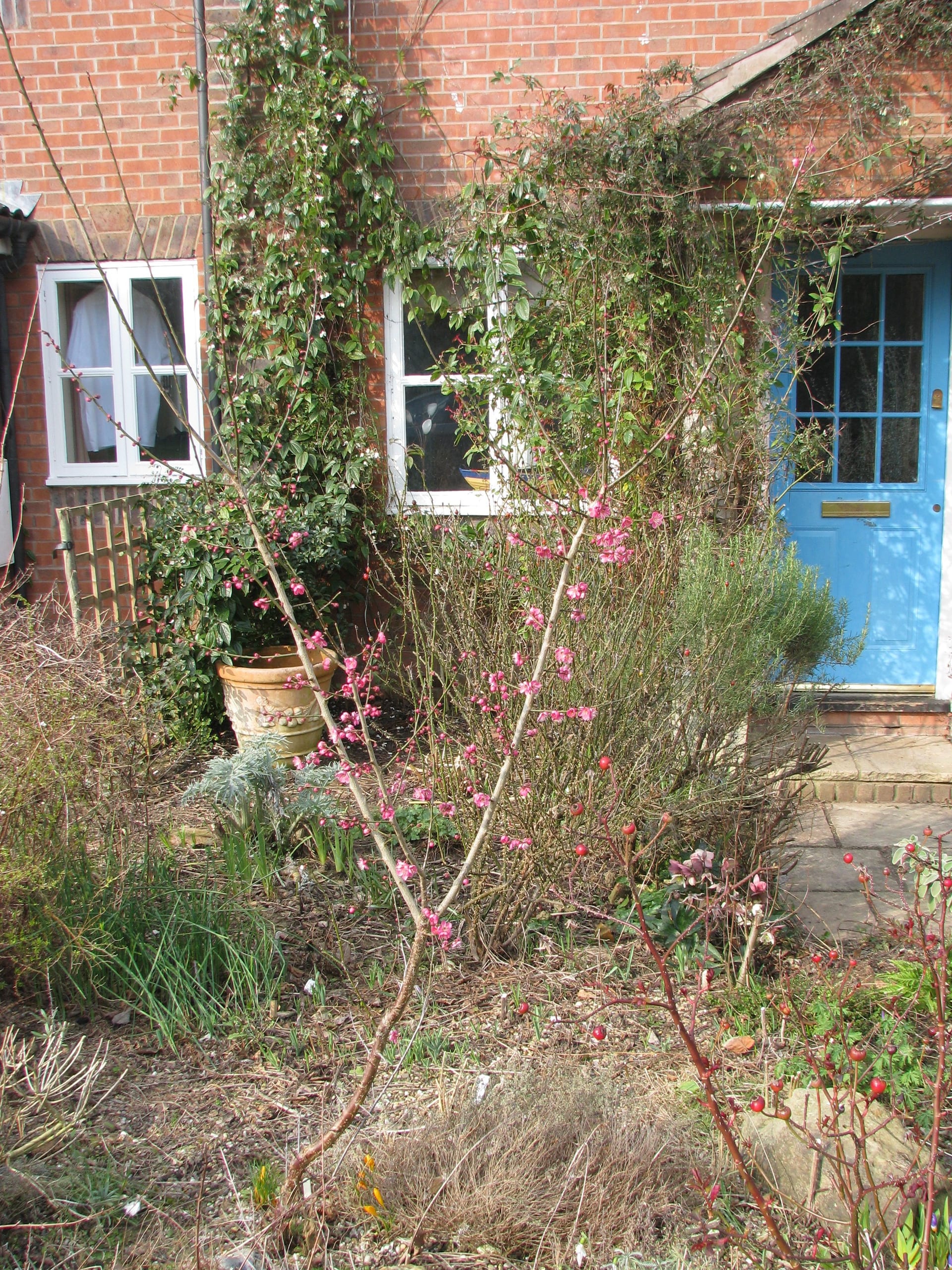
 © peganum from Small Dole, England / CC BY-SA 2.0
紅千鳥
Beni-chidori is a flowering apricot (ume) variety prized for its deep crimson, single-petaled blooms. At the center of each flower, the stamens transform into petal-like structures, said to resemble chidori (plovers) in flight, which gives the variety its name. It blooms later than most flowering apricots, so as a bonsai it can extend the flowering season after other varieties have already faded. Trial-garden surveys found this variety carries no pollen, so it's best appreciated for its flowers rather than for fruit. It suits growers with some intermediate bonsai experience and rewards patient training into a shape of your own over many years.
View 紅千鳥 encyclopedia →成交手續費 0%!2026年9月30日前註冊,前 2 株免佣金!
生產者 招募中!
在 GrowerDirect 上架,直接銷售給全國的客戶吧!
GrowerDirect承諾的 6 項透明性重點
盆景的出品中,生產者將明示以下資訊。確保樹種、產地、所需光照、栽培難度的透明度。
- 樹種明示
- 實物照片
- 色澤
- 產地明示
- 所需光照
- 難度明示
查看全部144個品種
盆景分類正在招募認證生產者
生產者正在陸續註冊,即將上架。設定上架通知,不錯過新商品。
「接收上架通知」需免費註冊會員即可設定。當有符合您儲存條件的新商品上架時,我們會以郵件和站內通知提醒您。
已註冊的生產者(搶先看)
紅千鳥的基本資料
- 栽培難度
- 適合中級者
- 壽命
- 梅是長壽樹種,樹齡達400年的盆梅也存在
- 體型
- 梅是高度3~10公尺的落葉小喬木。盆栽中根據花盆進行造型
- 澆水
- 肥料(花後的3~6月和9~11月。夏季停止)
- 日照和置放位置
- 開花芽需要春季至夏季充足的日照。放在日照良好、通風良好的地方,夏季強光照易使葉片曬傷,需要遮陰
- 澆水
- 本質上喜歡水,葉片存在期間乾燥快。春秋季1天1~2次,夏季2~3次,冬季2~3天1次為目安,表土乾燥後澆透
- 溫度和越冬
- 冬季休眠。要防止盆土凍結和晚霜傷害根部,在棚下或冷室等地方保護
- 盆土和換盆
- 以赤玉土為主體,混合排水良好的砂土約2成。換盆在萌芽前的2月左右進行,與花後修剪同時進行。1~2年換1次,老樹2~3年換1次
- 施肥
- 這是喜肥的樹種。花後的3~6月持續少量施肥,花芽形成的夏季停止施肥,9~11月的秋肥要充足。使用磷酸含量較多的果花型肥料較佳
- 修剪和造型
- 在5~7分開花時摘除花朵以保持樹勢,花後立即修剪。花芽在7~8月形成,成熟樹在5月左右摘除新梢的4~6節
- 病蟲害和注意事項
- 要注意蚜蟲、紅蜘蛛、介殼蟲、幹上穿入的透翅蛾(會滲出樹脂)、白粉病和黑星病。花梅容易患瘡痂病,要避免強風吹拂。不具花粉,有些年份不結實
關於紅千鳥
Beni-chidori is a deep crimson, single-petaled flowering apricot with petal-like stamens resembling plovers in flight. A later-blooming variety suited to bonsai training by intermediate growers.
開始照料紅千鳥前需要了解的7件事
1Placement & Light
Flowering apricots do best outdoors in full sun with good air circulation. Shield the plant from harsh summer afternoon sun, and choose a spot where the pot won't freeze solid in winter.
2When to Water
Water thoroughly whenever the soil surface dries out, until it runs from the drainage holes. Keep a closer eye on moisture as flower buds swell and during the blooming period, since the soil dries faster then.
3Choosing Soil
Beni-chidori prefers a well-draining, airy soil mix. A bonsai blend based on akadama (baked clay granules) with some leaf mold is a good starting point.
4Repotting Schedule
Repot around February, before the buds break, together with the post-bloom pruning. Aim for once every one to two years (every two to three years for old trees), using a mix based on akadama with about 20 percent free-draining sand.
5Pruning & Training
Flower buds form on the previous year's growth, so pruning at the wrong time or place can reduce next year's blooms. Shape the tree with pruning right after the flowers finish.
6Bloom Timing & Seasonal Care
Beni-chidori blooms later than many other flowering apricot varieties. Exposing it to proper winter cold helps the flower buds develop, so you can enjoy its blooms even after other ume have finished.
7Choosing a Plant & Skill Level
Beni-chidori is generally considered suited to growers with some intermediate experience. Having a feel for basic pruning and watering before you start will help you enjoy shaping the tree over the years.
紅千鳥的常見問題
- Q.What kind of flowers does Beni-chidori produce?
- A.It has deep crimson, single-petaled flowers whose stamens transform into petal-like structures. This layered look is said to resemble chidori (plovers) in flight, which inspired the name.
- Q.Is Beni-chidori suitable for beginners?
- A.Beni-chidori is generally considered an intermediate-level variety. It's best to have some basic bonsai watering and pruning experience before taking it on.
- Q.Does Beni-chidori produce fruit?
- A.Trial-garden surveys found that this variety carries no pollen. Because of that, it's best appreciated for its flowers rather than for fruit set.
- Q.How long can a Beni-chidori bonsai be kept?
- A.With ongoing care such as regular repotting and pruning, it can be grown for many years. Watching the tree's form mature over time is one of the pleasures of ume bonsai.
- Q.How is Beni-chidori different from other flowering apricots?
- A.It blooms later than many other ume varieties, so it can still be in flower after others have finished. Its stamens transforming into petal-like structures also give it a distinctive look.
紅千鳥栽培的實用工具
在圖鑑中詳細了解紅千鳥
查看紅千鳥的圖鑑條目 →
收錄栽培難度、尺寸、原產地、日照等基礎資料。