跳轉到主要內容
真柏

真柏

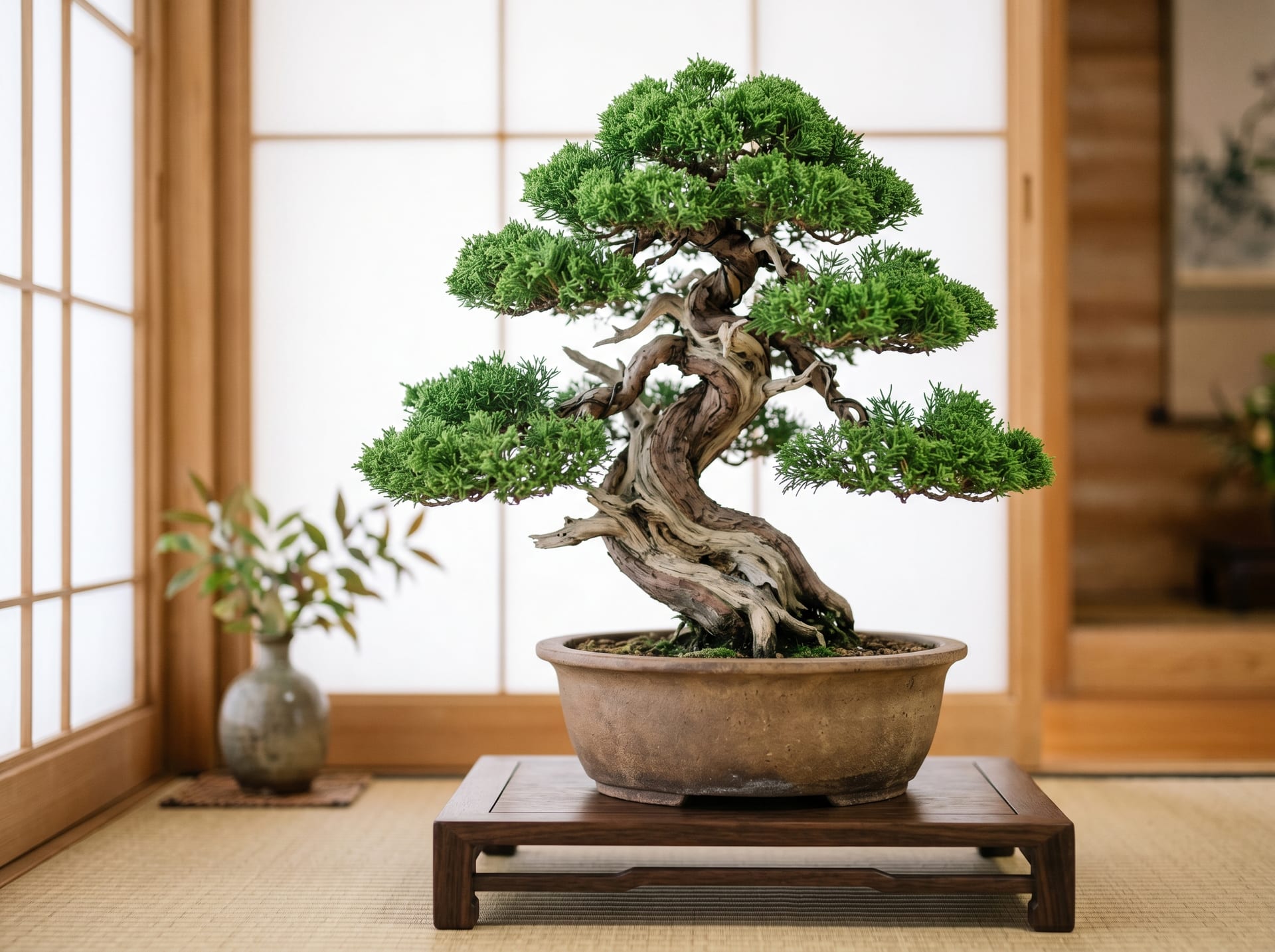
Shimpaku juniper (Juniperus chinensis var. sargentii) is prized in bonsai for its dramatic shari and jin — areas of bleached deadwood that create a rugged, sculptural silhouette. Hardy across a wide range of climates and forgiving of moderate neglect, it is a rewarding evergreen for beginners and seasoned enthusiasts alike.

限時優惠

前 3 筆銷售免佣金!於2026年8月31日前登記生產者→前3筆成交的手續費免費!

栽培者 招募中!

在 ボタちょく 上架,直接銷售給全國的客戶吧!

免費註冊無月費僅在銷售時收取佣金
立即免費註冊

ボタちょく承諾的 6 項透明性重點

盆景的出品中,栽培者將明示以下資訊。確保樹種、產地、所需光照、栽培難度的透明度。

  • 樹種明示
  • 實物照片
  • 色澤
  • 產地明示
  • 所需光照
  • 難度明示
0 items

盆景分類正在招募認證栽培者

栽培者正在陸續註冊,即將上架。設定上架通知,不錯過新商品。

「接收上架通知」需免費註冊會員即可設定。當有符合您儲存條件的新商品上架時,我們會以郵件和站內通知提醒您。

查看其他分類

已註冊的栽培者(搶先看)

想上架盆景嗎?

註冊成為栽培者,即可與買家直接聯繫。

申請成為栽培者

關於真柏

Shimpaku juniper (Juniperus chinensis) is an evergreen conifer of the cypress family native to China and Japan. Its history as a bonsai subject stretches back to the Edo period, and it remains one of the most prized bonsai species worldwide. The tree's defining characteristic is its dramatic deadwood — shari (bleached trunk deadwood) and jin (stripped branch tips) — formations created by years of weathering that give each tree a profound, sculptural presence. Dense, scale-like foliage in deep green provides a striking counterpoint to the pale, sculpted wood. Shimpaku is notably hardy, tolerating both cold winters and hot summers with relative ease, making it well-suited to Japan's four seasons. Beginners appreciate its forgiving nature, while advanced practitioners find endless creative satisfaction in wiring, carving, and refining the tree's silhouette over decades.

開始照料真柏前需要了解的7件事

  1. 1Grow Outdoors Year-Round

    Shimpaku is a hardy evergreen best kept outdoors throughout the year in a sunny, well-ventilated spot. Prolonged indoor placement weakens the tree significantly. In winter, protect only the rootball from hard freezes; the foliage itself tolerates frost well.

  2. 2Water When Soil Begins to Dry

    Water thoroughly whenever the topsoil begins to feel slightly dry, letting water run freely from the drainage holes. Shimpaku is sensitive to waterlogging, so well-draining bonsai soil is essential. Expect to water once or twice daily in summer and every few days in winter.

  3. 3Deadwood Styling Is a Key Feature

    Shimpaku's dense, decay-resistant wood makes it ideal for jin (deadwood branches) and shari (stripped trunk areas) bleached with lime sulfur. This sculptural deadwood work is a hallmark of the species and difficult to replicate with softer trees. Always wear gloves and eye protection when applying lime sulfur.

  4. 4Prune in Spring and Autumn

    The best times for pruning and wiring are spring (March–April) as new growth emerges, and autumn (September–October) when vigor stabilizes. Avoid heavy pruning in midsummer or deep winter. Pinch back growing tips throughout the growing season to maintain the desired silhouette.

  5. 5Fertilize During the Growing Season

    Apply balanced fertilizer regularly from spring through autumn, using slow-release solids or diluted liquid feed. Excessive nitrogen causes elongated, open foliage that disrupts the compact silhouette. A fertilizer with adequate phosphorus and potassium helps maintain tight, dense pad growth.

  6. 6Repot Every 2–3 Years

    Repot young trees every two years and more developed specimens every three to four years to prevent root compaction. The ideal window is late winter to early spring, just before buds swell. Trim roots by about one-third, replant in fresh well-draining soil, and keep the tree in partial shade for several weeks while it recovers.

  7. 7Pests, Disease, and Typical Costs

    Spider mites and caterpillars can affect shimpaku; check the undersides of foliage regularly from spring through summer for early detection. Entry-level starter trees typically cost a few thousand yen, while mid-sized, well-developed specimens range from 10,000 to 50,000 yen. Budget additionally for a bonsai pot, specialist soil, wire, and pruning shears.

真柏的常見問題

Q.Is shimpaku suitable for beginners?
A.Yes, shimpaku is considered one of the more forgiving bonsai species and is well-suited to beginners. As long as you follow the basics of watering, placement, and fertilizing, it grows reliably. The one key requirement is outdoor placement, so confirm you have a suitable spot before starting.
Q.How do you create shari and jin on shimpaku?
A.Shari and jin are created through a carving technique using knives, chisels, or specialized tools to strip bark and expose the wood beneath. You can work with naturally occurring deadwood or deliberately carve new formations. For beginners, learning from a bonsai club or experienced practitioner is recommended to avoid damaging the tree.
Q.Should I bring shimpaku indoors in winter?
A.Generally, no. Shimpaku is cold-hardy and can overwinter outdoors down to around −10°C. Bringing it into a warm indoor environment disrupts its seasonal rhythm and can weaken the tree. In extremely cold regions, a simple windbreak or covering with frost cloth is usually sufficient protection.
Q.Why are the leaves turning brown?
A.The most common causes are underwatering, root rot, juniper rust disease, or leaf scorch from intense afternoon sun. Start by checking soil moisture and root condition, then narrow down the cause based on the discoloration pattern (whether it is widespread or localized). Early diagnosis and treatment support a faster recovery.
Q.Where can I buy a shimpaku bonsai?
A.Shimpaku bonsai are available at bonsai specialty shops, bonsai fairs, garden center bonsai sections, and breeder-direct platforms like br-choku. For beginners, a mid-sized tree with an already-developed structure is a good starting point. Buying directly from a breeder allows you to ask questions before purchasing, which many beginners find reassuring.

真柏栽培的實用工具

同分類的更多品種