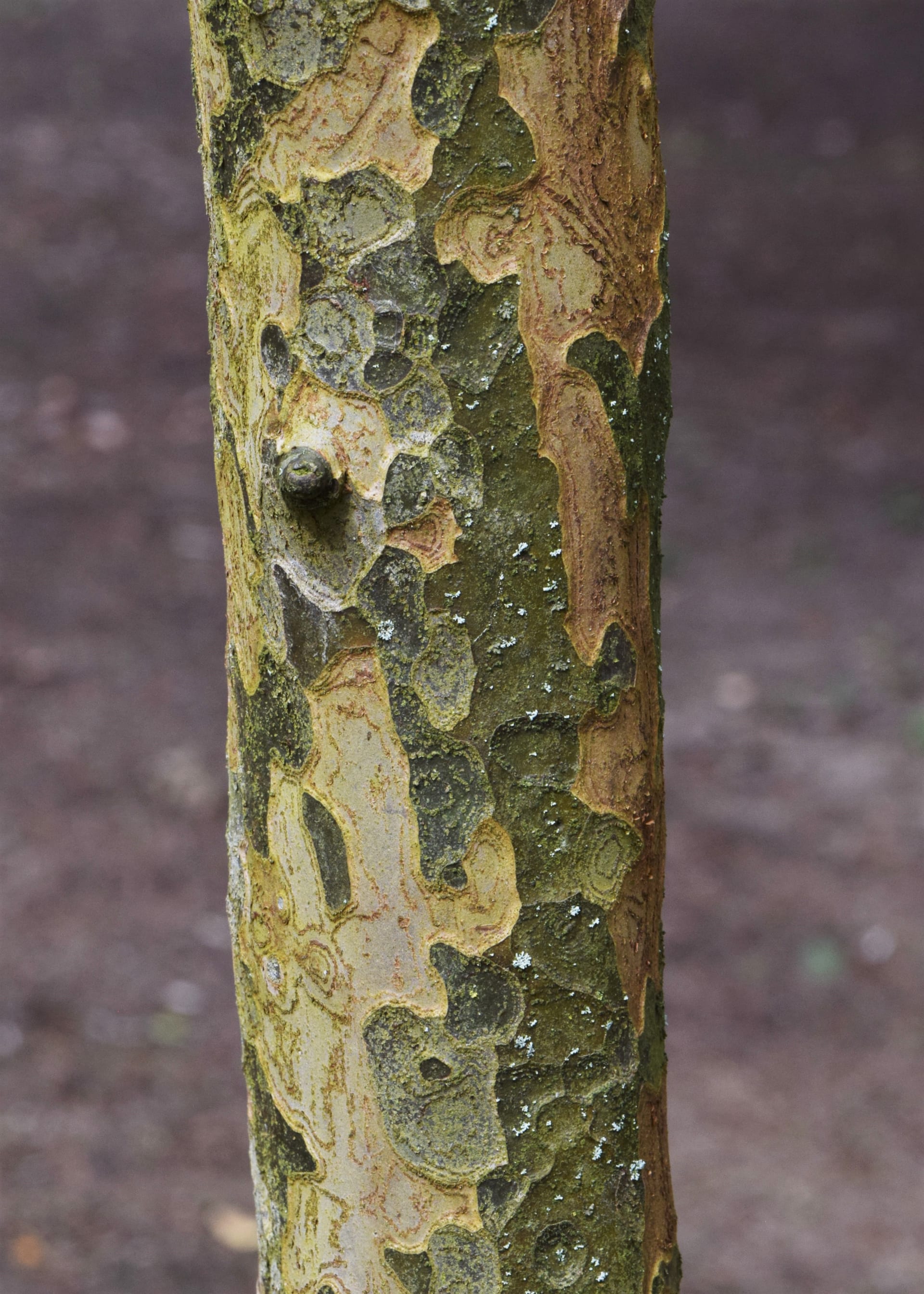
 © Krzysztof Ziarnek, Kenraiz / CC BY-SA 4.0
皺皮木瓜
Chinese quince (karin) is a deciduous tree native to China in the rose family, prized among fruiting bonsai for its dignified form and striking fruit. Its bark peels away in scale-like patches, leaving a mottled greenish-brown pattern that gives the trunk real character. Pale pink flowers appear in spring, followed in autumn by large yellow fruit 10 to 15 cm long, earning it the nickname "king of fruiting bonsai." In the wild it grows into a tree 5 to 10 meters tall, and as bonsai it is often trained into a medium-to-large form to keep it in proportion with its heavy fruit. Best suited to growers with some experience, it rewards patience with changing seasonal interest across bark, blossom, and fruit.
View 皺皮木瓜 encyclopedia →成交手續費 0%!2026年9月30日前註冊,前 2 株免佣金!
生產者 招募中!
在 GrowerDirect 上架,直接銷售給全國的客戶吧!
GrowerDirect承諾的 6 項透明性重點
盆景的出品中,生產者將明示以下資訊。確保樹種、產地、所需光照、栽培難度的透明度。
- 樹種明示
- 實物照片
- 色澤
- 產地明示
- 所需光照
- 難度明示
查看全部144個品種
盆景分類正在招募認證生產者
生產者正在陸續註冊,即將上架。設定上架通知,不錯過新商品。
「接收上架通知」需免費註冊會員即可設定。當有符合您儲存條件的新商品上架時,我們會以郵件和站內通知提醒您。
已註冊的生產者(搶先看)
皺皮木瓜的基本資料
- 栽培難度
- 適合中級者
- 壽命
- 壽命相關資料較少
- 體型
- 樹高5~10m(盆栽中常因果實比例而作成中型至大型)
- 澆水
- 肥料(4月下旬~7月和9~11月。8月停止)
- 日照與擺放位置
- 喜光,擺放在日照充足、通風良好的位置。僅夏季需避免西曬,移至半陰處。春季需防止晚霜傷害花朵和新芽,傍晚起進行保護
- 澆水
- 喜水。春季每天1~2次,夏季2~3次,冬季每2~3天一次為目安。開花至結實初期特別要避免乾旱,花朵不淋水
- 溫度與越冬
- 耐寒性強,冬季需避開寒風,保護盆土不結冰
- 介質與換盆
- 芽萌動前的2月左右(秋季也可)每1~2年換盆一次。根系生長旺盛,可大膽修剪整理根系
- 肥料
- 果實生長期的4月下旬~7月施重肥,8月停一次促進著色,9~11月施秋肥。注重磷肥
- 修剪與造型
- 新梢放任生長至6月中旬~7月上旬,然後在2~3節處短截,形成著花的短枝。枝條易折斷,完成樹不綁鐵線
- 病蟲害與注意事項
- 注意危害果實的蛀蟲、蚜蟲、介殼蟲和赤星病。雖然自花結實性高,但用其他株花粉授粉能提高結實率。勿結果過多
關於皺皮木瓜
Chinese quince is a Chinese deciduous tree in the rose family, known as the "king of fruiting bonsai" for its peeling, mottled bark and large yellow autumn fruit 10-15 cm long. Best suited to intermediate growers, it is typically trained into a medium-to-large form.
開始照料皺皮木瓜前需要了解的7件事
1Sun and Air Circulation
Chinese quince thrives with plenty of sunlight, so keep it outdoors in a bright, well-ventilated spot year-round. Strong afternoon sun in midsummer can scorch the leaves, so consider partial afternoon shade if your growing spot gets intense western sun.
2Watering Basics
During the growing season, water thoroughly once the soil surface has dried out. Summer heat dries the pot quickly, and letting it dry out while fruit is developing can cause fruit drop, so check soil moisture often.
3Well-Draining Soil
Chinese quince dislikes soggy roots, so use a well-draining mix based mainly on akadama soil. A standard bonsai potting mix works too, but make sure the pot drains well to help prevent root rot.
4When to Repot
Young trees grow roots quickly, so repot roughly every one to two years. The best time is early spring, before the flower buds begin to swell — trim the roots and move up to a slightly larger pot, or refresh the soil in the same one.
5Flower Buds and Pruning Timing
Chinese quince tends to set flower buds near the tips of the previous year's growth, so pruning at the wrong time can reduce next spring's flowers and fruit. Do any major shaping right after flowering through early summer, and avoid heavy cutting from autumn onward.
6Overwintering Care
As a deciduous tree, Chinese quince tolerates cold reasonably well, but potted trees are more prone to root damage from freezing than trees in the ground. During the coldest weeks, protect the roots by keeping the pot low to the ground or wrapping it in straw or garden fleece.
7Choosing a Young Tree
When selecting a tree to start with, look for one where the bark has already begun its characteristic scaly peeling near the base of the trunk, which lets you enjoy the classic texture sooner. A tree with a clear branch structure and not too many branches is also easier to train later.
皺皮木瓜的常見問題
- Q.Is Chinese quince the same as common quince?
- A.No, they are different plants. Chinese quince (karin) is native to China and has smooth-skinned fruit, while common quince (Cydonia oblonga) is a related but distinct species with fuzzy fruit skin.
- Q.Can you eat the fruit?
- A.The fruit is highly aromatic but too astringent to eat raw; it is more often used in fruit liqueurs or jam. If you are growing it as bonsai, it is best enjoyed mainly for its flowers and fruit display rather than as a food crop.
- Q.Is this a good tree for beginners?
- A.Chinese quince is generally considered better suited to intermediate growers, with a few things to watch such as soil drainage and pruning timing. It is easier to take on once you are comfortable with the basics of bonsai care.
- Q.Will it flower and fruit every year?
- A.With pruning at the right time and consistent watering, Chinese quince can flower and fruit reliably from year to year. That said, how much it blooms or fruits in a given year can vary with pruning timing and growing conditions.
- Q.How large does it grow?
- A.Left to grow naturally, Chinese quince reaches 5 to 10 meters tall, but as bonsai it is shaped to fit the pot. Because the fruit is large and heavy, it is often trained into a medium-to-large form to keep it in proportion.
皺皮木瓜栽培的實用工具
在圖鑑中詳細了解皺皮木瓜
查看皺皮木瓜的圖鑑條目 →
收錄栽培難度、尺寸、原產地、日照等基礎資料。