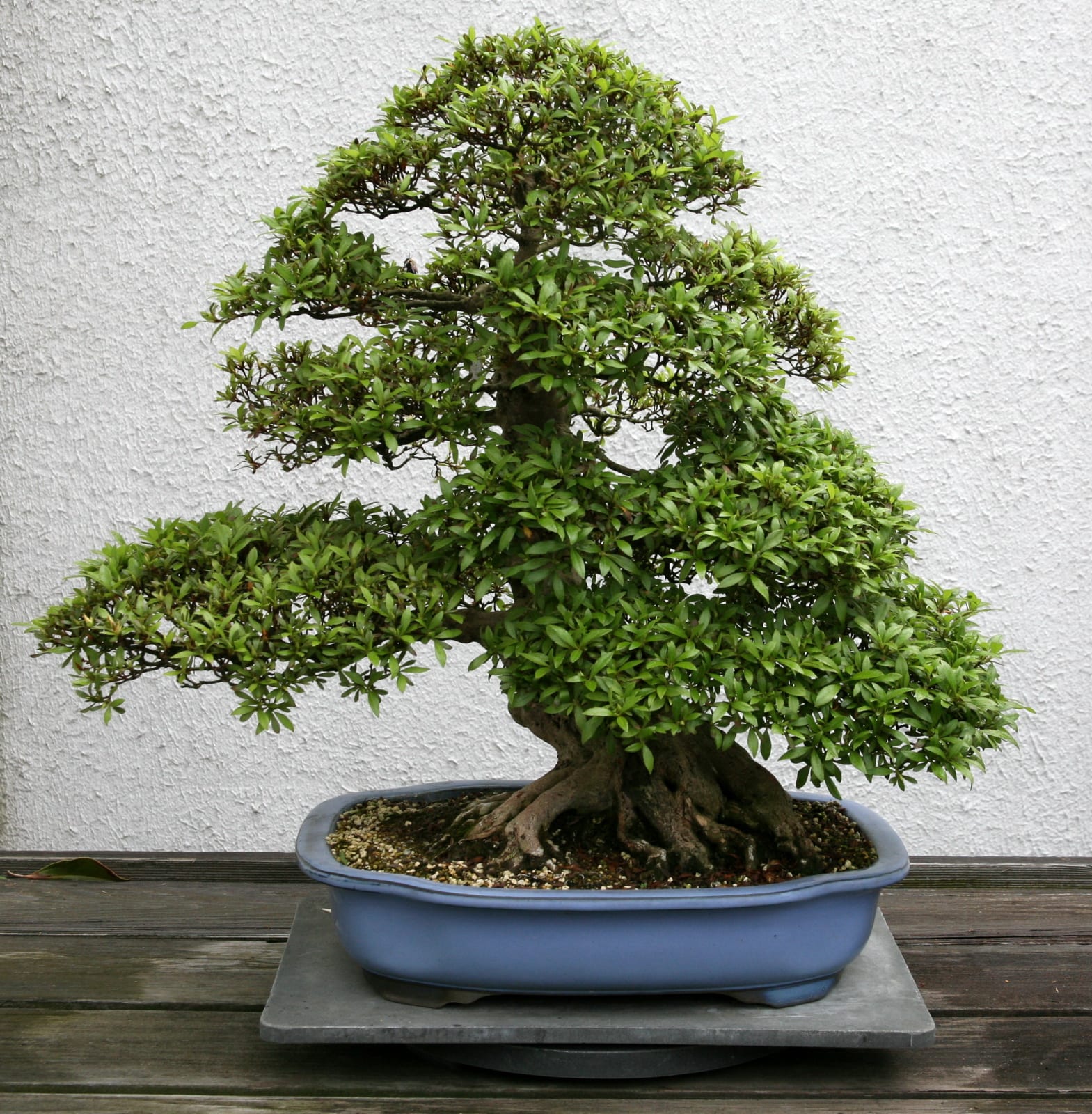
 © Cliff from Arlington, Virginia, USA / CC BY 2.0
晃山
Kozan is one of the classic satsuki azalea varieties that has been cultivated in Japan since before the Meiji era. Its exact lineage is unclear, but it has long been treasured by bonsai enthusiasts as a historic cultivar. The flowers are small, with soft brownish to pale pink tones that lend a quiet, refined charm. Its leaves are slightly narrow and elongated, and the tree branches and buds readily, making it easy to shape into an attractive silhouette. Thanks to its hardy, vigorous growth habit, Kozan is manageable to train and can be developed into bonsai ranging from small shohin sizes up to large specimens.
View 晃山 encyclopedia →成交手續費 0%!2026年9月30日前註冊,前 2 株免佣金!
生產者 招募中!
在 GrowerDirect 上架,直接銷售給全國的客戶吧!
GrowerDirect承諾的 6 項透明性重點
盆景的出品中,生產者將明示以下資訊。確保樹種、產地、所需光照、栽培難度的透明度。
- 樹種明示
- 實物照片
- 色澤
- 產地明示
- 所需光照
- 難度明示
查看全部144個品種
盆景分類正在招募認證生產者
生產者正在陸續註冊,即將上架。設定上架通知,不錯過新商品。
「接收上架通知」需免費註冊會員即可設定。當有符合您儲存條件的新商品上架時,我們會以郵件和站內通知提醒您。
已註冊的生產者(搶先看)
晃山的基本資料
- 栽培難度
- 適合中級者
- 壽命
- 作為品種的壽命資料稀少(多為銘木品種)
- 體型
- 盆栽可製作為小品〜大品
- 澆水
- 肥料(4月、花後6月、9〜10月)
- 日照與放置場所
- 喜歡日照,但夏日直射光會導致葉燒和根傷。幼樹應充分日曬,樹形維持階段則置於半陰處。確保通風
- 澆水
- 喜歡溼度但根細且怕過溼。春季每天1〜2次,夏季2〜3次,冬季2〜3天1次為目標。避免在高溫的白天澆水
- 溫度與越冬
- 有耐寒性但怕冬季寒風。在簷下等處保護,使盆土不結凍
- 用土與換盆
- 以鹿沼土為主的酸性粗質用土。換盆時間為花後立即進行(6月)或秋季(9月下旬〜10月上旬)。秋季換盆的株在冬季保護時需慎重
- 肥料
- 新芽固定的4月左右、花後6月、9〜10月每月1次固形肥料。肥料不足會導致枝條枯死
- 修剪與整姿
- 花芽在7〜8月中旬形成,故芽摘和修剪應在花後6月內(關東以西可至7月初)完成。鐵絲調整在4月和9〜10月進行
- 病蟲害與注意事項
- 該樹種特別容易染病蟲害。易遭受軍配蟲、蜘蛛蟎、蚜蟲、薊馬等危害,生長期需定期防治
關於晃山
Kozan is a classic satsuki azalea of unknown lineage, cultivated since before the Meiji era. It bears small brownish-pink flowers and grows vigorously, making it well suited to bonsai training in sizes from small to large.
開始照料晃山前需要了解的7件事
1Sunlight & Placement
Kozan enjoys good sunlight, but strong direct sun or afternoon western light in midsummer can scorch its leaves. Place it in full sun during spring and autumn, and move it to partial shade or use a shade cloth to soften the light during the hottest summer months.
2Watering Basics
Satsuki azaleas have fine roots that are sensitive to drying out, so the basic rule is to water thoroughly once the soil surface feels dry. Be especially careful not to let the soil dry out during summer, when flower buds are forming, and water during the cooler morning or evening hours.
3Choosing the Right Soil
Kozan, like other satsuki azaleas, prefers soil that balances water retention with good drainage. A mix based mainly on kanuma soil is commonly used, since soil that drains poorly or dries out too quickly can damage the roots.
4When to Repot
Because satsuki roots are delicate, repotting is generally done around the time new shoots begin to emerge after flowering. Repot roughly once every few years, taking care not to disturb the root ball too aggressively.
5Seasonal Care
Kozan branches and buds readily, so pruning and pinching after flowering make it easy to maintain its shape over time. In winter, keeping the tree sheltered from frost and cold winds helps reduce stress on the plant.
6What to Look for in a Tree
Kozan has been cultivated for generations, and some specimens have been trained into notable bonsai over many years. Look for a tree with densely growing branches and healthy budding out to the tips, which makes ongoing care easier.
7Flower Color & Blooming
Kozan's small flowers range from soft brownish to pale pink, giving them a subtle, refined appearance. The depth of color can vary somewhat from year to year on the same tree, which is part of its charm.
晃山的常見問題
- Q.Is Kozan a good choice for beginners?
- A.Kozan is generally considered suitable for intermediate growers who already understand the basics of satsuki azalea care. It has a hardy growth habit with good branching and budding, but the roots need attention to avoid drying out.
- Q.What does Kozan's flower color look like?
- A.Kozan produces small flowers in soft brownish to pale pink tones. They aren't flashy, but their understated, refined color has been valued by bonsai growers for generations.
- Q.How large can a Kozan bonsai be trained?
- A.Kozan can be trained into bonsai ranging from small shohin sizes up to large specimens. The pace of pruning and repotting can be adjusted depending on the size you're aiming for.
- Q.Where does the name Kozan come from?
- A.Kozan is an old cultivar that has been grown since before the Meiji era, but little detailed record survives about its exact lineage or the origin of its name. It remains one of the historic varieties long cherished in bonsai culture.
- Q.What are the leaves and branches of Kozan like?
- A.Kozan has slightly narrow, elongated leaves, and its branches take shape easily with good budding. This trait makes it easier to train and maintain an attractive silhouette as bonsai.
晃山栽培的實用工具
在圖鑑中詳細了解晃山
查看晃山的圖鑑條目 →
收錄栽培難度、尺寸、原產地、日照等基礎資料。