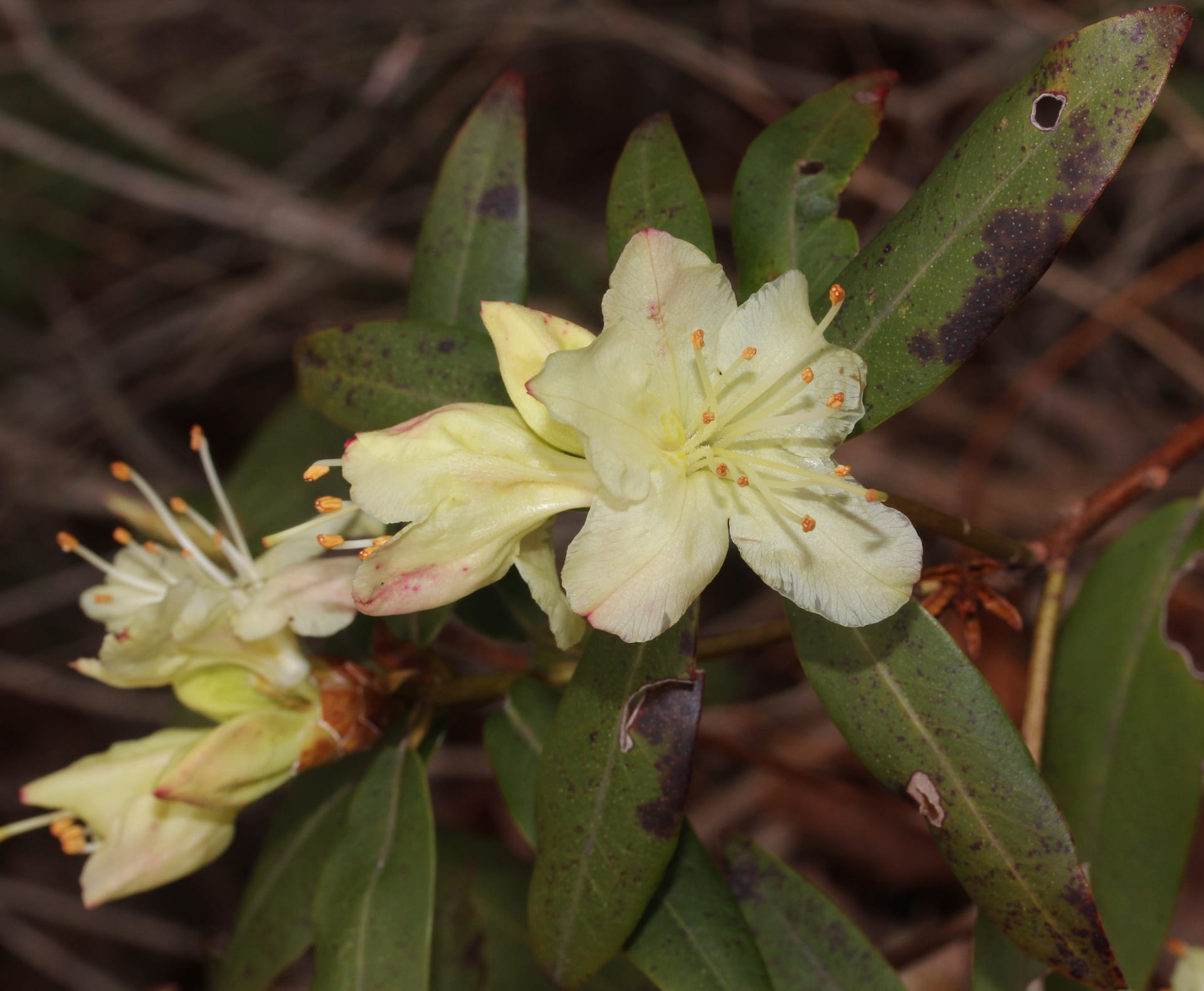
 © Alpsdake / CC BY-SA 4.0
髯毛杜鵑
Unlike most Japanese azaleas that bloom in red or pink, Hikage-tsutsuji (Keisk's rhododendron) is a rare native species that produces cream to pale yellow flowers in April and May. A small relative of rhododendrons, it grows naturally on rocky mountain slopes and along mountain streams across Japan. Because of its particular root habits and need for careful placement, it is considered a variety best suited to experienced growers. On Yakushima, a creeping dwarf form stays remarkably compact, reaching only about 30cm after a decade, which makes it a favorite for small bonsai and alpine-style plantings. Its subtle, pale blossoms and naturally weathered look give it a quiet character unlike other tsutsuji.
View 髯毛杜鵑 encyclopedia →成交手續費 0%!2026年9月30日前註冊,前 2 株免佣金!
生產者 招募中!
在 GrowerDirect 上架,直接銷售給全國的客戶吧!
GrowerDirect承諾的 6 項透明性重點
盆景的出品中,生產者將明示以下資訊。確保樹種、產地、所需光照、栽培難度的透明度。
- 樹種明示
- 實物照片
- 色澤
- 產地明示
- 所需光照
- 難度明示
查看全部144個品種
盆景分類正在招募認證生產者
生產者正在陸續註冊,即將上架。設定上架通知,不錯過新商品。
「接收上架通知」需免費註冊會員即可設定。當有符合您儲存條件的新商品上架時,我們會以郵件和站內通知提醒您。
已註冊的生產者(搶先看)
髯毛杜鵑的基本資料
- 栽培難度
- 適合高級者
- 壽命
- 樹齡資料稀少
- 體型
- 高度1-2公尺。屋久島的矮性變種約10年長至30公分左右
- 澆水
- 肥料(開花後和秋季適度施肥)
- 光照與擺放位置
- 既能在蔭處生長,亦能在日照處生長,但無法在完全蔭蔽環境中生存。避開夏季強烈西日的明亮半蔭環境較易管理
- 澆水
- 偏好濕潤環境,畏懼乾燥。表土開始乾燥時充分澆水,夏季需進行葉面噴水。乾燥時葉緣會向背面捲起
- 溫度與越冬
- 基本種耐寒至約-18℃(0°F),屋久島矮性變種耐寒至約-23℃(-10°F)。夏季高溫和乾燥環境反而更為棘手
- 介質與換盆
- 如同杜鵑類般,使用鹿沼土等酸性、排水良好且透氣性佳的介質。換盆於開花後進行
- 肥料
- 生長緩慢,肥料應適度控制。於開花後和秋季少量施肥
- 修剪與造型
- 修剪於開花後立即進行。因生長緩慢,無需頻繁修剪,應保留自然的叢生姿態
- 病蟲害與注意事項
- 變種背白髯毛杜鵑(葉背呈灰白色)為國內稀有野生動植物種,禁止買賣。無法區別的株不應販售。因為是野生種,應選擇栽培品而非山採品
關於髯毛杜鵑
Hikage-tsutsuji is a Japan-native dwarf rhododendron with cream to pale yellow blooms, best suited to experienced growers; its Yakushima dwarf form is popular as bonsai and an alpine planting.
開始照料髯毛杜鵑前需要了解的7件事
1Light Shade and Airflow
In the wild it grows on rocky mountain slopes and along streams, so it prefers bright partial shade rather than direct sun, along with good air circulation. Strong afternoon sun in summer can scorch the leaves, so shading or careful placement is important.
2Keep It From Drying Out
Hikage-tsutsuji likes steady moisture and does poorly when it dries out. Water thoroughly as soon as the soil surface starts to dry, and mist the leaves as well in summer. If the leaf edges begin to curl under, the plant is too dry, so treat that as a warning sign.
3Well-Draining Mix
Given its rocky, streamside origins, a well-draining, well-aerated potting mix suits this plant best. Acidic soil blends made for azaleas and rhododendrons, often centered on kanuma soil, are commonly used.
4Handle Roots Gently
The fine root system is sensitive to drying out and damage, so repotting is best done without heavily disturbing the root ball, timed for after flowering finishes. Repotting too frequently can stress the plant.
5Watch Summer Sun
After flowering finishes in April and May, keep an eye on strong summer sun and dryness. Some winter cold exposure mirrors its natural habitat, but potted plants need protection to keep the roots from freezing.
6Standard vs Dwarf Form
The standard type can grow to a height of 1 to 2m, while the Yakushima-derived dwarf form grows much more slowly, reaching only about 30cm after ten years. It is worth checking which type you are choosing based on the shape and space you have in mind.
7Choosing a Plant and a Legal Caution
A variety with grayish-white leaf undersides, Rhododendron keiskei var. hypoglaucum (Urajiro-hikage-tsutsuji), is designated a Nationally Rare Species under Japan's Act on Conservation of Endangered Species, and selling, transferring, or displaying or advertising it for sale is in principle prohibited. Do not list or buy plants with grayish-white leaf undersides, or any plant you cannot tell apart from that variety. Never collect plants from the wild; choose nursery-grown stock. Because it is fairly demanding to grow, it suits people who already have experience with azaleas and rhododendrons.
髯毛杜鵑的常見問題
- Q.Can beginners grow Hikage-tsutsuji successfully?
- A.Hikage-tsutsuji is generally regarded as a challenging plant, requiring careful attention to placement, watering, and root care. It is best approached after gaining some experience growing azaleas or rhododendrons.
- Q.When does it bloom and what color are the flowers?
- A.It blooms from April to May, producing flowers in shades from cream to pale yellow. This is unusual among tsutsuji, most of which bloom in red or pink tones.
- Q.What is the difference between the Yakushima dwarf form and the standard type?
- A.The standard type grows to a height of 1 to 2m, while the Yakushima dwarf form has a creeping habit and grows much more slowly, reaching only about 30cm after ten years. The dwarf form suits those who want a small bonsai or alpine-style planting.
- Q.What kind of location suits this plant best?
- A.A spot with bright partial shade and good air circulation, similar to its native rocky mountain and streamside habitat, suits it best. Strong direct summer sun should be avoided, as it can scorch the leaves.
- Q.What should I be careful about when repotting?
- A.Because the fine roots are sensitive to drying out and damage, repotting should be done without heavily disturbing the root ball. It is best done in the calmer period after flowering, and frequent repotting should be avoided.
髯毛杜鵑栽培的實用工具
在圖鑑中詳細了解髯毛杜鵑
查看髯毛杜鵑的圖鑑條目 →
收錄栽培難度、尺寸、原產地、日照等基礎資料。