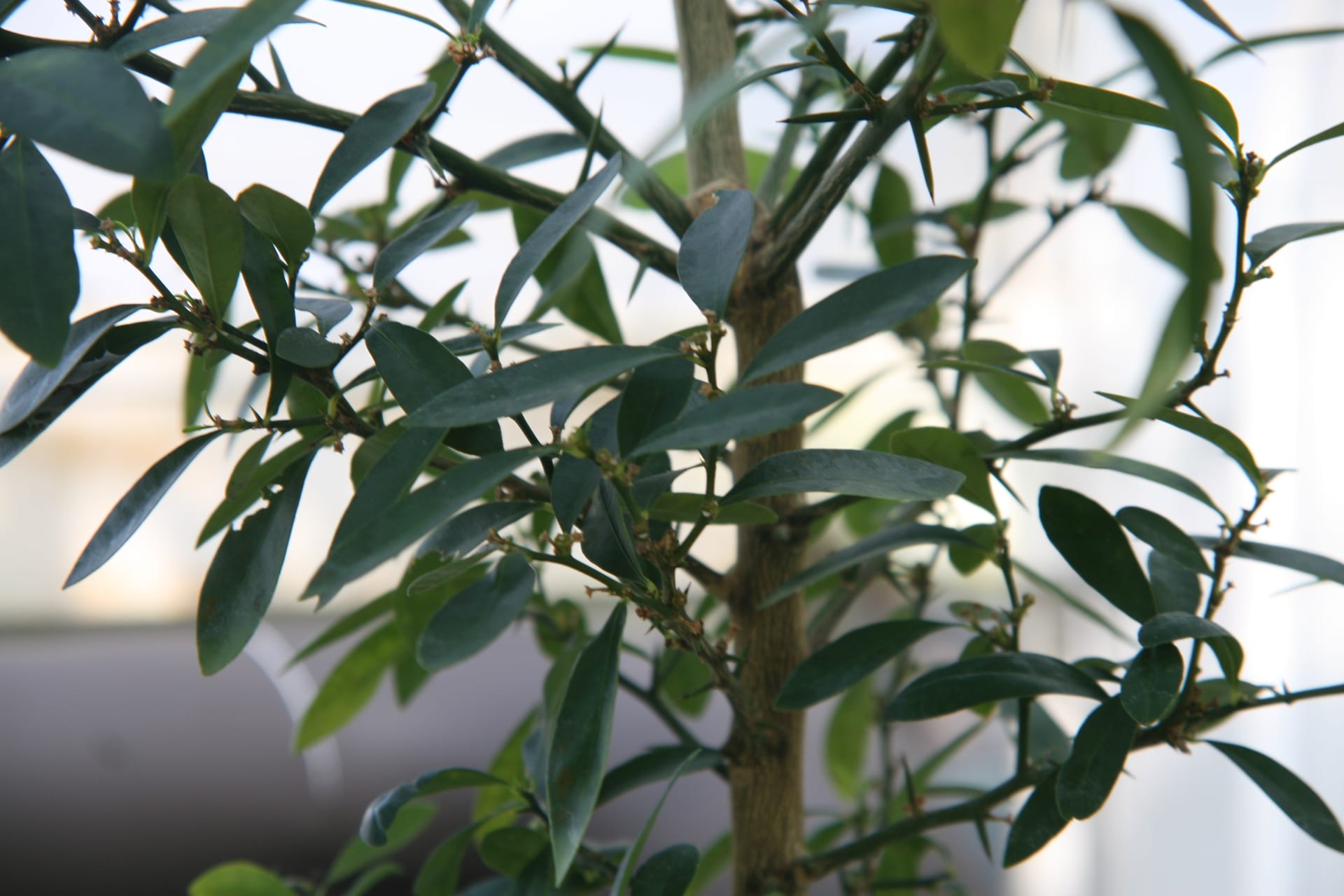
 © David J. Stang / CC BY-SA 4.0
香港金柑
The Hong Kong kumquat is a compact citrus relative native to southern China, including Hong Kong. Its branches fill with tiny orange fruit, each about a centimeter across, giving the tree a charming, miniature-orange-tree look through the winter months. The fruit has very little flesh and isn't meant for eating, but the sight of a small evergreen shrub loaded with color makes it a favorite among fruiting bonsai. It's usually trained into mini to small bonsai sizes, keeping a compact, well-balanced shape in the pot. Because it calls for some grounding in basic bonsai care, it's generally considered better suited to intermediate growers, yet its reliable fruiting and playful silhouette make it a cheerful addition to any winter bonsai collection.
View 香港金柑 encyclopedia →成交手續費 0%!2026年9月30日前註冊,前 2 株免佣金!
生產者 招募中!
在 GrowerDirect 上架,直接銷售給全國的客戶吧!
GrowerDirect承諾的 6 項透明性重點
盆景的出品中,生產者將明示以下資訊。確保樹種、產地、所需光照、栽培難度的透明度。
- 樹種明示
- 實物照片
- 色澤
- 產地明示
- 所需光照
- 難度明示
查看全部144個品種
盆景分類正在招募認證生產者
生產者正在陸續註冊,即將上架。設定上架通知,不錯過新商品。
「接收上架通知」需免費註冊會員即可設定。當有符合您儲存條件的新商品上架時,我們會以郵件和站內通知提醒您。
已註冊的生產者(搶先看)
香港金柑的基本資料
- 栽培難度
- 適合中級者
- 壽命
- 樹齡資料很少
- 體型
- 小型常綠灌木(盆栽為迷你~小型)
- 澆水
- 肥料(5~10月,除梅雨季節外持續施肥)
- 日照・擺放位置
- 喜陽光充足。春至秋季放在日照良好、通風良好的地方。長雨季節應放在不被雨淋的棚下
- 澆水
- 非常喜水,稍微缺水就會衰弱。春季每天1~2次,夏季3~4次,冬季每天1次,在土壤還有濕潤感時澆水為目安
- 溫度・越冬
- 耐寒性弱的溫暖地帶性樹種。只要不受霜凍和乾風侵襲,可在簷下越冬,小株應提早保護。越冬延遲會導致春季萌芽也延遲
- 土壤・換盆
- 前提是土壤排水良好。不喜歡移植,換盆應在溫暖的5~6月進行,根不要修剪過度
- 肥料
- 喜肥料,缺肥時葉片會變黃。除梅雨季節外,5~10月應持續施肥,開花・結實期間也應繼續施肥
- 修剪・整型
- 摘芽・按芽在5月中旬~9月中旬進行,本格修剪和綁扎在溫暖季節(5月下旬~9月)進行。果實應在觀賞後儘早摘除,成形樹結實應隔年為宜
- 病害蟲・注意事項
- 梅雨前後易發黑星病、潰瘍病等,預防的基本是避免淋雨。另外要注意鳳蝶幼蟲和潛葉蛾
關於香港金柑
A compact kumquat relative native to southern China, including Hong Kong, whose branches fill each winter with small orange fruit for a miniature-orange-tree look. An intermediate-level evergreen shrub typically trained as a mini to small bonsai.
開始照料香港金柑前需要了解的7件事
1Light and Airflow
Hong Kong kumquat likes plenty of light, so it's best kept outdoors in a sunny spot. Poor airflow around crowded pots invites pests and disease, so give each tree some breathing room. Strong afternoon summer sun can scorch the leaves, so consider shading or repositioning it during the hottest months.
2Never Let It Dry Out
Hong Kong kumquat loves water and weakens after even a brief dry spell. Water again while the soil is still slightly moist; as a guide, that means once or twice a day in spring, three to four times a day in summer, and once a day in winter. Running dry while fruit is forming can cause fruit drop, so be especially careful then.
3Well-Draining Soil
Hong Kong kumquat prefers soil that drains well and lets air reach the roots. A commercial bonsai soil mix, or one based mainly on akadama, is easy to manage. Since compacted, poorly draining soil can hold back root growth, refreshing it every few years through repotting matters too.
4Repot Once It Warms Up
Hong Kong kumquat is a warm-climate tree that dislikes being transplanted, so repot in May or June once the weather has warmed, and avoid cutting back the roots too much. Leaving it root-bound for too long can affect growth and fruiting, so check the root ball every few years. After repotting, keep the tree out of direct sun for a while until the roots settle back in.
5Flowering and Fruiting
Hong Kong kumquat produces small white flowers from early to midsummer, and fruit develops afterward. How carefully you manage watering and feeding during this fruit-development stage has a direct effect on how well the fruit sets. By winter, the branches fill with bright orange fruit, which is when the tree looks its best.
6Winter Care
Winter, when the fruit looks its best, calls for attention to both cold and dryness. It can be grown outdoors, but in colder areas it helps to move it somewhere sheltered from frost and harsh wind, such as under eaves. Misting the leaves during dry spells also helps keep humidity up.
7Choosing a Good Tree
When choosing a Hong Kong kumquat, look for glossy, healthy-colored leaves and a well-balanced branch structure, since these are easier to care for going forward. If you're choosing one during fruiting season, it's also worth checking how evenly the fruit is set and colored. As a small evergreen shrub, it also comes in a range of mini to small bonsai forms to suit your taste.
香港金柑的常見問題
- Q.Can you eat the fruit of a Hong Kong kumquat?
- A.The flesh is thin and quite sour or bitter, so it isn't really suited for eating fresh. It's mainly grown and enjoyed as an ornamental fruiting bonsai, admired for its colorful fruit rather than eaten.
- Q.Is this a good choice for beginners?
- A.Hong Kong kumquat is generally considered better suited to intermediate growers, since it calls for some understanding of watering, soil, and seasonal care. It's a good next step for someone building on basic bonsai experience.
- Q.When is the fruit at its best?
- A.White flowers bloom from early to midsummer, and the fruit develops afterward. By winter it turns bright orange and covers the branches, which is the best time to enjoy it.
- Q.Should it be kept outdoors or indoors?
- A.Hong Kong kumquat likes plenty of light, so it's generally best kept outdoors. In areas with harsh winter cold, moving it somewhere sheltered from frost and wind, such as under eaves, helps it get through the season.
- Q.How large does it grow?
- A.Hong Kong kumquat is a small evergreen shrub, and as bonsai it's most often trained into mini to small sizes. You can enjoy its compact, well-proportioned shape right in the pot.
香港金柑栽培的實用工具
在圖鑑中詳細了解香港金柑
查看香港金柑的圖鑑條目 →
收錄栽培難度、尺寸、原產地、日照等基礎資料。