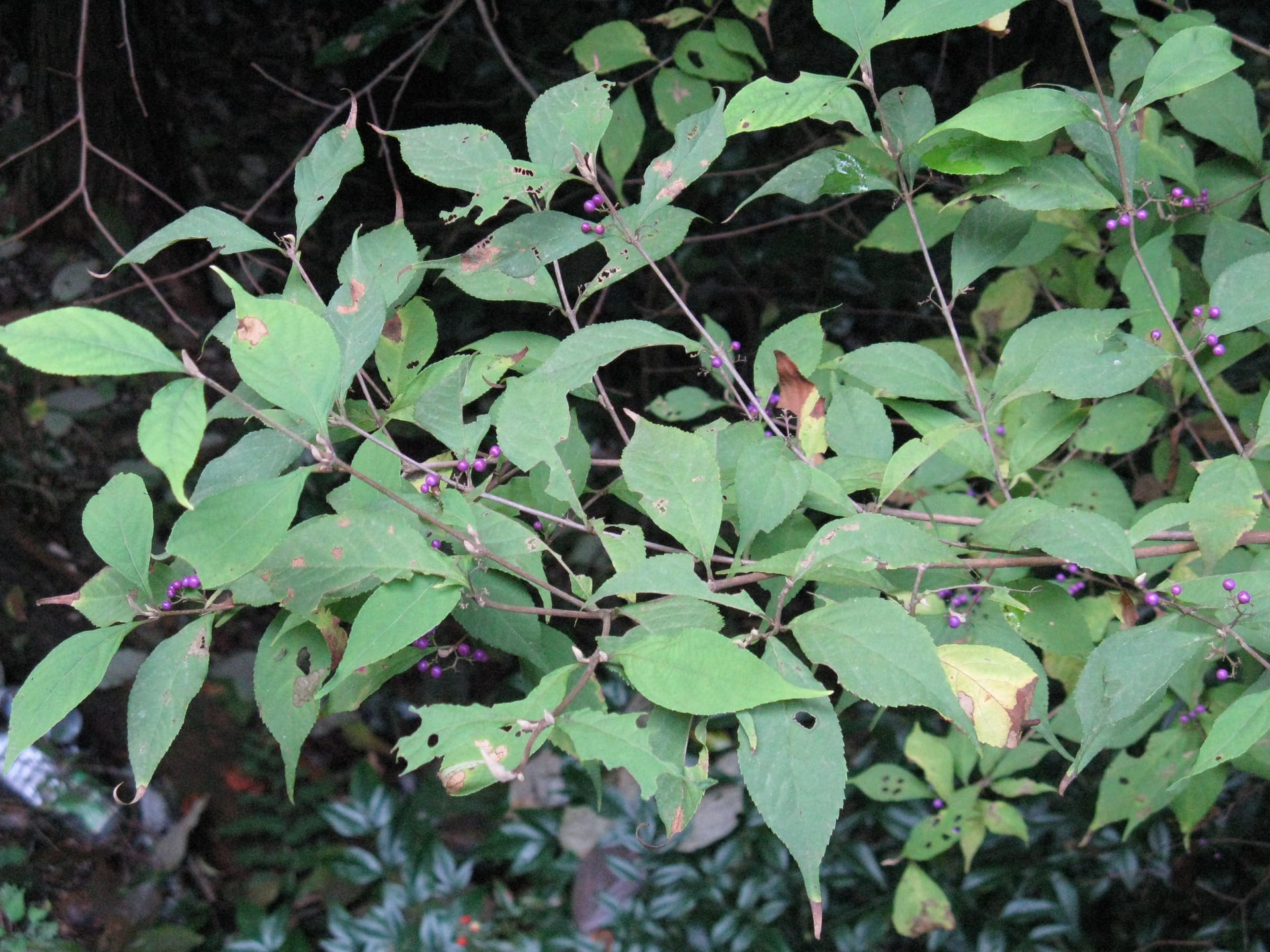
 © KENPEI / CC BY-SA 3.0
紫珠
Japanese beautyberry (Murasaki Shikibu) is a deciduous shrub native to woodlands across Japan, prized for the clusters of tiny purple berries, each about 3mm across, that cover its branches in autumn. Because the berries stay on the branches even after the leaves drop, bonsai growers get to enjoy their striking color through the bare winter months. Left untrained, the shrub can reach 2 to 5 meters, but growing it as bonsai in a pot keeps it compact and manageable. It is considered beginner-friendly, rewarding growers who stay consistent with placement and watering. One thing to note: plants sold as Murasaki Shikibu are often actually the closely related Callicarpa dichotoma, which tends to bear even denser clusters of berries, so it is worth checking the label before you buy.
View 紫珠 encyclopedia →成交手續費 0%!2026年9月30日前註冊,前 2 株免佣金!
生產者 招募中!
在 GrowerDirect 上架,直接銷售給全國的客戶吧!
GrowerDirect承諾的 6 項透明性重點
盆景的出品中,生產者將明示以下資訊。確保樹種、產地、所需光照、栽培難度的透明度。
- 樹種明示
- 實物照片
- 色澤
- 產地明示
- 所需光照
- 難度明示
查看全部144個品種
盆景分類正在招募認證生產者
生產者正在陸續註冊,即將上架。設定上架通知,不錯過新商品。
「接收上架通知」需免費註冊會員即可設定。當有符合您儲存條件的新商品上架時,我們會以郵件和站內通知提醒您。
已註冊的生產者(搶先看)
紫珠的基本資料
- 栽培難度
- 適合新手
- 壽命
- 壽命資料較少
- 體型
- 樹高2-5公尺(庭院栽培通常可達3公尺左右)
- 澆水
- 肥料(4月下旬至6月少量施肥,9-10月稍多施肥)
- 日照和擺放位置
- 放置於明亮、通風良好的地點。半陰環境也能生長。由於葉片較薄,夏季容易曬傷,梅雨過後需提供遮陰
- 澆水
- 吸水性強,易乾燥。春秋季每天澆水2次,夏季2-3次,冬季1次為目安。過度乾燥至落葉時容易發生枝條乾枯。避免直接澆灑花朵
- 溫度和越冬
- 耐高溫和低溫。冬季應在冷房等処管理,防止盆土結凍
- 培養土和換盆
- 容易根系擁擠,應在萌芽前(2月下旬至3月)每1-2年換盆1次。修剪根系時以去除舊根的1/3至1/2為目安
- 肥料
- 施肥過量易導致枝條徒長,應適度控制。春季(4月下旬至6月)少量多次施肥,秋肥(9-10月)可稍多於春季。宜選用含磷量較高的開花結果型肥料
- 修剪和造型
- 易於扦插和空中壓條繁殖,枝條直伸,應在幼齡時進行造型。葉片生長茂密後,需進行疏葉以確保通風
- 病蟲害和注意事項
- 注意蚜蟲、紅蜘蛛、捲葉蛾和白粉病危害。市面上以「紫珠」名義販售的大多數為近似種小葉紫珠。由於是自生種,應購置栽培品而非野採品種
關於紫珠
A beginner's guide to Japanese beautyberry bonsai: sunlight, watering, soil, repotting timing, the late-autumn berry display, and how to tell it apart from the related Callicarpa dichotoma.
開始照料紫珠前需要了解的7件事
1Sunlight and Airflow
Japanese beautyberry prefers a sunny spot, but intense midsummer sun can scorch its leaves. Keep it outdoors with good air circulation, and move it to partial shade during the hottest weeks to protect the leaves and berries.
2Water Thoroughly When Dry
Water thoroughly once the soil surface has dried out. The plant dries out faster in summer while the berries are developing, so don't let it go too long between waterings, but avoid leaving standing water in the saucer, which can cause root rot.
3Soil: Prioritize Drainage
Use a well-draining bonsai soil mix that still retains some moisture, such as akadama with a bit of leaf mold. Avoiding both waterlogging and excessive dryness helps the plant set berries reliably.
4Repot During Dormancy
Repot during the dormant season after the leaves have fallen. Since roots fill the pot fairly quickly, repotting every one to two years while removing old soil helps prevent root-bound growth and keeps the plant healthy.
5Shape Branches While Young
Japanese beautyberry branches tend to grow straight, so if you want movement in the design, shape them while they are still young. Once the foliage fills in, thin out some leaves to keep air moving, which also helps prevent stuffiness, pests, and disease.
6Berries Persist After Leaf Drop
The berries stay on the bare branches after the leaves drop, making late autumn through winter the prime season to enjoy it as a fruiting bonsai. Birds may eat the berries, so consider where you place the pot if you want the display to last.
7Watch for Callicarpa dichotoma
Plants labeled Murasaki Shikibu at nurseries are often actually Callicarpa dichotoma, a closely related species that tends to bear even denser clusters of berries. Both are attractive for bonsai, so it's worth checking the label or asking the seller so you know what you're getting.
紫珠的常見問題
- Q.Can beginners grow Japanese beautyberry as bonsai?
- A.Yes, it's generally considered a beginner-friendly species. As long as you get the basics of sunlight and watering right, it doesn't require advanced techniques to manage.
- Q.How large does it grow?
- A.Planted in the ground, it can reach a height of about 2 to 5 meters, though in garden settings it often stays around 3 meters. Grown as bonsai in a pot, pruning and repotting keep it much smaller.
- Q.What color and size are the berries?
- A.In autumn, the branches fill with small purple berries about 3mm in diameter. They remain on the branches even after the leaves fall, so you can enjoy them through late autumn and into winter.
- Q.What's the difference between Murasaki Shikibu and Callicarpa dichotoma?
- A.They're closely related species with similarly colored purple berries, and plants sold as Murasaki Shikibu often turn out to be Callicarpa dichotoma. That species tends to bear denser clusters of berries, so it's worth checking the label or asking the seller.
- Q.How long does it typically live?
- A.There isn't much documented data on the lifespan of Japanese beautyberry. Keeping up with basic care, such as regular watering and periodic repotting, is the main way to help it thrive over the long term.
紫珠栽培的實用工具
在圖鑑中詳細了解紫珠
查看紫珠的圖鑑條目 →
收錄栽培難度、尺寸、原產地、日照等基礎資料。