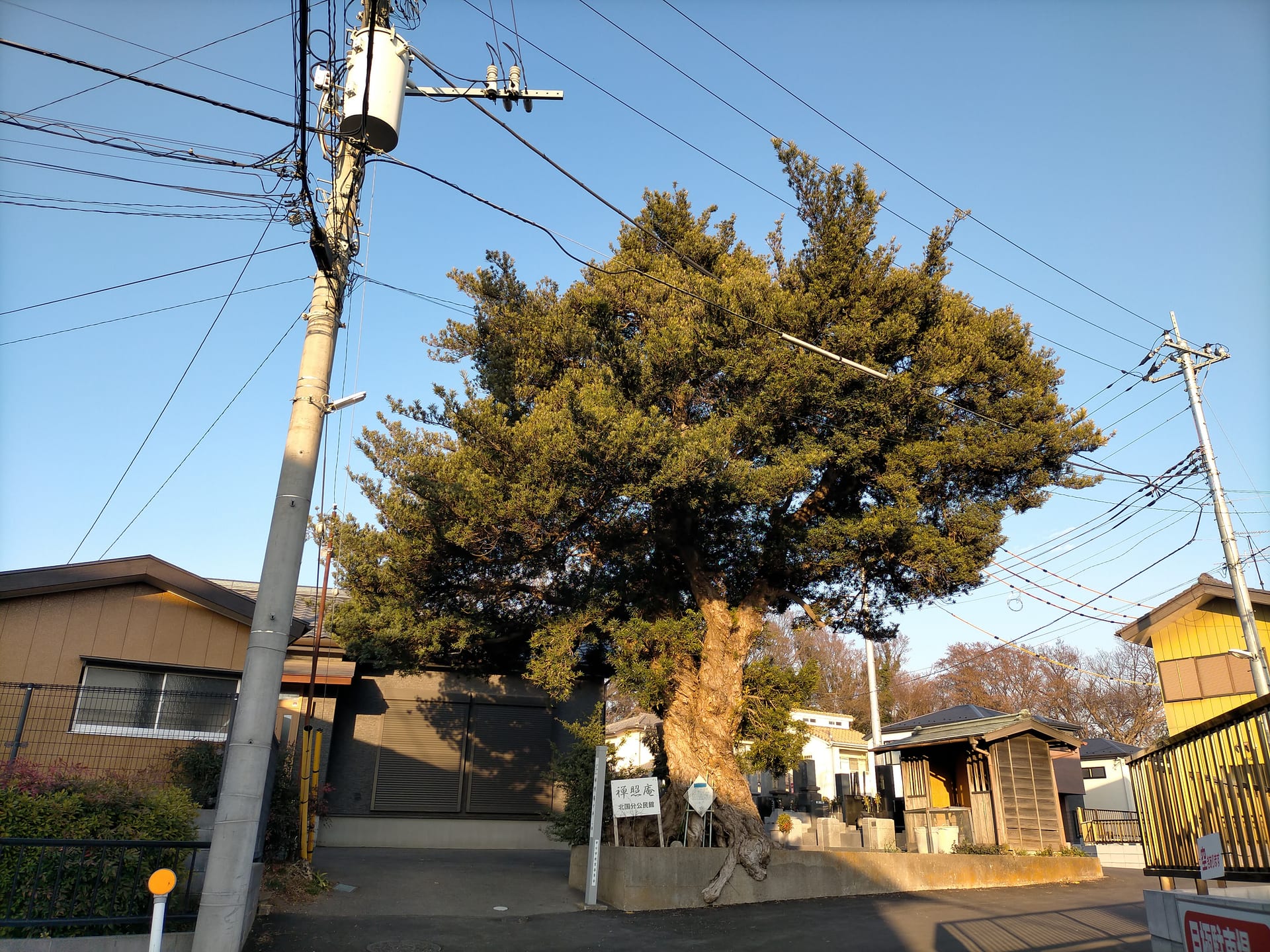
 © 四葉亭四迷 / CC0
羅漢松
Buddhist pine, or rakanmaki, is a compact-leaved variety of Podocarpus macrophyllus long valued as a garden and hedge tree in Japan. Its needles are shorter and denser than those of the standard species, so regular trimming quickly produces a tight, refined silhouette — one reason it's a classic choice for pine-and-cypress-style bonsai. As an evergreen conifer, it holds its foliage year-round and brings a substantial presence to both garden beds and containers. Growth is relatively slow and the tree tolerates pruning well, making it well suited to the patient work of shaping bonsai branches over time. Because it calls for some cultivation experience, it's generally considered a tree for intermediate growers rather than absolute beginners.
View 羅漢松 encyclopedia →成交手續費 0%!2026年9月30日前註冊,前 2 株免佣金!
生產者 招募中!
在 GrowerDirect 上架,直接銷售給全國的客戶吧!
GrowerDirect承諾的 6 項透明性重點
盆景的出品中,生產者將明示以下資訊。確保樹種、產地、所需光照、栽培難度的透明度。
- 樹種明示
- 實物照片
- 色澤
- 產地明示
- 所需光照
- 難度明示
查看全部144個品種
盆景分類正在招募認證生產者
生產者正在陸續註冊,即將上架。設定上架通知,不錯過新商品。
「接收上架通知」需免費註冊會員即可設定。當有符合您儲存條件的新商品上架時,我們會以郵件和站內通知提醒您。
已註冊的生產者(搶先看)
羅漢松的基本資料
- 栽培難度
- 適合中級者
- 壽命
- 關於壽命的資料很少
- 體型
- 樹高4~10公尺(多數為5公尺以下)
- 澆水
- 肥料(盆栽相關資料很少)
- 日照和放置位置
- 幼苗在陽光充足的地方生長。成樹也能在陰處生長
- 澆水
- 喜歡濕度高的環境,生長較好。不要過乾
- 溫度和越冬
- 對寒冷稍微敏感,只能在東北地方南部以南種植。特別厭惡冬季乾燥的風,冬季要避風
- 土壤和移植
- 喜歡重質土,但也能適應沙質或粘質土
- 修剪和整形
- 修剪能力相當強。生長緩慢,因此需要長年培養才能塑形
- 病蟲害和注意事項
- 對病蟲害抵抗力強,但樹勢衰退時會出現捲葉蟲、介殼蟲、蚜蟲等。因為容易與羅漢松混淆,應通過葉片寬度(4~6毫米)確認
關於羅漢松
A guide to rakanmaki (Buddhist pine), a fine-leaved Podocarpus variety prized for bonsai. Covers placement, watering, soil, repotting, and common questions for growers.
開始照料羅漢松前需要了解的7件事
1Light and Airflow
Rakanmaki thrives with plenty of sunlight, but intense midsummer sun combined with dry wind can scorch the foliage. Keep it in a bright outdoor spot and provide light shade or a shade cloth during the hottest weeks. Moving it somewhere sheltered from cold wind in winter also helps prevent damage.
2Watering Basics
Water thoroughly once the soil surface dries out, letting water run freely from the drainage holes rather than leaving it to sit in a saucer. Like other Podocarpus, rakanmaki dislikes both waterlogging and extreme dryness. In summer this often means watering once or twice a day, while winter calls for less frequent watering based on how quickly the soil dries.
3Well-Draining Soil
Good drainage and airflow at the roots are essential to avoid root rot. A bonsai mix built mainly from akadama with additions like kiryu sand or pumice is commonly used. Avoid soils made up of overly fine particles, since they compact and drain poorly.
4When to Repot
Because growth is slow, repotting every two to three years is generally enough, once the roots have filled the pot. Early spring, just as growth resumes, is the best time — loosen the root ball, remove some old soil, and replant in the same pot or one size up. Avoid repotting during the height of summer or winter, when it puts more stress on the tree.
5Pruning to Shape the Tree
Rakanmaki tolerates pruning well and buds back readily, making it an enjoyable tree to shape over time. Thinning out overgrown branches and crowded foliage improves airflow and keeps the whole plant healthier. Do heavier pruning during the growing season, and avoid major cutbacks while the tree is dormant, so it can recover smoothly.
6Overwintering Care
Rakanmaki is somewhat sensitive to cold; in Japan it is planted outdoors only from southern Tohoku southward. It particularly dislikes dry winter wind, so in winter keep it somewhere sheltered from cold wind, such as under the eaves. Prolonged exposure to hard frost or dry wind can damage the foliage.
7Choosing a Healthy Tree
Look for dense, deep-green foliage and a trunk without major imbalance in its branch structure, since this makes later care and shaping easier. Check that the bark is free of damage and that the roots have established well in the pot. If you're unsure about styling direction, starting with a tree whose branches are already somewhat organized tends to be easier to work with.
羅漢松的常見問題
- Q.Can beginners grow rakanmaki successfully?
- A.Rakanmaki is generally considered better suited to growers with some experience in watering and placement. That said, if you follow the basics carefully, it's still an approachable choice for someone trying bonsai for the first time.
- Q.What's the difference between inumaki and rakanmaki?
- A.Rakanmaki is a variety of Podocarpus macrophyllus (inumaki) with shorter, narrower needles that grow more densely. This makes it easier to shape into a tight, refined silhouette when trimmed, which is why it's used both as a garden tree and for pine-and-cypress-style bonsai.
- Q.How big does rakanmaki grow?
- A.Planted in the ground, it can reach roughly 4 to 10 meters in height, though most trees stay under 5 meters in practice. Grown in a pot or trained as bonsai, regular pruning keeps it to a much smaller, manageable size.
- Q.How often does rakanmaki need repotting?
- A.Since it grows slowly, repotting roughly every two to three years — once the roots have filled the pot — is usually enough. Early spring, as new growth begins, is the best timing.
- Q.How long does rakanmaki live?
- A.There isn't much detailed data available on rakanmaki's lifespan. Since specimens are known to be kept as pine-and-cypress-style bonsai for many years, with attentive care it appears to be a tree that can be enjoyed over a long period.
羅漢松栽培的實用工具
在圖鑑中詳細了解羅漢松
查看羅漢松的圖鑑條目 →
收錄栽培難度、尺寸、原產地、日照等基礎資料。