 © Sailko / CC BY-SA 4.0
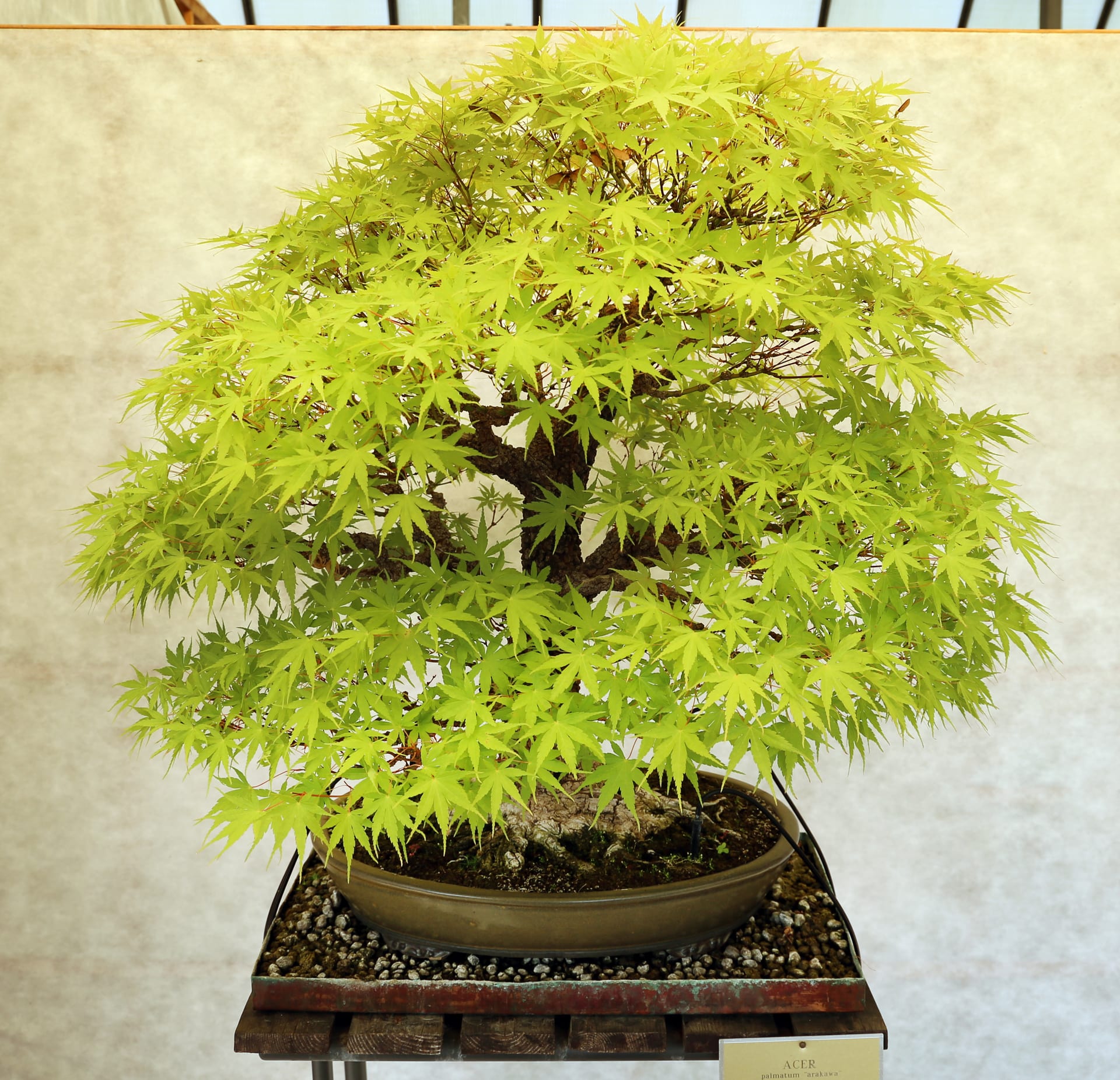
粗皮槭 'Arakawa'
Arakawa is a Japanese maple prized for its rough-bark character: even young trees develop a coarse, craggy trunk texture that gives them the presence of a much older tree. Unlike ordinary maples, which keep smooth bark as they age, Arakawa's trunk is instantly recognizable at a glance. This makes it possible to create a bonsai with an aged, weathered look using relatively young material. Considered suitable for intermediate growers, Arakawa rewards those who enjoy watching the bark's texture evolve alongside the tree's shape over time. It's a distinctive choice for anyone drawn to maple bonsai with real character.
View 粗皮槭 'Arakawa' encyclopedia →成交手續費 0%!2026年9月30日前註冊,前 2 株免佣金!
生產者 招募中!
在 GrowerDirect 上架,直接銷售給全國的客戶吧!
GrowerDirect承諾的 6 項透明性重點
盆景的出品中,生產者將明示以下資訊。確保樹種、產地、所需光照、栽培難度的透明度。
- 樹種明示
- 實物照片
- 色澤
- 產地明示
- 所需光照
- 難度明示
查看全部144個品種
盆景分類正在招募認證生產者
生產者正在陸續註冊,即將上架。設定上架通知,不錯過新商品。
「接收上架通知」需免費註冊會員即可設定。當有符合您儲存條件的新商品上架時,我們會以郵件和站內通知提醒您。
已註冊的生產者(搶先看)
粗皮槭 'Arakawa'的基本資料
- 栽培難度
- 適合中級者
- 壽命
- 作為品種的壽命資料較少
- 體型
- 盆栽中從小品到大品都有流通(成樹尺寸的資料較少)
- 澆水
- 肥料(春季和秋季)
- 光照與放置位置
- 光照充足、通風良好的地方。忌諱西曬,因此從梅雨結束至9月上旬應設置50〜70%左右的遮光以防止葉灼傷。
- 澆水
- 展葉後乾得很快。春季每天澆2次,夏季2〜3次,冬季1〜2天澆1次為目安,澆在株根部。夏季缺水會影響秋葉著色。
- 溫度・越冬
- 耐寒性強(羽毛槭屬美國農業部植物抗寒分區5)。落葉後經過2〜3次霜凍後,需避免乾燥的風和晚霜進行保護。
- 用土・換盆
- 使用排水良好的用土。換盆時期在萌芽前的3月左右。每2〜3年進行一次,迷你盆栽每1〜2年進行一次,進行根部修剪以增加細根。
- 施肥
- 在新葉長成的4月中旬施用有機肥料,5月進行追肥。秋季施肥在8月中旬至9月結束,以促進秋葉著色。
- 修剪・整形
- 由於樹幹是觀賞重點,應將金屬絲纏繞最小化,通過摘芽(3月中旬〜4月中旬)和修剪來塑造樹型。粗枝的修剪在萌芽前進行,細枝在落葉前後進行。
- 病蟲害・注意事項
- 新芽易受蚜蟲和介殼蟲危害,梅雨期後易患白粉病。葉片較薄容易受到藥害,使用農藥時應嚴格按照標籤濃度使用。
關於粗皮槭 'Arakawa'
Arakawa is a Japanese maple bonsai known for its rough, craggy trunk, visible even in young trees. Unlike smooth-barked maples, it stands out at a glance. Suited to intermediate growers.
開始照料粗皮槭 'Arakawa'前需要了解的7件事
1Give It Full Sun
Arakawa does best outdoors in a spot with plenty of sun and good air circulation. Full light and fresh air help keep growth compact and branches well-formed. Just shield it from harsh summer afternoon sun and hard winter frost by moving the pot as needed.
2Never Let It Dry Out
Maples are thirstier than many other bonsai species and don't tolerate drying out well. Water thoroughly as soon as the soil surface dries, especially in summer, before leaf tips start to scorch. Arakawa's watering needs follow the same basic rules as any Japanese maple.
3Well-Draining Soil
Like other maple bonsai, Arakawa prefers an akadama-based mix that balances good drainage with enough water retention. Aim for soil that avoids waterlogging and root rot without drying out too quickly either.
4Repot During Dormancy
The best time to repot is during winter dormancy, ideally just before spring buds break. Young trees tend to fill their pots with roots quickly, so repotting roughly every one to two years helps keep the tree vigorous.
5Pruning and Fall Color
Like other maples, Arakawa offers seasonal appeal through fresh spring foliage and vivid autumn color. Structural pruning is best done during the leafless dormant season, and sealing cut ends with wound paste helps prevent dieback.
6Choose by Bark Texture
When selecting an Arakawa, look closely at the bark's texture and pattern, since the degree of roughness varies from tree to tree even within the same variety. Picking a specimen whose bark character matches your taste and future styling plans will help you find one you're happy with long-term.
7From Shohin to Larger Sizes
Arakawa is grown as bonsai in sizes ranging from small shohin specimens up to larger trees. Since the size you choose affects how much space and care it needs, it's worth matching the scale to your own growing environment.
粗皮槭 'Arakawa'的常見問題
- Q.What makes Arakawa different from a regular Japanese maple?
- A.The main difference is the bark. Ordinary maples keep smooth bark as they grow, while Arakawa develops a rough, craggy trunk texture even while young, making it visually distinct.
- Q.Can beginners grow Arakawa?
- A.Arakawa is generally considered suitable for intermediate growers rather than complete beginners. The basic care overlaps with maples in general, but some prior experience with watering timing, pruning, and repotting will make it easier to manage well.
- Q.At what age does the rough bark start to show?
- A.Arakawa is known for developing rough bark texture even while still a young tree, which is one of its defining traits. That said, how quickly this progresses varies from tree to tree, and little has been documented about a typical timeline for the cultivar.
- Q.What bonsai sizes is Arakawa suited to?
- A.Arakawa is trained into bonsai across a wide range of sizes, from small shohin to larger specimens. Being able to choose material to match your intended size is one of the practical advantages of this variety.
- Q.Does Arakawa have appeal beyond its bark?
- A.Aside from the bark texture, Arakawa shares the same general appeal as Japanese maples, including spring foliage and autumn color. Its standout trait is how it lets even young material take on the presence of an old, weathered tree.
粗皮槭 'Arakawa'栽培的實用工具
在圖鑑中詳細了解粗皮槭 'Arakawa'
查看粗皮槭 'Arakawa'的圖鑑條目 →
收錄栽培難度、尺寸、原產地、日照等基礎資料。