水草圖鑑
精選熱門水草的栽培方法、特徵及造景訣竅的品種圖鑑。
顯示127個物種中的77個(25–48)
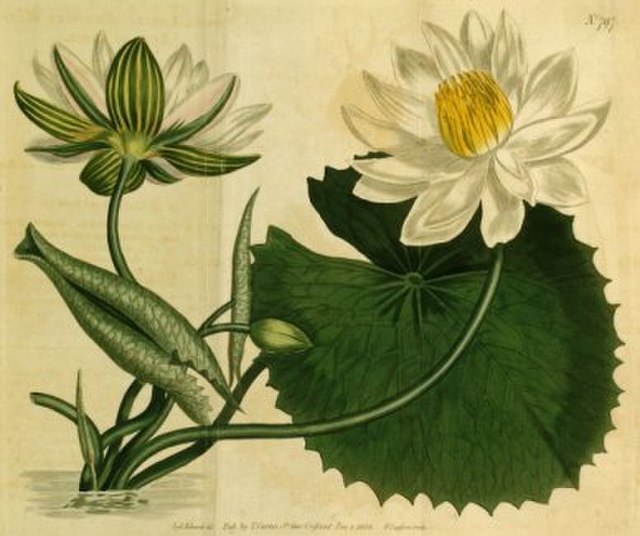
虎紋睡蓮
Nymphaea lotus
具有美麗的紅棕色斑點圓形葉片的睡蓮科植物。在水族箱的中景中可用作視覺亮點。
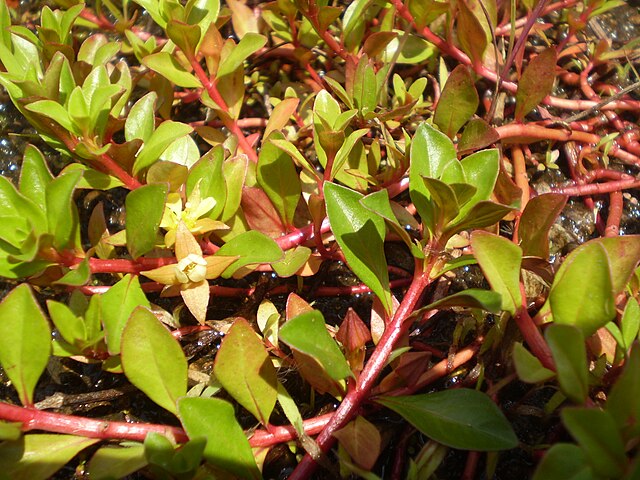
匍生水丁香
Ludwigia repens
從紅色變至橙色的受歡迎有莖草。光量與CO2可使發色更加漂亮。中等至高光量。
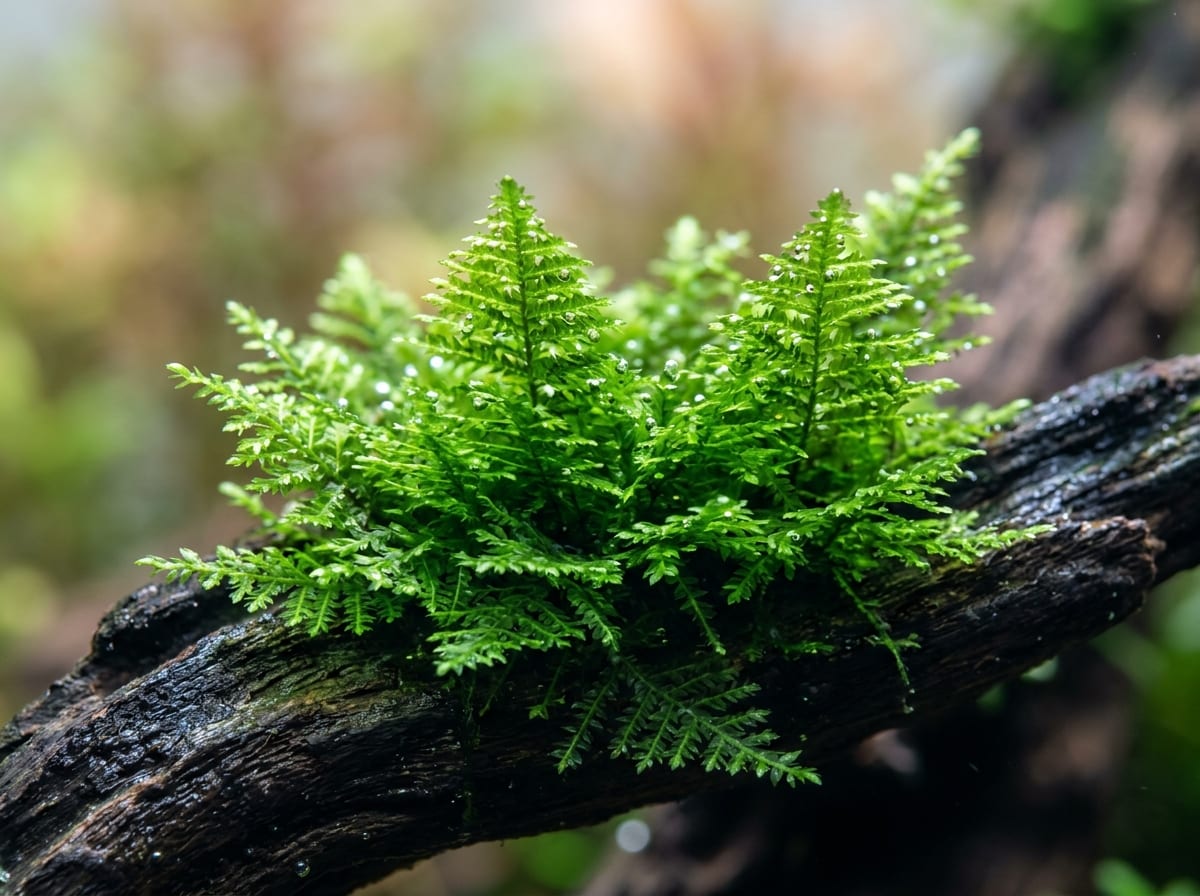
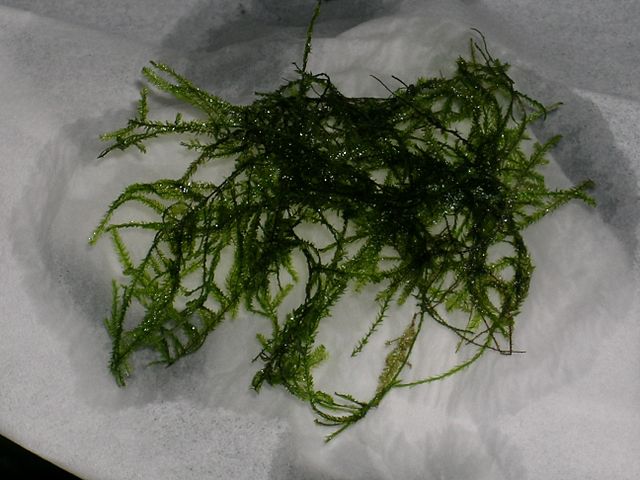
南美三角莫斯
Vesicularia sp. (South America)
枝條有規律地呈三角形展開,蓬鬆且亮綠色的水生苔蘚。儘管名字帶有「南美」,但並無南美產地的根據。即使在弱光且不添加CO2的情況下也能生長,可纏繞在沉木或石頭上使用。
 © Hannob / CC0
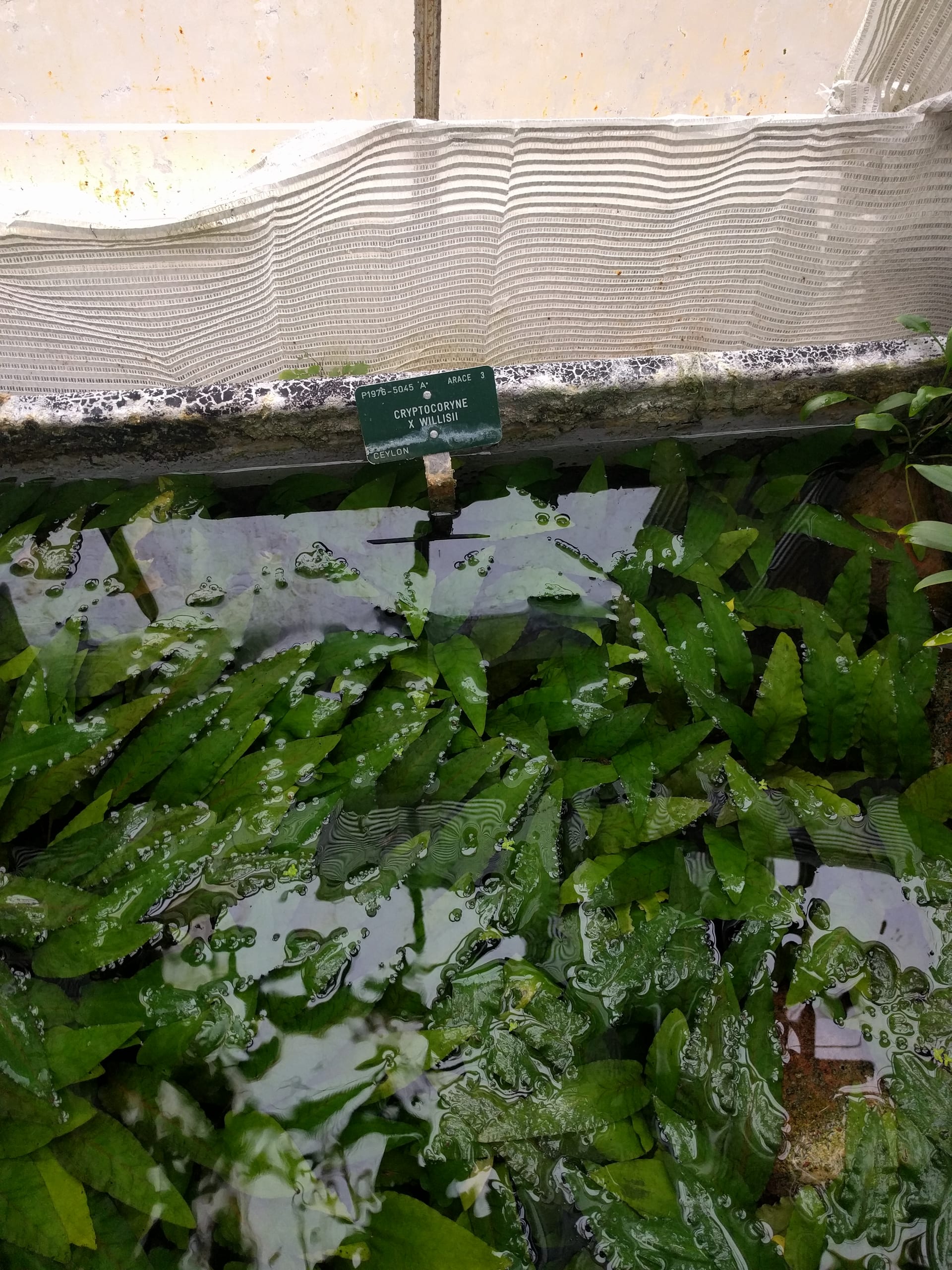
威利西椒草
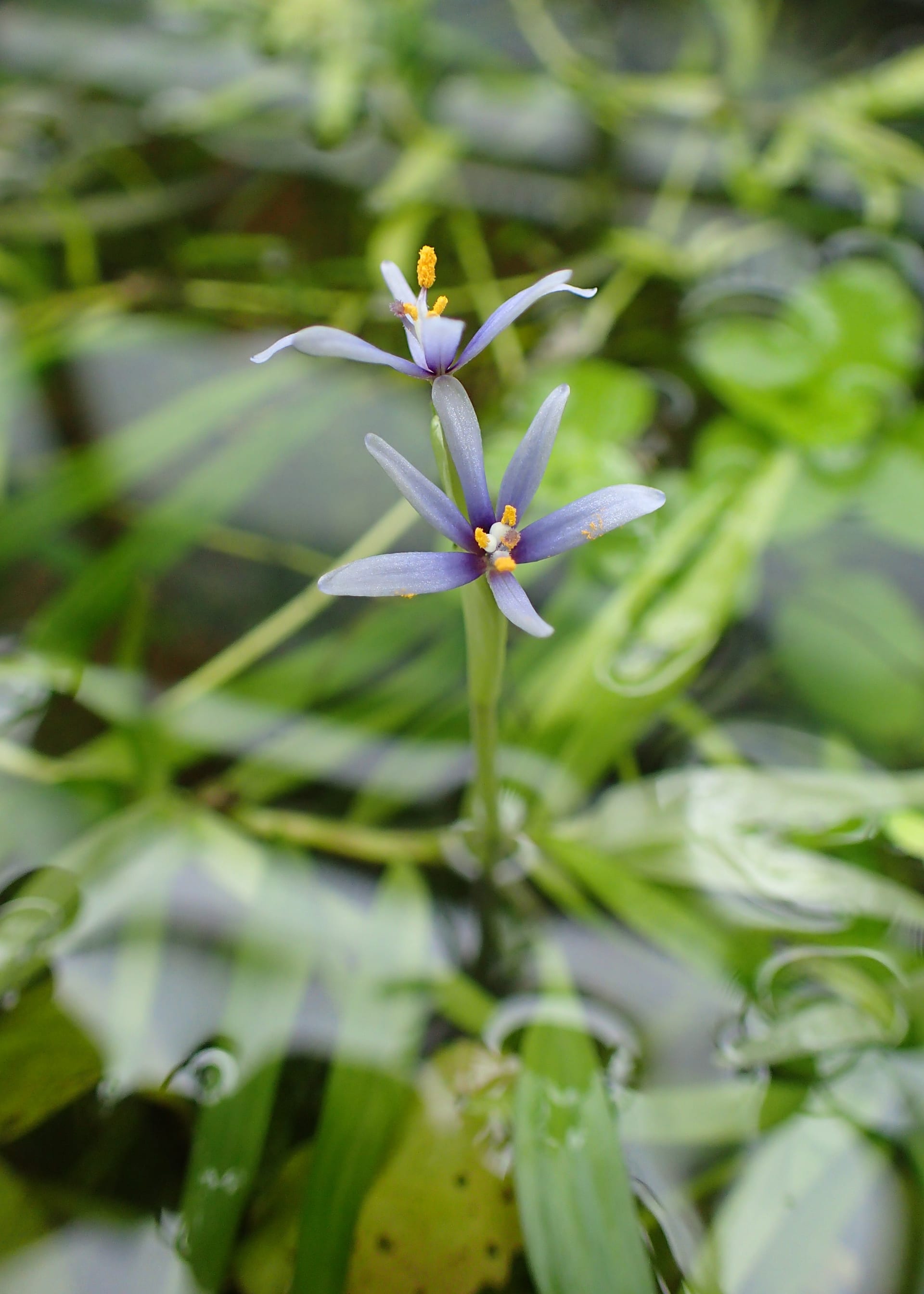
Cryptocoryne × willisii
斯里蘭卡產的自然雜交群落小型隱棒花。葉片中等綠色,細長無圖案,類似小葉隱棒花但更大且更強壯。走莖增殖良好,形成低矮灌叢或草地,適合前景至中景布景。
 © Krzysztof Ziarnek, Kenraiz / CC BY-SA 4.0
星草
Heteranthera zosterifolia
明亮綠色的細窄披針形葉片呈互生排列,側枝多易形成灌木狀。原產巴西的有莖水草。易於修剪調整高度,可從前景用至後景。伸出水面時會開出小型藍色花朵。
 © No machine-readable author provided. S.Tanaka~commonswiki assumed (based on copyright claims). / Public domain
柳毛苔
Fontinalis antipyretica
具有良好著生性的苔蘚植物。可將其纏繞在流木或石頭上使用。是蝦隻的理想藏身之所。無需CO2,適合初學者。
珍珠草
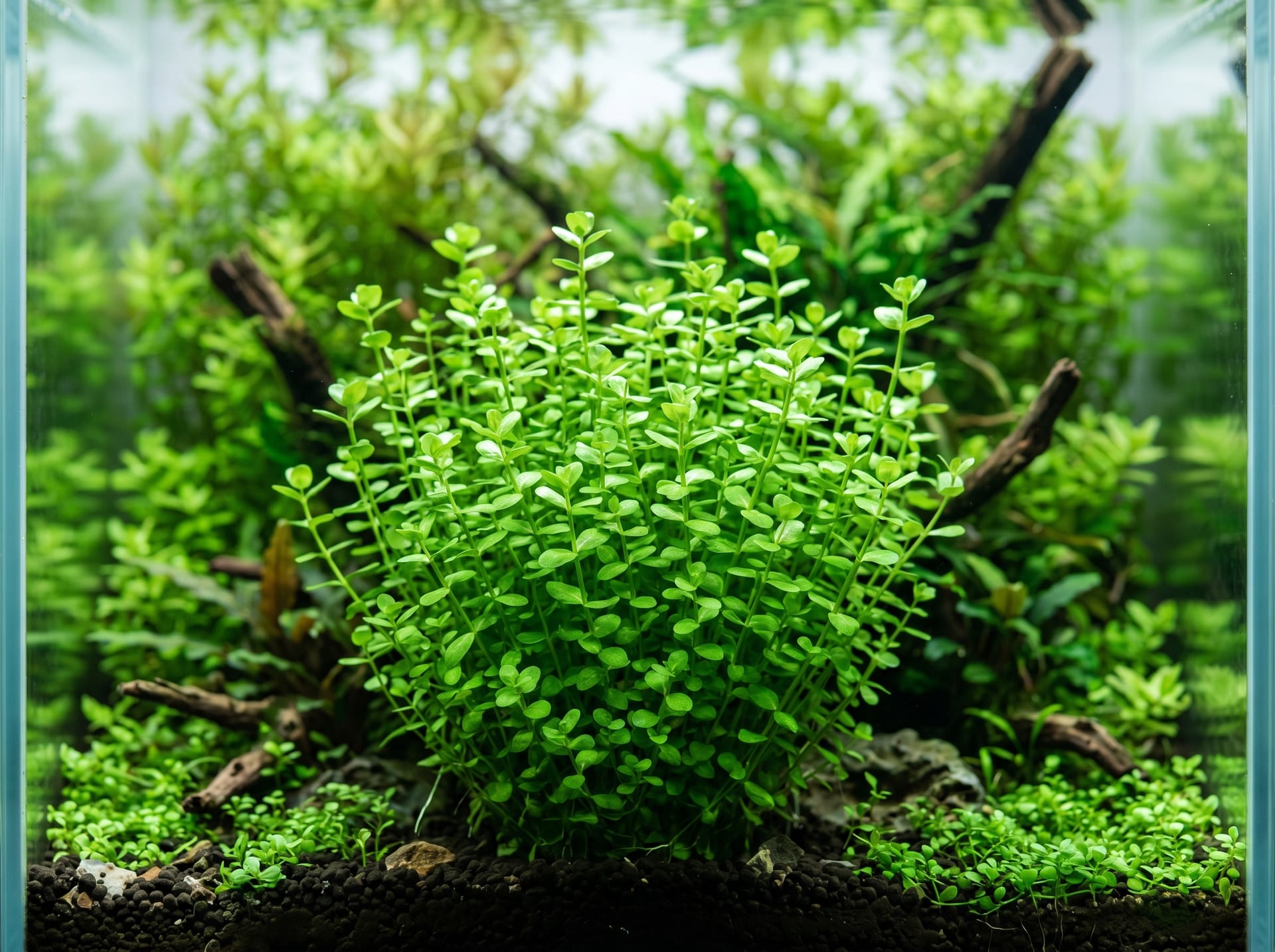
Micranthemum umbrosum
小的圓形葉子像珍珠一樣排列的有莖草。在中景~後景使用,水中的氣泡很漂亮。添加CO2時生長更旺盛。因為附著氣泡時看起來像珍珠而得名。
皇冠草
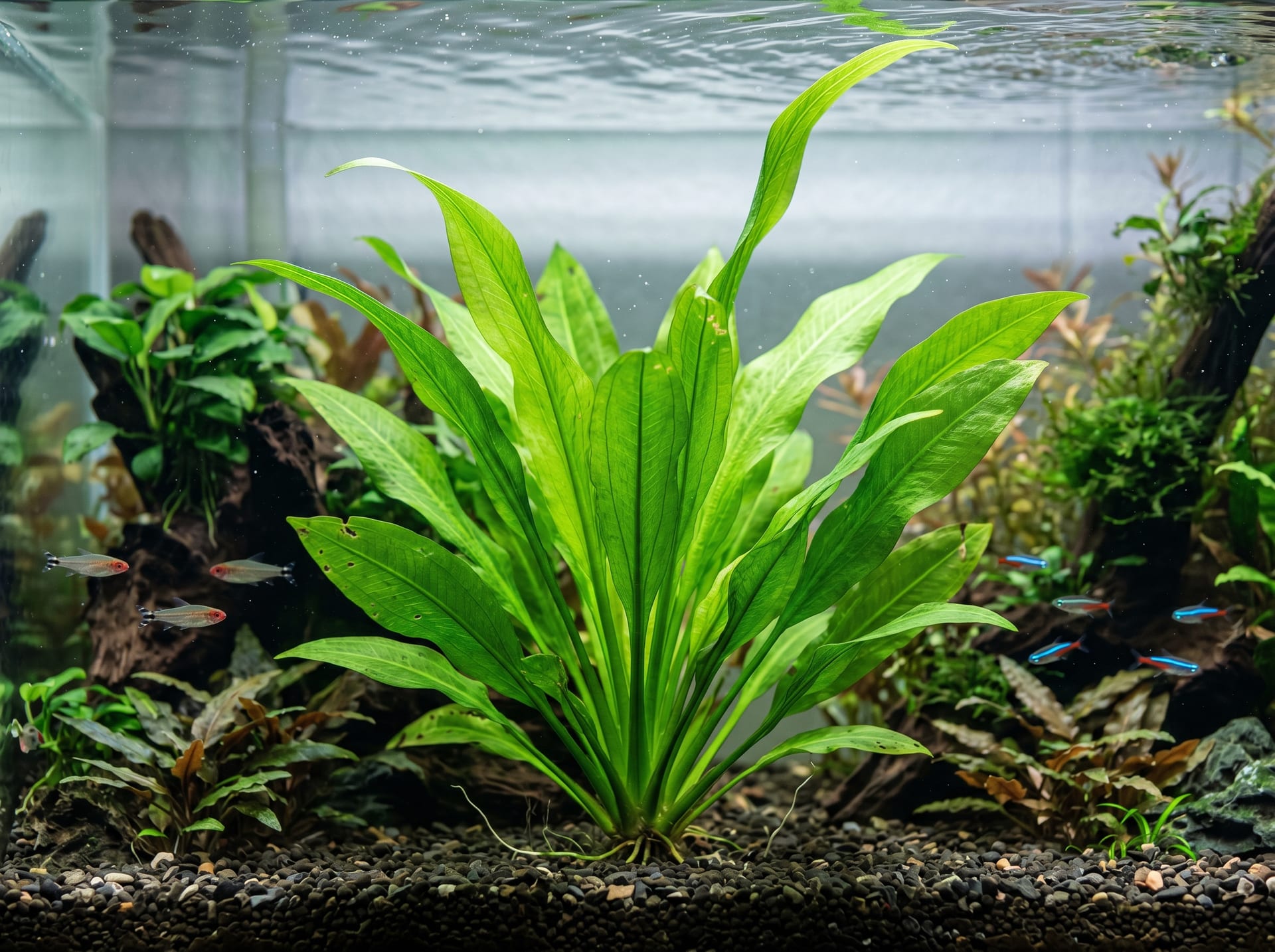
Echinodorus
又稱皇冠草的大型水草代表。最適合中景~後景植景。透過走莖繁殖,初學者也容易養殖。
 © Monarchatto / CC BY-SA 4.0
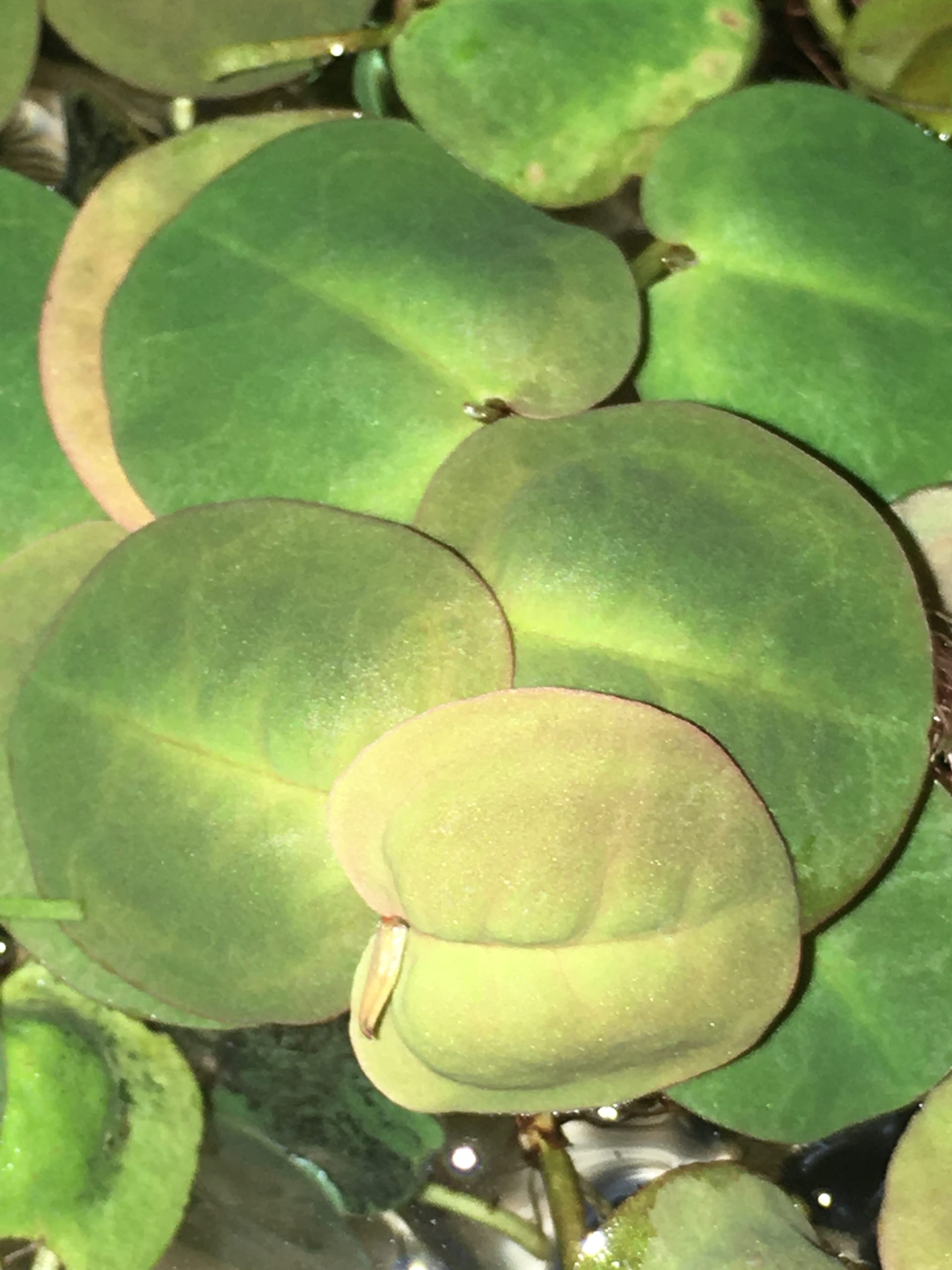
紅根浮草
Phyllanthus fluitans
漂浮在水面的紅色根部成為裝飾亮點。中等至強光照下根部呈紅色。
 © Forest & Kim Starr / CC BY 3.0
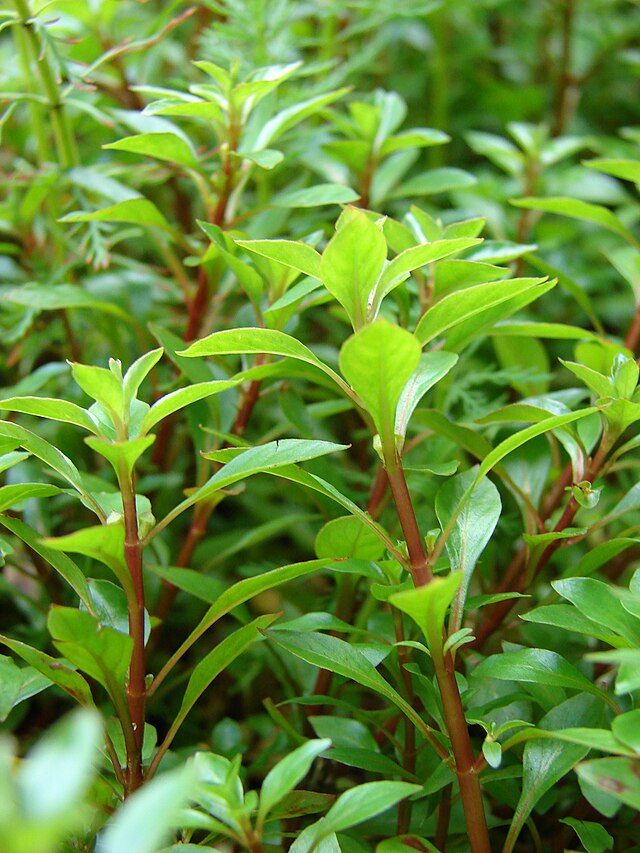
紅草
Ludwigia palustris
會泛紅的強健有莖水草。即使是初心者也容易飼養,是為魚缸添加色彩的理想選擇。
紅寶石劍草
Echinodorus 'Rubin'
長達60厘米的細長革質葉片的大型劍草混合品種。葉片越年輕越呈鮮豔的紅褐色,葉脈明亮突出。由德國德紹的漢斯‧巴特培育。
 © Forest & Kim Starr / CC BY 3.0
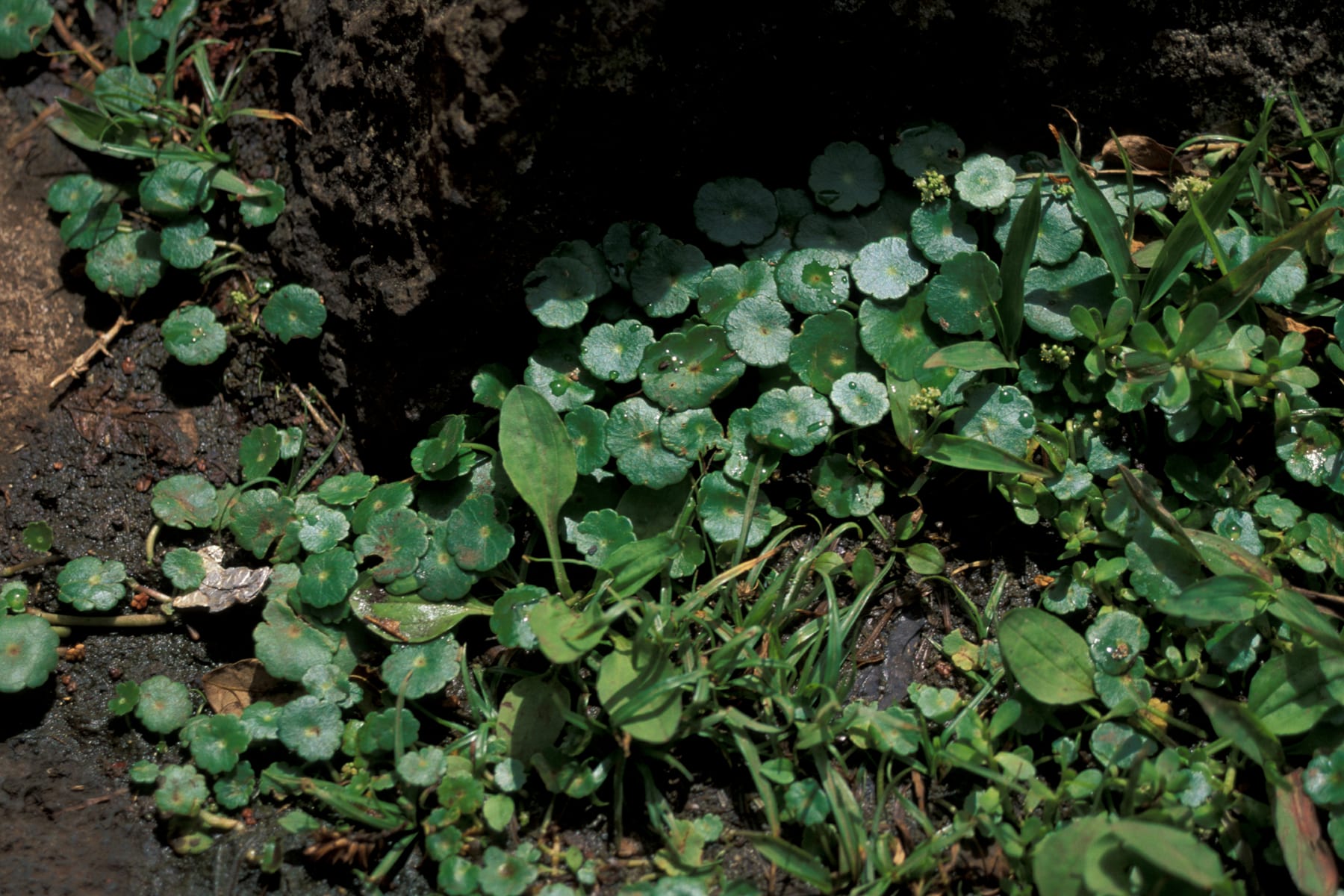
香菇草
Hydrocotyle verticillata
細長葉柄頂端帶有圓形盾狀葉片,地下莖匍匐蔓延的濕生植物(日文名稱為香菇草)。為生物棲地池塘的標配植物,但在日本各地已野生化,被列為國家「防除推進外來種」。與特定外來生物的巴西香菇草不同品種。
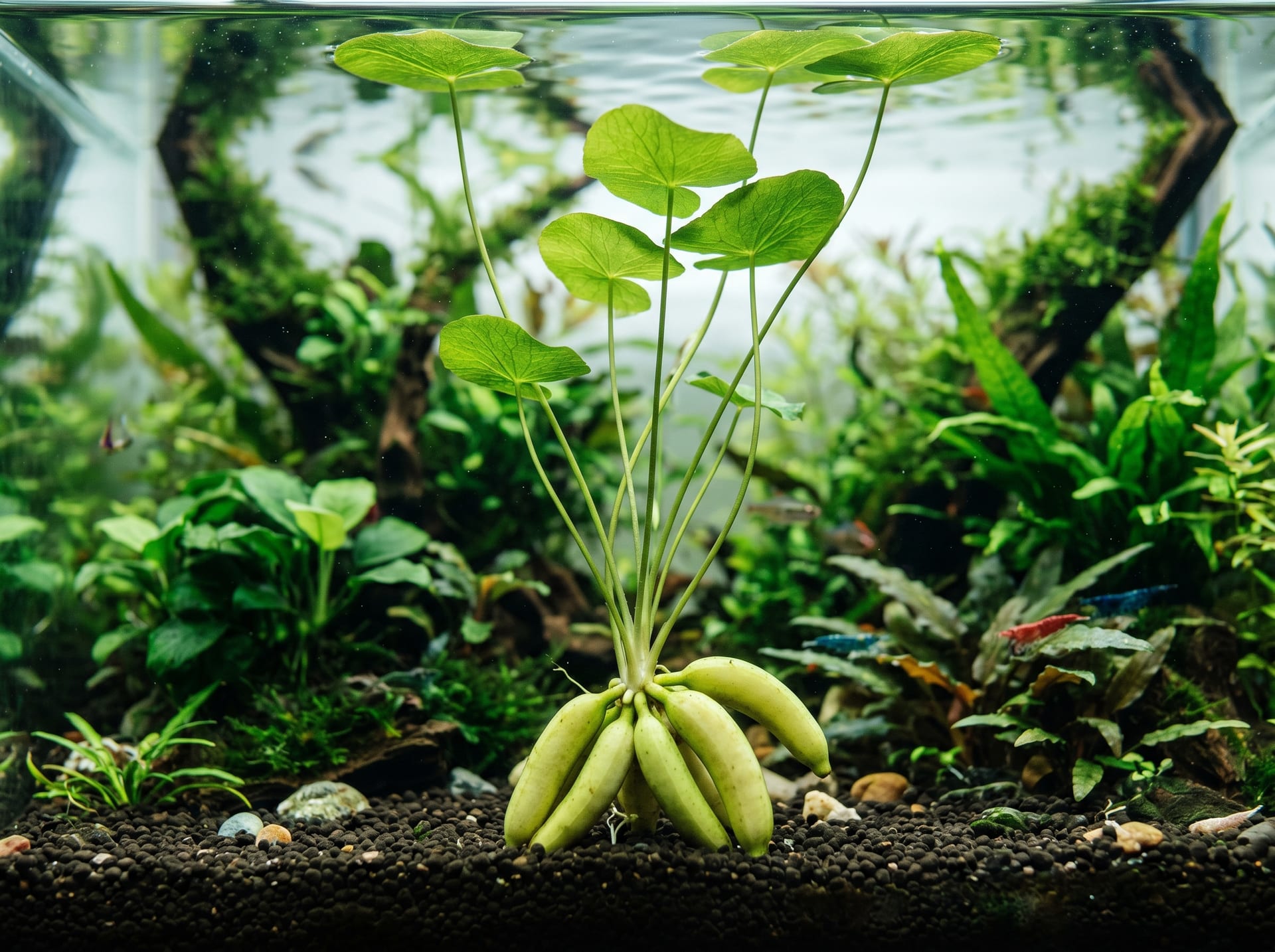
香蕉蓮
Nymphoides aquatica
具有香蕉房狀粗大儲存根的獨特水草。浮葉迷人。
烏斯特隱棒花
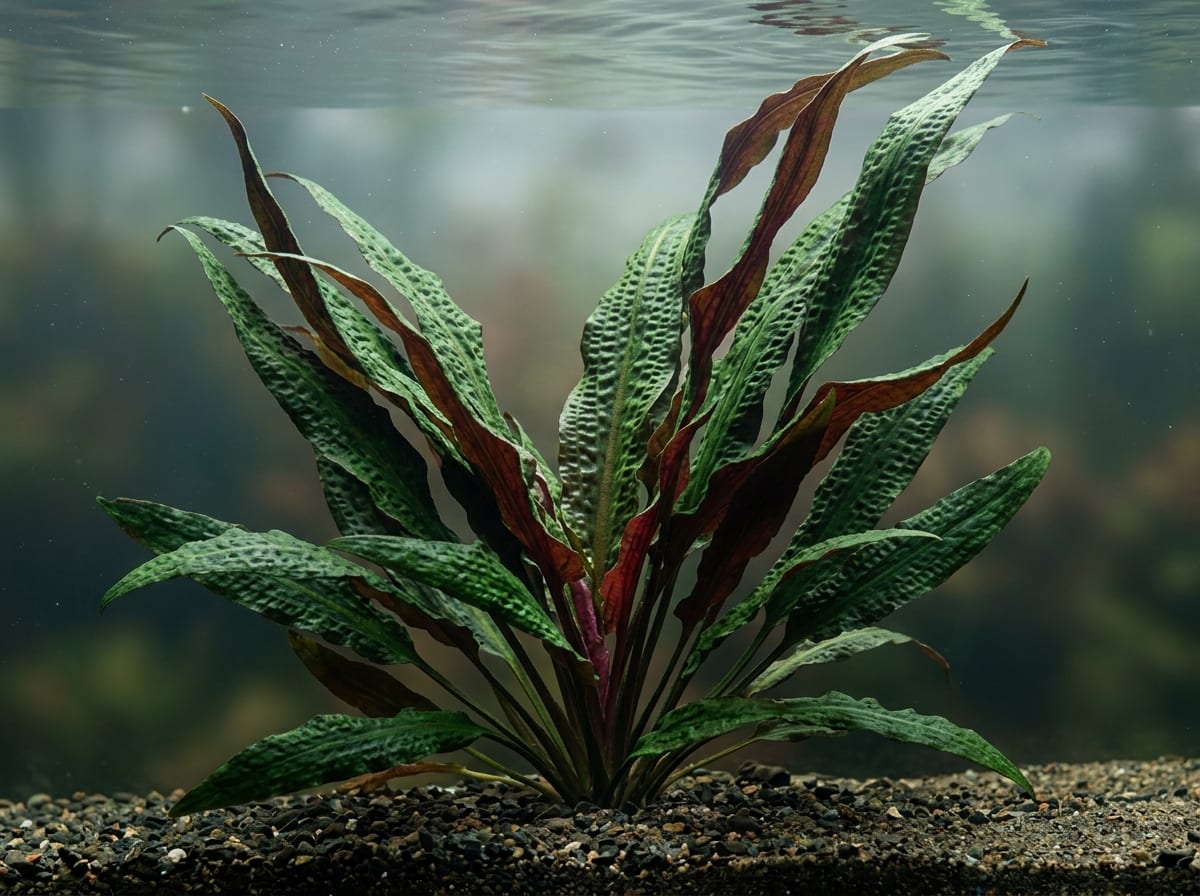
Cryptocoryne usteriana
來自菲律賓吉馬拉斯島的大型隱棒花。寬3~5厘米、表面凹凸不平的葉子可延伸至50厘米以上,在光線和肥料充足的情況下,背面會呈現紅酒色。喜歡硬水,不易被魚啃咬。
 © Marrabbio2 / CC BY-SA 3.0
豹紋皇冠草
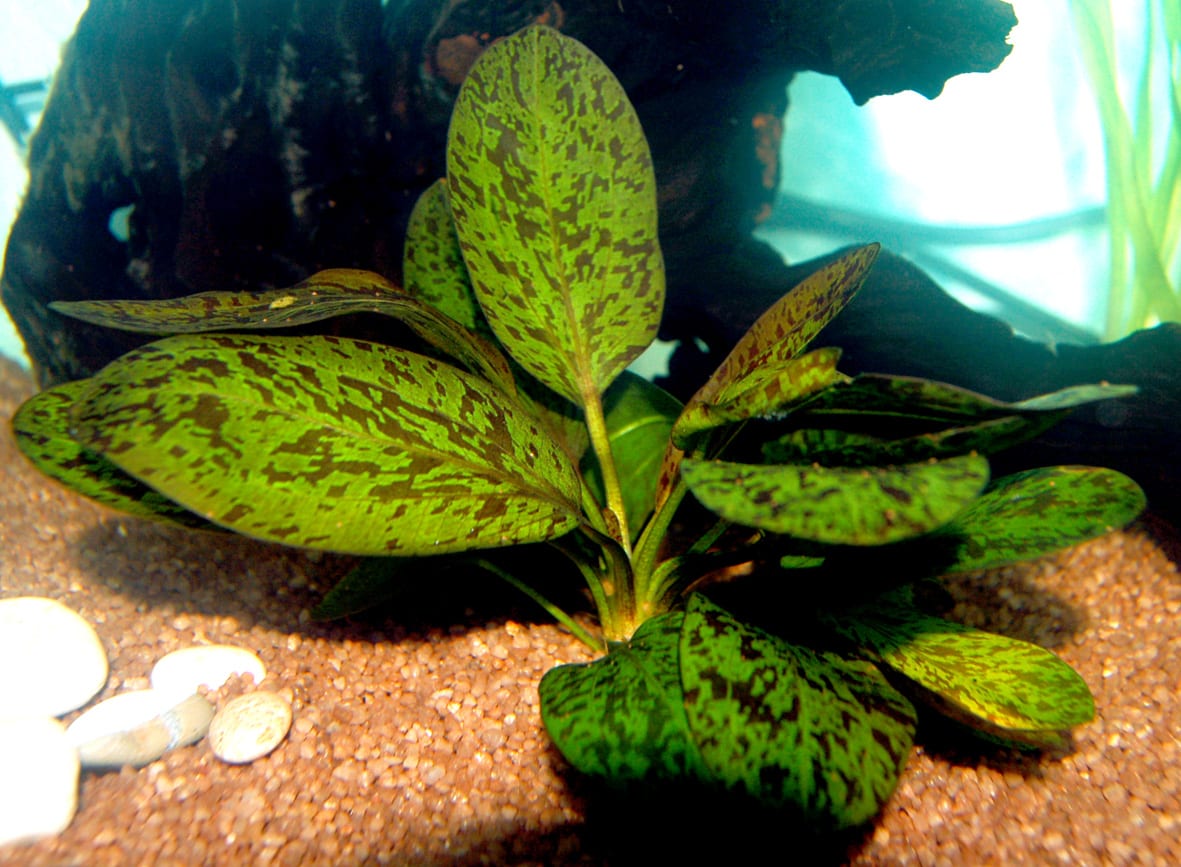
Echinodorus 'Ozelot'
紅褐色葉片上散佈橢圓形黑色斑點的皇冠草雜交品種。斑點在幼葉上較濃密,與其他斑紋皇冠草不同,即使光線較弱也能保留斑點。堅韌耐養,要求不高,適合初學者。
 © S.E. Thorpe / Public domain
迷你三裂葉水草
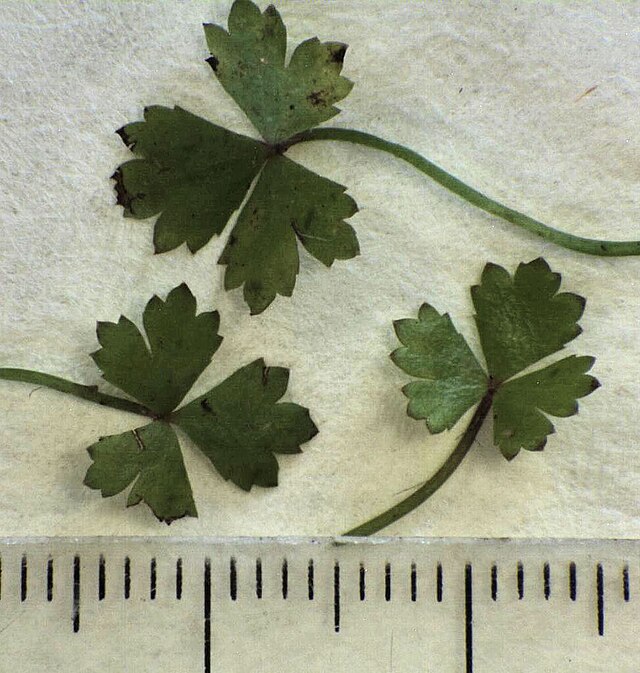
Hydrocotyle tripartita
外形像三葉草的可愛水草。橫向蔓延生長,最適用於中景造景。
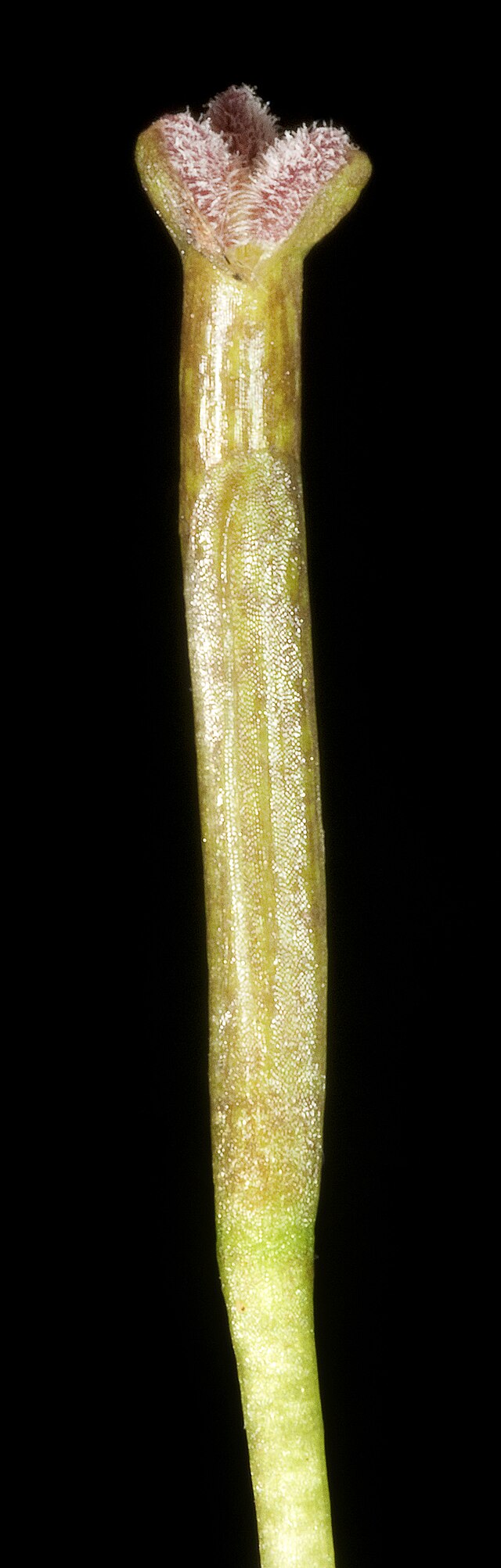
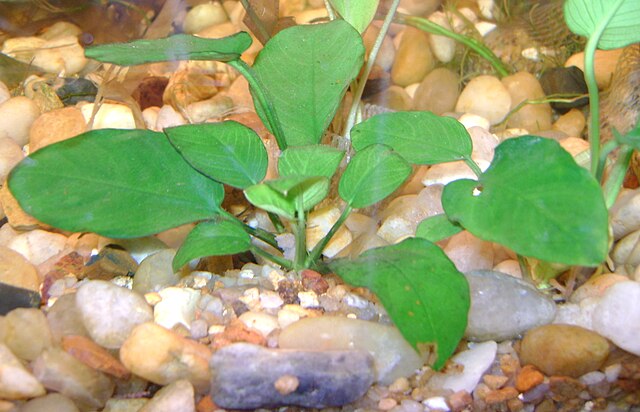
迷你小葉水榕
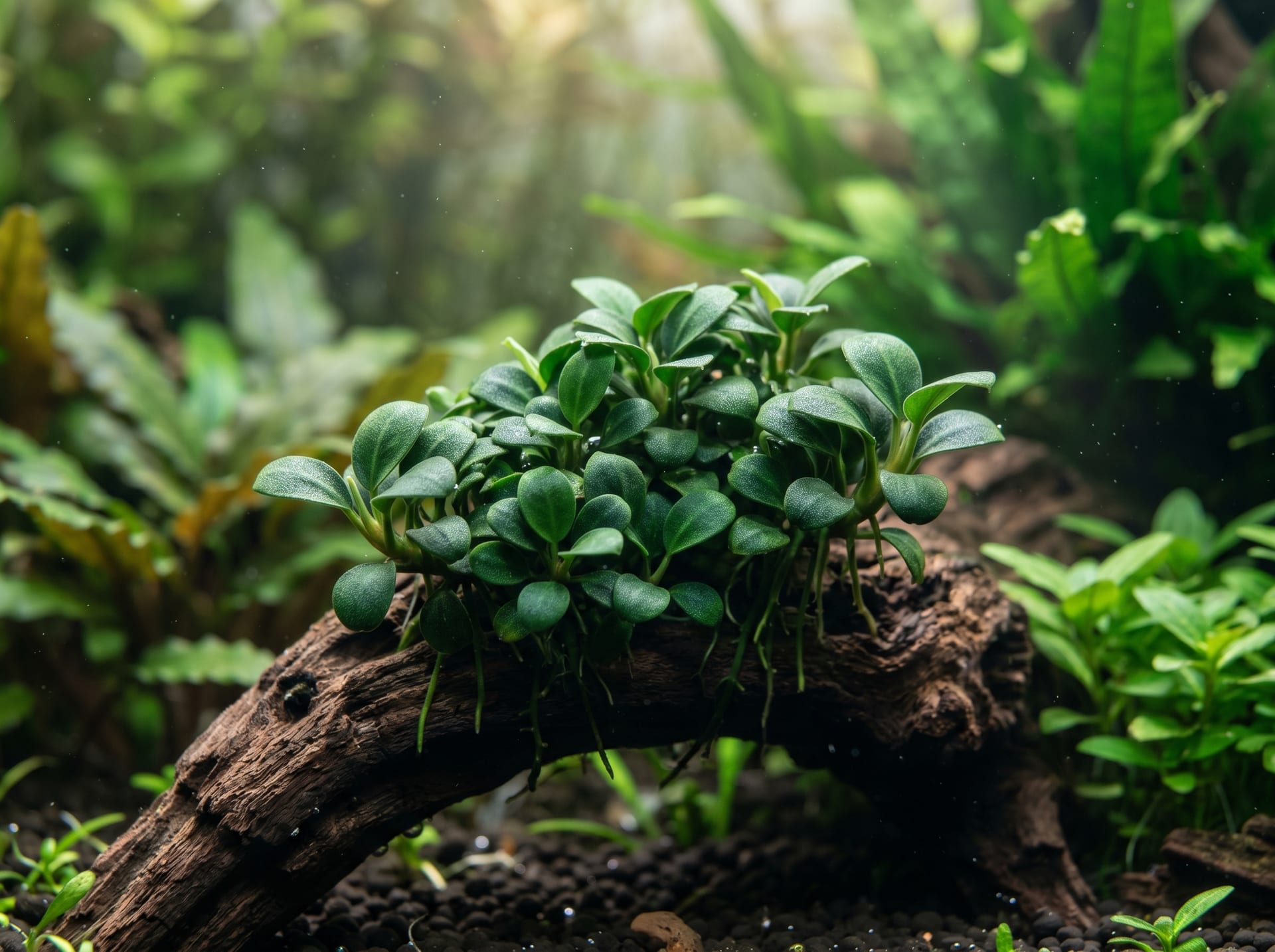
Anubias barteri var. nana 'Petite'
更小型的迷你鐵皇冠品種。超小葉片密集生長,最適合小型水族箱。成體大小為3~5釐米。
 © Kevin Thiele from Perth, Australia / CC BY 2.0
迷你浪草
Vallisneria nana
小型迷你浪草,細葉飄搖顯得清爽。初學者也容易養護的強健水草。
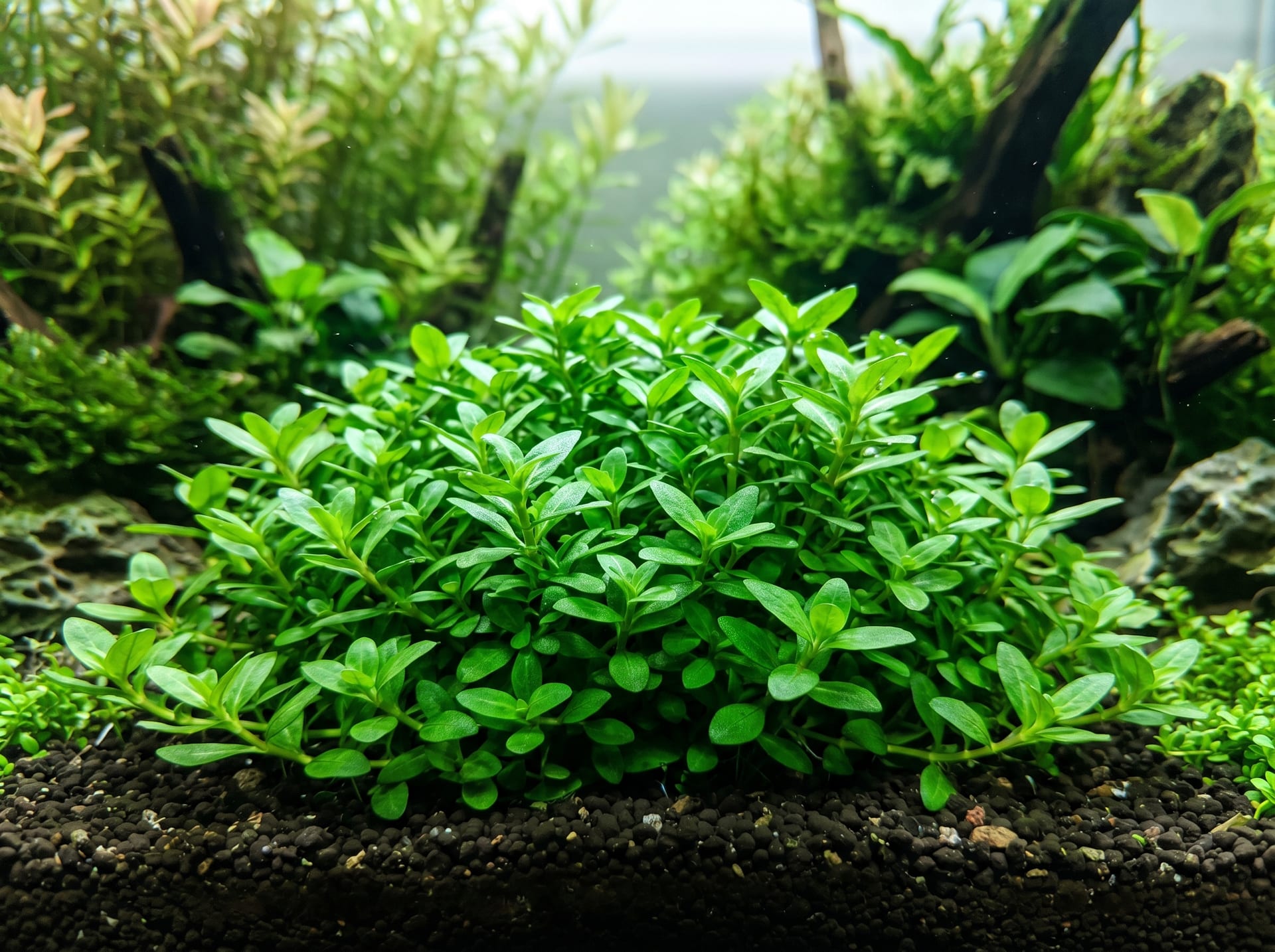
迷你矮珍珠
Staurogyne repens
原產於南美的低匍行性前景至中景水草。強健易於栽培,即使不添加CO2也能生長。密集種植時會形成美麗的綠色茂密叢生。耐剪裁。
 © Carlosar / CC BY-SA 3.0
迷你榕
Anubias barteri var. nana
原產自非洲的堅強陰性水草。基本用法是將其活著在流木或石頭上。無需CO2添加、低光量也能生長,因此最適合初學者。生長速度極慢,因此景觀布局不易崩塌。
迷你榕·盆栽
Anubias barteri var. nana 'Bonsai'
迷你皇冠的進一步矮化選育品種。株高約5厘米,小葉片密集重疊,株型呈緊湊的盆栽狀。適用於約10升左右的小型水族箱,可綁紮在石材或沉木上。
迷你榕·黃金
Anubias barteri var. nana 'Golden'
新葉呈現明亮的黃綠色至金黃色的迷你皇冠選拔品種。與濃綠的普通迷你皇冠葉色差異明顯,光線較弱時葉色會轉深。源自台灣農場發現的變異株。
迷你榕「潘戈利諾」
Anubias barteri var. nana 'Pangolino'
在阿奴比亞屬中,這是葉片最小的納納品種選拔系統。細長的深綠色葉片像穿山甲的鱗片般層層重疊生長。這個品種由德國水草生產商Dennerle公司從盆栽株系中精選而出,適合用於奈米水槽的石組或沉木景觀。
 © Macleay Grass Man / CC BY 2.0
迷你蘋草
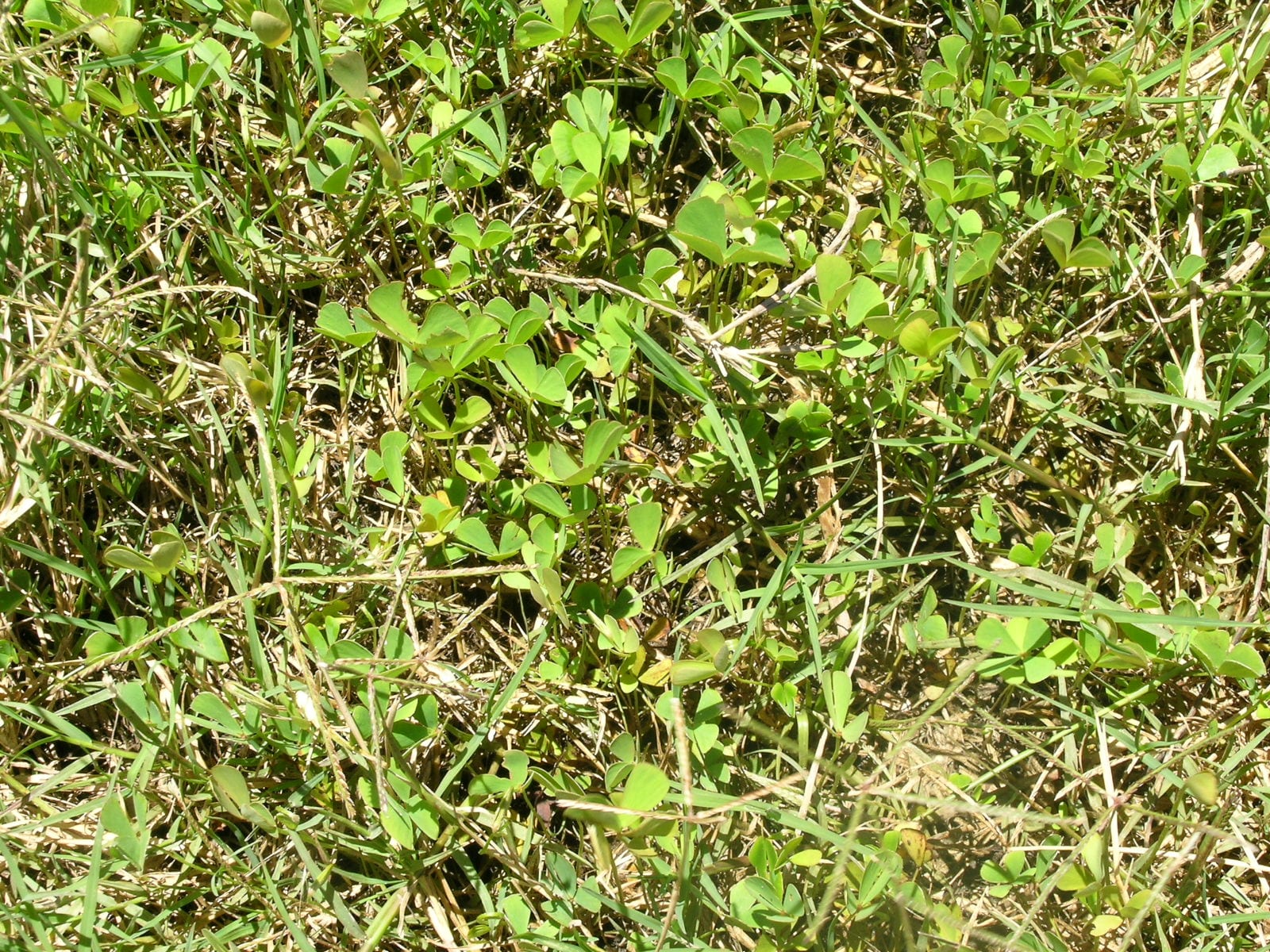
Marsilea hirsuta
具有四葉三葉草形狀的前景草。在水中會變成單片葉的奇特水草。無特殊飼料需求。
水草常見問題
- 水草的價格大約是多少?
- 常見的節節菜屬和水榕為300〜1,000円,辣椒榕為1,000〜5,000円,稀有的野生株為5,000〜20,000円以上,根據種類而異。
- 初心者也能栽培水草嗎?
- 水榕·娜娜和爪哇莫絲等無需添加CO2,即使在低光量下也能生長,最適合初心者。建議先從健壯的陰性水草開始。
- 栽培水草需要什麼設備?
- 水缸、LED照明、過濾器、水草泥是基本配備。如果目標是打造完整的水景設計,配備CO2添加裝置和高效能照明,可以大幅提升水草的生長速度和色彩表現。
- 購買水草時有什麼需要注意的地方?
- 確認葉片是否呈綠色且健康、是否無腐爛或枯死現象、有無蝸牛或害蟲附著。組織培養杯入的苗株無害蟲,令人安心。
- 水草枯萎的原因是什麼?
- 光量不足、CO2不足、營養不足是主要原因。由於不同種類所需的光量和CO2濃度不同,因此調整適合飼養水草的環境是很重要的。