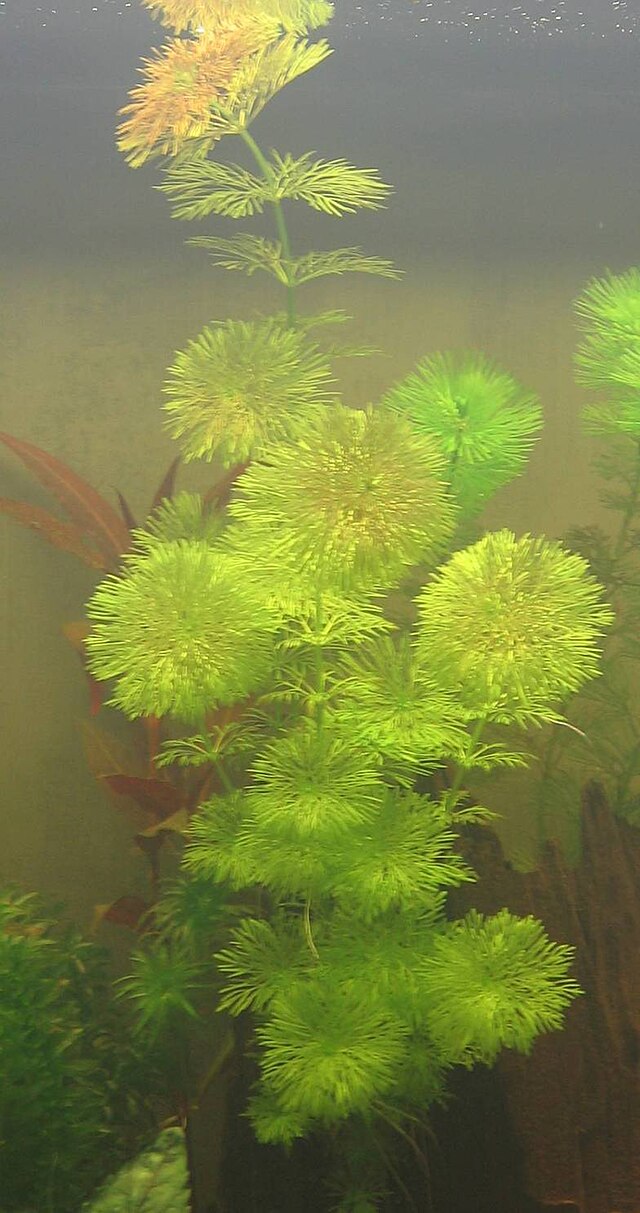
來源:Wikimedia Commons
細葉石龍尾
適合新手Limnophila sessiliflora
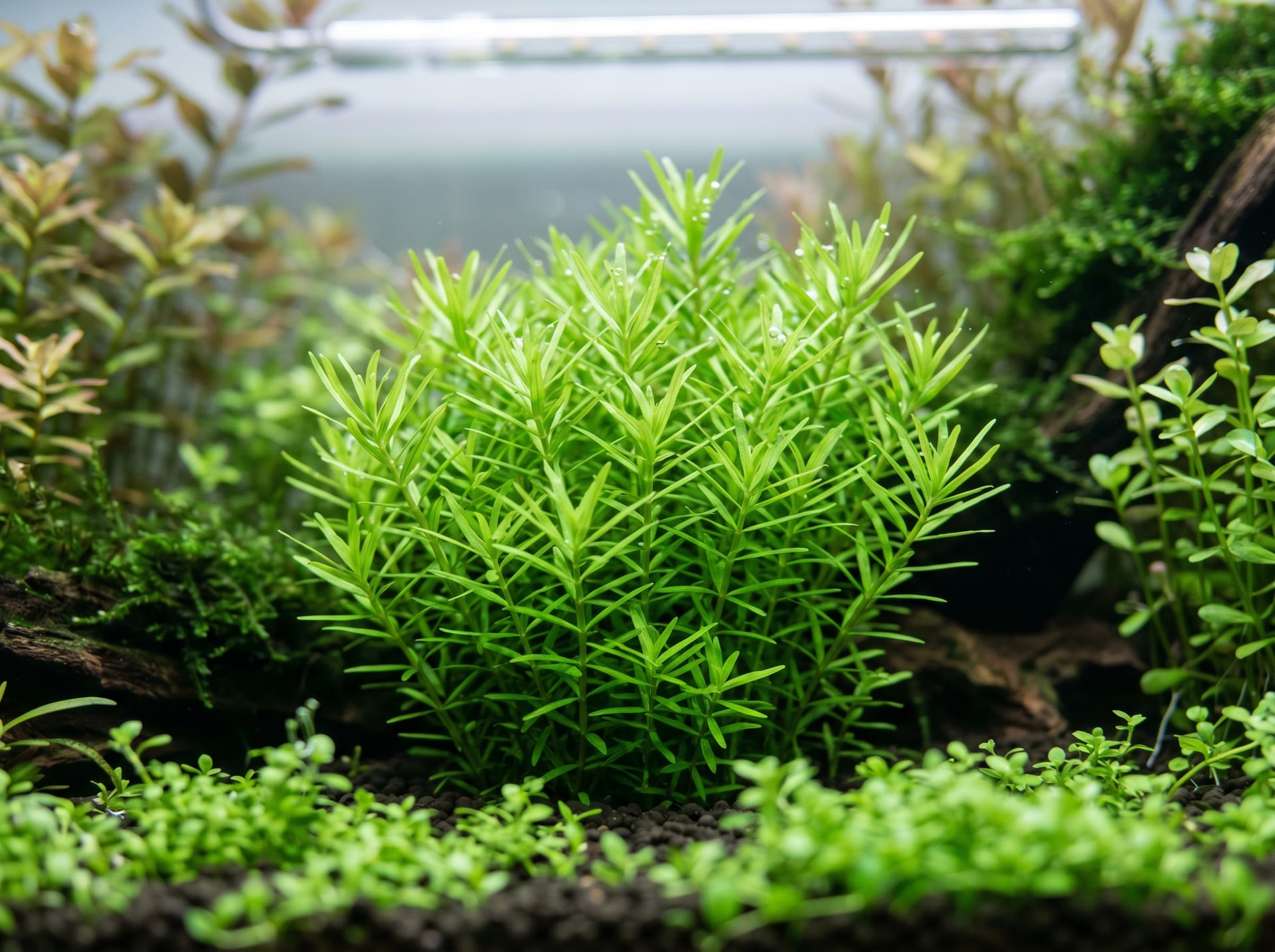
不添加CO2也能生長的強健後景水草。繁殖時只需將長長的莖剪下頂端5~10公分,去除下部葉片後重新插入底床即可生根。羽毛狀的細葉營造出柔和的氛圍。
關於我們
細葉光冠(Limnophila sessiliflora)為車前科(舊稱玄參科)的有莖水草,自生於印度與東南亞的濕地及水田。羽毛狀細緻的葉片輪生著,外觀纖細優美,種植於背景能營造柔和的氛圍。無須CO2也能生長健壯,是其最大特色,對光量要求亦不高。成長迅速,需頻繁修剪,但將剪下的莖段重新種植即可繁殖。外觀雖似小龍藻,但更易於無CO2環境下生長,管理亦較容易。亦以「亞美布利亞」之名流通。水中時葉片細長,水上則變寬厚,此種變化頗為有趣。耐性強到可用於金魚缸,是自古以來備受喜愛的入門級有莖水草之一。
細葉石龍尾的體型
細葉石龍尾的成體體型為20~50公分。
基本資訊
產地
印度與東南亞
壽命
多年生
體型
20~50公分
溫度
20〜28℃
澆水與施肥
液體肥料
栽培要點
光照
強健的有莖水草,光照不必太強。用標準照明即可在後景形成柔和的草叢。
CO2與肥料
最大特點是不添加CO2也能良好生長。適量添加液肥有助於保持細葉的活力。
修剪與繁殖
生長快,需要頻繁修剪。剪下的莖直接重新種植即可繁殖,切口處會長出側芽。
注意事項
淨水能力強,強健到可用於金魚缸。水中葉片纖細,長出水面後會變為較粗的葉片。
細葉石龍尾常見問題
Q細葉石龍尾的栽培難度是多少?
適合新手。初學者用品種。不需要特殊設備或經驗,只要備齊基本栽培環境就能輕鬆栽培。
Q細葉石龍尾能長多大?
細葉石龍尾的成體大小為20~50公分。會因栽培環境和個體差異有所變化。
Q細葉石龍尾如何澆水施肥?
細葉石龍尾的澆水與施肥為:液體肥料。請注意適當的頻率和用量。
Q細葉石龍尾的一般價格是多少?
細葉石龍尾的價格因品種・特徵・大小・系統而異。請查看GrowerDirect的市價頁面以取得最新價格資訊。
最後更新: 2026年8月31日
參考與來源
編輯與資料核驗: GrowerDirect編輯部
本頁的分類、規制和栽培數據基於以下主要信息數據庫進行創建和驗證。
分類與學名依據
法規與保育狀況
Limnophila sessiliflora 是日本原生種,非特定入侵物種。
來源: 環境省特定外來生物等名單(外來生物法) / CITES附錄II植物登載分類群(科·屬級別)
法規可能修訂,請以各主管機關的最新第一手資訊為準。
相關物種
尋找此物種的商品
相關文章
水草用CO2系統的完全指南|從設置到日常維護的實踐手冊
當水草進行光合作用時,CO2是不可或缺的要素。本文章涵蓋CO2添加系統的選擇、電磁閥調節器的安裝、擴散器的配置,到日常維護為止,涵蓋了培育生長迅速的有莖草和紅系水草所需的所有實施方法。
水草水槽的使用過後底土・底床的處理與回收方法|正確的拋棄方式與再利用訣竅
講解水草水槽的使用過後底土的正確處理方法。介紹遵循地方自治體規則的拋棄步驟,以及使用期間較短時的再利用想法。
無需CO2添加即可生長的初學者水草|育成條件與水族箱佈景活用
無需昂貴的CO2機材也能創造出美麗的水族箱。本文將從適合初學者、成功率高的無CO2水草選擇,到育成條件、水族箱佈景活用,進行實踐性解說。
羅塔拉的培育方法與發色技巧|通過光量、CO2、修剪引出漂亮的紅色
本文介紹水草景觀中人氣的羅塔拉屬,說明引出紅色發色的光量、CO2、肥料管理,以及維持漂亮茂密的修剪步驟。