AI 生成圖像
矮慈姑
適合新手Sagittaria subulata
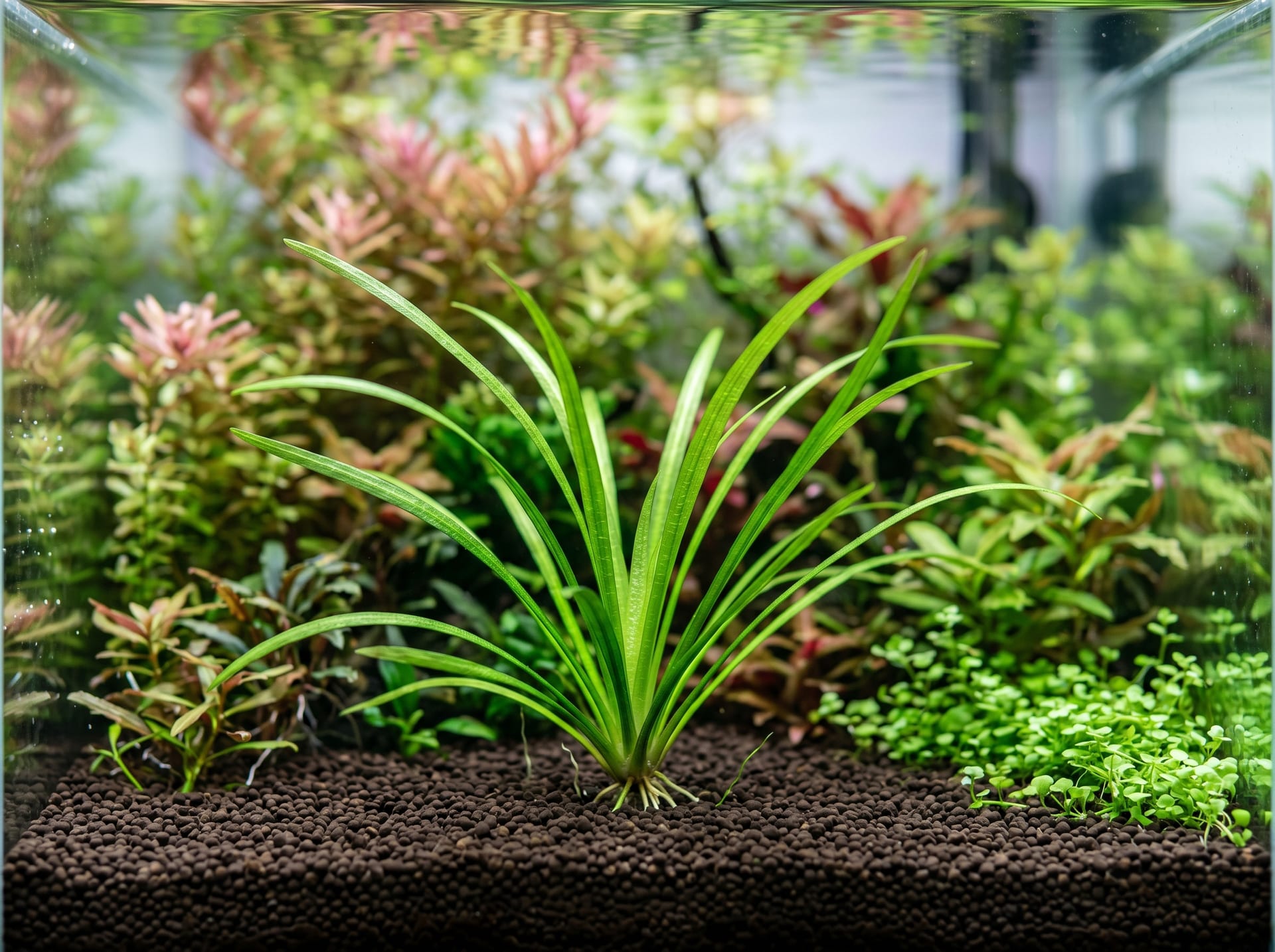
像草坪一樣密生的前景~中景水草。非常硬朗,通過走莖迅速蔓延。在低~中光照條件下也能生長。
關於我們
叢生箭頭草(Sagittaria subulata)是原產於北美東部~南美北部的澤瀉科水草。細長的葉片密集排列,像草坪一樣展開成前景~中景水草。其通過走莖的繁殖力非常旺盛,植入後不久就能自然地用綠色的地毯覆蓋整個水槽。這是一種非常硬朗的水草,即使在低光照和無CO2的條件下也能生長,是水草初學者最合適的品種之一。對水質的適應範圍廣泛,偏好弱酸性~中性水質,但對pH值的輕微波動有足夠的耐受性。在高光照條件下,葉片會變短變緊湊;在低光照條件下,葉片傾向於細長伸展。即使在金魚或大型魚水槽中也相對耐食害。
矮慈姑的體型
矮慈姑的成體體型為5~30公分。
基本資訊
產地
北美東部~南美北部
壽命
多年生
體型
5~30公分
溫度
18〜28℃
澆水與施肥
底床肥料
栽培要點
光照
低光照也能生長。高光照下葉片短而緊湊,低光照下細長伸展,可依目標草高調整光照。
CO2與肥料
不添加CO2也能栽培的非常強健的水草。靠根吸收養分,施用底床肥料生長更好。
水溫與水質
喜弱酸性至中性水質,但適應範圍廣,能充分耐受一定的pH波動。
修剪與繁殖
通過匍匐莖旺盛增殖,不久整個缸都會鋪滿綠色地毯。可剪下匍匐莖上的子株重新種植。
注意事項
如果增長過多,請疏剪。營造像草坪一樣的景觀。
矮慈姑常見問題
Q矮慈姑的栽培難度是多少?
適合新手。初學者用品種。不需要特殊設備或經驗,只要備齊基本栽培環境就能輕鬆栽培。
Q矮慈姑能長多大?
矮慈姑的成體大小為5~30公分。會因栽培環境和個體差異有所變化。
Q矮慈姑如何澆水施肥?
矮慈姑的澆水與施肥為:底床肥料。請注意適當的頻率和用量。
Q矮慈姑的一般價格是多少?
矮慈姑的價格因品種・特徵・大小・系統而異。請查看GrowerDirect的市價頁面以取得最新價格資訊。
最後更新: 2026年9月25日
參考與來源
編輯與資料核驗: GrowerDirect編輯部
本頁的分類、規制和栽培數據基於以下主要信息數據庫進行創建和驗證。
分類與學名依據
法規與保育狀況
國內法規: 環境省和農林水產省的《生態系被害防止外來種清單》第2版(2026年9月11日公佈)中,矮慈姑(Sagittaria subulata、No.125)被列為「防除檢討外來種」。不屬特定外來生物,栽培和銷售無法律限制。飼養和栽培中的個體不在防除範圍內,但不得丟棄於野外,或隨著換水排水、斷裂的莖葉逸出(清單要求不得向野外釋放所列物種)。
來源: 環境省特定外來生物等名單(外來生物法) / CITES附錄II植物登載分類群(科·屬級別)
法規可能修訂,請以各主管機關的最新第一手資訊為準。
相關物種
相關文章
水草用CO2系統的完全指南|從設置到日常維護的實踐手冊
當水草進行光合作用時,CO2是不可或缺的要素。本文章涵蓋CO2添加系統的選擇、電磁閥調節器的安裝、擴散器的配置,到日常維護為止,涵蓋了培育生長迅速的有莖草和紅系水草所需的所有實施方法。
水草水槽的使用過後底土・底床的處理與回收方法|正確的拋棄方式與再利用訣竅
講解水草水槽的使用過後底土的正確處理方法。介紹遵循地方自治體規則的拋棄步驟,以及使用期間較短時的再利用想法。
無需CO2添加即可生長的初學者水草|育成條件與水族箱佈景活用
無需昂貴的CO2機材也能創造出美麗的水族箱。本文將從適合初學者、成功率高的無CO2水草選擇,到育成條件、水族箱佈景活用,進行實踐性解說。
羅塔拉的培育方法與發色技巧|通過光量、CO2、修剪引出漂亮的紅色
本文介紹水草景觀中人氣的羅塔拉屬,說明引出紅色發色的光量、CO2、肥料管理,以及維持漂亮茂密的修剪步驟。