來源:Wikimedia Commons
山楂
適合新手Crataegus cuneata
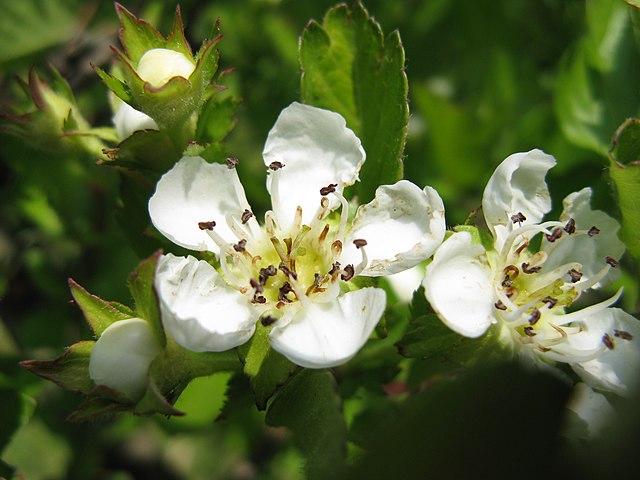
春季開白色花朵,秋季結紅色果實,落葉小喬木。兼備花、果實和秋色的盆景樹種,三季可欣賞。枝條有刺,整形時建議戴手套。
關於我們
山楂是薔薇科山楂屬的落葉灌木至小喬木,廣泛分佈於北半球溫帶(中國、日本、歐洲和北美)。日本自生的有短棘山楂、深山山楂等品種,中國自古將「山楂」用作藥用和食用。5~6月間白色五瓣花綻放滿枝,秋季結紅至橙色的小果實。枝條有尖銳的棘刺。在盆景中,山楂以春季白花、秋季紅果和秋季紅葉「三季盆景」的形式廣受歡迎。老樹具有粗糙的樹皮和複雜的枝條造型,韻味深厚。修剪多刺枝條時需小心謹慎,但這獨特的粗獷感也是盆景的魅力之一。養護需日照充足,使用排水良好的土壤。澆水應在表土乾燥時充分澆濕。花謝後輕度修剪,強度修剪在冬季落葉後進行。每2~3年春季進行一次換盆。
山楂的壽命
山楂的壽命為100年以上。
山楂的體型
山楂的成體體型為15~50公分(盆景尺寸)。
基本資訊
產地
北半球溫帶(中國、歐洲、北美、日本)
壽命
100年以上
體型
15~50公分(盆景尺寸)
溫度
-5〜35℃
澆水與施肥
肥料(定期)
栽培要點
置放位置
戶外日照充足處。耐寒性強
澆水
偏好略濕潤的環境。注意避免缺水
整形
注意棘刺,修剪時凸顯果實的樹形
注意事項
易招蚜蟲。進行預防噴灑
山楂常見問題
Q山楂的栽培難度是多少?
適合新手。初學者用品種。不需要特殊設備或經驗,只要備齊基本栽培環境就能輕鬆栽培。
Q山楂的壽命是多長?
山楂的平均壽命為100年以上。透過適切的栽培環境和養分管理,可以長期健康成長。
Q山楂能長多大?
山楂的成體大小為15~50公分(盆景尺寸)。會因栽培環境和個體差異有所變化。
Q山楂如何澆水施肥?
山楂的澆水與施肥為:肥料(定期)。請注意適當的頻率和用量。
Q山楂的一般價格是多少?
山楂的價格因品種・特徵・大小・系統而異。請查看GrowerDirect的市價頁面以取得最新價格資訊。
最後更新: 2026年6月24日
栽培規格
- USDA耐寒區
- 6
參考與來源
編輯與資料核驗: GrowerDirect編輯部
本頁的分類、規制和栽培數據基於以下主要信息數據庫進行創建和驗證。
分類與學名依據
法規與保育狀況
相關物種
相關文章
初學者盆栽樹種選擇與完全培育藍圖|1年至5年分階段管理戰略
盆栽初學者成功的關鍵在於樹種選擇。本文選擇五葉松、真柏等適合初學者的樹種,詳細解說從第1年到第5年透過分階段管理將其培育成完成盆栽的過程。提供樹形基礎構築、調整、完成這5年歷程的藍圖。
盆栽的古木制造技巧|枝條老化表現與樹齢感的演出方法
介紹將幼樹打造成古木盆栽的技法。涵蓋樹皮質感、枝條構成、根系表現、隨時間推移的變化,呈現樹齢感的實踐方法。
如何防止盆栽肥料燒傷|判斷施肥量與濃度的方法
盆栽肥料燒傷為何發生?本文解說滲透壓的機制、如何區分葉尖褐化等初期症狀、為何在盛夏和換盆直後容易發生,以及應急處置和預防策略。
盆栽禮物指南|適合長壽祝賀和開業祝賀的樹種與禮儀
介紹盆栽作為祝賀禮物時的樹種選擇和禮儀。推介根據場景(如長壽祝賀、開業祝賀等)的適合樹種,以及考慮管理負擔的選擇方法。