AI-generated image
龙舌兰吉祥冠
适合新手Agave potatorum
在日本长期栽培的受欢迎龙舌兰。强健易养,初学者也容易种植和获取。寿命20年以上。成体尺寸30~50厘米。
关于我们
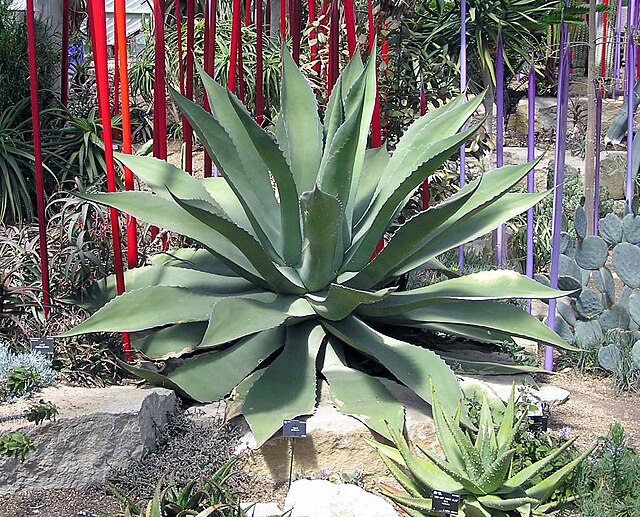
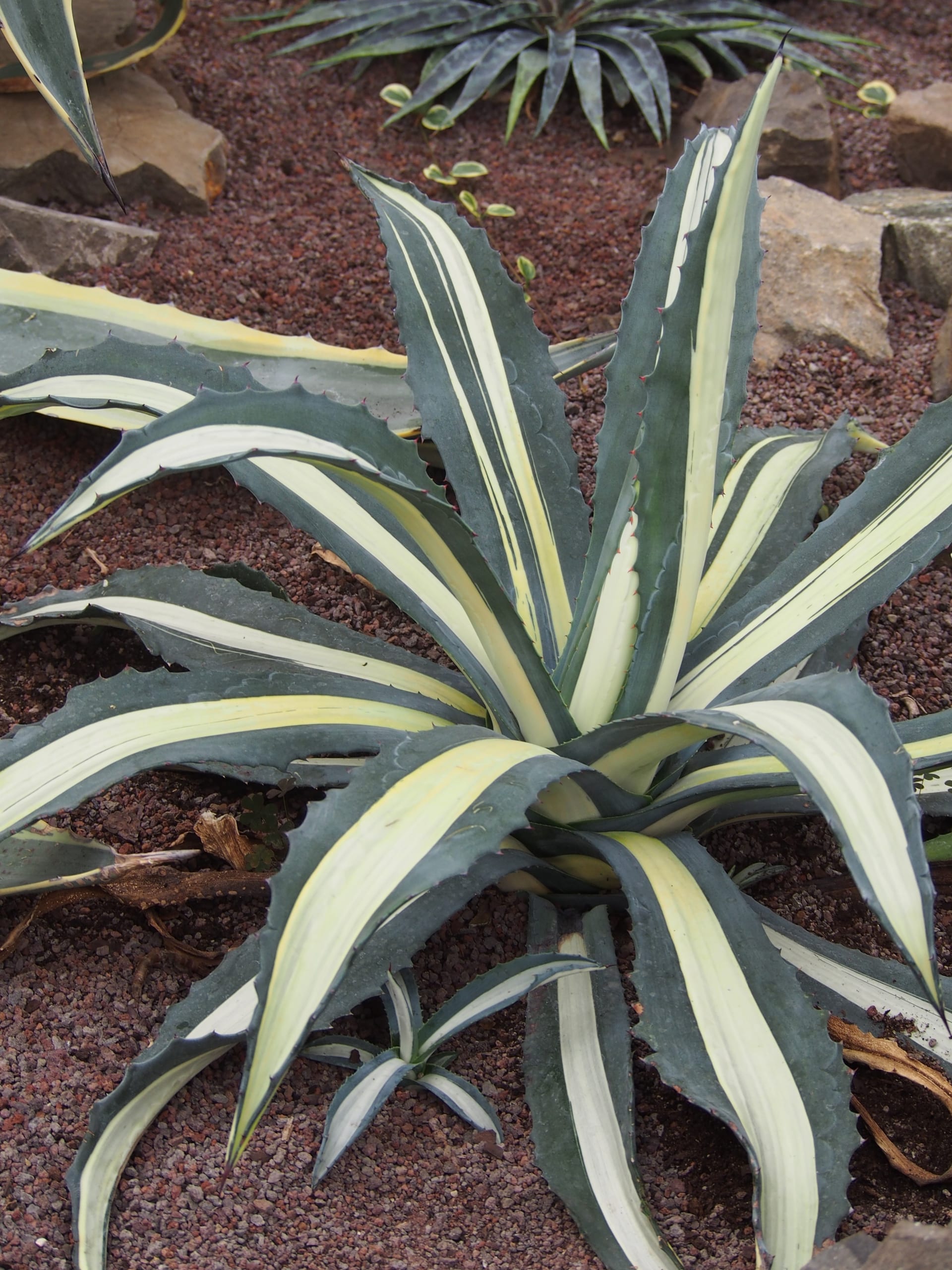
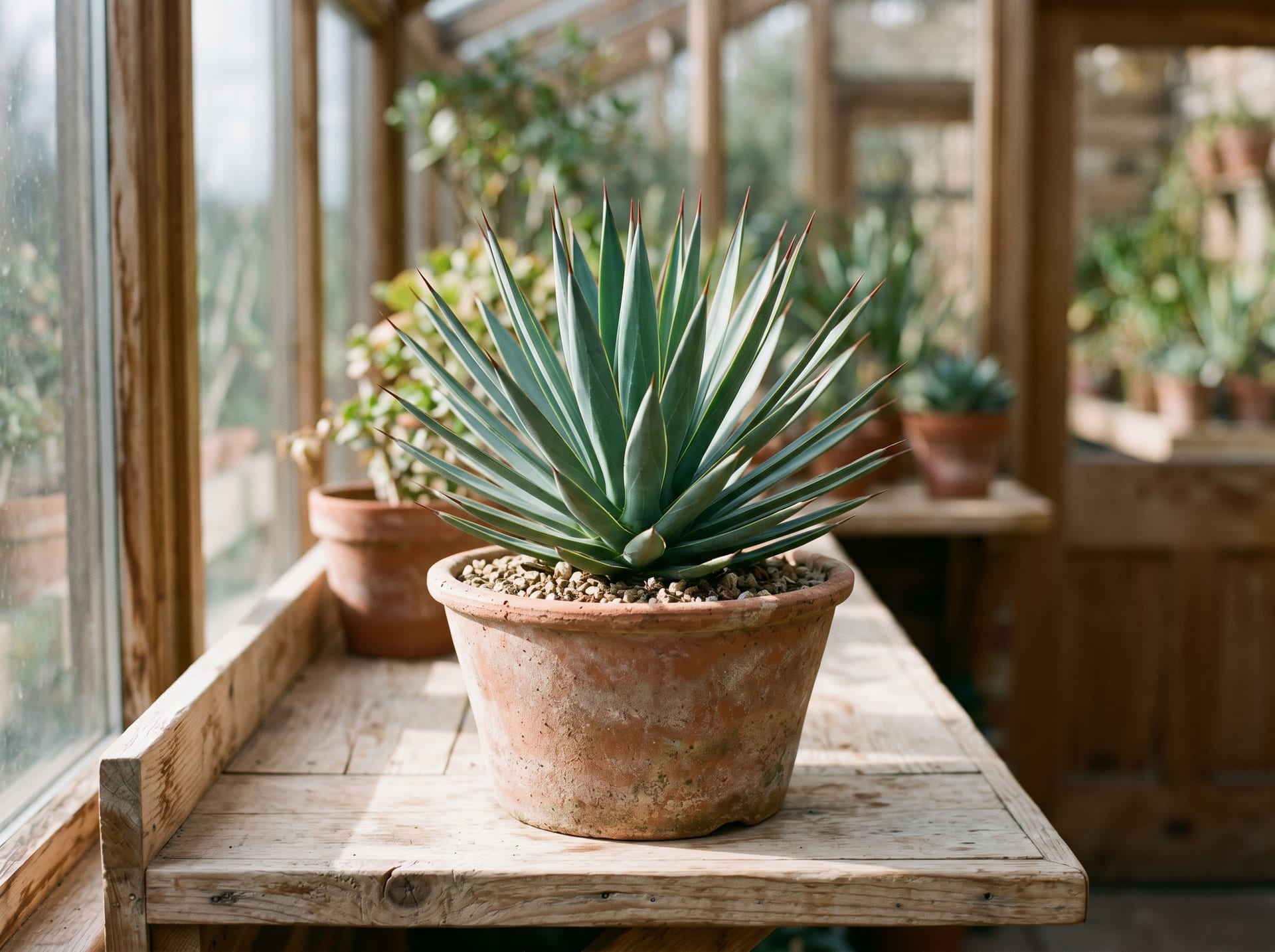
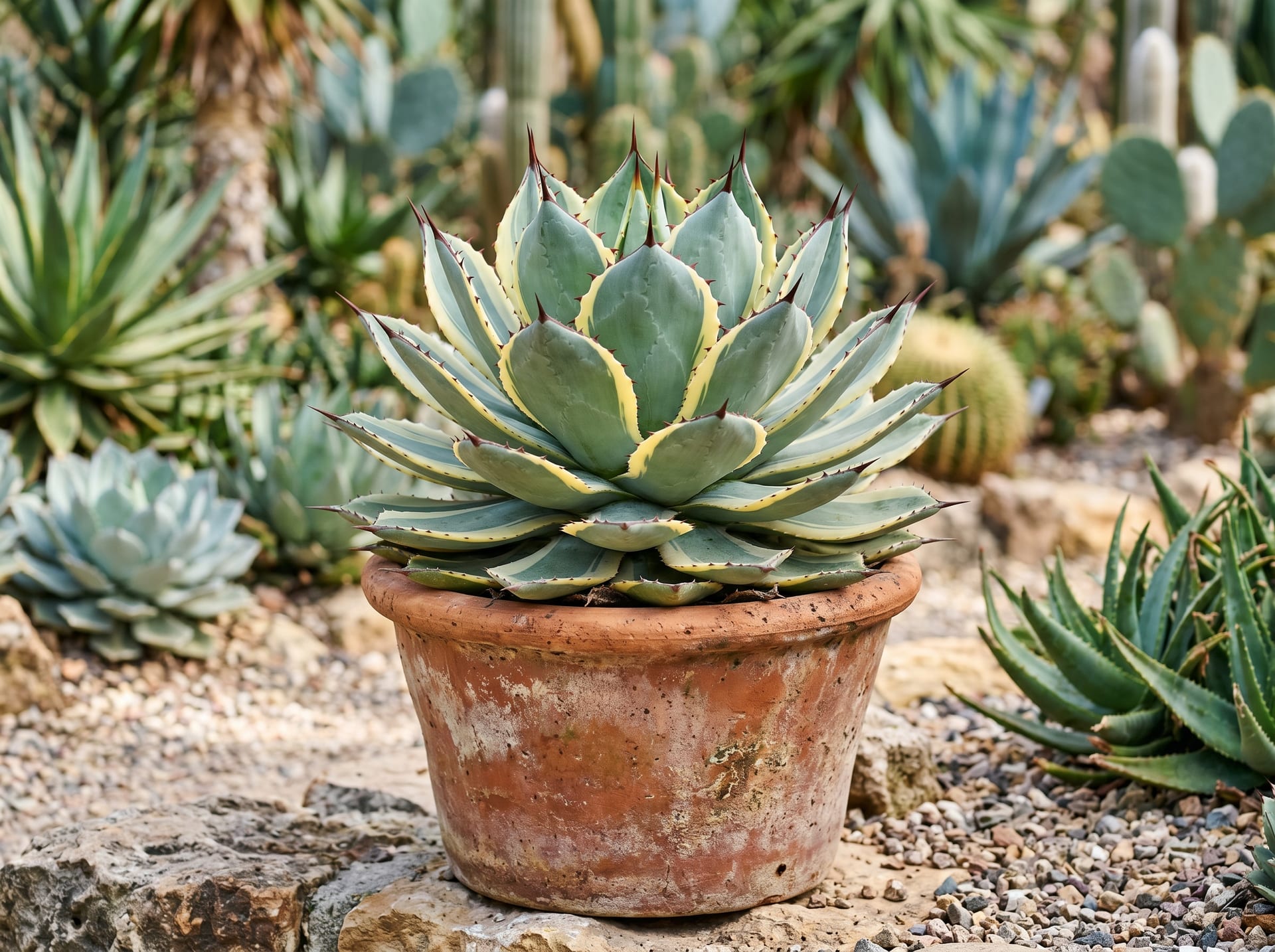
吉祥冠是龙舌兰波多图卢姆的园艺品种,在日本已有悠久的栽培历史,是备受喜爱的经典龙舌兰。自江户时代起就被广泛种植,在日本多肉植物文化中占据重要位置。短而宽阔的灰蓝色叶片呈放射状展开,叶缘排列着红至褐色的齿状棘刺,形成优雅的莲座形态。成体高约30~50厘米,宽约40~60厘米,呈现紧凑的莲座形。虽然生长较为缓慢,但植株强健且适应性强,是初学者友好的品种。喜爱直射阳光,光照不足会导致叶色变淡。浇水宜在土壤完全干燥后进行,冬季应减少至每月约一次。用土应重视排水性,需防止过度潮湿。耐寒性约5℃,冬季需在无霜环境下越冬。花卉园艺中心和多肉植物专门店广泛出售,价格相对亲民,是龙舌兰入门爱好者的理想首选。
基本信息
产地
园艺品种(原种分布于墨西哥瓦哈卡州·普埃布拉州)
寿命
20年以上
体型
30~50厘米
温度
5〜40℃
浇水与施肥
无
栽培指南
光照
喜欢直射阳光
浇水
耐干旱。浇水适量控制
耐寒性
可耐寒至约-5℃
要点
强健易养,是初学者龙舌兰入门的最佳选择
龙舌兰吉祥冠常见问题
Q栽培龙舌兰吉祥冠的难度如何?
适合新手. 这是一个适合初学者的物种。不需要特殊设备或经验,基本的栽培设置即可成功栽培。
Q龙舌兰吉祥冠的理想温度是多少?
龙舌兰吉祥冠的理想温度为5〜40℃。避免温度骤变,保持稳定的环境。
Q龙舌兰吉祥冠的寿命是多长?
龙舌兰吉祥冠的平均寿命为20年以上。通过适当的护理和营养,它们可以长寿健康地生活。
Q龙舌兰吉祥冠能长多大?
龙舌兰吉祥冠成年后通常可达30~50厘米。大小可能因栽培条件和个体遗传而异。
Q龙舌兰吉祥冠如何浇水施肥?
龙舌兰吉祥冠的浇水与施肥为:无。请注意适当的频率和用量。
Q龙舌兰吉祥冠的一般价格是多少?
龙舌兰吉祥冠的价格因品种、大小和系统而有很大差异。请查看我们的市场价格页面获取最新价格信息。
最后更新: 2026年7月5日
参考与来源
编辑与数据核验: botachoku编辑部
本页的分类·法规·栽培数据依据下列权威一手来源编制并核验。
分类与学名依据
法规与保护状况
来源: CITES Appendices (List of species protected by CITES Appendix II) / 環境省 特定外来生物一覧 (Agave 非該当を確認)
法规可能修订,请以各主管机关的最新一手信息为准。
查找此物种的商品
相关文章
Agave Propagation Methods | Practical Guide to Offsets, Pup Division, and Seed Sowing
A comprehensive guide to three primary methods for agave propagation. This article explains the procedures for offset propagation, pup division, and seed sowing, covering success factors and variety-specific selection criteria from a professional perspective.
Growth Acceleration Strategy for Large Agave Plants | Fertilization, Light, Temperature, and Repotting Timing
Maximizing the growth of large agave plants requires strategically optimizing four key elements: fertilization, light, temperature, and repotting. A growth rate 3 to 5 times faster than normal is achievable within one year.
Outdoor Environment Setup for Large Agave Species and In-Ground Installation Strategies for Oversized Varieties
Challenges in Large Agave Cultivation and the Importance of Outdoor Environments Among Agave species, large varieties that exceed one meter at maturity (such as Agave titanota and Agave parry) captivate many plant enthusiasts with their imposing presence and visual impact. However, as size increases, indoor management becomes increasingly difficult, making the transition to outdoor cultivation essential. Outdoor environments require more than simply "securing land"—they demand a complex system encompassing wind-resistant anchoring methods, efficient drainage, and seasonal adaptation strategies. This article explains practical, concrete methods for setting up outdoor environments to safely and healthily cultivate large Agaves.
Complete Guide to Growing Agave horrida | Care Tips for This Popular Variety with Black, Sharp Serrated Edges
Guide to growing Agave horrida, prized for its black, sharp serrated edges and compact rosette form. We've compiled cultivation tips covering placement, watering, soil, repotting, and propagation methods.