跳转到主要内容
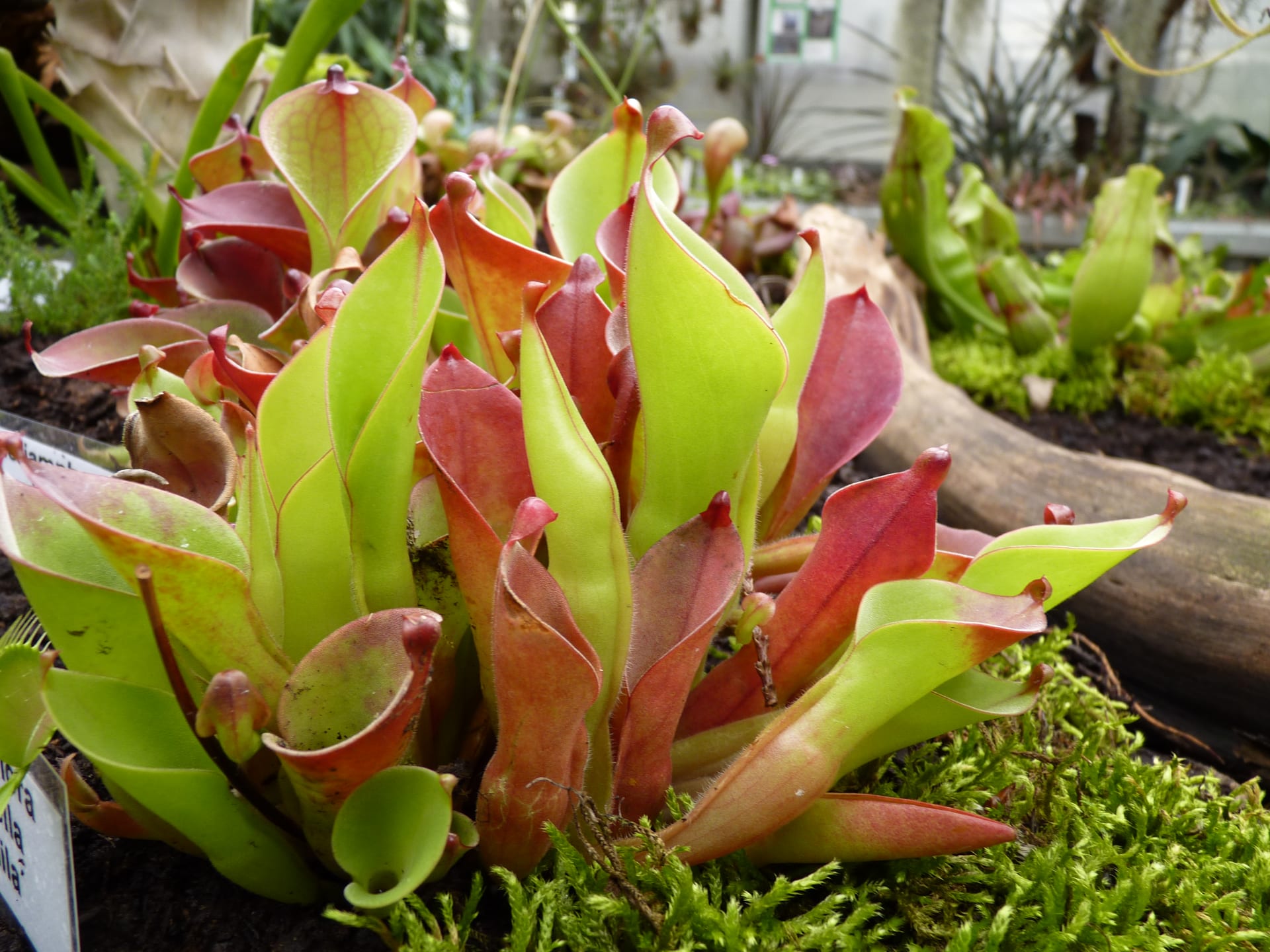
食虫植物© Noah Elhardt / CC BY-SA 2.5

栽培者直营市场

食虫植物网上商城 | 生产者直销

经认证的栽培者精心培育的食虫植物,可直接购买。明确展示品种、产地、所需光照、栽培难度等信息。

限时活动

前3笔销售免佣金!在2026年8月31日前注册生产者账户 → 前3笔成交的手续费免费!

栽培者 招募中!

在BoTachoku上销售,直接面向全国客户销售吗?

免费注册无月费仅在成交时收取佣金
立即免费注册

ボタちょく的 6 项透明性承诺

栽培者在食虫植物出品时明示以下信息。确保品种、产地、所需光照、栽培难度的透明度。

  • 品种明确
  • 真实照片
  • 颜色
  • 产地明确
  • 所需光照
  • 难度明确
0 items

食虫植物分类正在招募认证栽培者

栽培者正在陆续注册,即将上架。设置上架通知,不错过新商品。

「接收上架通知」需免费注册会员即可设置。当有符合您保存条件的新商品上架时,我们会通过邮件和站内通知提醒您。

查看其他分类

想上架食虫植物吗?

注册成为栽培者,即可与买家直接联系。

申请成为栽培者

Explore the plant encyclopedia

关于carnivorous plant

The carnivorous plant category on Bree-Choku lets you welcome distinctive plants — Venus flytraps, nepenthes, sundews, sarracenia and more — directly from the growers who raised them. Carnivorous plants come from nutrient-poor wetlands, so their care assumptions differ greatly from ordinary garden flowers. Learn each type's traits and check the plant's condition and growing environment before choosing.

开始养护carnivorous plant前需要了解的7件事

  1. 1Understand the differences between types

    Venus flytraps and sarracenia need strong light and a winter dormancy, while nepenthes are tropical and prefer warmth and humidity. Sundews vary widely in difficulty by species. Before starting, confirm what environment your particular type requires.

  2. 2Use a dedicated, fertilizer-free medium

    Carnivorous plants prefer low-nutrient soil, and ordinary potting mix containing fertilizer damages their roots. Sphagnum moss and fertilizer-free media such as kanuma or peat are standard, with blends varying by type. Check which medium the plant is potted in at purchase.

  3. 3Mind tray watering and water quality

    Many carnivorous plants are kept by tray watering, with water held in the saucer to keep the medium moist. Minerals in tap water can build up and weaken the plant, so rainwater or purified water is preferred. Preferred water levels differ by type, so confirm them.

  4. 4Secure strong light

    Venus flytraps, sarracenia, and many sundews need plenty of light; too little causes weak, stretched growth and poor color. A sunny outdoor spot or bright window suits them, but sudden exposure to strong light can harm them, so acclimate gradually.

  5. 5Understand which types go dormant

    Venus flytraps, sarracenia, and temperate sundews go dormant in winter, with leaves dying back as the plant pauses. This is not a problem but a natural process for sprouting again in spring. Keep them cool and water sparingly while they rest.

  6. 6Do not fertilize, and do not force-feed insects

    Applying ordinary fertilizer to carnivorous plants damages their roots. They obtain nutrients little by little from prey, and outdoors insects arrive naturally. Force-feeding large insects or meat can rot the trap, so as a rule, leave feeding alone.

  7. 7Check the plant's condition before choosing

    Firm, well-colored traps and active new growth are signs of a healthy plant. On Bree-Choku you welcome plants directly from the grower, so you can confirm type-specific care and how the plant was raised before choosing.

carnivorous plant的常见问题

Q.Are there carnivorous plants that are easy for beginners?
A.Venus flytraps, sarracenia, and hardy sundews are generally considered easy. All of them assume strong light and tray watering. Understand the care including winter dormancy, and choose with the grower's advice.
Q.Can I use tap water?
A.It may be fine for a short while, but minerals in tap water build up in the medium and can weaken the plant. Rainwater or purified water is preferred, so mind water quality if you want healthy long-term growth.
Q.Do I need to catch insects and feed the plant?
A.No. Grown outdoors, insects arrive on their own, and even with few insects the plant grows fine if light and water are sufficient. Force-feeding can rot the traps, so as a rule you do not need to feed it.
Q.The leaves are dying back in winter. Is the plant dead?
A.For dormant types such as Venus flytraps and sarracenia, leaves dying back in winter is natural. Kept cool with sparing watering, they sprout again in spring. Do not rush to dig them up.
Q.What are the benefits of buying directly from a grower?
A.You can check the plant's size, trap condition, and how it was raised, and hear type-specific care advice straight from the grower. With fewer distribution steps, environmental stress on the plant is also reduced.

carnivorous plant种植的实用工具

carnivorous plant相关专栏

食虫植物の初心者向けセットアップ完全ガイド|環境構築と失敗しないコツ

食虫植物の栽培環境を一から構築するための完全ガイド。用土・水質・湿度管理の基本から、初心者が陥りやすい失敗と対策まで解説します。

Carnivorous Plants in Bottle Gardens & Closed Cultivation Guide | Leveraging Sarracenia in High-Humidity Environments

A complete guide to cultivating North American carnivorous plants such as Sarracenia and Darlingtonia indoors using bottle gardens and Wardian cases. Covers humidity management in closed environments, water quality control, seasonal environmental adjustments, and troubleshooting.

Nepenthes Upper and Lower Pitchers | How Two Forms of Pitchers Develop and Management to Promote Pitcher Formation

Why do the lower pitchers and upper pitchers of Nepenthes have different shapes? This article explains the relationship with growth stages and humidity and temperature management to promote pitcher formation.

How to Help Carnivorous Plants Survive Summer | Heat and Drought Tolerance & Environmental Setup

Carnivorous plant summer survival hinges on keeping root temperature below 25°C. Detailed guidance on air conditioning, shade management, air circulation, adjusting tray water temperature, variety-specific strategies, and preparing for autumn transition.

How to Cultivate Sarracenia (Pitcher Plant) | Humidity Control and Maintaining Tubular Carnivorous Leaves

Methods for maintaining healthy tubular carnivorous leaves in Sarracenia. Detailed explanation of replicating native habitat conditions, optimal parameters for light, humidity, and growing media, seasonal management (the necessity of winter dormancy), and pest and disease management. A professional cultivation guide for experienced growers.

Bottle Garden and Terrarium Cultivation of Carnivorous Plants (Closed Containers)

Bottle Garden and Terrarium Cultivation of Carnivorous Plants (Closed Containers)

查看更多carnivorous plant相关专栏 →