 © Scott Zona / CC BY 2.0
马达加斯加猪笼草
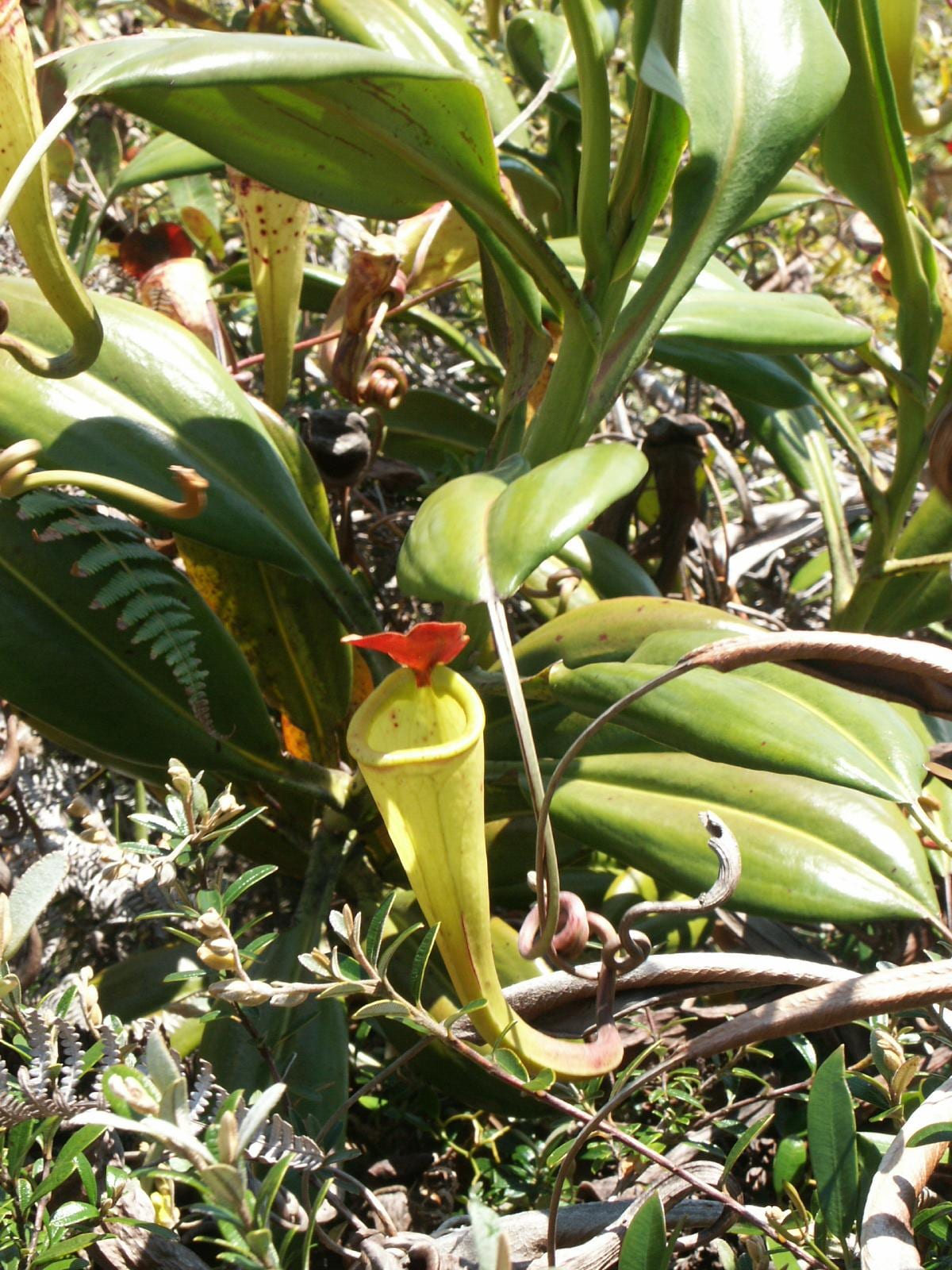
Nepenthes madagascariensis is a pitcher plant from the lowland wetlands of eastern Madagascar. Its upper pitchers are slender and funnel-shaped, often yellow, and you can recognize it by the broad peristome and the almost round lid. It was recorded in the 17th century and was the first Nepenthes species known to science. This perennial, semi-shrubby plant grows up to 2 m tall, with upper pitchers about 26 cm high. Its difficulty is rated intermediate, and a warm, humid setup that reflects its lowland wetland origins is the key to growing it well.
View 马达加斯加猪笼草 encyclopedia →成交手续费0%!2026年9月30日前注册,前 2 株免佣金!
生产者 招募中!
在GrowerDirect上销售,直接面向全国客户销售吗?
GrowerDirect的 6 项透明性承诺
生产者在食虫植物出品时明示以下信息。确保品种、产地、所需光照、栽培难度的透明度。
- 品种明确
- 真实照片
- 颜色
- 产地明确
- 所需光照
- 难度明确
查看全部145个品种
食虫植物分类正在招募认证生产者
生产者正在陆续注册,即将上架。设置上架通知,不错过新商品。
「接收上架通知」需免费注册会员即可设置。当有符合您保存条件的新商品上架时,我们会通过邮件和站内通知提醒您。
马达加斯加猪笼草的基本数据
- 养护难度
- 适合中级者
- 寿命
- 多年生(半灌木状)
- 体型
- 高度可达2米,上部袋高约26厘米
- 浇水
- 施肥极少稀薄(主要捕捉蚂蚁)
- 温度·越冬
- 低地类型的种类,全年喜好高温高湿。由于不耐寒,秋至春季应在温暖的室内或加温温室中养护。
- 光照·摆放位置
- 喜好明亮的光线。放在窗边或温室明亮处,仅避免盛夏强烈的直射日光。
- 浇水
- 使用雨水或矿物质含量少的水浇灌,在基质完全干燥前进行浇水。不要在托盘中长期积水,防止根部腐烂。
- 基质·换盆
- 使用排水通气性良好的基质种植。常用水苔单独使用,或在兰花用土中混入水苔或珍珠岩。
- 肥料
- 若使用化肥应极度稀释。偶尔在捕虫袋中放入昆虫即可满足营养需求。
- 繁殖方法
- 雌雄异株,单株无法结种。扦插繁殖的株在市场流通,自己也可通过茎插繁殖。
关于马达加斯加猪笼草
Nepenthes madagascariensis is a perennial pitcher plant from the lowland wetlands of eastern Madagascar, known for its slender, often yellow upper pitchers. It grows up to 2 m tall and suits intermediate growers. Traits, care tips and FAQ.
开始养护马达加斯加猪笼草前需要了解的7件事
1Light, warmth, humidity
This lowland species likes warmth and bright light. A window with sunlight filtered through a sheer curtain, or a spot under a plant light, works well, but harsh direct sun can scorch the leaves. Since it comes from wetlands, keep the air humid with a humidifier or an enclosed case, while still allowing gentle air movement so the plant does not stay stuffy.
2Watering and water quality
Because it grows in wetlands, avoid letting the medium dry out completely. Rainwater or purified water low in minerals is gentler on the roots than hard tap water. Keeping a shallow layer of water in the saucer is a common approach, but check that the roots are not left sitting in stagnant water.
3Choosing a potting mix
Look for a lean, acidic mix that holds moisture yet still drains and breathes. Sphagnum moss blended with perlite is a widely used combination. Avoid rich, fertilized soils, which can damage the roots.
4Repotting with care
Repot during the warm season, when the plant is actively growing. The roots are delicate, so do not strip off all the old medium; simply move the plant into a pot one size larger. Afterward, soften the light and keep humidity up while it settles in.
5Seasonal care
In spring and summer, provide plenty of light and humidity to support new leaves and pitchers. As a lowland native it dislikes the cold, so move it to a warm room for autumn and winter and use supplemental light to make up for shorter days. Do not let the medium dry out in winter either.
6Choosing a healthy plant
Choose a plant with active new growth and few dark or damaged spots on the leaves. Use the listing details and photos to check that the base is firm and the roots look healthy. It also helps to read the description of size and condition, since a young plant and one with a long stem will develop differently from here.
7Managing long stems
This semi-shrubby plant can reach up to 2 m in height. When the stem gets long, support it with a stake and trim it back when needed to keep the plant tidy. Upper pitchers form on the extended stem, so how the stem grows affects how the pitchers appear.
马达加斯加猪笼草的常见问题
- Q.Can a beginner grow it?
- A.Its difficulty is rated intermediate. It needs warmth, humidity and bright light together, so some experience with Nepenthes makes things easier. If you are new to them, set up the growing environment first and bring the plant home afterward.
- Q.Do I need to feed it insects?
- A.It is not required. The pitchers are part of the leaves, and the plant also grows through photosynthesis. If you do feed it, keep the amount small and do not overfill the pitchers.
- Q.How large does it get?
- A.It grows up to 2 m tall, and the upper pitchers are about 26 cm high. It is a perennial with a semi-shrubby habit and a lengthening stem, so a stake or other support helps. Choose its spot with the mature size in mind.
- Q.Why is my plant not forming pitchers?
- A.Common causes are too little light, low humidity, or a sudden change in conditions. Start by reviewing the brightness and how dry the air is, then check the water quality and the condition of the medium. It also helps to give the plant some time to adjust to a new environment.
- Q.How can I tell it from other Nepenthes?
- A.Look for the slender, funnel-shaped upper pitchers that are often yellow, the broad peristome and the almost round lid. Pitcher color and shape can vary with growth stage and conditions, so it is reassuring to also check the label and listing details.
马达加斯加猪笼草种植的实用工具
在图鉴中详细了解马达加斯加猪笼草
查看马达加斯加猪笼草的图鉴条目 →
收录栽培难度、尺寸、原产地、日照等基础数据。