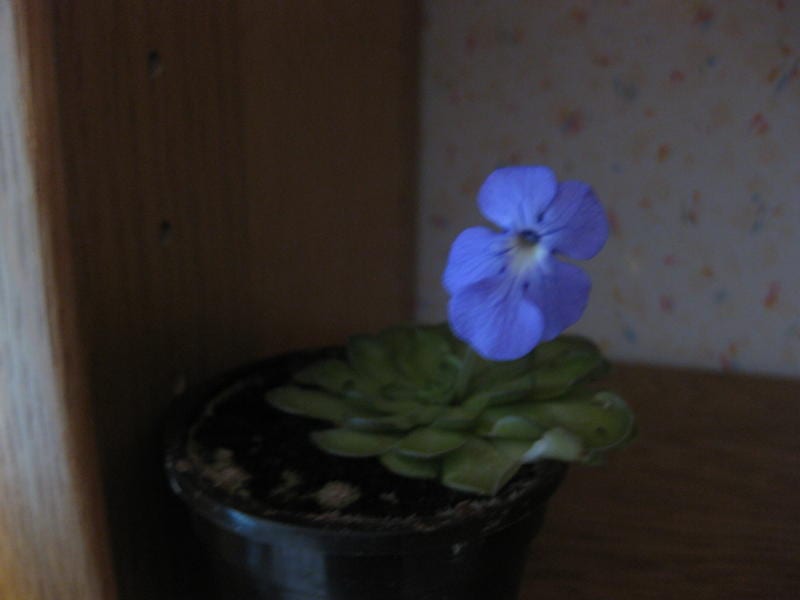
 © Nephiliskos at de.wikipedia / CC BY-SA 3.0
圆叶油瓶草(Pinguicula cyclosecta)
Pinguicula cyclosecta is a small butterwort native to the limestone regions of northeastern Mexico. Its fleshy leaves are edged in blue-purple, a signature trait that spreads across the whole leaf under strong light. The flowers are purple with neatly rounded petals, giving the plant a different kind of charm than its foliage alone. In summer the rosette can reach up to 6cm across, while in winter it contracts to a compact 2.5cm, so the plant changes character with the seasons. It's considered an easy species for beginners and makes a great first carnivorous plant for anyone getting started with butterworts.
View 圆叶油瓶草(Pinguicula cyclosecta) encyclopedia →成交手续费0%!2026年9月30日前注册,前 2 株免佣金!
生产者 招募中!
在GrowerDirect上销售,直接面向全国客户销售吗?
GrowerDirect的 6 项透明性承诺
生产者在食虫植物出品时明示以下信息。确保品种、产地、所需光照、栽培难度的透明度。
- 品种明确
- 真实照片
- 颜色
- 产地明确
- 所需光照
- 难度明确
查看全部145个品种
食虫植物分类正在招募认证生产者
生产者正在陆续注册,即将上架。设置上架通知,不错过新商品。
「接收上架通知」需免费注册会员即可设置。当有符合您保存条件的新商品上架时,我们会通过邮件和站内通知提醒您。
圆叶油瓶草(Pinguicula cyclosecta)的基本数据
- 养护难度
- 适合新手
- 寿命
- 多年生草本
- 体型
- 夏季莲座叶丛直径最大6厘米,冬季莲座叶丛直径约2.5厘米
- 浇水
- 几乎无需施肥(通过叶片粘液捕捉小虫)
- 温度和越冬
- 夏季在温暖湿润的环境中生长食虫叶,冬季保持凉爽和略干的条件会导致多肉冬叶形成并休眠。适合室内窗边环境。
- 光照和放置位置
- 在明亮的窗边或照明下栽培。原产地多生长在日照较少的悬崖上,应避免炎夏强直射光。
- 浇水
- 夏季食虫叶生长期可在托盘中保持约2厘米的水位。进入多肉冬叶期后,在浇水前应干燥约1周。
- 培养土和换盆
- 虽不是湿地植物,但应使用等量混合的泥炭、粗砂和珍珠岩,加入白云质石灰调节至偏碱性。换盆和分株最好在冬季休眠期进行。
- 病害虫和注意事项
- 不要对油瓶草使用杀菌剂,否则会造成伤害。由于蕈蚋幼虫会啃食叶片,在培养土表面铺一层薄的粗砂有帮助。
关于圆叶油瓶草(Pinguicula cyclosecta)
Pinguicula cyclosecta is a small Mexican butterwort with blue-purple leaf edges and neat purple flowers. It's a beginner-friendly, easy-to-grow perennial carnivorous plant.
开始养护圆叶油瓶草(Pinguicula cyclosecta)前需要了解的7件事
1Bright Light Brings Out Color
The blue-purple edging on the leaves intensifies under stronger light. A spot near a window with sheer curtains, or bright semi-shade under shade cloth outdoors, works well. Avoid direct midsummer sun, which can scorch the leaves.
2Keep It Constantly Moist
Like most butterworts, it does best with the tray method, keeping the soil consistently moist from below. Ensure good airflow during hot summer months to prevent rot, and water a bit more sparingly in winter.
3Free-Draining, Slightly Alkaline Mix
It isn't a bog plant; in the wild it grows in limestone crevices. An equal mix of peat, coarse sand, and perlite with dolomite lime added to make it slightly alkaline suits it well.
4Repot During Winter Rest
Repot periodically to prevent the mix from breaking down and the roots from crowding. Repotting and division are best done during the winter rest period.
5Succulent Winter Leaves
In winter it switches to a compact winter rosette about 2.5cm across made of small, succulent, non-carnivorous leaves. Keep it cool and on the dry side during this period; once the winter leaves form, let the soil dry for about a week before watering.
6Summer Growth Reaches 6cm
As temperatures rise, the plant produces its sticky, fleshy carnivorous leaves and the rosette can grow to about 6cm across. This is its true trapping form, so give it plenty of light during the growing season.
7Choose by Leaf Edge Color
When selecting a plant, look for one with clearly visible blue-purple coloring along the leaf edges, a sign it has been grown under adequate light. Pick a rosette with no damage or blackened spots and a tightly formed center.
圆叶油瓶草(Pinguicula cyclosecta)的常见问题
- Q.Is this a good species for beginners?
- A.Yes, it's generally considered beginner-friendly. With bottom watering and a bright spot, it's an easy perennial even for those new to carnivorous plants.
- Q.Why aren't the leaf edges turning blue-purple?
- A.This is usually due to insufficient light, since the coloring intensifies under stronger light. Try moving the plant to a brighter window or a spot with filtered direct light.
- Q.The plant looks like it's dying in winter—is that normal?
- A.Yes. In winter it switches to small, succulent, non-carnivorous leaves, forming a winter rosette about 2.5cm across. This isn't dieback, so keep it cool and fairly dry and wait for spring.
- Q.Do I need to feed it insects?
- A.In the wild it catches small insects for nutrients, but feeding isn't strictly necessary when grown indoors. It especially doesn't need feeding during winter, when its trapping activity slows.
- Q.How big does it get?
- A.During warmer months the rosette grows to about 6cm across, shrinking to roughly 2.5cm in winter. This seasonal size change is a distinctive trait of the species.
圆叶油瓶草(Pinguicula cyclosecta)种植的实用工具
在图鉴中详细了解圆叶油瓶草(Pinguicula cyclosecta)
查看圆叶油瓶草(Pinguicula cyclosecta)的图鉴条目 →
收录栽培难度、尺寸、原产地、日照等基础数据。