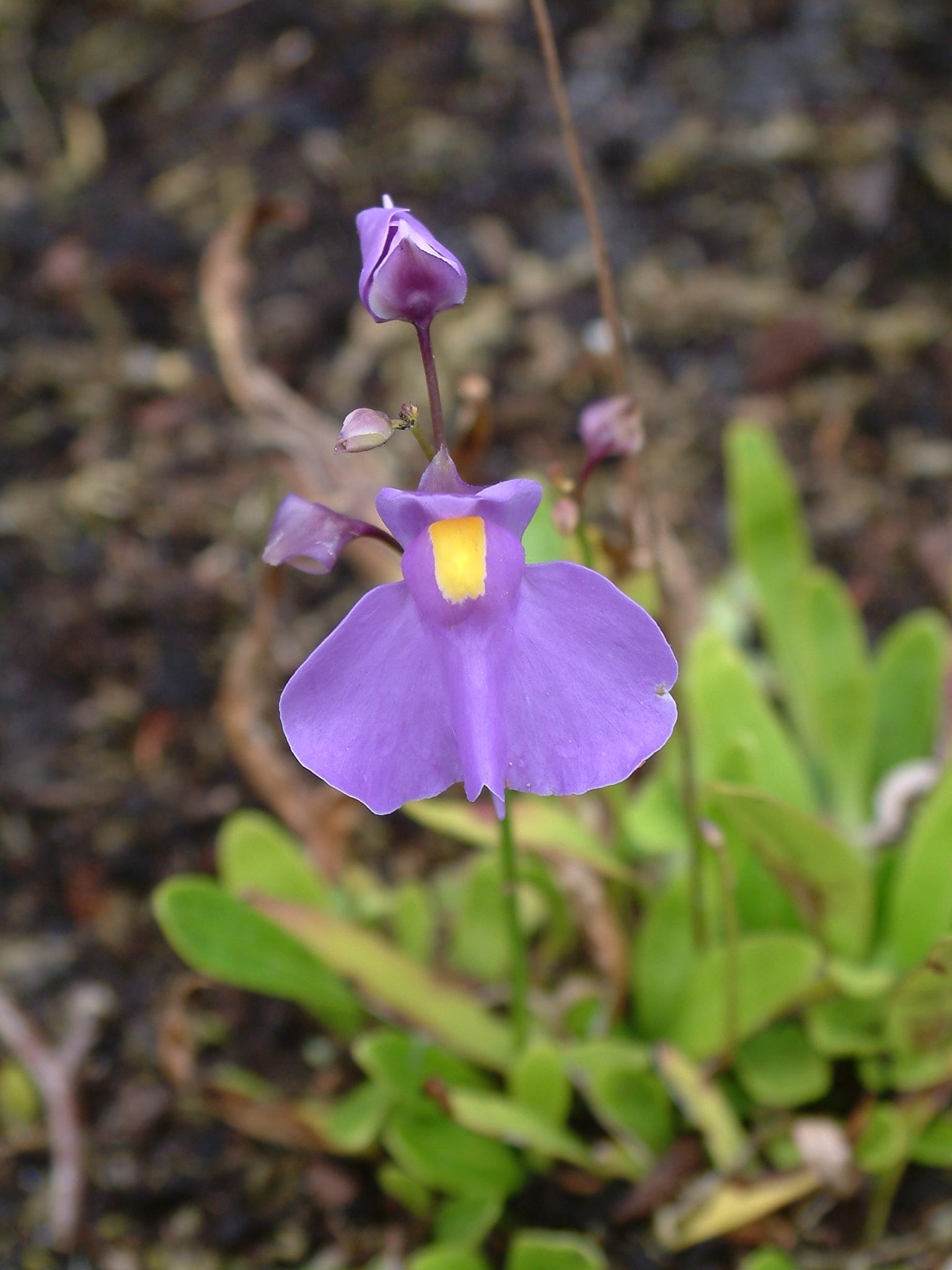
 © alexlomas / CC BY 2.0
长叶狸藻
Utricularia longifolia is a large bladderwort native to the rocky outcrops of Brazil's Atlantic coastal forests. It produces the longest, most slender leaves of any species in its genus, typically 10 to 20 cm in cultivation, though they can exceed a meter in the wild. Its biggest draw is the flower: surprisingly showy, orchid-like blooms that appear in succession, offsetting its modest, grass-like foliage. As a perennial and one of the easier tropical bladderworts to grow, it's a good choice for anyone curious about carnivorous plants for the first time.
View 长叶狸藻 encyclopedia →成交手续费0%!2026年9月30日前注册,前 2 株免佣金!
生产者 招募中!
在GrowerDirect上销售,直接面向全国客户销售吗?
GrowerDirect的 6 项透明性承诺
生产者在食虫植物出品时明示以下信息。确保品种、产地、所需光照、栽培难度的透明度。
- 品种明确
- 真实照片
- 颜色
- 产地明确
- 所需光照
- 难度明确
查看全部145个品种
食虫植物分类正在招募认证生产者
生产者正在陆续注册,即将上架。设置上架通知,不错过新商品。
「接收上架通知」需免费注册会员即可设置。当有符合您保存条件的新商品上架时,我们会通过邮件和站内通知提醒您。
长叶狸藻的基本数据
- 养护难度
- 适合新手
- 寿命
- 多年生草本
- 体型
- 叶片在栽培下长度约10~20cm(在自生地可能超过1m)
- 浇水
- 不施肥(通过地下的捕虫囊捕捉微小生物)
- 光照·放置位置
- 在明亮室内、温室或生态箱中栽培。以地生方式栽培为基本,但也可附生或在浅水中浸育。
- 浇水
- 保持栽培基质湿润,可将花盆浸在浅水中栽培。使用雨水等矿物质含量低的水。
- 栽培基质·换盆
- 可用单独泥炭苔或泥炭与沙以1:1比例混合的基质栽培。喜好排水良好的配合,对基质不挑剔。
- 温度·越冬
- 热带植物。冬季在温暖室内管理,避免受冷。
- 施肥
- 基质中不施肥。过多肥料会导致植物枯死。
- 繁殖方法
- 将原盆基质和植株的一半分开,栽入新基质可增至2盆。长期放置会衰弱,应定期更新。
关于长叶狸藻
A large Brazilian bladderwort prized for its slender leaves and showy, orchid-like flowers. A beginner-friendly perennial among tropical Utricularia species, ideal for those new to carnivorous plants.
开始养护长叶狸藻前需要了解的7件事
1Bright, Indirect Light
This species prefers bright, filtered light rather than harsh direct sun, echoing the shaded, humid rock faces of its native Atlantic forest habitat. Strong summer afternoon sun can scorch the leaves, so some shading is recommended during the hottest months.
2Watering via Tray Method
Like most carnivorous plants, it's typically grown with the pot standing in a shallow tray of water to keep the soil constantly moist, and the tray should never be allowed to run dry. If mineral buildup is a concern, rainwater or soft water is a safer choice than tap water.
3Soil: Sphagnum Moss Mix
A mix of live or dried sphagnum moss, or peat combined with a mineral aggregate, balances drainage with moisture retention. Avoid standard fertilized potting soil, as the added nutrients can damage the roots.
4Repot During Active Growth
Repot in spring to early summer, during the active growing season, once the substrate has broken down or the roots have filled the pot. Gently ease the plant free without damaging the fine roots, and settle it into fresh moss or mix.
5Overwinter Indoors, Warm
As a tropical species, keep it in a warm, bright spot indoors for winter and don't expose it to cold. Chilling can halt growth or damage the plant.
6Choosing a Healthy Plant
Look for a plant with vivid green, elongated leaves and several actively growing shoots. Avoid specimens with browning leaf tips or very few leaves, as these signs can indicate stress.
7Flowering Takes Maturity
The orchid-like flowers tend to appear once the plant is well established and growing in stable conditions. Consistent bright light, humidity, and tray watering are the surest path to seeing it bloom.
长叶狸藻的常见问题
- Q.Is this suitable for beginners?
- A.It's considered one of the easier tropical bladderworts to grow. That said, like most carnivorous plants, it still needs consistent tray watering and appropriate light.
- Q.Can it be grown outdoors?
- A.It can be kept outdoors in bright shade during summer, but it has low cold tolerance and needs to come indoors for winter. Ease it through seasonal transitions gradually to avoid stressing the plant.
- Q.Do I need to feed it insects?
- A.No, it naturally captures tiny aquatic organisms with its bladder traps, so manual feeding isn't necessary. In an outdoor tray-watering setup, microorganisms in the water supply it on their own.
- Q.Can I trim the leaves if they get too long?
- A.It's fine to remove dead or damaged leaves at the base. Cutting back healthy leaves significantly can stress the plant, so it's best to let it keep its natural form.
- Q.How large does it get?
- A.In cultivation, the leaves typically reach about 10 to 20 cm long. In the wild, on rocky outcrops, they can exceed a meter, but potted plants generally stay much more compact.
长叶狸藻种植的实用工具
在图鉴中详细了解长叶狸藻
查看长叶狸藻的图鉴条目 →
收录栽培难度、尺寸、原产地、日照等基础数据。