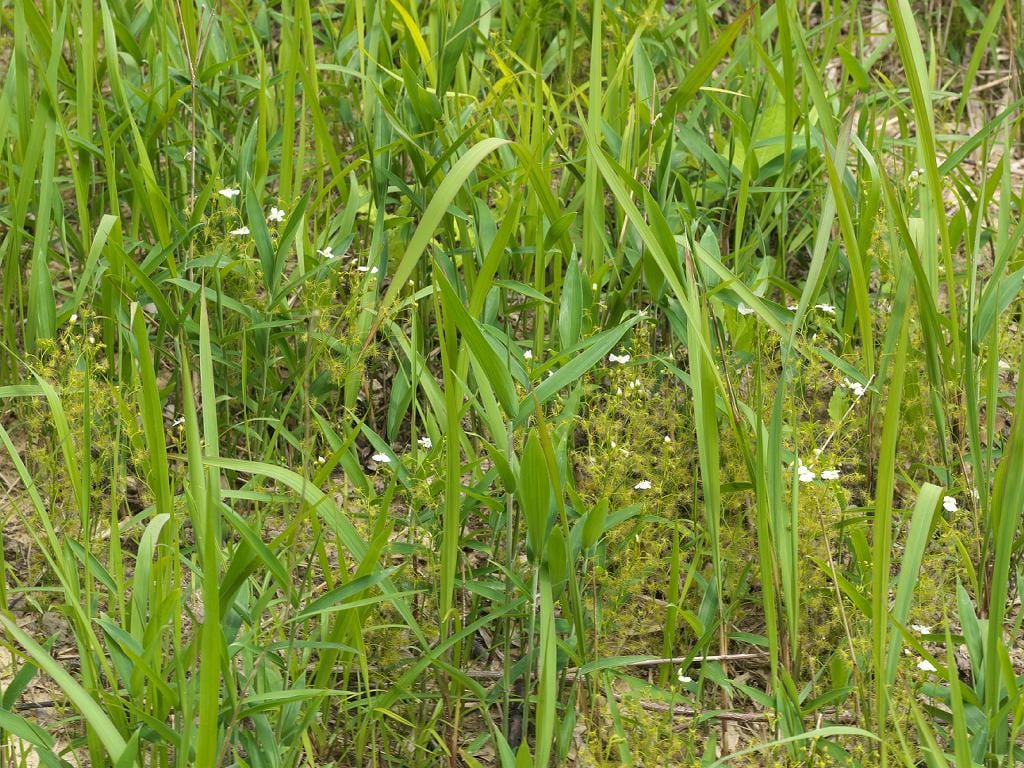
 © Keisotyo / CC BY-SA 4.0
盾叶茅膏菜
Ishimochisou (Drosera peltata), known in English as the shield sundew, is a native Japanese carnivorous plant related to the classic sundews. Its crescent-shaped leaves are lined with sticky glandular hairs strong enough to trap insects, and, according to its Japanese name, even lift tiny pebbles. Each spring, a slender stem rises from a small underground tuber, unfurling leaves in an alternating pattern, and by early summer the plant produces delicate white flowers. Once flowering ends, the foliage dies back completely, and the plant spends summer resting as a dormant tuber underground, a dramatic seasonal cycle that sets it apart from many other sundews. Because this cycle calls for careful, season-by-season care, it is generally considered a plant for experienced growers, but that challenge is part of its appeal.
View 盾叶茅膏菜 encyclopedia →成交手续费0%!2026年9月30日前注册,前 2 株免佣金!
生产者 招募中!
在GrowerDirect上销售,直接面向全国客户销售吗?
GrowerDirect的 6 项透明性承诺
生产者在食虫植物出品时明示以下信息。确保品种、产地、所需光照、栽培难度的透明度。
- 品种明确
- 真实照片
- 颜色
- 产地明确
- 所需光照
- 难度明确
查看全部145个品种
食虫植物分类正在招募认证生产者
生产者正在陆续注册,即将上架。设置上架通知,不错过新商品。
「接收上架通知」需免费注册会员即可设置。当有符合您保存条件的新商品上架时,我们会通过邮件和站内通知提醒您。
盾叶茅膏菜的基本数据
- 养护难度
- 适合高级者
- 寿命
- 多年生植物(块茎在夏季休眠)
- 体型
- 高度10~30厘米(国内植株)
- 浇水
- 不施肥(捕食小昆虫)
- 日照与位置
- 在光照充足且凉爽的地方培育。球根性茅膏菜只要明亮凉爽就很强壮,但气温连续超过25℃时地上部分会提早枯死。
- 浇水
- 生育期用浅盆腰水保持湿润。花后地上部分枯死时,减少浇水防止块茎腐烂,保持土壤略湿即可。
- 基质和栽植
- 根系长且易损伤,应使用深盆,采用泥炭土1:砂2左右的比例配植。避免在生育期进行栽植,应在休眠期进行。
- 休眠期管理
- 夏季地上部分枯死,以块茎休眠。看到枯死不要丢弃处理。休眠期间状态不易观察,长期维持较为困难。
- 肥料
- 土壤中不加肥料。养分由捕食的小昆虫提供。
- 病虫害和注意事项
- 国内自生地灭绝令人担忧,请勿采集野生植株。购买时应选择人工繁殖品。
关于盾叶茅膏菜
Ishimochisou (shield sundew) is a Japanese native carnivorous plant with crescent-shaped sticky leaves, spring growth from a tuber, early-summer white flowers, and summer dormancy, a rewarding challenge for experienced growers.
开始养护盾叶茅膏菜前需要了解的7件事
1Sun and Cool Conditions
During the growing season, keep it in a cool, sunny spot. Tuberous sundews are tough when kept bright and cool, but extended heat above 25°C makes the foliage die back early. Once the top growth dies down for dormancy in summer, take care not to let the tuber rot.
2Tray Watering
During active growth the soil must stay consistently moist, so standing the pot in a shallow saucer of water, known as tray watering, is the standard method. Cut back sharply once summer dormancy begins, keeping the soil only slightly damp. Switching between these two modes with the seasons matters, since the plant tolerates neither drought nor waterlogging well.
3Soil Mix
The roots are long and easily damaged, so use a deep pot and a mix of about one part peat to two parts sand. Keep fertilizer out of the soil and water with rainwater or purified water. Avoid repotting during growth; do it while the plant is dormant.
4Repot During Dormancy
Repot only during summer dormancy, once the foliage has died back. The tuber is very small and delicate, so lift it gently along with the surrounding soil and avoid letting it dry out completely. Repotting during active growth can seriously weaken the plant.
5A Changing Seasonal Cycle
In spring it sprouts from an underground tuber and sends up a stem, flowering white in May and June. From summer on the foliage dies back, leaving only a dormant tuber. This is easy to mistake for death, but it's a normal part of the cycle, so don't throw it out: cut back on water to keep the soil just slightly moist so the tuber doesn't rot.
6Check the Tuber
When choosing a plant, look beyond the leaves to whether the tuber feels plump and firm, since this is a key sign of health. If you acquire one during dormancy, dieback of the foliage is completely normal, so check the soil condition and any accompanying notes instead.
7No Feeding Needed
The sticky glands on the crescent-shaped leaves naturally trap small insects, so there is generally no need to feed the plant by hand. Leaves whose glue has dried up are simply reaching the end of their natural lifespan, not a sign that the whole plant is struggling.
盾叶茅膏菜的常见问题
- Q.My leaves died back in summer, is it dead?
- A.No, this is normal. Ishimochisou dies back to a dormant tuber from summer on as part of its regular cycle. Keep the soil only slightly moist so the tuber doesn't rot, and it will sprout again in spring.
- Q.Should I feed it insects to help it grow?
- A.Feeding is not necessary in most cases. The sticky leaves catch small insects naturally when the plant is kept outdoors, and hand-feeding can actually damage the delicate leaves.
- Q.Can I water it the same way as a regular houseplant?
- A.No, watering needs change significantly with the season. Keep the soil constantly moist with tray watering during active growth, then cut back in summer dormancy, and use rainwater or purified water rather than tap water whenever possible.
- Q.When is the best time to repot?
- A.The best time is during summer dormancy, after the foliage has died back. The tuber is small and delicate, so repotting during active growth should be avoided.
- Q.Is this a good plant for beginners?
- A.It is generally considered a plant for experienced growers, since it requires careful, season-specific adjustments to watering and soil conditions. It is best approached after gaining some experience growing other carnivorous plants.
盾叶茅膏菜种植的实用工具
在图鉴中详细了解盾叶茅膏菜
查看盾叶茅膏菜的图鉴条目 →
收录栽培难度、尺寸、原产地、日照等基础数据。