跳转到主要内容
龙舌兰

栽培者直售市场

龙舌兰在线购物|生产者直售

认证过的栽培者精心培育的龙舌兰,可直接购买。明确显示品种、产地、光照需求、栽培难度等信息。

价格范围
¥6,000¥6,000
限时活动

前3笔销售免佣金!在2026年8月31日前注册生产者账户 → 前3笔成交的手续费免费!

栽培者 招募中!

在BoTachoku上销售,直接面向全国客户销售吗?

免费注册无月费仅在成交时收取佣金
立即免费注册

ボタちょく的 6 项透明性承诺

(在1株出品中确认)

在龙舌兰出品中,栽培者将明确显示以下信息。确保品种、产地、光照需求、栽培难度的透明性。

  • 品种明示
  • 实物照片
  • 色泽
  • 产地明示
  • 光照需求
  • 难度明示
1 items

Explore the plant encyclopedia

关于agave

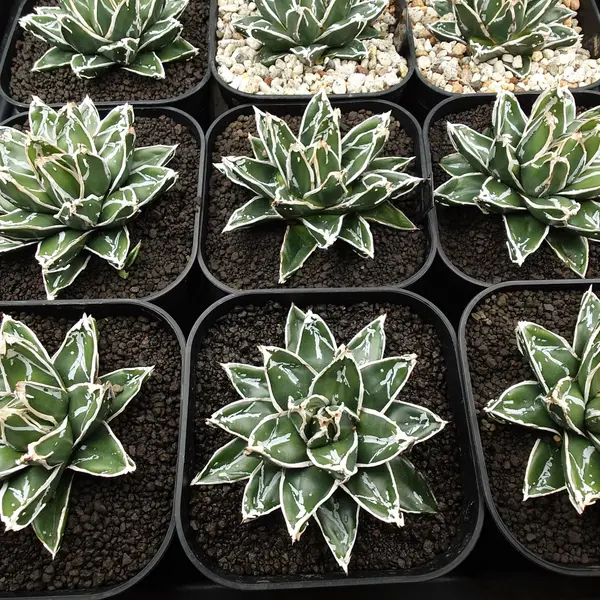
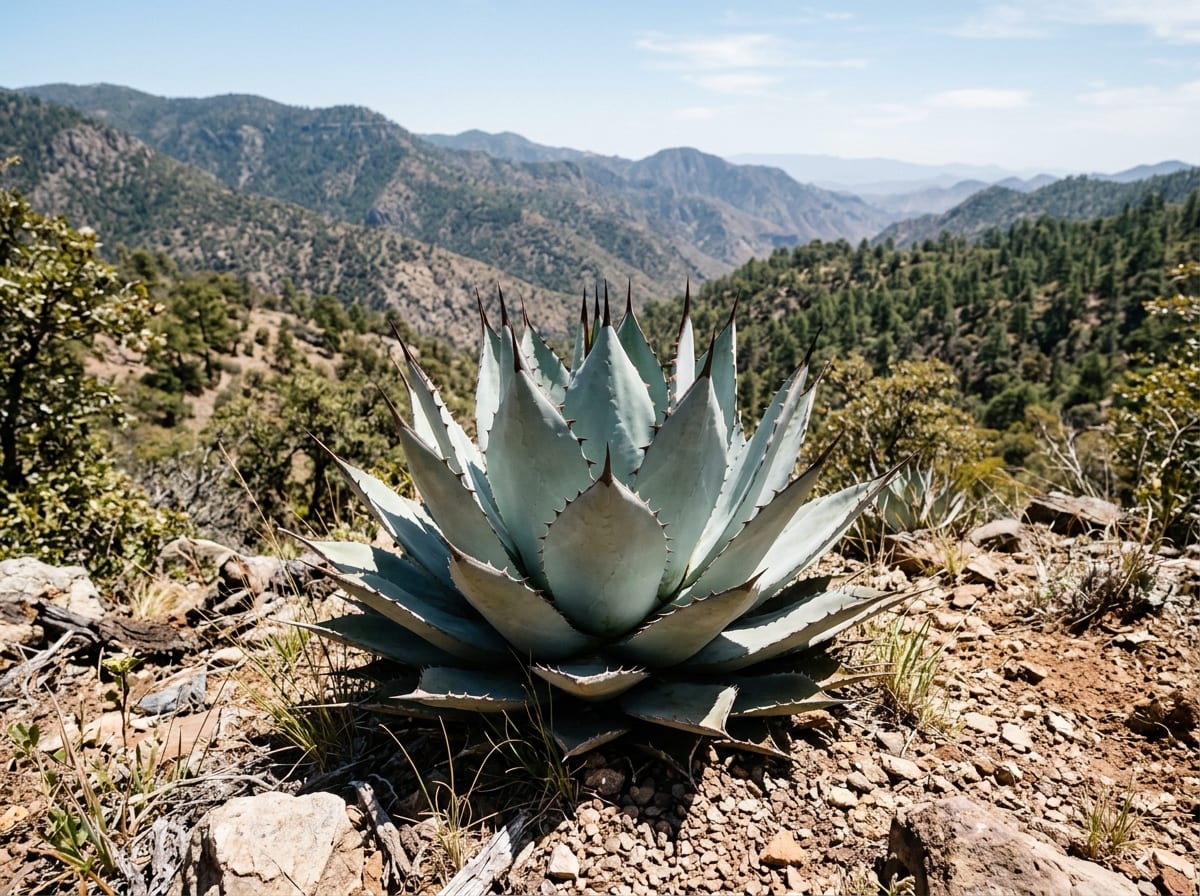
The agave category on Bree-Choku lets you welcome a wide range of agave, including Titanota cultivars, directly from the growers who raised them. With few steps in distribution, you can check how compact the plant is and the condition of its teeth, roots, and offsets before choosing. Agave grow into a tight form under strong light and proper watering — learn each cultivar's nature before you start.

开始养护agave前需要了解的7件事

  1. 1Grow a tight form under strong light

    Given plenty of light, agave develop short, packed leaves and a tight form with pronounced teeth. Too little light makes leaves stretch and loses their appeal. Grow them in full sun outdoors or a bright spot, and indoors a grow light helps maintain form.

  2. 2Choose well-draining soil and pots

    Agave dislike excess moisture, so a well-draining mix with plenty of pumice and volcanic soil suits them. Breathable terracotta pots, or pots sized to the roots, help prevent root rot. To grow a compact plant, plant in a pot that is not too large.

  3. 3Adjust watering for growing and dormant seasons

    During the growing season, water agave thoroughly once the soil dries to build strong roots. As temperatures fall, growth slows, so water more sparingly. Even when aiming for a compact plant, extreme dryness harms roots, so water with seasonal rhythm.

  4. 4Learn propagation by offsets and coring

    As agave grow, they produce offsets around the parent. Once an offset has developed somewhat, it can be separated and rooted as a new plant. Coring is another method to encourage offsets. Understanding these traits helps with managing cultivars you want to propagate.

  5. 5Judge cold protection by each cultivar's hardiness

    Cold hardiness varies among agave — some tolerate cold, others must be brought indoors for winter. When growing outdoors in winter, protect from frost and rain, and decide care by comparing your region's winter cold with the cultivar's hardiness.

  6. 6Watch for spider mites and chemical damage

    Scars on agave leaves remain for a long time. Spider mites give the leaf surface a rough texture, so act early when found. When using treatments, follow the concentration and conditions, since misuse can cause chemical damage — handle carefully while watching the plant.

  7. 7Confirm condition, rooting, and growing environment with the grower

    On Bree-Choku you welcome plants directly from growers, so you can ask the seller how compact the plant is, about the teeth, whether it is rooted, and whether it is an offset. Knowing the environment — outdoor or indoor — makes adjusting light and watering at home easier.

agave的常见问题

Q.Can agave be grown indoors?
A.Yes, but agave prefer strong light, so place them at the brightest window or use a grow light. Too little light stretches the leaves and loses the compact form, so make sure to provide enough light.
Q.How often should I water agave?
A.Water thoroughly once the soil dries in the growing season, and sparingly in the cooler dormant season. Even for a compact plant, too little water harms roots, so water with seasonal rhythm.
Q.Is it okay to buy a plant that has not rooted?
A.Some plants need rooting care. Whether a plant is already rooted affects how easy it is to grow, so check the listing or ask the grower, and choose a plant that matches your experience.
Q.An offset has appeared — what should I do?
A.Once an offset has grown to a reasonable size, separate it and root it to enjoy as a new plant. To keep the parent's shape, remove offsets early; let the cut dry before planting to reduce failures.
Q.Can agave die from winter cold?
A.Cold hardiness varies by cultivar, and tender ones can die outdoors in winter. Compare your region's cold with the cultivar's hardiness, and bring plants indoors or protect from frost as needed.

agave种植的实用工具

agave相关专栏

アガベの個体グレード・品質評価ガイド|相場を左右する品質判定のポイント

アガベの個体差を見極める評価基準を解説。棘・色・成長点・根張りのチェックポイントから相場の目安まで、購入前に押さえたいポイントをまとめました。

Agave Propagation Methods | Practical Guide to Offsets, Pup Division, and Seed Sowing

A comprehensive guide to three primary methods for agave propagation. This article explains the procedures for offset propagation, pup division, and seed sowing, covering success factors and variety-specific selection criteria from a professional perspective.

Growth Acceleration Strategy for Large Agave Plants | Fertilization, Light, Temperature, and Repotting Timing

Maximizing the growth of large agave plants requires strategically optimizing four key elements: fertilization, light, temperature, and repotting. A growth rate 3 to 5 times faster than normal is achievable within one year.

Outdoor Environment Setup for Large Agave Species and In-Ground Installation Strategies for Oversized Varieties

Challenges in Large Agave Cultivation and the Importance of Outdoor Environments Among Agave species, large varieties that exceed one meter at maturity (such as Agave titanota and Agave parry) captivate many plant enthusiasts with their imposing presence and visual impact. However, as size increases, indoor management becomes increasingly difficult, making the transition to outdoor cultivation essential. Outdoor environments require more than simply "securing land"—they demand a complex system encompassing wind-resistant anchoring methods, efficient drainage, and seasonal adaptation strategies. This article explains practical, concrete methods for setting up outdoor environments to safely and healthily cultivate large Agaves.

Complete Guide to Growing Agave horrida | Care Tips for This Popular Variety with Black, Sharp Serrated Edges

Guide to growing Agave horrida, prized for its black, sharp serrated edges and compact rosette form. We've compiled cultivation tips covering placement, watering, soil, repotting, and propagation methods.

Appreciating Agave as "Living Art" | Savoring the Sculptural Qualities of Form, Spines, and Color

This article introduces perspectives on appreciating agave like sculpture, not just cultivating it. It explains how to view three key elements—form, spines, and color—and explores the concept of "finish" valued in collector culture.

查看更多agave相关专栏 →