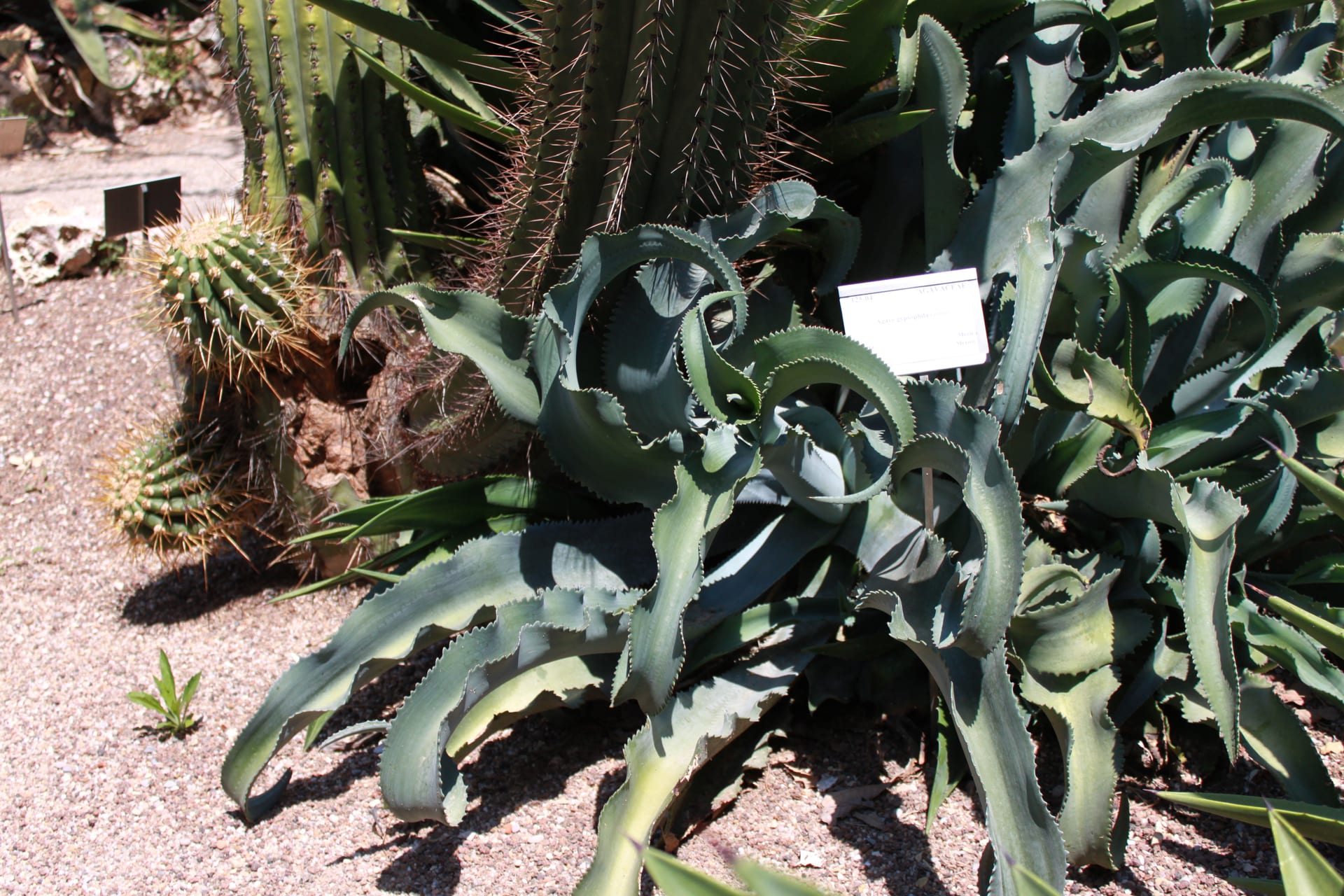
 © Falconaumanni / CC BY-SA 3.0
石膏龙舌兰(Agave gypsophila)
Agave gypsophila stands apart from many agaves with its soft, wavy, gray-green leaves that spread in a looser, rounder rosette rather than a sharp, spiky one. The teeth along the leaf margins are small and soft, making it feel more approachable than many spinier relatives. Much of the plant grown under this name is actually its close relative Agave pablocarrilloi, split off as a separate species in 2013. As a perennial succulent, an individual rosette flowers only once and then dies, but offsets growing from its base carry the plant forward. Considered suited to intermediate growers, it's a rewarding next step once you're comfortable with agave care basics.
View 石膏龙舌兰(Agave gypsophila) encyclopedia →成交手续费0%!2026年9月30日前注册,前 2 株免佣金!
生产者 招募中!
在GrowerDirect上销售,直接面向全国客户销售吗?
GrowerDirect的 6 项透明性承诺
在龙舌兰出品中,生产者将明确显示以下信息。确保品种、产地、光照需求、栽培难度的透明性。
- 品种明示
- 实物照片
- 色泽
- 产地明示
- 光照需求
- 难度明示
查看全部142个品种
龙舌兰分类正在招募认证生产者
生产者正在陆续注册,即将上架。设置上架通知,不错过新商品。
「接收上架通知」需免费注册会员即可设置。当有符合您保存条件的新商品上架时,我们会通过邮件和站内通知提醒您。
已注册的生产者(抢先看)
石膏龙舌兰(Agave gypsophila)的基本数据
- 养护难度
- 适合中级者
- 寿命
- 多年生。开花后的莲座会枯死,由子株更新继续生长
- 体型
- 高度和宽度均约60~90厘米
- 浇水
- 不需要重肥(生长期少量缓释肥料即可)
- 光照和放置位置
- 美国生产者建议放在明亮的半阴处或仅午前有阳光的地方。应避免强烈的西晒。
- 浇水
- 土壤干燥后浇水。冬季减少浇水。
- 温度与越冬
- 畏霜,温度低于-4℃时会严重受损。冬季应在室内明亮处养护。
- 土壤和换盆
- 采用排水良好的土壤。盆栽根部拥挤时,在生长季初期进行换盆。
- 注意事项
- 大多数栽培株被认为是帕布洛龙舌兰(A. pablocarrilloi),标签与实际种类可能不一致。斑入的象牙卷以别的名称流通。
关于石膏龙舌兰(Agave gypsophila)
Agave gypsophila is a mid-size agave with soft, wavy gray leaves and small, gentle teeth. Learn about its features, placement, watering, soil, and repotting.
开始养护石膏龙舌兰(Agave gypsophila)前需要了解的7件事
1Bright Shade or Morning Sun
Growers in the U.S. recommend bright shade or a spot that gets sun only in the morning for Agave gypsophila. Avoid strong afternoon sun, which can damage the leaves, and keep it somewhere with good air circulation. Indoors, place it near a bright window where it won't take harsh afternoon sun.
2Watering Basics
Like other agaves, it stores water in its fleshy leaves and tolerates dry spells well. Water thoroughly once the soil surface has dried out, letting excess water drain from the pot. In winter, when growth slows, cut back on watering frequency to help prevent root rot.
3Well-Draining Soil
Since it dislikes soggy conditions, a well-draining succulent or cactus mix works best. Improve drainage further by blending in pumice or small grains of akadama soil, and add drainage material at the bottom of the pot to prevent water from pooling around the roots.
4When to Repot
Repot once the roots become crowded in the container. Spring through autumn, during the active growing season, is the best time to move it into a slightly larger pot. Since mature plants can reach roughly 60 to 90 cm in both height and width, it helps to plan pot size and placement with that eventual size in mind.
5Getting Through Summer and Winter
Growth is most active in spring and autumn, while it slows down during the height of summer and winter. In summer, ensure good airflow to avoid excess humidity around the plant; in winter, move it somewhere protected from cold and frost. If growing outdoors, it's worth researching seasonal care suited to your local climate in advance.
6Choosing a Healthy Plant
Look for a plant with firm, healthy-looking leaves and good color. Since the wave pattern and coloring of the leaves vary between individual plants, it helps to check photos of the whole rosette shape before choosing. Also check the leaf tips and margins for any damage or discoloration.
7Flowering and Offsets
Although it's a perennial, each individual rosette flowers only once in its lifetime and dies afterward. New offsets then grow from the base of the plant, carrying it forward into the next generation. Since flowering timing varies from plant to plant, it's best enjoyed with a patient, long-term outlook.
石膏龙舌兰(Agave gypsophila)的常见问题
- Q.Can beginners grow Agave gypsophila?
- A.This species is generally considered suited to intermediate growers. It's manageable if you already have some experience with succulents or agaves, but if this is your first succulent, it helps to get comfortable with basic watering and placement first.
- Q.How big does it get?
- A.Mature plants reach roughly 60 to 90 cm in both height and width. Because the wavy leaves spread outward in every direction, it's worth allowing more space than the plant initially appears to need.
- Q.Can it be planted directly in the ground outdoors?
- A.Suitability depends heavily on your local climate, so it's best to check whether outdoor cultivation is appropriate where you live before planting in the ground. Growing it in a pot instead lets you move it seasonally, giving more flexibility in care.
- Q.What's the difference from Agave pablocarrilloi?
- A.Agave pablocarrilloi is a closely related species that was split off from Agave gypsophila in 2013. Many of the plants grown under the gypsophila name are believed to actually be this closely related species, and the two look very similar.
- Q.Are the leaf edges sharp enough to cause injury?
- A.The teeth along the leaf margins are small and relatively soft compared to many other agave species. That said, they're still spines, so it's wise to wear gloves and handle the plant carefully when repotting or doing maintenance.
石膏龙舌兰(Agave gypsophila)种植的实用工具
在图鉴中详细了解石膏龙舌兰(Agave gypsophila)
查看石膏龙舌兰(Agave gypsophila)的图鉴条目 →
收录栽培难度、尺寸、原产地、日照等基础数据。