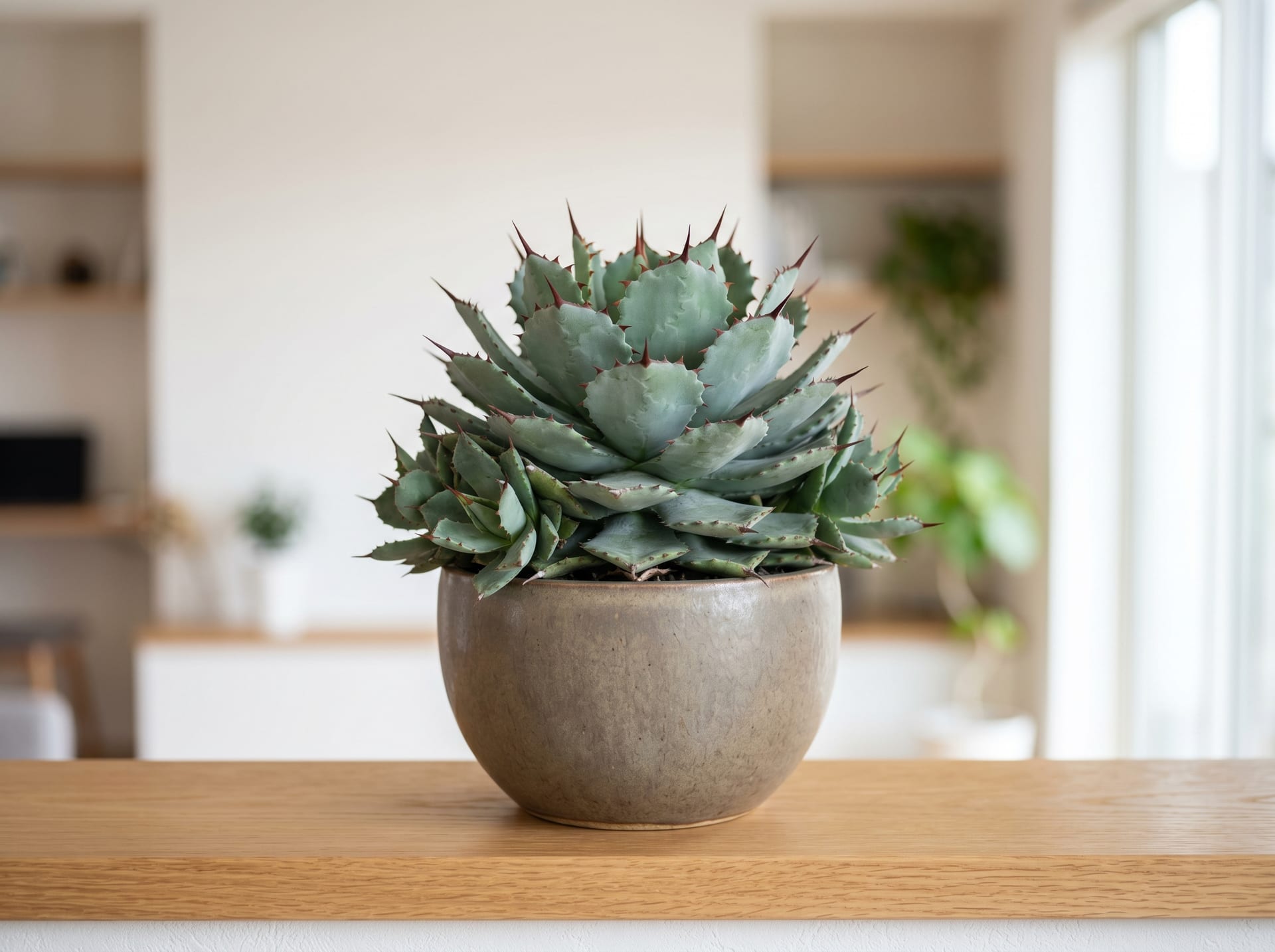
雷神龙舌兰
Agave potatorum, commonly known as Raiijin agave, is a Mexican native prized for its broad, bluish-gray leaves tipped with sharp terminal spines. Its compact rosette form makes it well-suited to containers, balconies, or indoor growing spaces. Relatively resilient and beginner-friendly, it has long been a favorite among succulent enthusiasts for its striking presence.
- 价格范围
- ¥6,000〜¥6,000
前3笔销售免佣金!在2026年8月31日前注册生产者账户 → 前3笔成交的手续费免费!
栽培者 招募中!
在BoTachoku上销售,直接面向全国客户销售吗?
ボタちょく的 6 项透明性承诺
在龙舌兰出品中,栽培者将明确显示以下信息。确保品种、产地、光照需求、栽培难度的透明性。
- 品种明示
- 实物照片
- 色泽
- 产地明示
- 光照需求
- 难度明示
Browse all 15 varieties
龙舌兰分类正在招募认证栽培者
栽培者正在陆续注册,即将上架。设置上架通知,不错过新商品。
「接收上架通知」需免费注册会员即可设置。当有符合您保存条件的新商品上架时,我们会通过邮件和站内通知提醒您。
已注册的栽培者(抢先看)
关于雷神龙舌兰
Agave potatorum, known in Japan as "Raijin" (Thunder God), originates from the high-altitude arid zones of Mexico's Puebla and Oaxaca states. The species name potatorum is Latin for "of the drinkers," a nod to its traditional use by local communities as a raw material for fermented beverages. The dramatic Japanese nickname reflects the plant's commanding, almost divine presence. Its leaves are a soft blue-grey-green with subtle surface patterning, lined with small serrations along the margins and capped by a fierce terminal spine several centimeters long. Despite its bold appearance, the plant stays relatively compact — mature specimens typically reach only 50–60 cm in diameter — making it practical for balconies or indoor spaces. It handles drought and intense sunlight well, and as long as overwatering is avoided, it is a forgiving plant even for beginners. This combination of sculptural beauty and ease of care has made it a favorite among succulent enthusiasts worldwide.
雷神龙舌兰精选生产者
查看所有雷神龙舌兰生产者(1个)→开始养护雷神龙舌兰前需要了解的5件事
1Full Sun Is Essential
Agave potatorum thrives in strong, direct sunlight and ideally receives 4–6 or more hours per day. Insufficient light causes etiolation—stretched, misshapen growth that diminishes the plant's characteristic compact form. Outdoor placement is ideal; if grown indoors, position it near the brightest south-facing window available.
2Avoid Overwatering
Root rot is the primary threat to Agave potatorum, and overwatering is its main cause. During the spring-to-autumn growing season, water only after the soil has completely dried out; in winter, reduce watering to approximately once a month. Always use fast-draining soil and a pot with drainage holes to prevent water from pooling at the roots.
3Spines Are Genuinely Hazardous
The thick terminal spines can cause deep puncture wounds and should be taken seriously when choosing a placement for the plant. Keep it out of reach of children and pets, and always wear heavy leather gloves when repotting or handling. Some growers clip the spine tips to reduce risk, though this alters the plant's natural appearance.
4Expect Slow Growth
Agave potatorum is a slow grower; it is not unusual for noticeable size increases to take several years. Excess fertilizing in hopes of accelerating growth tends to cause etiolation or root damage instead. A diluted liquid fertilizer applied once a month during spring and early summer is generally sufficient—embrace the plant's naturally unhurried pace.
5Monocarpic Flowering Ends the Mother Plant
Like all agaves, Agave potatorum is monocarpic—after many decades of growth the mother plant flowers once and then dies. Separating offsets (pups) before flowering preserves the next generation. The death of the parent following bloom is a natural conclusion to the plant's life cycle, not a sign of poor care.
雷神龙舌兰的常见问题
- Q.Can I grow Agave potatorum indoors?
- A.Yes, it can be grown indoors if you can provide bright, direct sunlight for several hours a day, ideally near a south-facing window. Insufficient light will cause the plant to etiolate, losing its characteristic compact rosette shape.
- Q.How often should I water it?
- A.During the growing season (spring to fall), water thoroughly once the soil has been fully dry for a few days. In winter, reduce to once or twice a month. Overwatering is the most common cause of problems, so always err on the dry side.
- Q.Is it safe to keep around children and pets?
- A.The sharp terminal spines and serrated leaf edges pose a real injury risk to curious children and pets. It is strongly recommended to keep the plant out of reach. Ingestion can also cause irritation, so placement in a safe, inaccessible spot is advisable.
- Q.How large does it get?
- A.Mature plants typically reach around 50–60 cm in diameter, making it one of the more compact agave species. Growth is very slow, so significant size changes from a young plant may take several years. Final size also depends on pot size and growing conditions.
- Q.When and how should I repot it?
- A.Repot when roots begin emerging from the drainage holes or the plant has clearly outgrown its container. Spring (March to May), as the growing season begins, is the best time. Always wear thick gloves to protect against the spines, and use a well-draining cactus or succulent mix.