水草图鉴
热门水草的养护方法、特征与造景技巧汇总的品种图鉴。
显示127个物种中的77个(25–48)
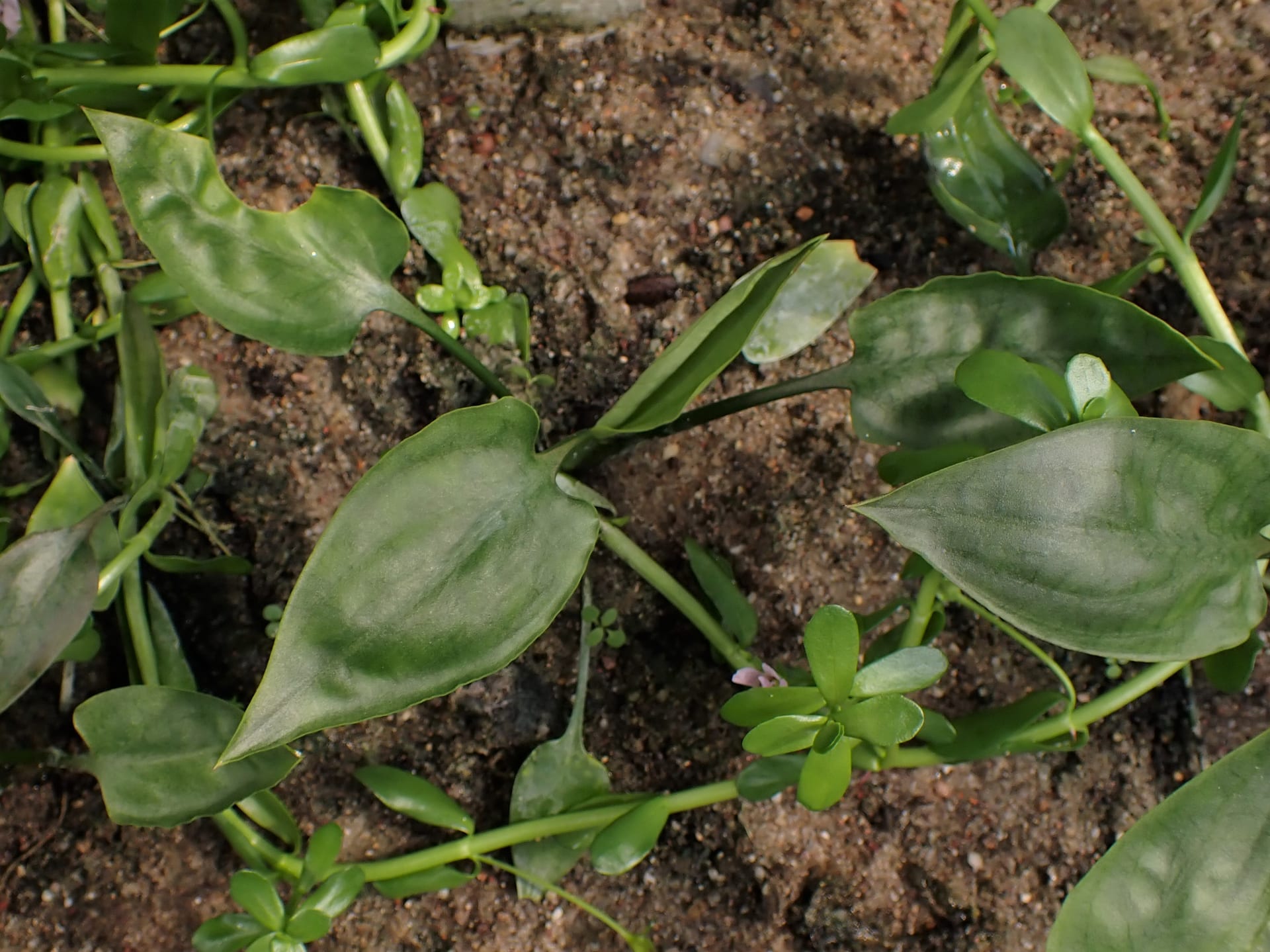 © Krzysztof Ziarnek, Kenraiz / CC BY-SA 4.0
宽叶隐棒花
Cryptocoryne pontederiifolia
来自苏门答腊的大型隐棒花,具有宽阔的心形叶片。叶背呈褐色至淡紫色,表面有轻微凹凸。在隐水植物中不易溶解,也可用作翅茎草的替代品。
辣椒榕·蒂亚
Bucephalandra sp. 'Theia'
先端圆钝的倒卵形叶片密集生长的辣椒榕商业品种。水中叶呈赤褐色至紫色,具蓝色光泽,气孔呈银色细点。植株分枝生长,形成低矮的丛生状态。
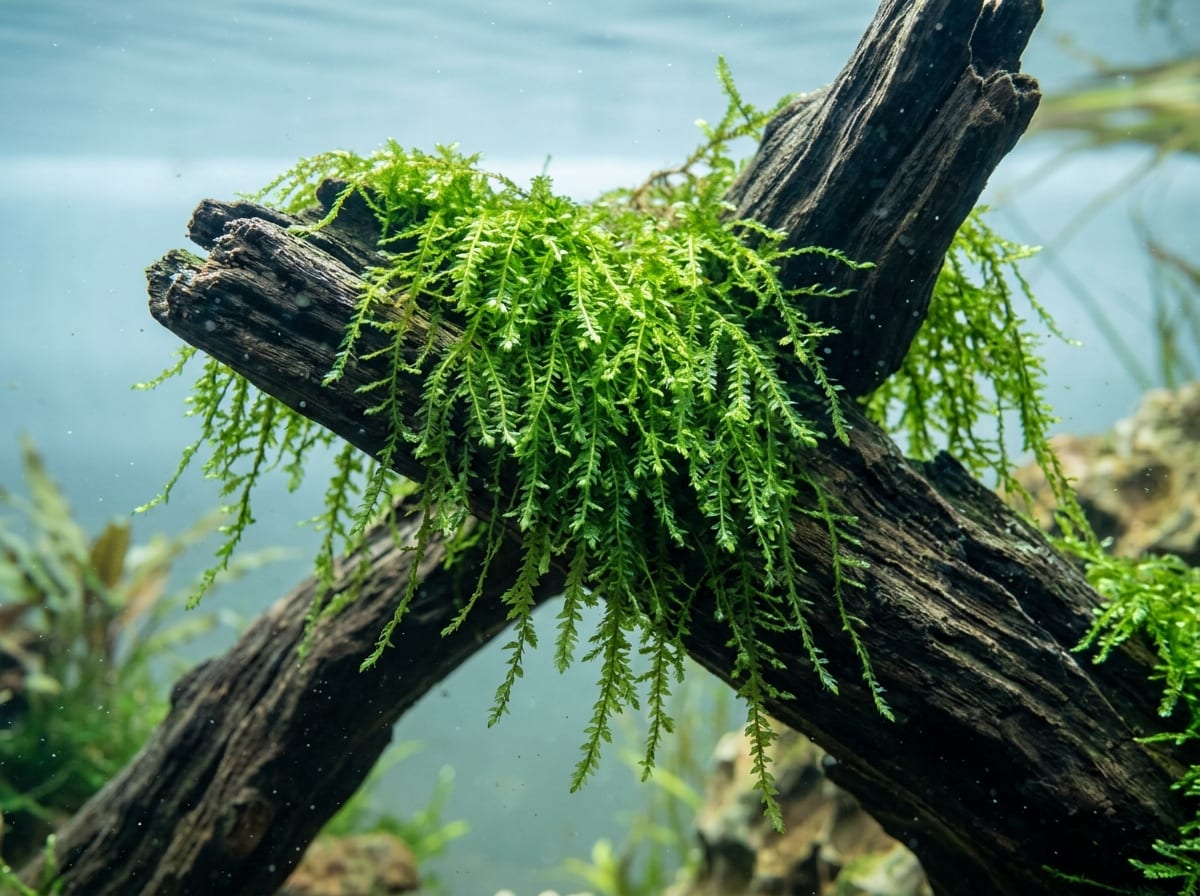
泪珠苔
Vesicularia ferriei
明亮的绿色枝条像泪滴一样垂挂的水生苔类。与向两侧和向上展开的其他苔类不同,这种苔类从沉木树枝向下垂挂,能为水景增添纵深感和阴影。要求不高,生长速度相对较快。
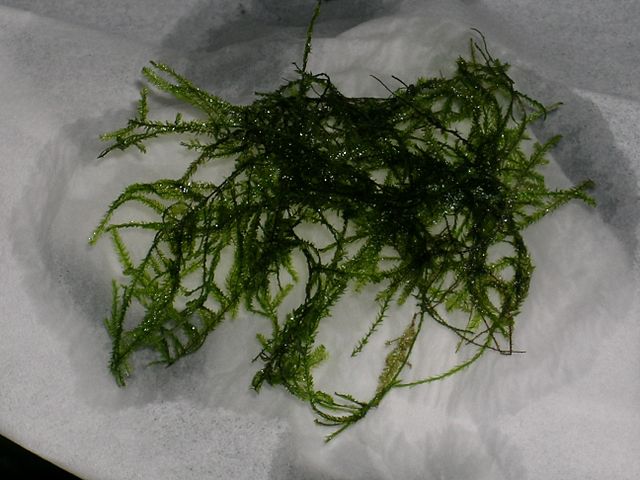 © No machine-readable author provided. S.Tanaka~commonswiki assumed (based on copyright claims). / Public domain
柳苔
Fontinalis antipyretica
附着性苔藓植物。缠绕在沉木或石头上使用。是虾的完美隐藏处。不需要CO2,适合初学者。成体会像爬行一样展开。
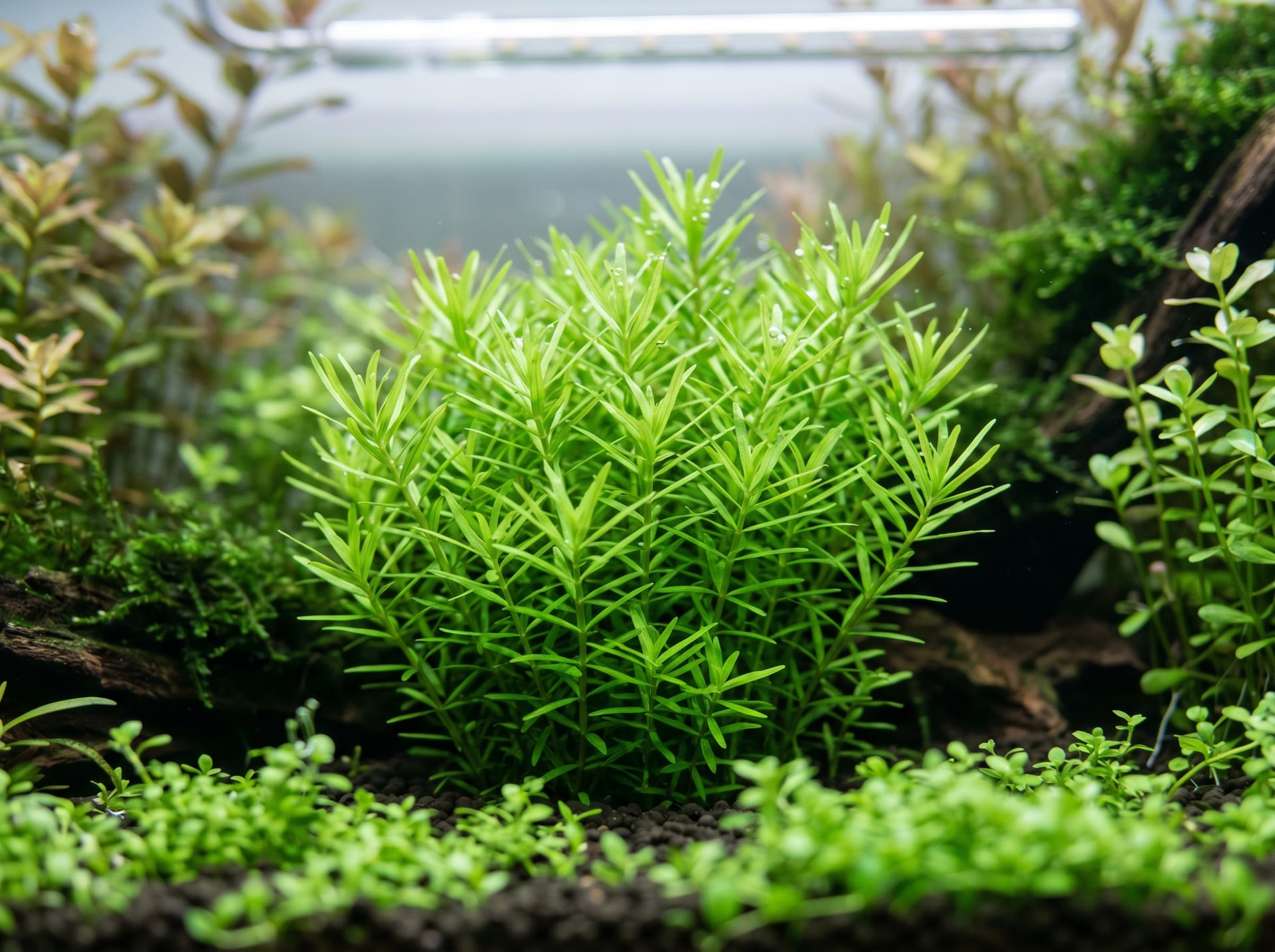
绿色罗托拉
Rotala rotundifolia 'Green'
圆叶罗托拉的绿色品种。浓密的小绿叶在后景形成绿色灌木状。比红系罗托拉更容易培养,适合初学者。基本上通过修剪和重插实现浓密生长。
 © Forest & Kim Starr / CC BY 3.0
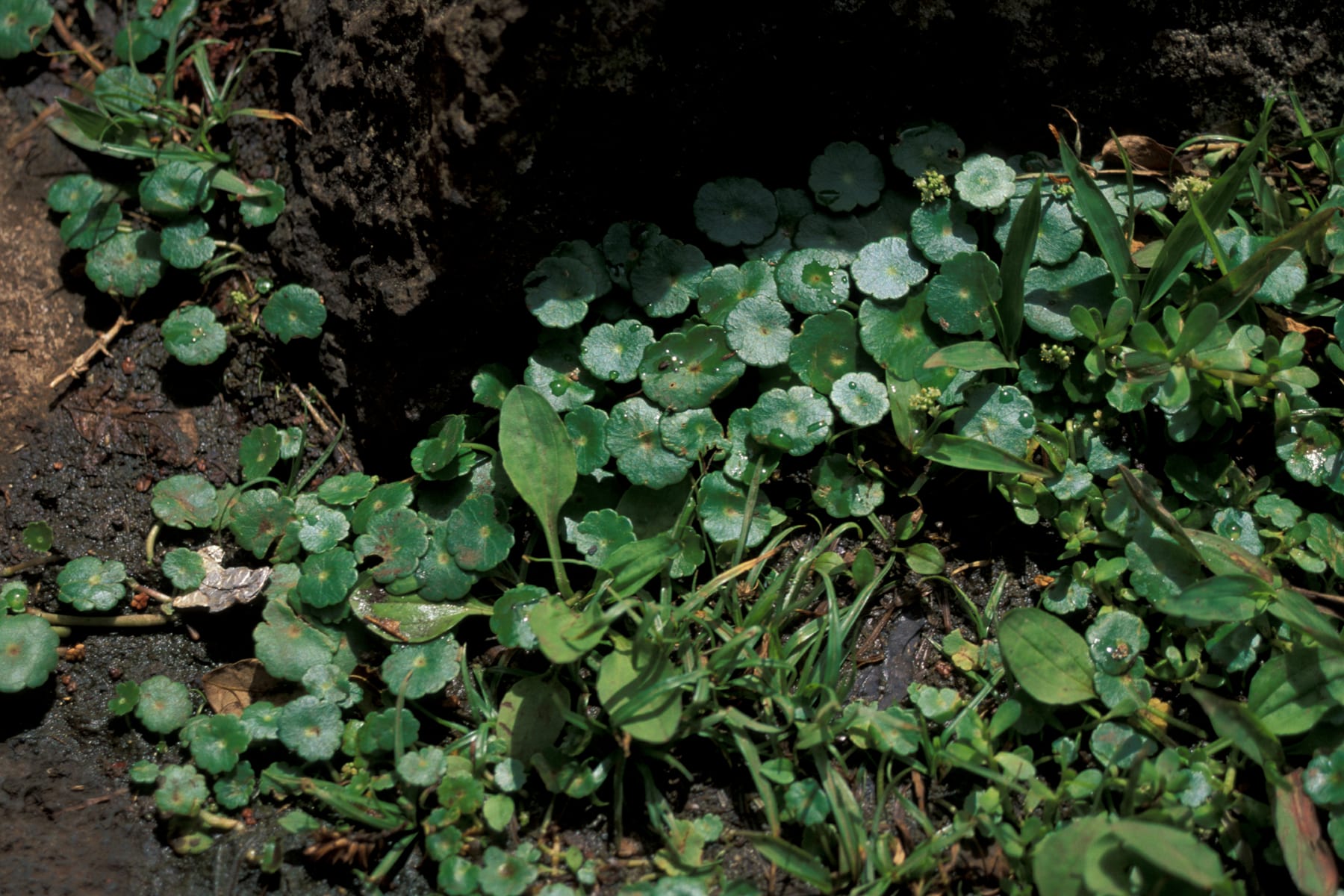
轮叶铜钱草
Hydrocotyle verticillata
在细长叶柄的末端长着圆形盾形叶片,通过地下茎匍匐蔓延的湿地植物(日文名为扇钱草)。是生物群落水景的常见植物,但在日本各地已归化,属于国家"防除推进外来物种"。与特定外来生物巴西钱草为不同物种。
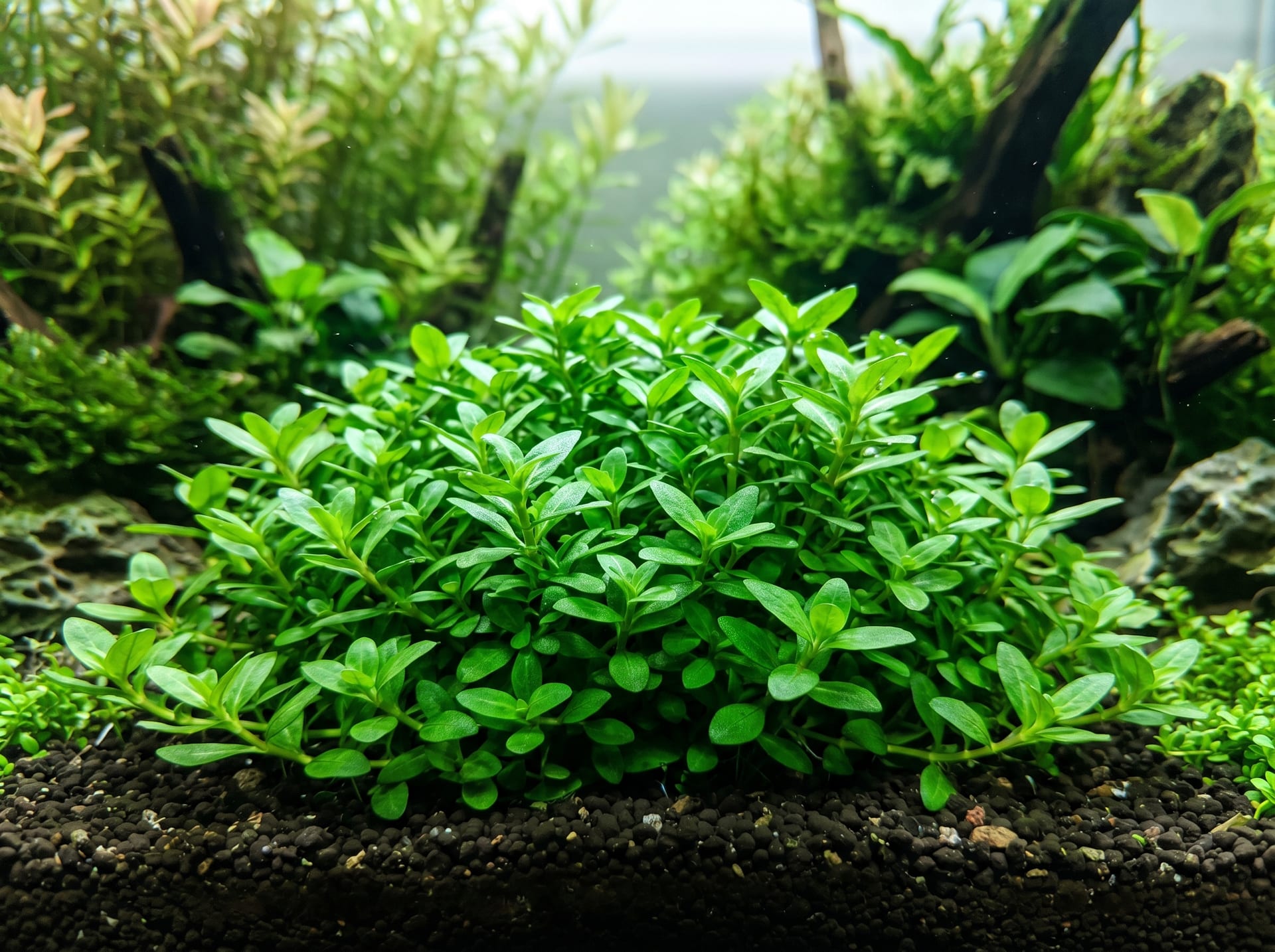
迷你矮珍珠
Staurogyne repens
南美原产的低矮匍匐前景~中景水草。强健易养,无CO2也能栽培。密植时形成美丽的绿色丛生。修剪强韧。
迷你皇冠·潘哥利诺
Anubias barteri var. nana 'Pangolino'
阿努比亚斯中叶片最小的纳纳品种的选拔品系。细长的深绿色叶片像穿山甲的鳞片一样层叠生长。由德国Dennerele公司从盆景株中选拔出来的品种,适合小型水族箱的石头和沉木造景。
 © Krzysztof Ziarnek, Kenraiz / CC BY-SA 4.0
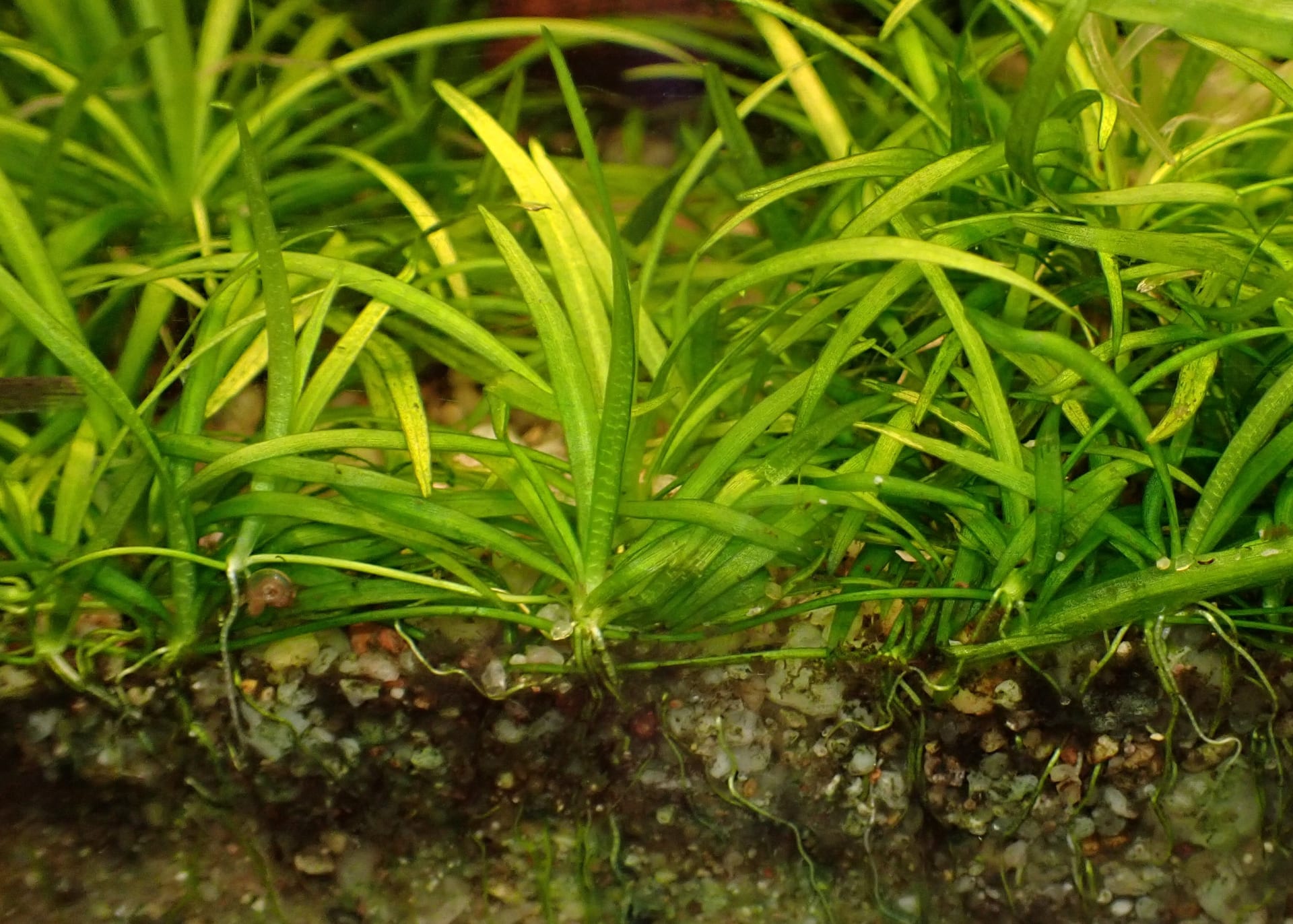
迷你皇冠草
Helanthium tenellum
长出宽约1.5毫米的细叶,通过走茎蔓延,在前景形成草坪的小型水草。曾以旧学名Echinodorus tenellus而为人所知。光照强烈时呈现红色调,也有保持绿色的"绿色"品种流通。
 © Macleay Grass Man / CC BY 2.0
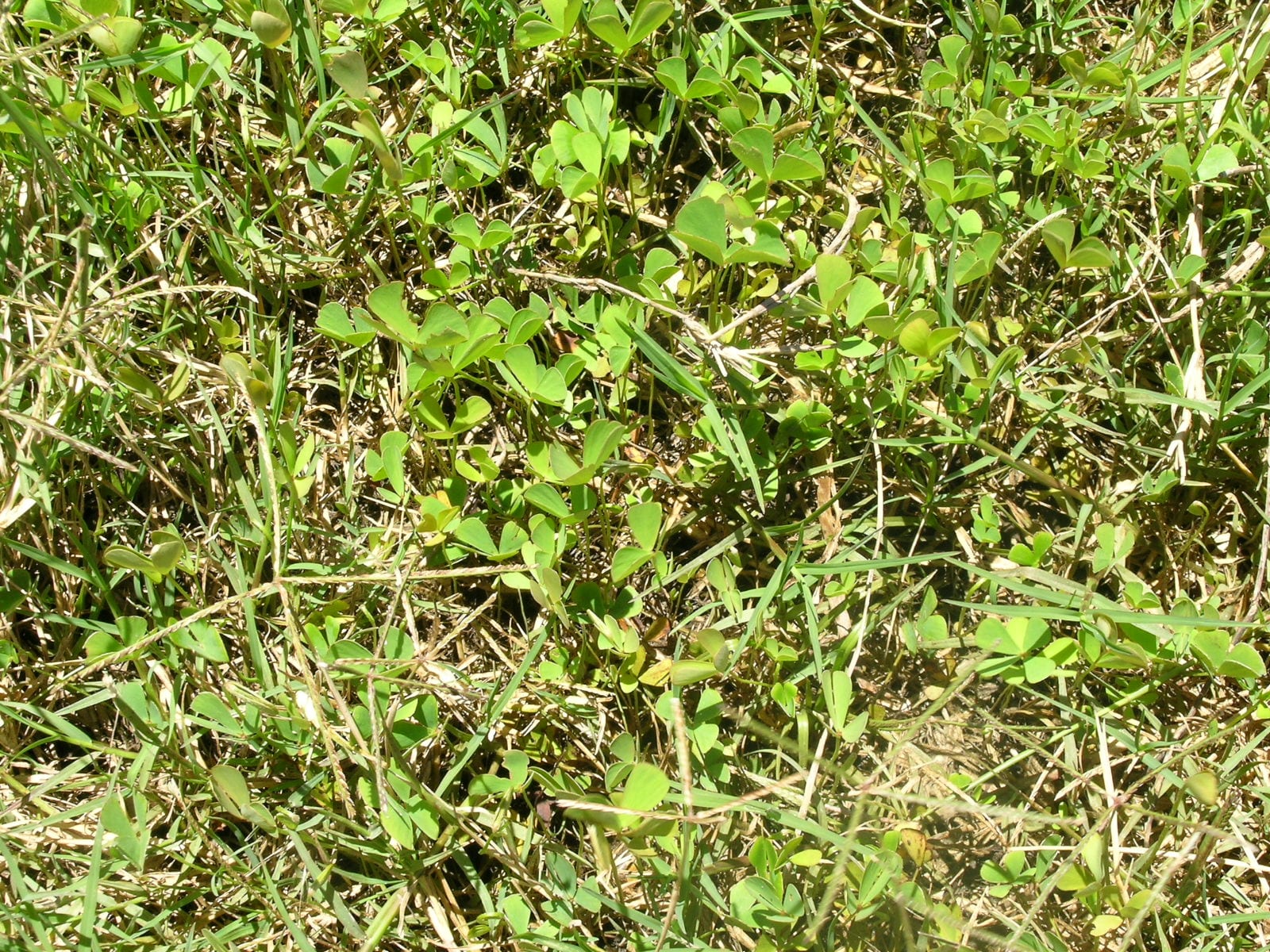
迷你苹
Marsilea hirsuta
具有四叶草形状叶片的前景水草,水中呈现单片叶的独特形态。
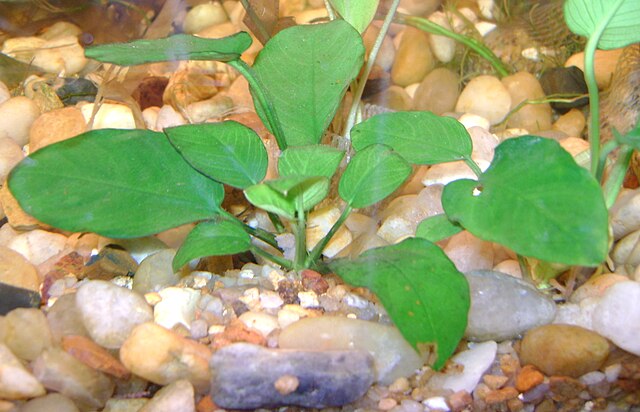 © Carlosar / CC BY-SA 3.0
迷你榕
Anubias barteri var. nana
非洲原产的耐阴水草。基本用法是将其附着在沉木或石头上。无需CO2添加、在低光照下也能生长,非常适合初学者。生长速度极缓慢,因此布景不易改变。
迷你铁皇冠·黄金
Anubias barteri var. nana 'Golden'
新叶呈现亮黄绿色至金色的阿努比亚纳纳选拔品种。与浓绿色的普通纳纳相比叶色明显不同,光线较弱时叶色会加深。源于台湾农场发现的变异株。
迷你铁皇冠·盆景
Anubias barteri var. nana 'Bonsai'
比迷你铁皇冠更加矮小的选拔品种。高度约5厘米,小叶密集重叠,株形浓密如同盆景。可用于约10升的小型水槽中的石头或沉木。
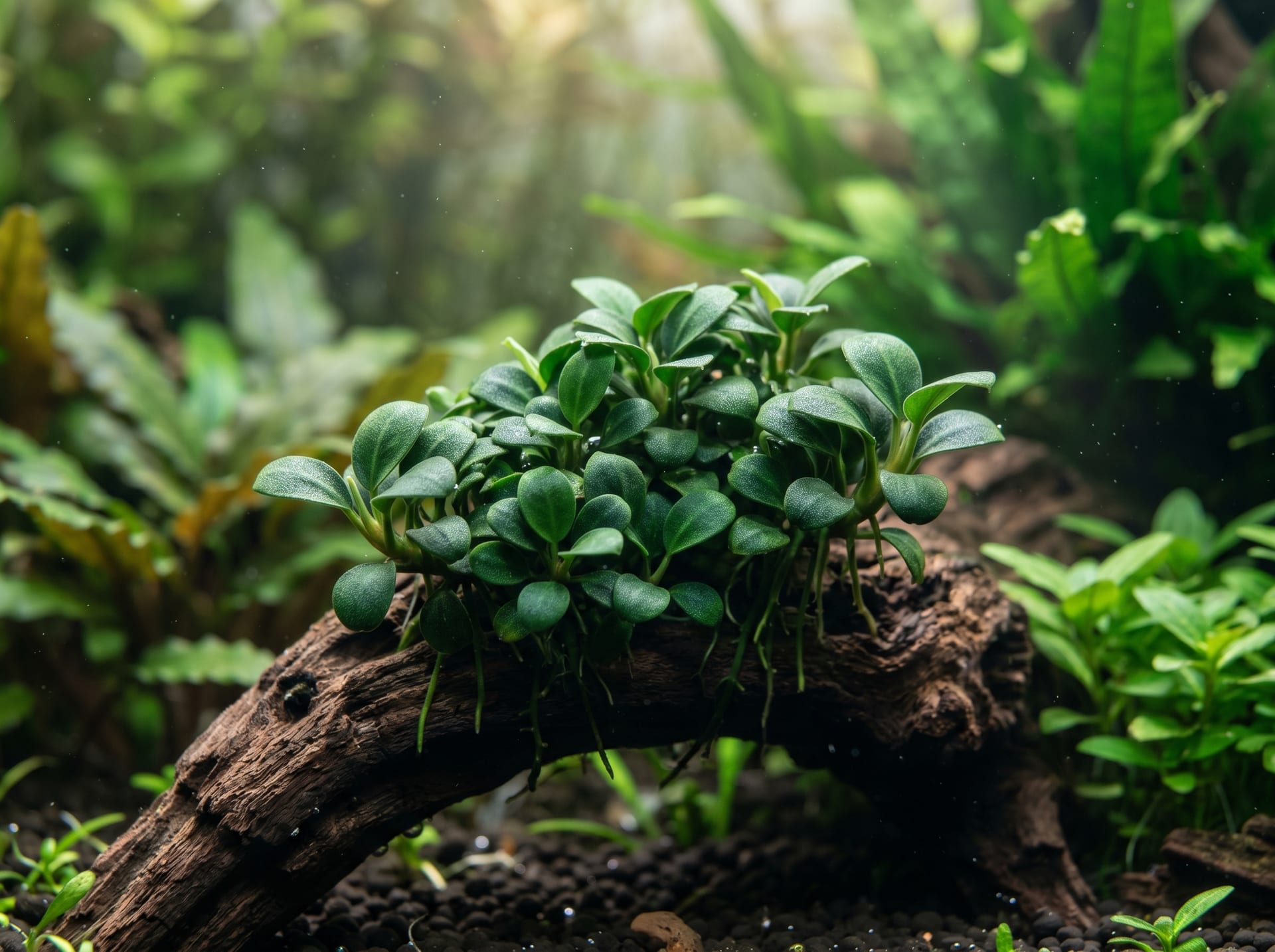
迷你小叶水榕
Anubias barteri var. nana 'Petite'
迷你铁皇冠的超小型品种。极小的叶片密集生长,适合迷你水槽。
南美须叶藓
Vesicularia sp. (South America)
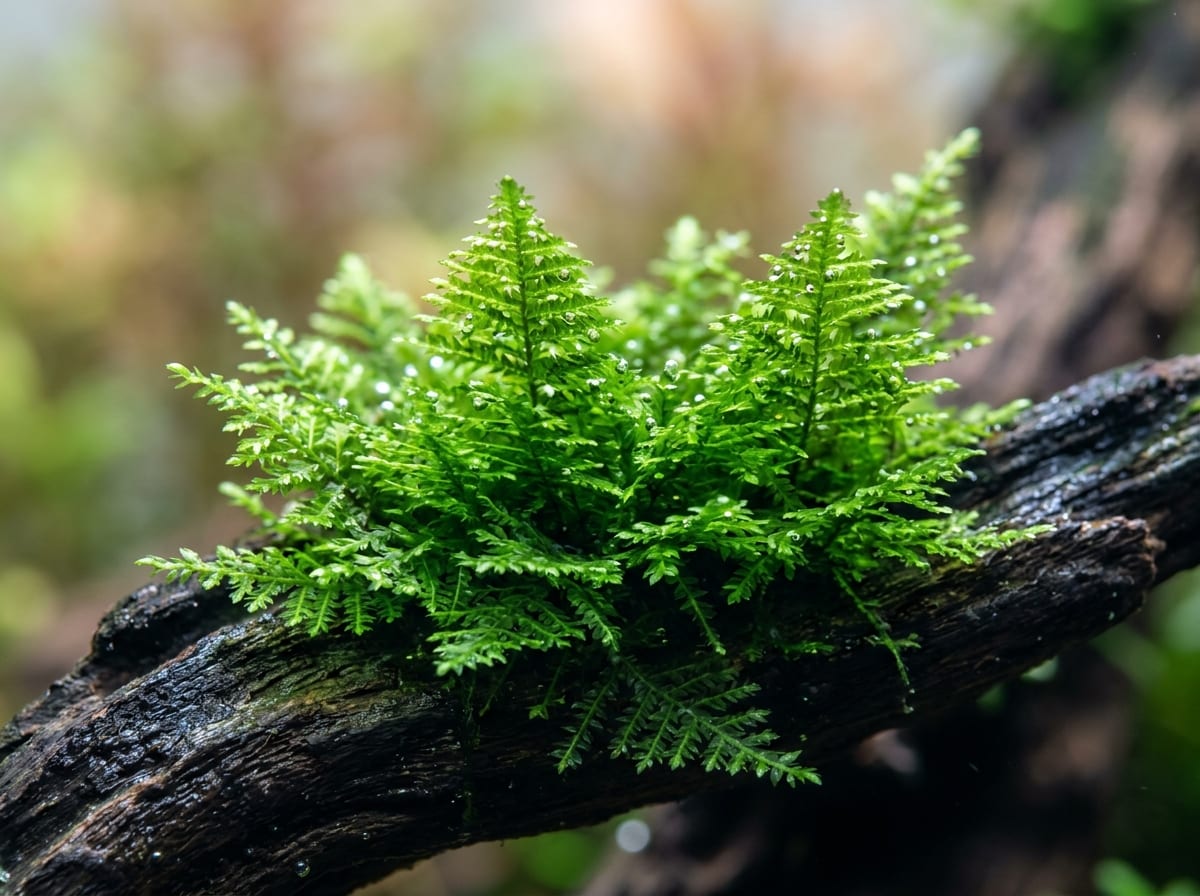
枝条呈规则三角形展开的、体积厚实、色泽明亮的绿色水生苔藓。虽然名称中带有"南美",但其南美产地的依据并不确实。即使在弱光照和不添加CO2的情况下也能生长,可缠绕在沉木或石头上使用。
匍生丁香蓼
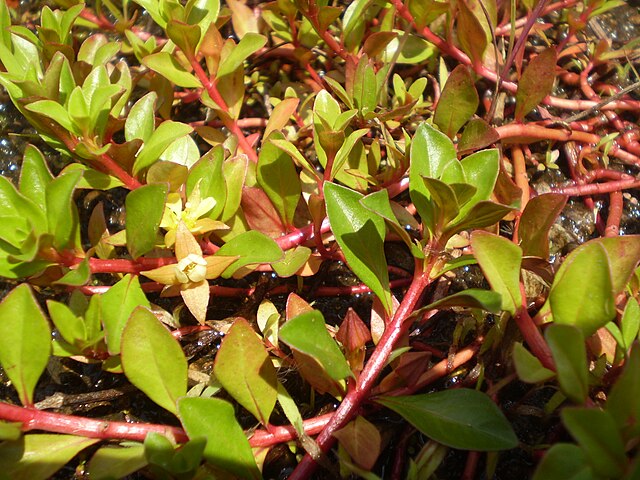
Ludwigia repens
红~橙色染成的受欢迎的有茎草。在光量和CO2作用下色泽更加鲜艳。中~高光照。
亲缘隐棒花
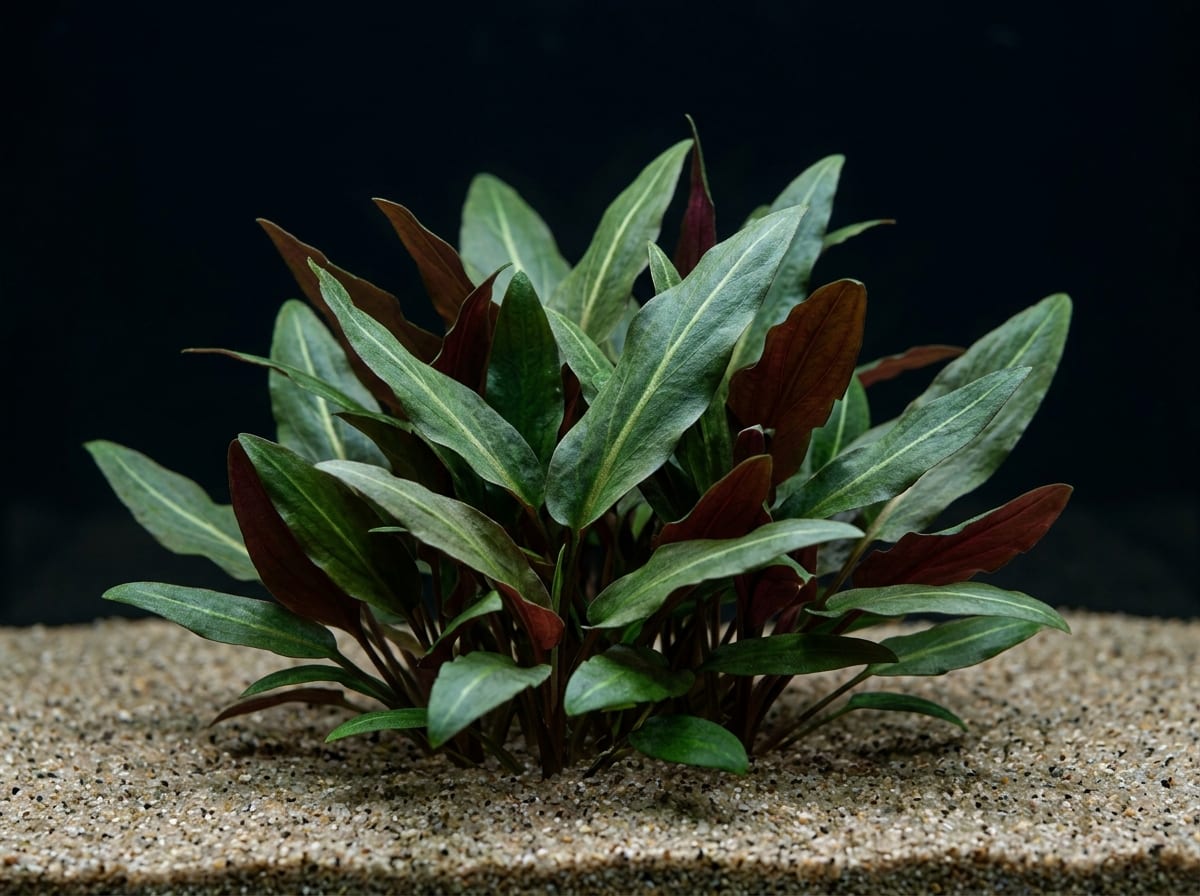
Cryptocoryne affinis
丝质光泽的深绿色叶片上有明亮的中肋,叶背呈红紫色,产自马来半岛的隐棒花。在弱光、无CO2的水族箱中也能良好生长,通过地下走茎扩展形成密集的群落。
毬藻
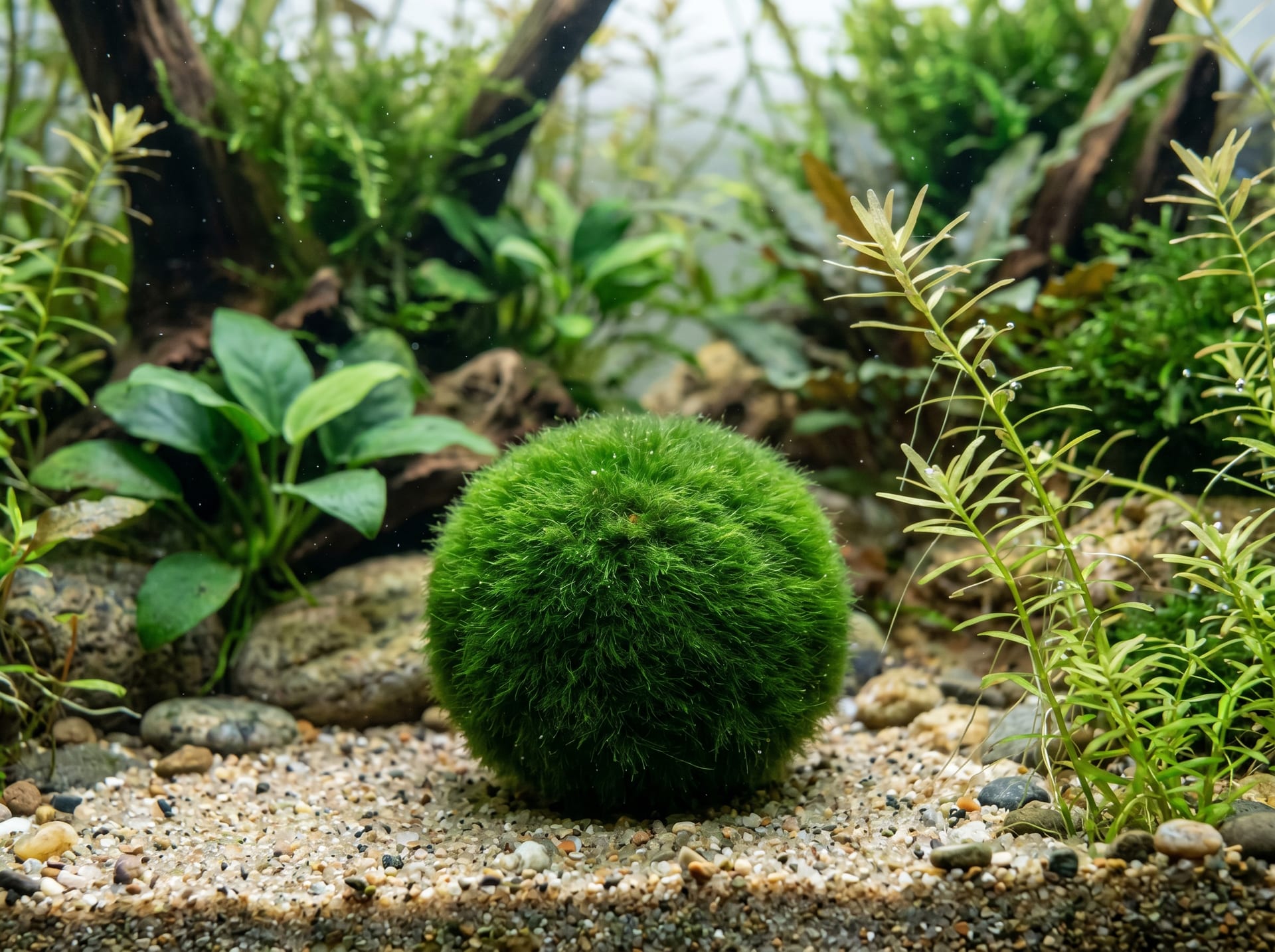
Aegagropila linnaei
球状藻类,因北海道阿寒湖天然纪念物著称。只需沉入水族箱即可管理,通过转动可保持球形。生长极其缓慢,但寿命长,可欣赏数十年。
三叉铁皇冠
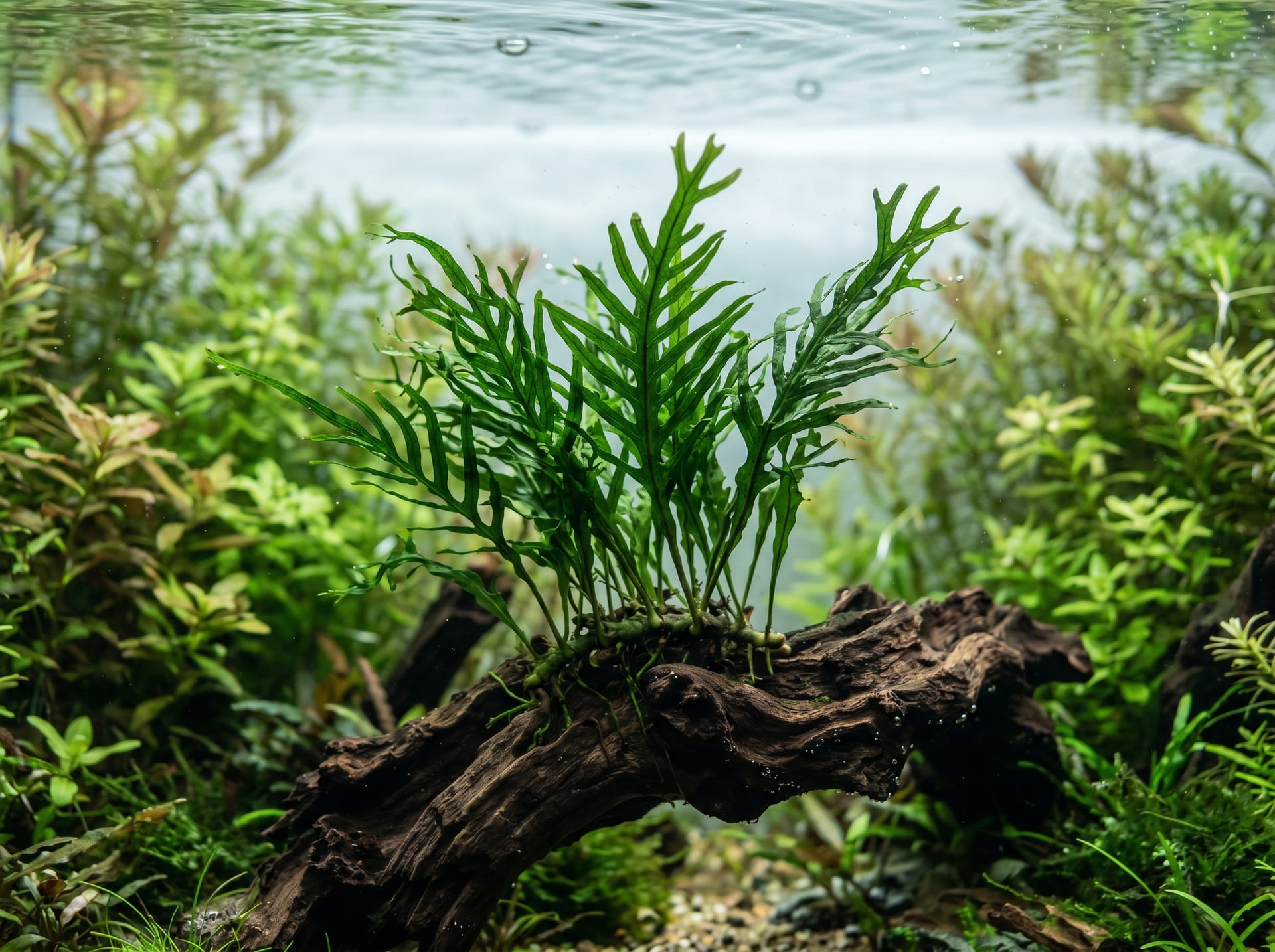
Leptochilus pteropus 'Trident'
以三叉分岔的细细叶片为特征的米克罗草。外形纤细,适合小型水族箱。无特殊需求。
 © S.E. Thorpe / Public domain
三裂天胡荽
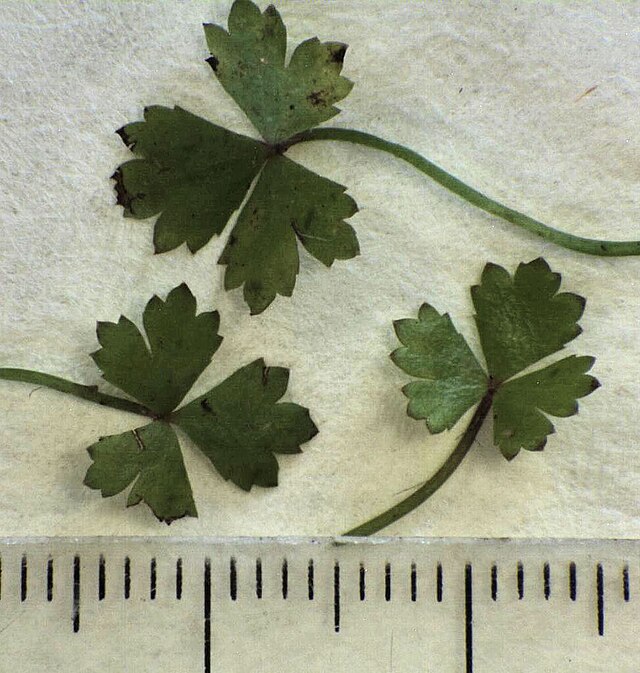
Hydrocotyle tripartita
类似三叶草的可爱水草。横向生长,适合中景。
 © Krzysztof Ziarnek, Kenraiz / CC BY-SA 4.0
伞花水蓑衣
Hygrophila corymbosa
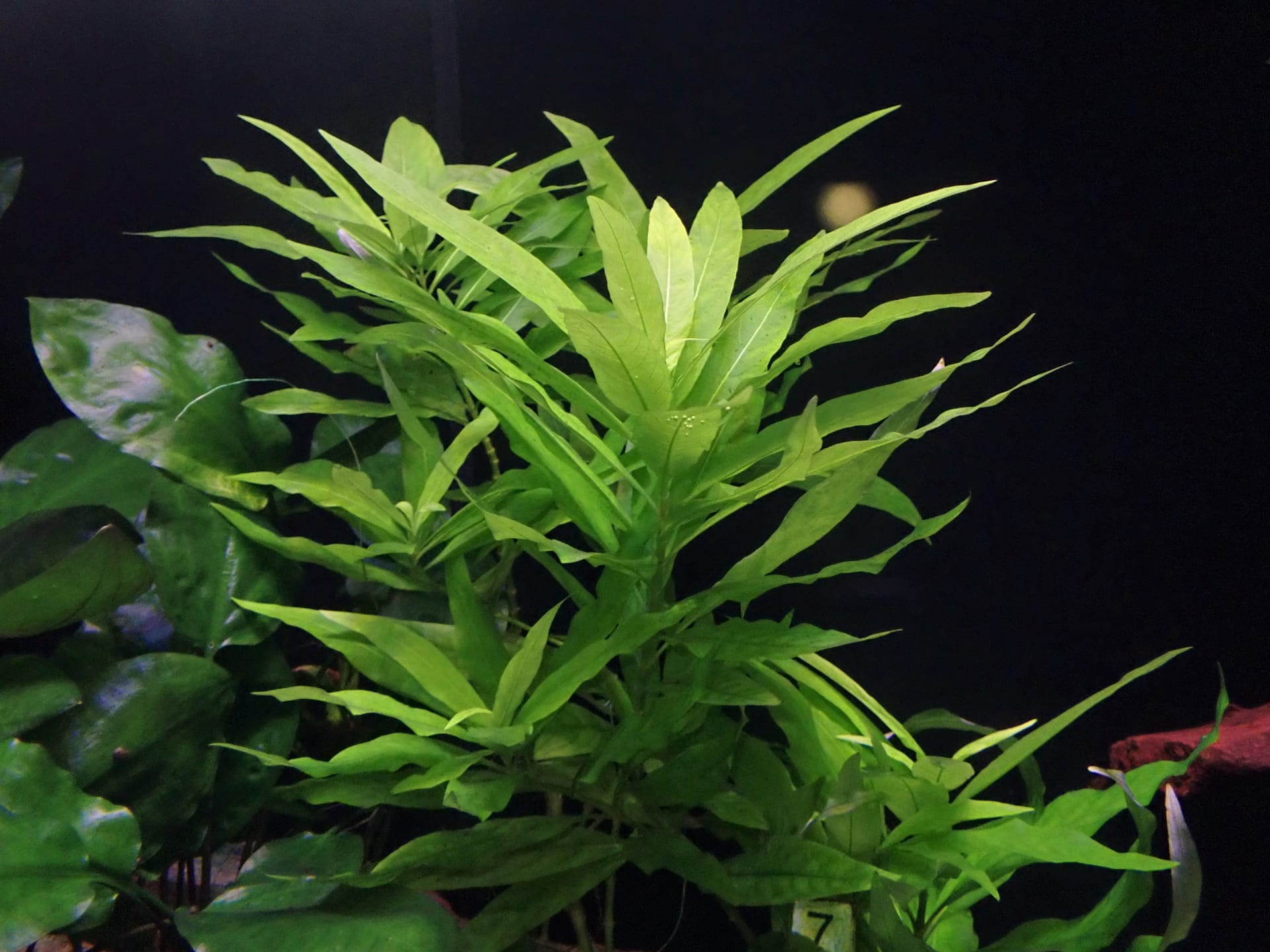
具有明亮绿色、长而宽阔叶片对生的大型有茎水草。生长迅速,修剪后从茎节处萌发侧枝形成浓密的冠形。伸出水面时会开出香气扑鼻的紫色花朵。流通中有包括"暹罗"等多个品系。
 © Krzysztof Ziarnek, Kenraiz / CC BY-SA 4.0
勺叶槐叶苹
Salvinia cucullata
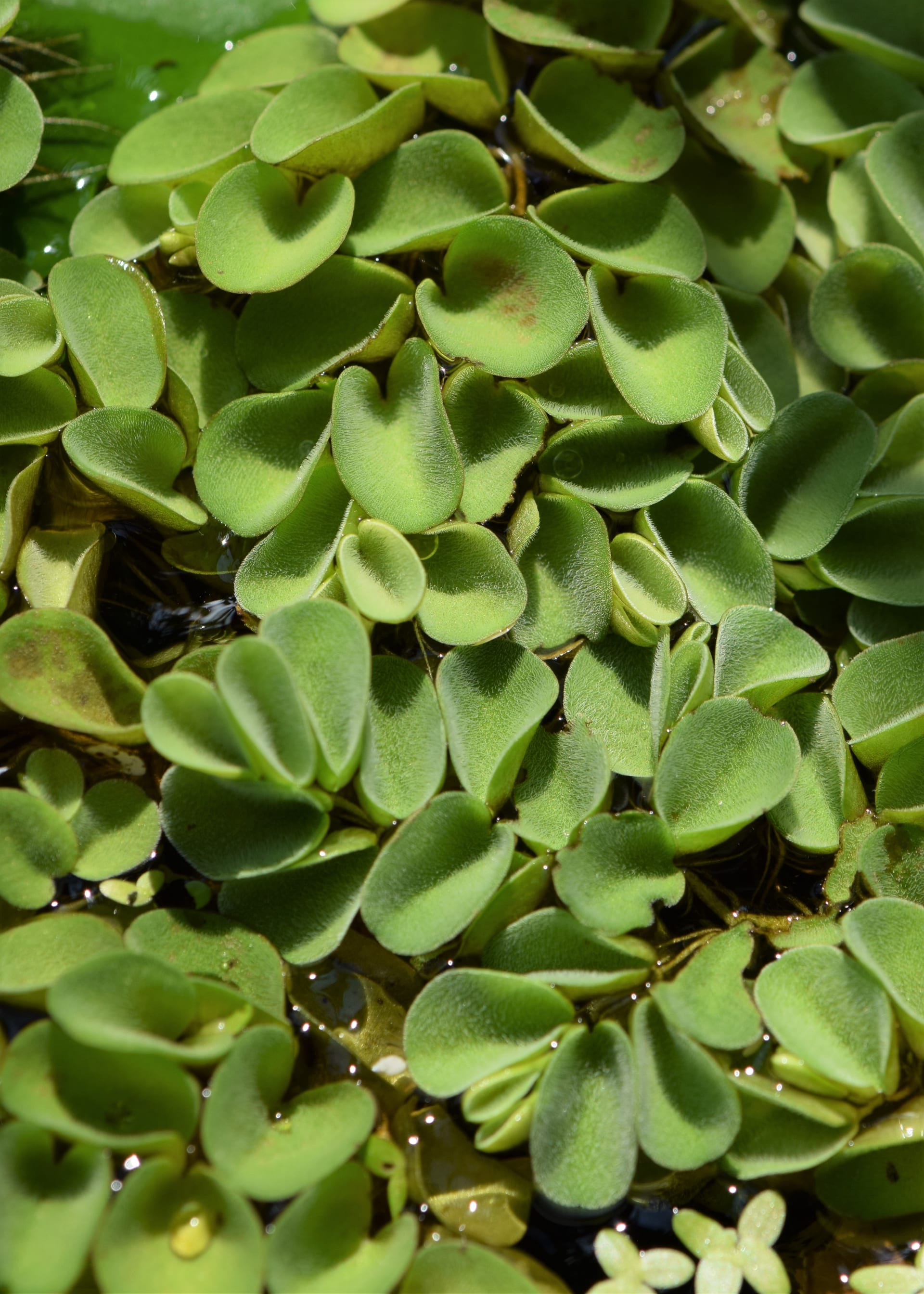
被绒毛覆盖的明亮绿色浮叶如船形或兜帽状卷起的热带亚洲产浮草蕨类。生长良好时形成厚垫状。条件不佳时叶片平坦。
圣诞苔
Vesicularia montagnei
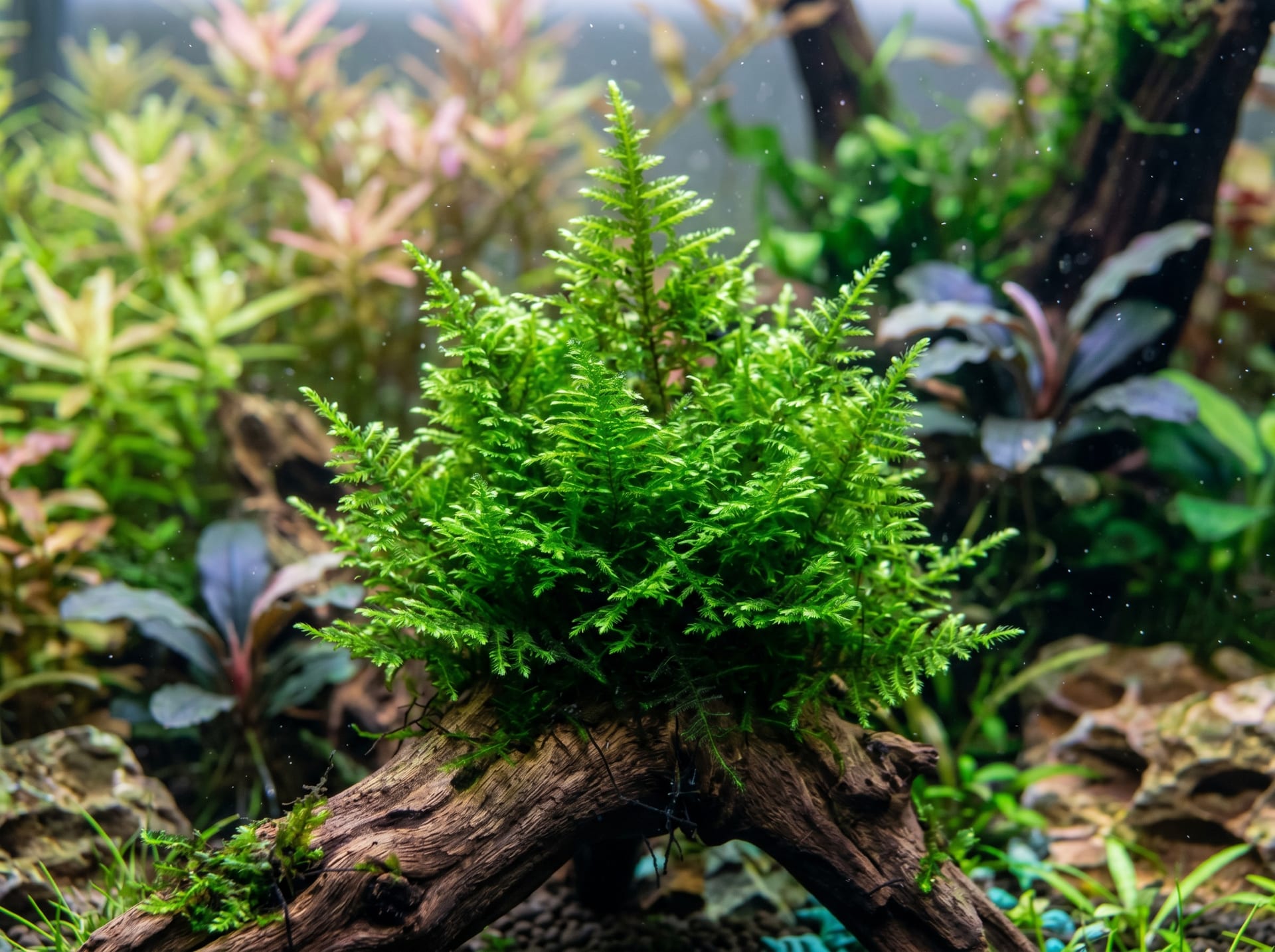
像圣诞树一样呈三角形分枝的苔藓。比普通苔藓营造更立体的景观。
 © Cliff / CC BY 2.0
石菖蒲
Acorus gramineus
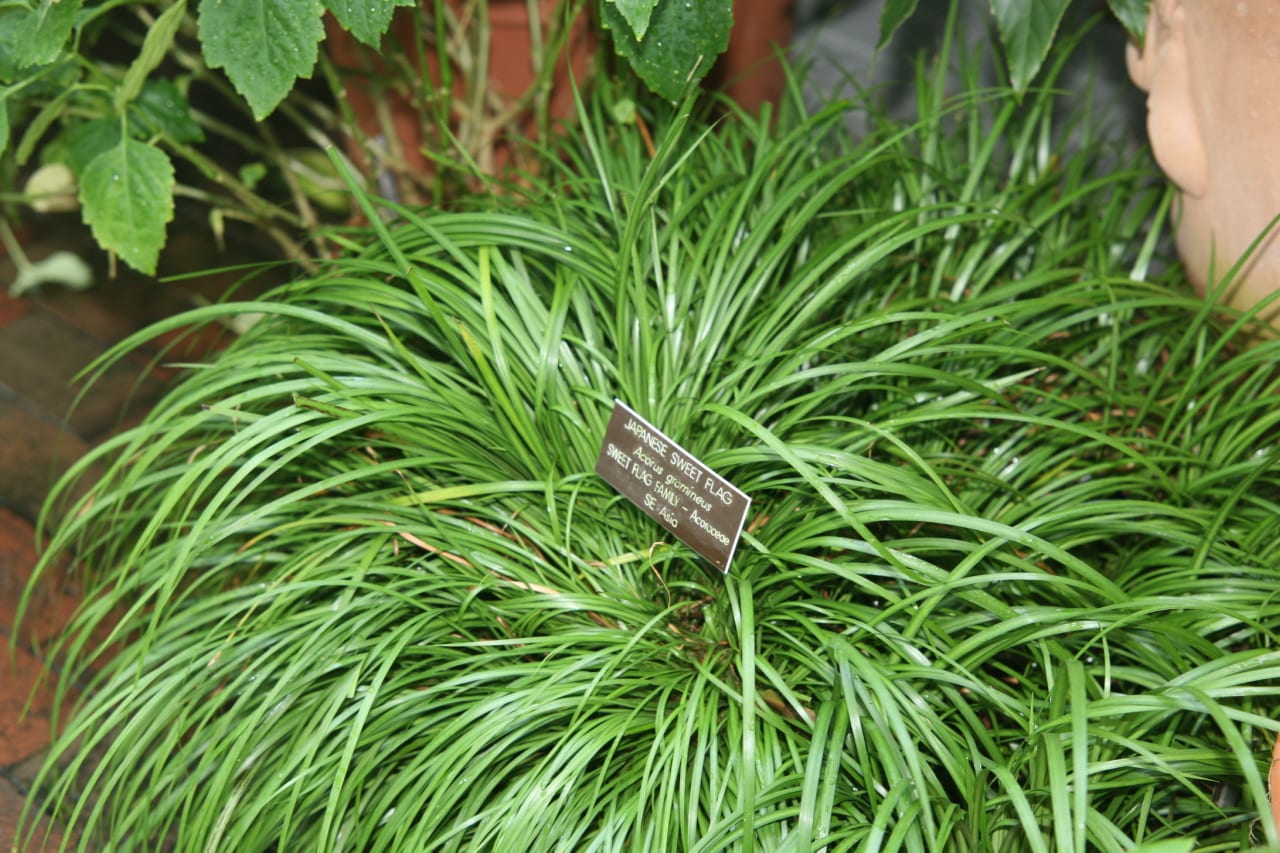
以细长剑状叶片呈扇形展开,群生于日本溪流沿岸岩石上的本地湿生植物。虽然在水边或苔藓缸中生长健壮,但完全沉水会导致大多数植株衰弱,因此只有小型品种才能在水中长期生存。
水草常见问题
- 水草的价格大概是多少?
- 常见的节节菜属和水榕为300~1,000日元、辣椒榕为1,000~5,000日元、稀有的野生株为5,000~20,000日元以上,因种类而异。
- 初心者也能养水草吗?
- 水榕纳纳和爪哇莫丝等无需添加CO2,即使在低光照条件下也能生长,特别适合初学者。建议首先从强壮的阴性水草开始。
- 培育水草需要什么设备?
- 鱼缸、LED照明、过滤器和基质是基本设备。如果要打造更精致的水草景观,配备CO2添加装置和高性能照明能显著提升水草的生长速度和着色效果。
- 购买水草时需要注意什么?
- 请检查叶片是否呈绿色且健康,是否有融化或枯萎,是否有蜗牛或害虫附着。组织培养杯装的是无害虫的,让人放心。
- 水草枯死的原因是什么?
- 主要原因是光量不足、CO2不足和养分不足。由于水草种类所需的光量和CO2浓度不同,为其创造合适的饲养环境很重要。