食虫植物图鉴
汇总了受欢迎的食虫植物的养殖方法、捕虫机制和栽培技巧的品种图鉴。
精选食虫植物
显示140个物种中的18个
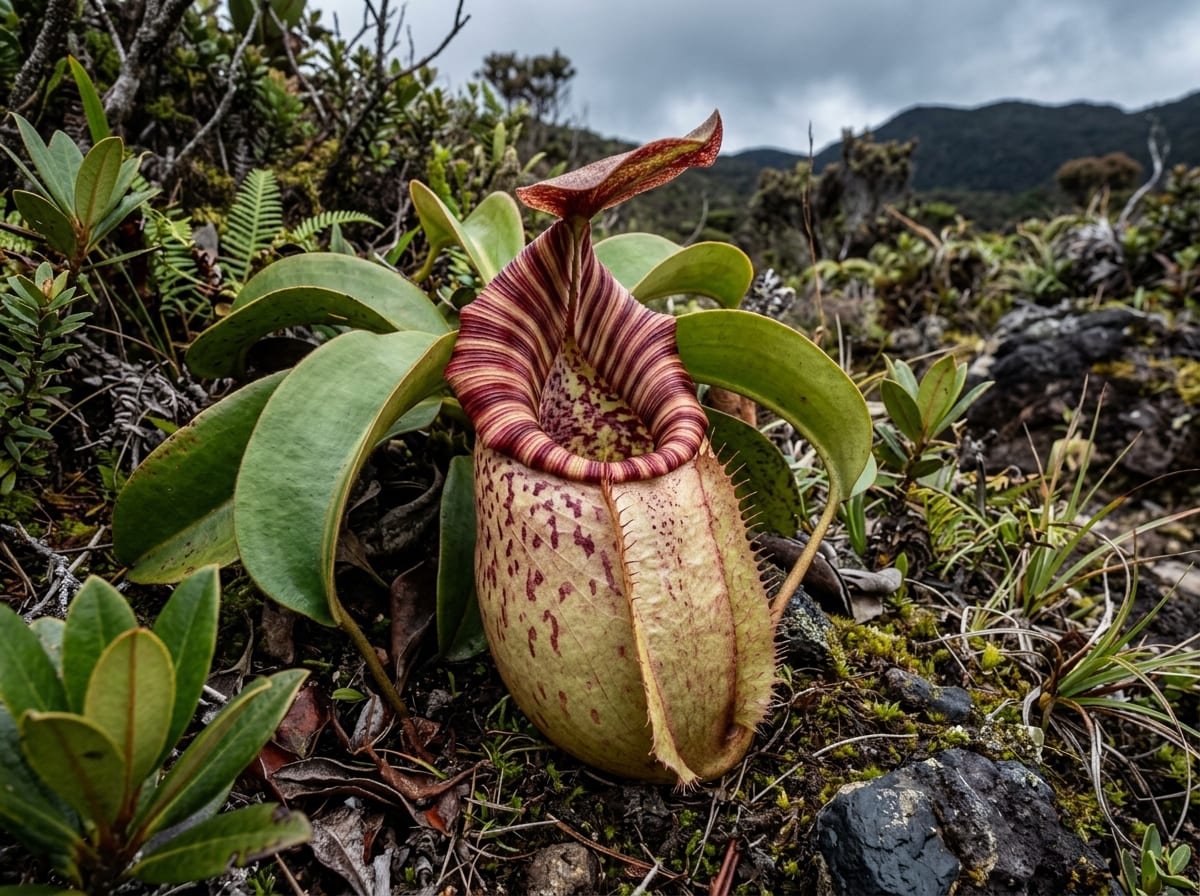
阿滕伯勒猪笼草
Nepenthes attenboroughii
菲律宾巴拉望岛维多利亚山特有的大型猪笼草。钟形捕虫囊高达30厘米,有些标本可容纳1.5升以上。以博物学家大卫·爱登堡的名字命名。
 © JeremiahsCPs (English Wikipedia) / CC BY-SA 3.0
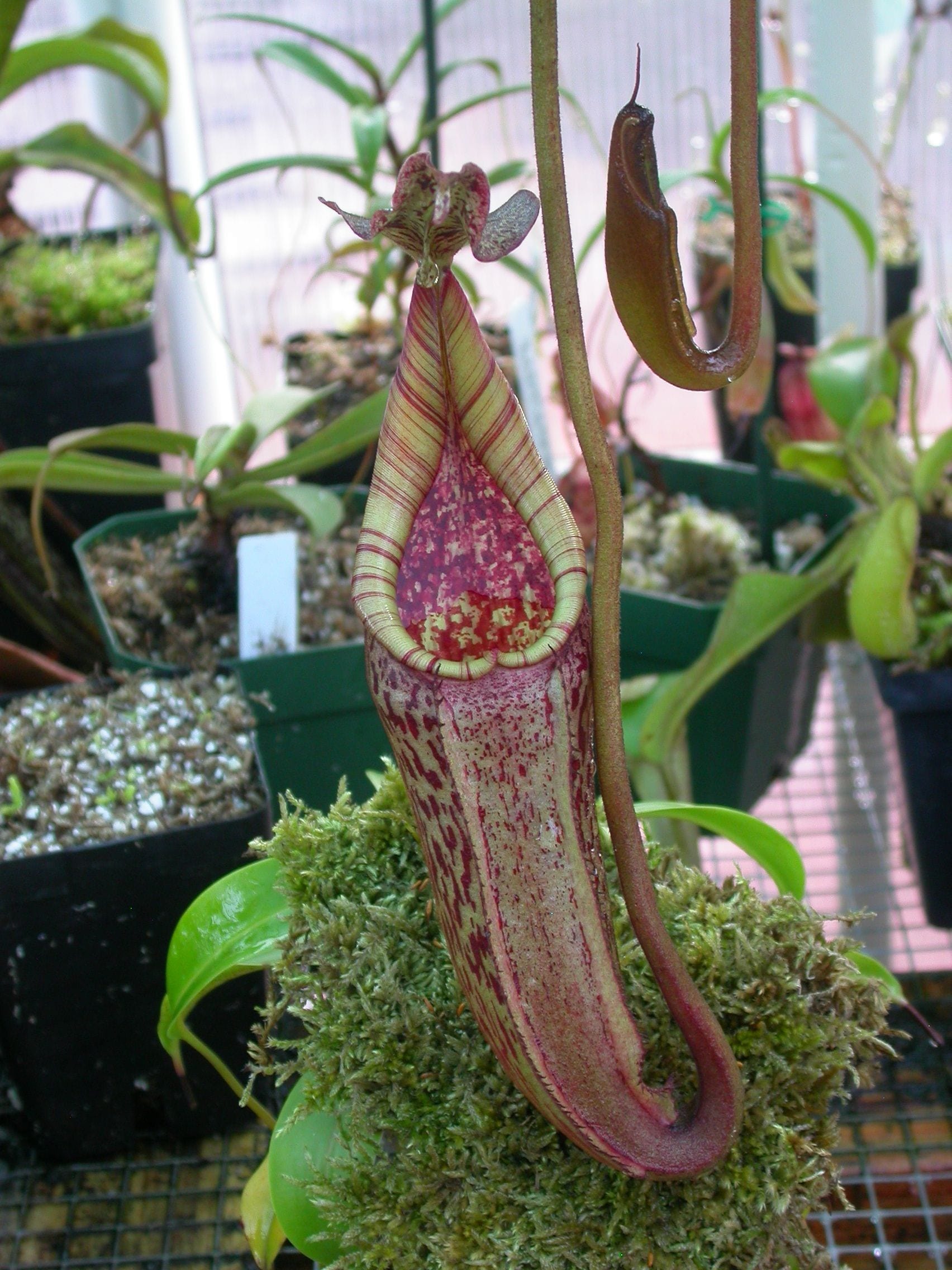
艾玛猪笼草
Nepenthes eymae
印度尼西亚苏拉威西岛山地特有的猪笼草。其上部的捕虫囊下半部狭细,上方突然展开成酒杯形,这是其特征,与近缘种N. maxima的区别点即在此。
 © Attenboroughii at English Wikipedia / CC BY 3.0
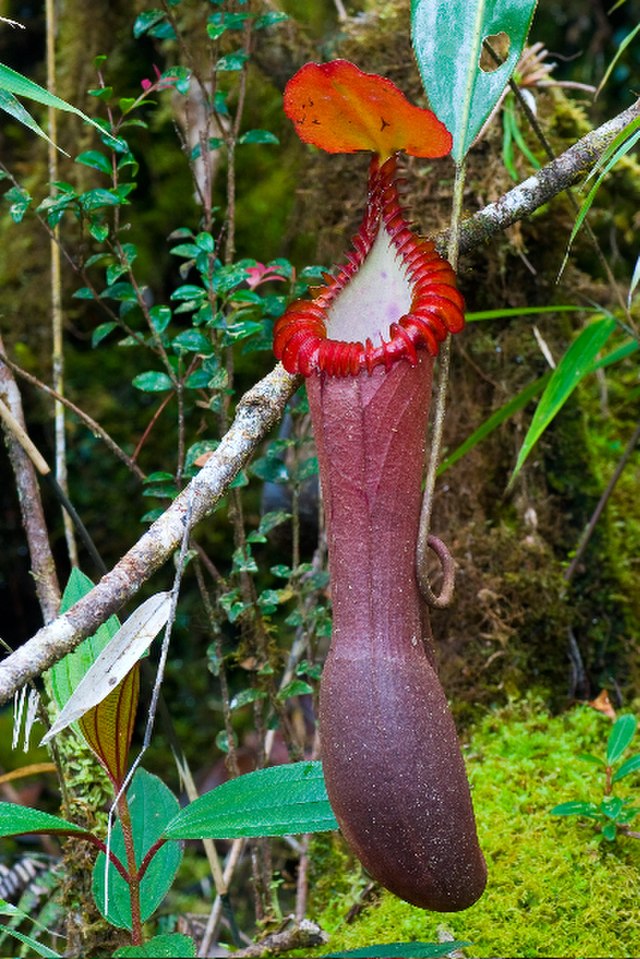
爱德华兹猪笼草
Nepenthes edwardsiana
基纳巴卢山特有的超稀有猪笼草。精巧齿状的唇盘具有兰界无与伦比的美貌。
 © Michael Wolf (Webseite) / CC BY-SA 3.0
盾叶猪笼草
Nepenthes clipeata
一种具有盾形叶片的猪笼草,卷须从叶背面着生,捕虫袋下部膨胀。仅生长于婆罗洲克拉姆山的花岗岩悬崖上,是野生中濒危程度最令人担忧的物种之一。
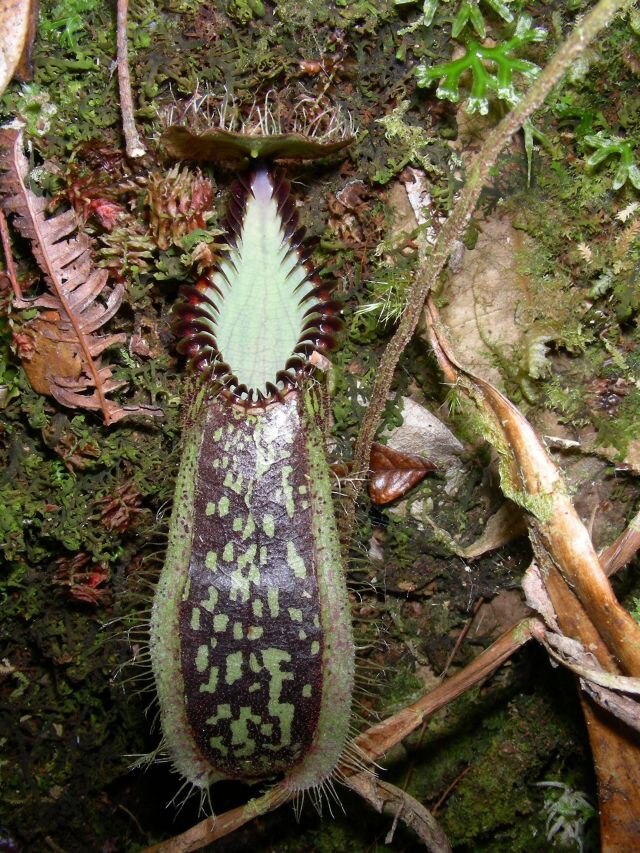 © Urs Zimmermann, Switzerland ( www.nepenthes.ch ) / CC BY 3.0
钩唇猪笼草
Nepenthes hamata
一种看起来可怕的猪笼草,袋子内侧排列着牙齿般的锐利突起。产自苏拉威西岛高地。
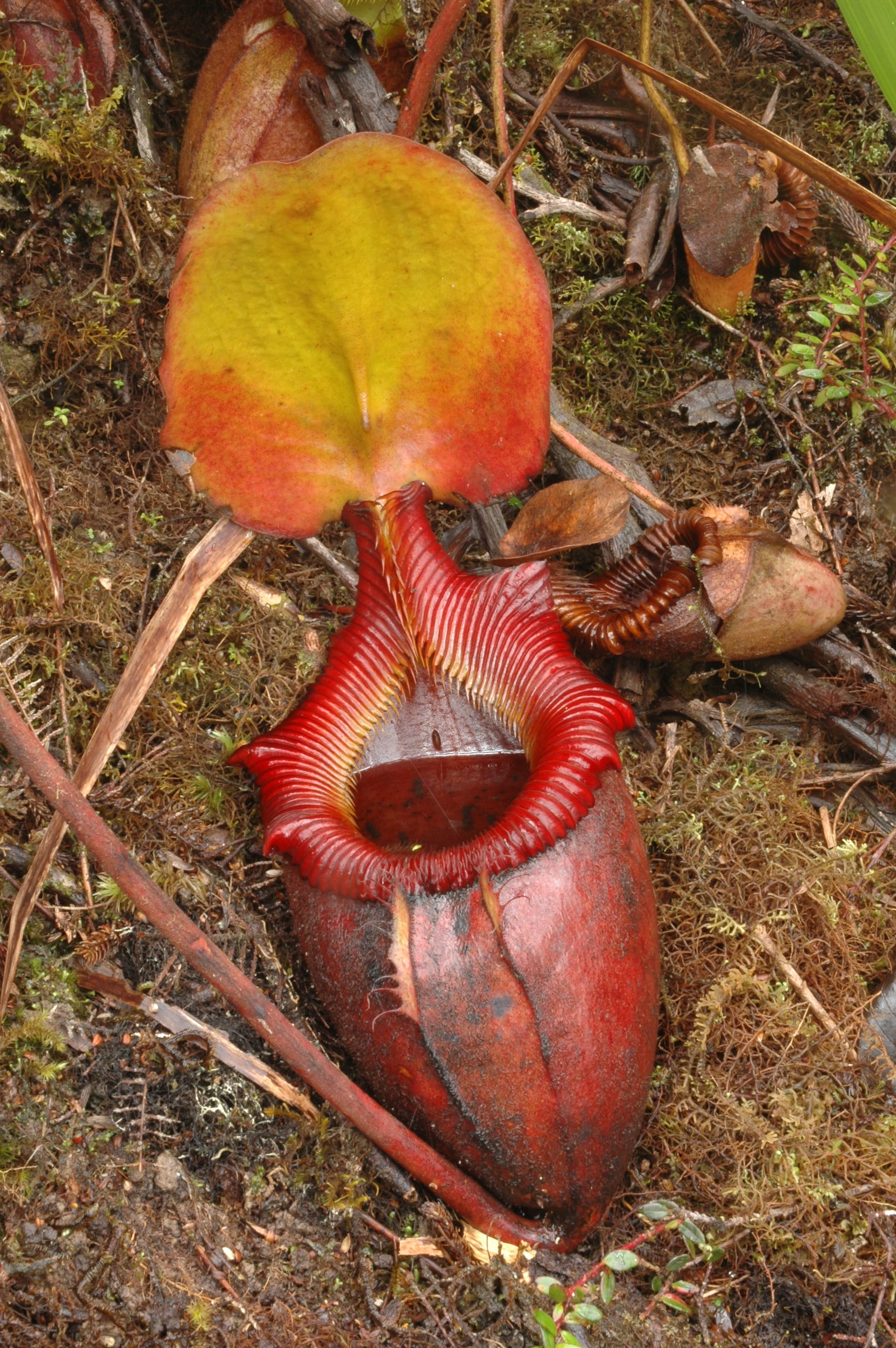 © JeremiahsCPs (English Wikipedia) / CC BY-SA 3.0
基纳巴卢猪笼草
Nepenthes × kinabaluensis
仅生长于婆罗洲基纳巴卢山周边的N. rajah和N. villosa的天然杂交种。口缘内侧的肋骨排成细长的齿,具有双亲中间型的笼状体。比双亲更容易在上部形成笼状体的高山性杂交种。
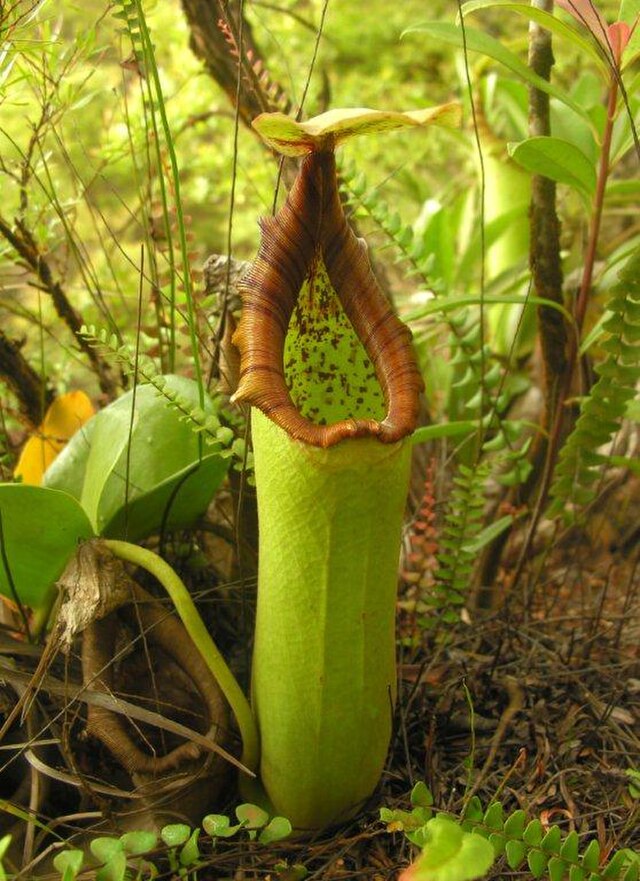 © Stewart McPherson / CC BY-SA 3.0
截形猪笼草
Nepenthes truncata
特点是叶尖呈截形平坦,囊体非常巨大。据说甚至能捕食鼠类,属于大型品种。寿命超过10年。成体藤蔓长度50-200厘米。
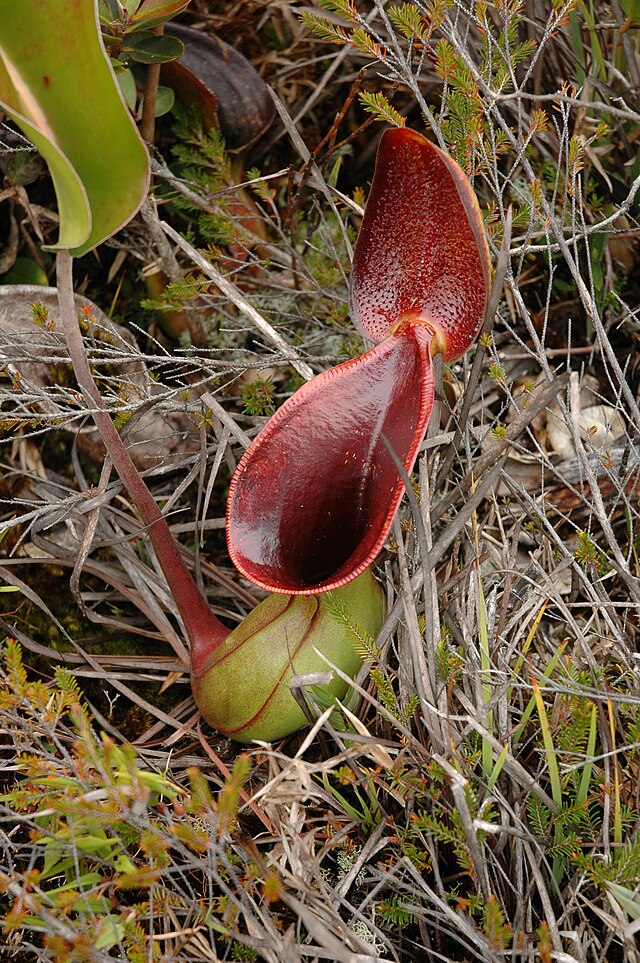 © JeremiahsCPs / CC BY-SA 3.0
罗威猪笼草
Nepenthes lowii
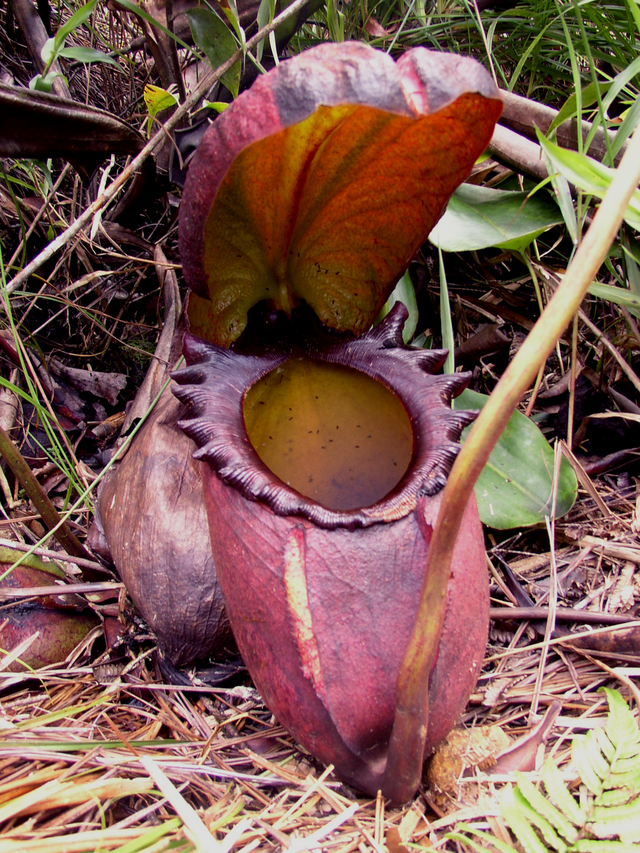
一种独特进化的猪笼草,具有形似马桶的陷阱袋,以树鼩粪便为营养来源。以动物粪便和昆虫为食。
马来王猪笼草
Nepenthes rajah
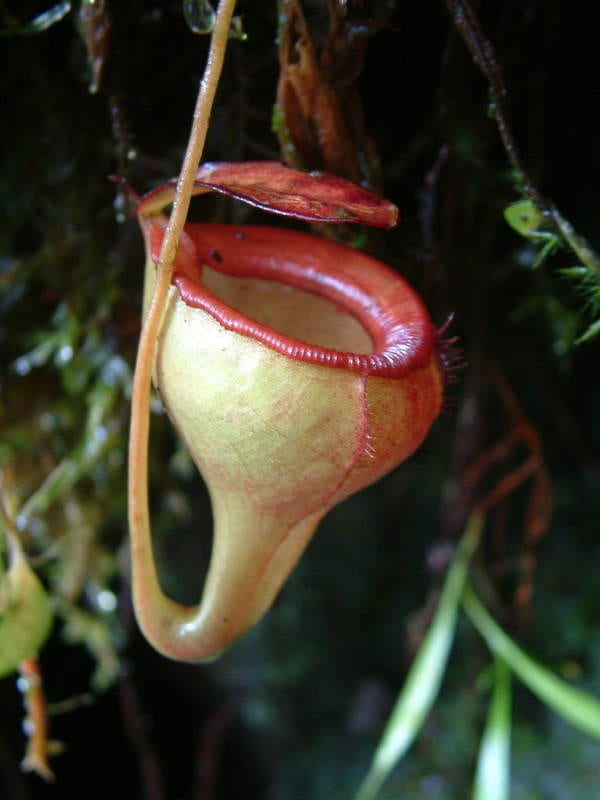
世界上最大的猪笼草。自生于婆罗洲基纳巴卢山,捕虫袋超过35厘米。CITES保护物种。
 © Alfindra Primaldhi / CC BY 2.0
马桶猪笼草
Nepenthes jamban
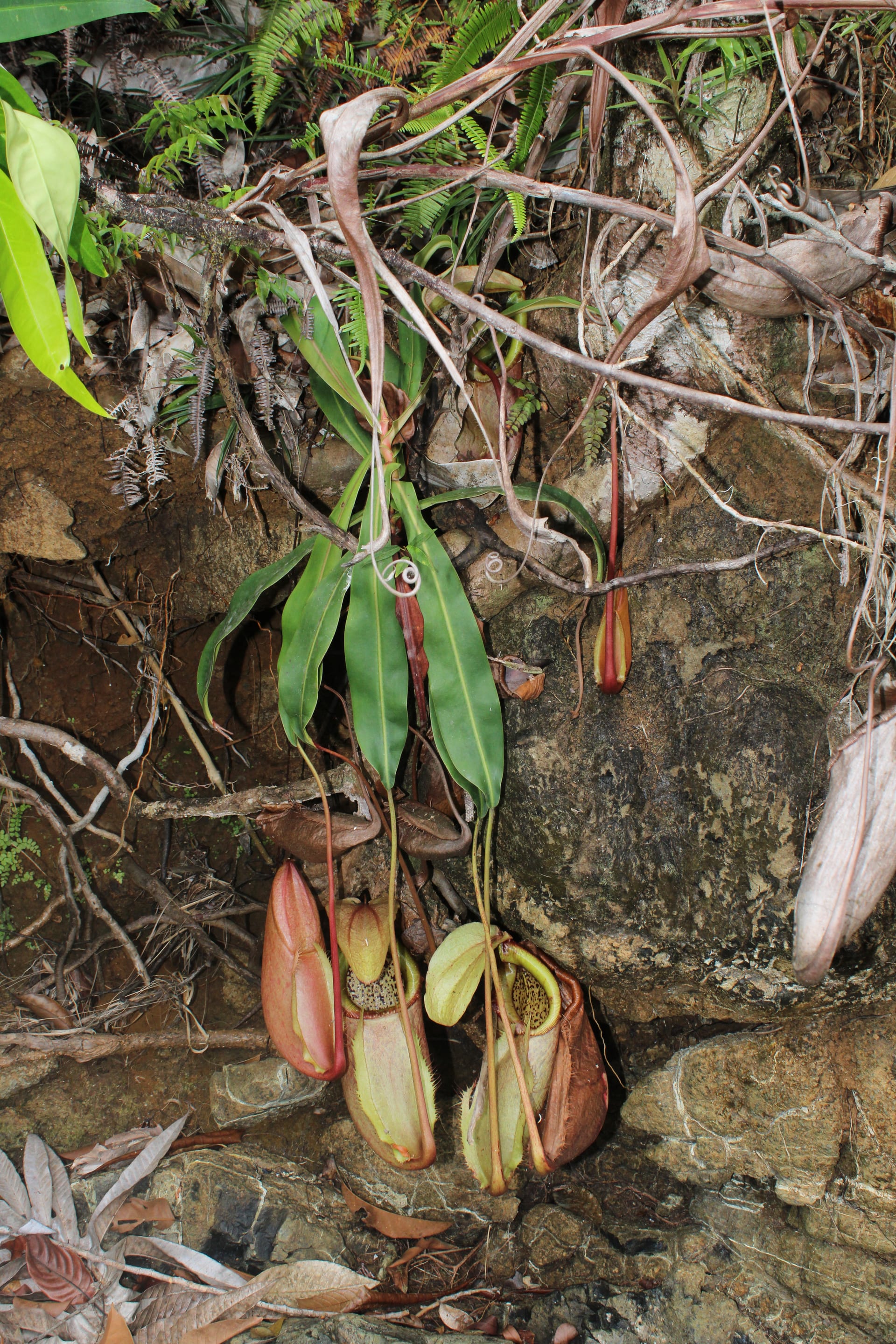
特有于苏门答腊岛北部高山的小型猪笼草。名称源自印度尼西亚语中"厕所"的含义,得名于张口如厕所便器般的黄色上部捕虫袋。2006年被记载的新物种。
 © Jp2593 / CC BY-SA 4.0
美瑞猪笼草
Nepenthes merrilliana
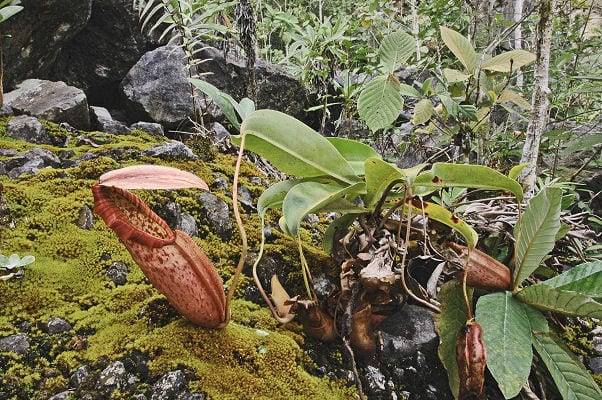
生长于菲律宾南部低地的猪笼草。上部笼可达40厘米长,是属中最大级别的种类,与N. rajah并驾齐驱。以宽而沟纹明显的口缘和大型盖片为特征,偏好高温。
 © The original uploader was XQ fan at English Wikipedia. / Public domain
诺斯猪笼草
Nepenthes northiana
生长在婆罗洲沙捞越州巴劳周边石灰岩悬崖上的大型猪笼草。带有红斑点的捕虫囊高达40厘米,左右大幅延伸的波状口缘(周口)令人注目。
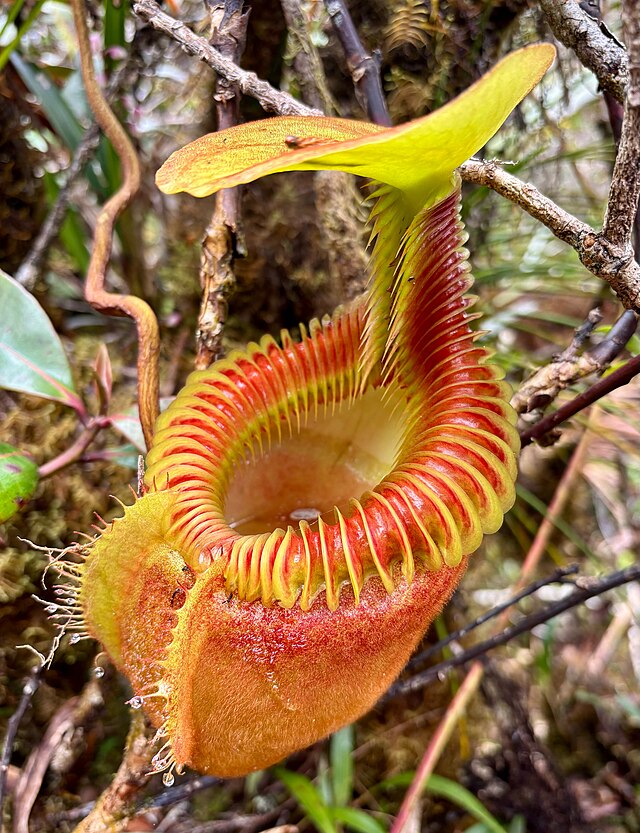 © kallerna / CC BY-SA 4.0
绒毛猪笼草
Nepenthes villosa
基纳巴卢山特有的猪笼草。被毛覆盖的囊和精巧的唇盘令人赞叹。寿命超过10年。食虫。
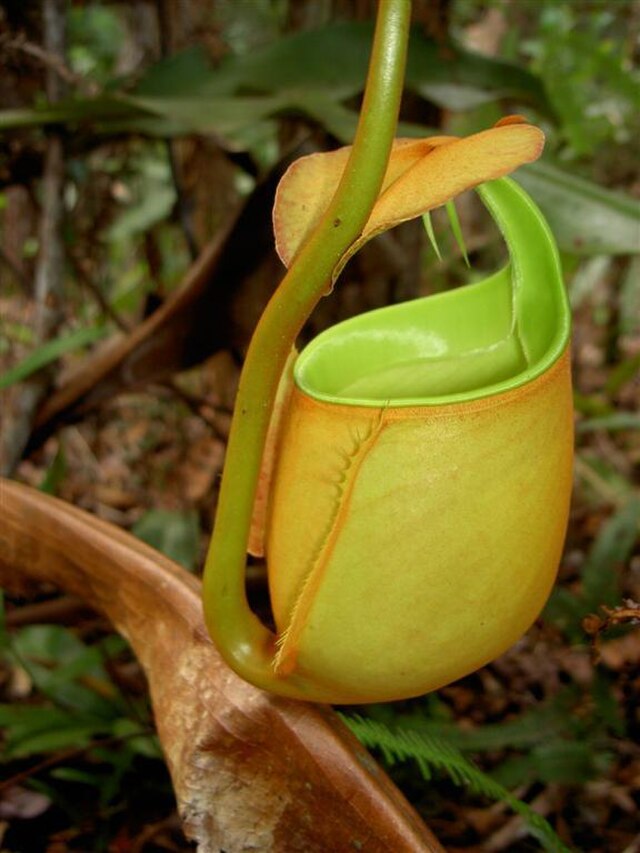 © Hans Breuer / CC BY 2.0
双距猪笼草
Nepenthes bicalcarata
在袋口有两个牙状突起的猪笼草。与共生蚂蚁的关系闻名。成体藤蔓长50~数米。
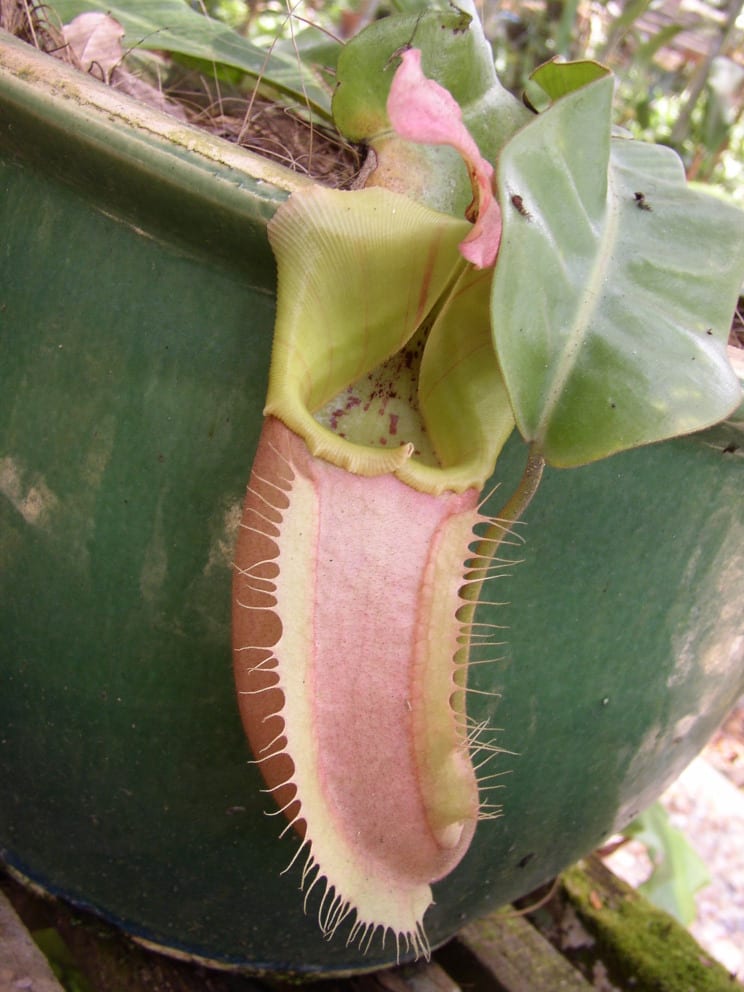 © en:User:NepGrower / Public domain
韦氏猪笼草
Nepenthes veitchii
婆罗洲产的一种猪笼草,其最大特征是捕虫笛的口部具有宽阔的唇缘,几乎垂直竖起,细褶向中心排列,似鱼鳃般精致。叶片左右两列排列,以似乎用臂膀抱着树干的方式缠绕附生。
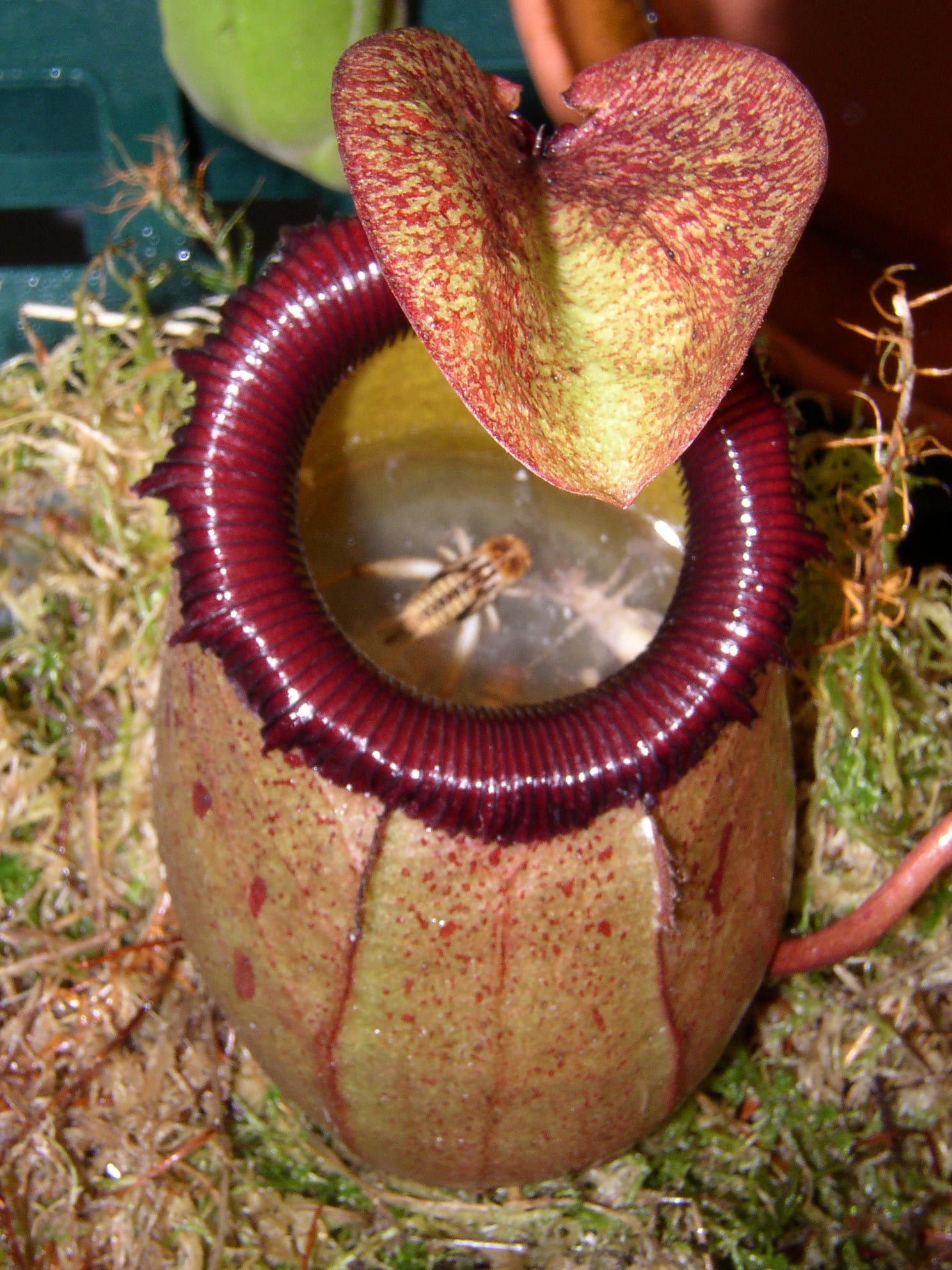 © en:User:NepGrower / Public domain
西布扬猪笼草
Nepenthes sibuyanensis
仅分布于菲律宾西布扬岛山区的高地猪笼草。黄至红色的卵形捕虫袋高达26厘米,深红至黑色的宽阔瓶口周缘引人注目。根据IUCN评估,属于易危种。
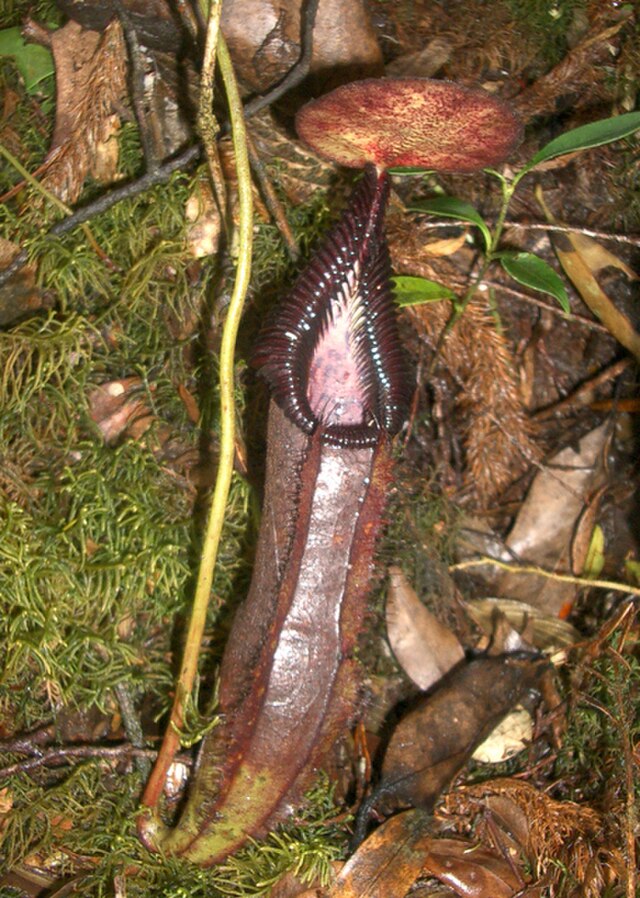 © Alfindra Primaldhi / CC BY 2.0
新加拉猪笼草
Nepenthes singalana
原产苏门答腊岛的高地猪笼草。圆形的捕虫囊和红色的色泽很美。
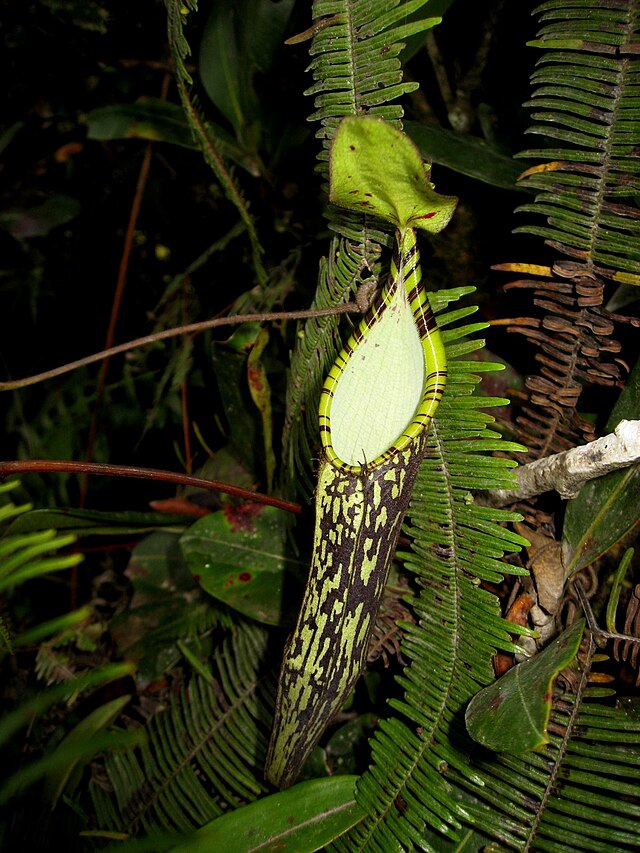 © Shawn Mayes / CC BY-SA 3.0
绚丽猪笼草
Nepenthes spectabilis
苏门答腊岛高地产猪笼草。瓶口缘的条纹图案非常美丽。寿命超过10年。
食虫植物常见问题
- 食虫植物的市场价格大概是多少?
- 捕蝇草500〜2,000円,猪笼草1,000〜10,000円,稀有的高地性猪笼草数万円以上,因种类和尺寸而有很大差异。
- 初学者也能养食肉植物吗?
- 捕蝇草、茅膏菜和瓶子草相对容易种植,也推荐给初学者。通过腰水管理保持湿度,放在阳光充足的地方,就能健康地生长。
- 食虫植物的寿命有多长?
- 捕蝇草如果管理得当可以活10年以上,瓶子草同样长寿。猪笼草如果环境合适可以生长几十年,植株会越来越大。
- 购买食肉植物时需要注意什么?
- 检查叶子和捕虫器官是否健康,确认根部是否腐烂。猪笼草最好选择带有捕虫袋的个体,这样更放心。购买后避免急剧的环境变化,让它逐渐适应。
- 食虫植物需要喂虫子吗?
- 不喂虫子也能通过光合作用充分生长。虫子是辅助营养来源,无需强行喂食。如果在户外栽培,植物会自然捕捉昆虫,您可以享受观察的乐趣。