兰花图鉴
汇总了受欢迎的兰花的栽培方法、特征和开花技巧的品种图鉴。
显示140个物种中的22个
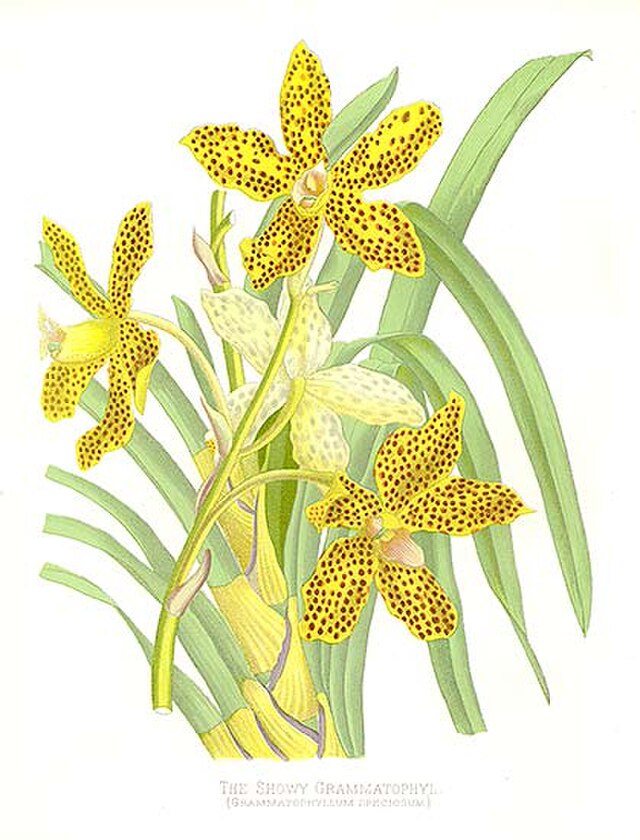
斑被兰
附生于东南亚热带雨林的大型兰花属,也被称为虎斑兰。最大种斑被兰的假鳞茎可达3米,是世界上最大的兰花之一。
 © Orchi / CC BY-SA 3.0
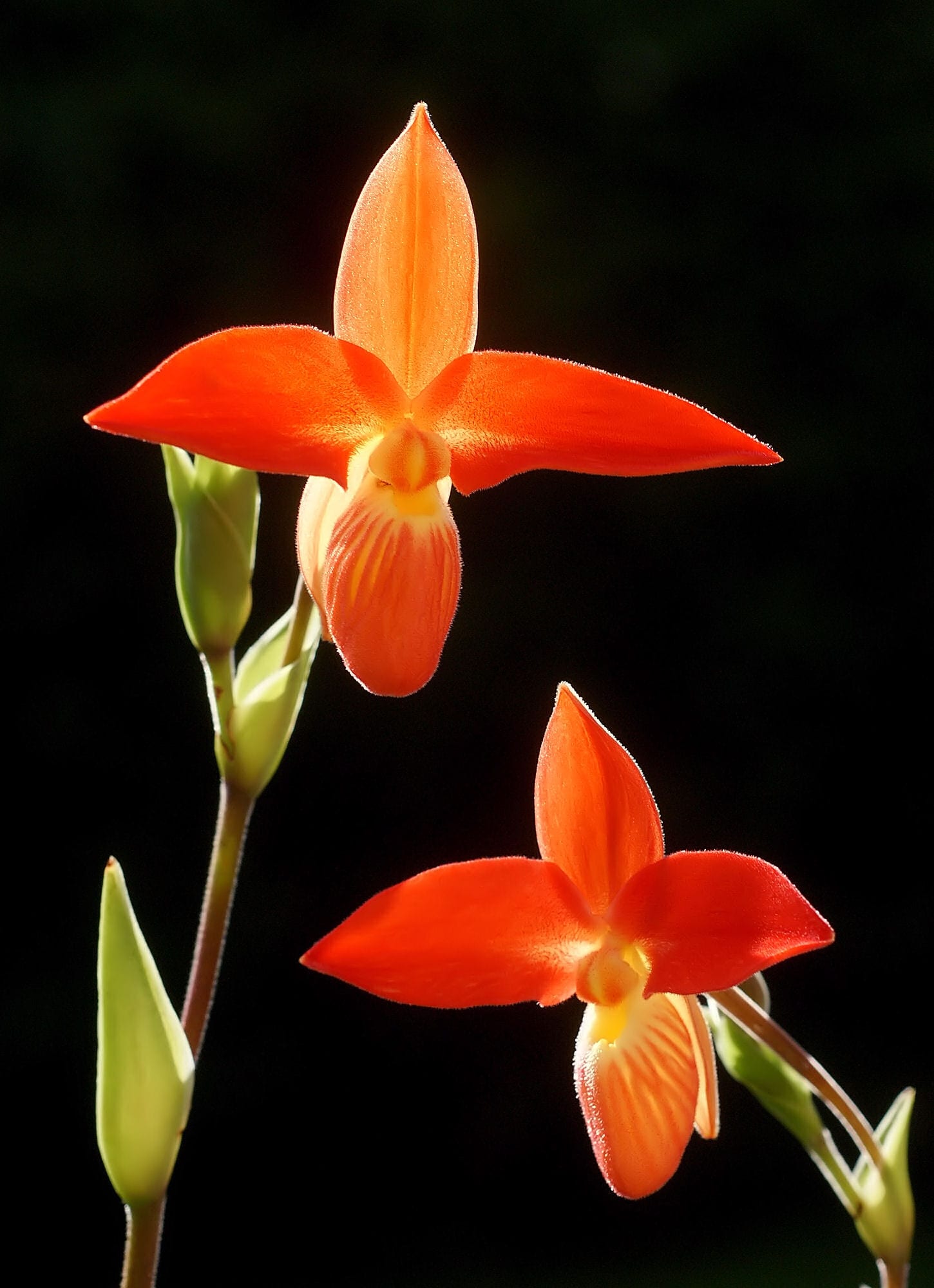
贝斯南美兜兰
Phragmipedium besseae
生长在安第斯山脉东坡有水流的悬崖和岩石上的南美兜兰。因开出该属之前没有的朱红色花而闻名,自1981年被命名后作为杂交亲本也备受关注。
 © Orchi / CC BY-SA 3.0
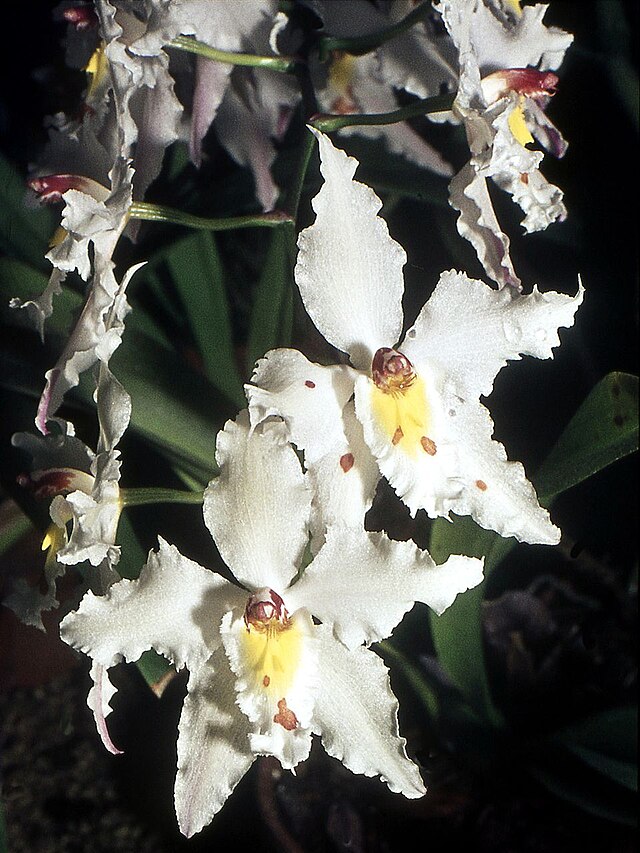
齿舌兰
Odontoglossum
南美高山原产的冷凉性兰花。花穗上开有许多具有美丽纹样的花。10~22℃,冷凉。
 © sunoochi from Sapporo, Hokkaido, Japan / CC BY 2.0
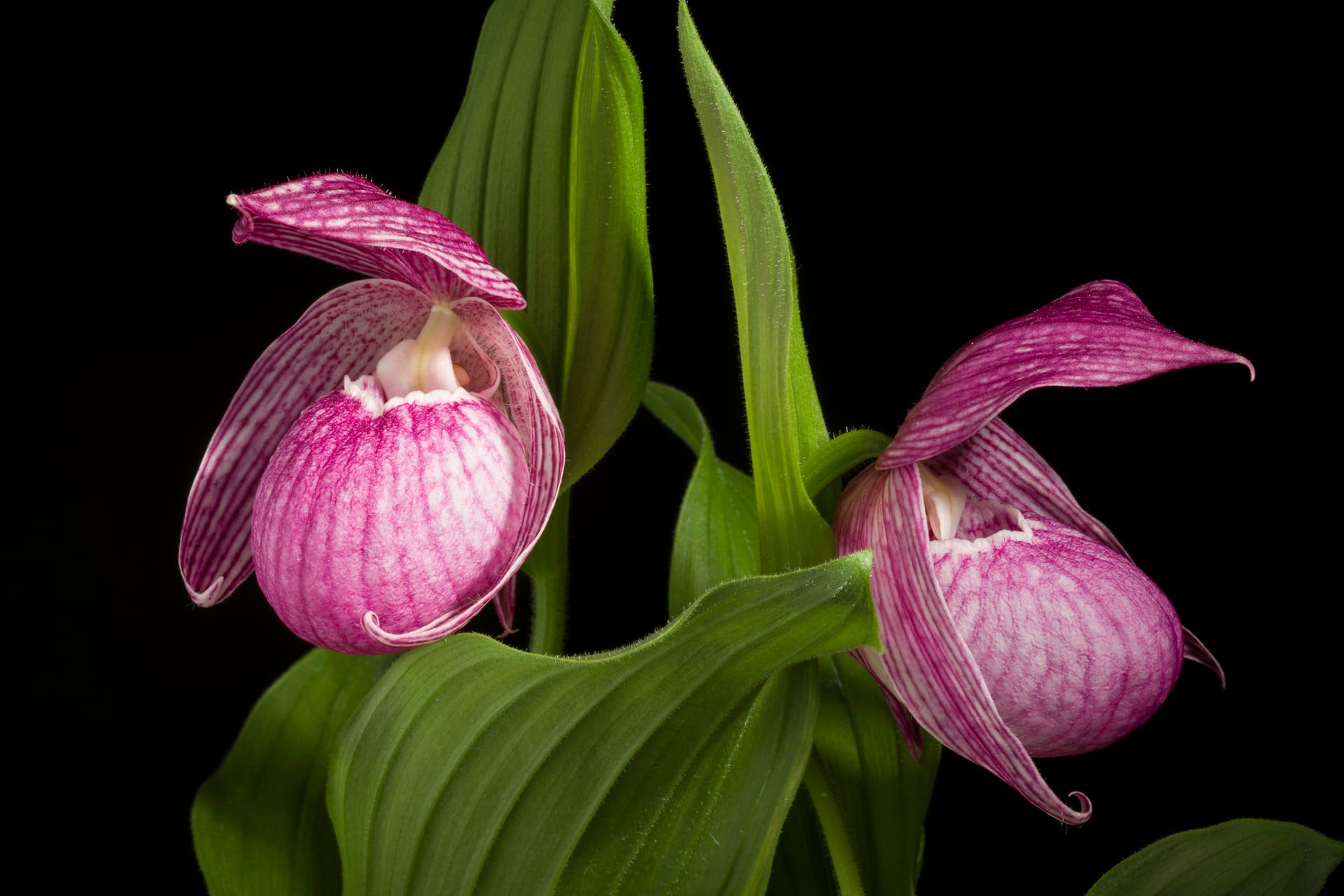
大花杓兰
Cypripedium macranthos var. speciosum
在茎顶开放红紫色大袋状花的大花杓兰日本变种。生长于北海道和本州寒冷地的草地和明亮林地,被指定为《物种保存法》特定第一类国内珍稀野生动植物。流通的是人工繁殖株。
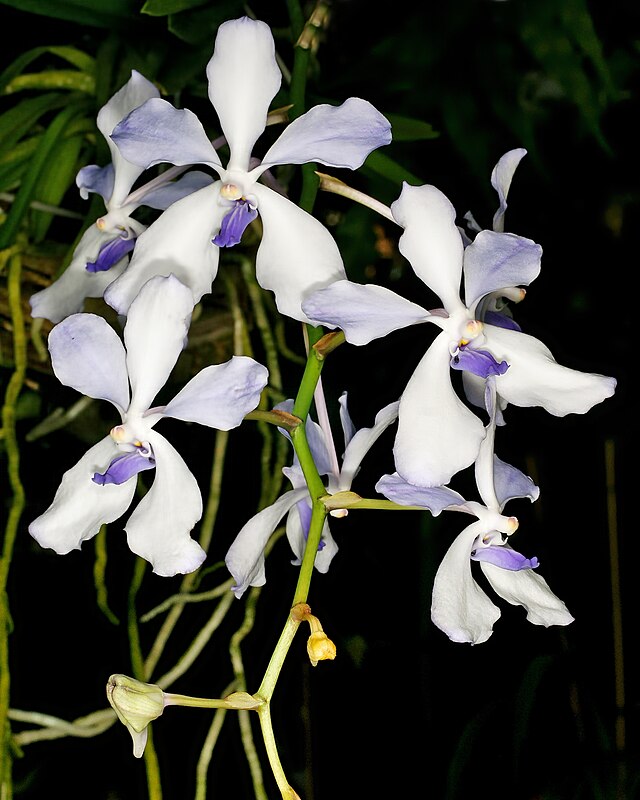 © Orchi / CC BY-SA 3.0
大花万代兰
Vanda coerulea
兰花蓝色品种的代表。澄澈的蓝色花被誉为兰花界最美的蓝色。
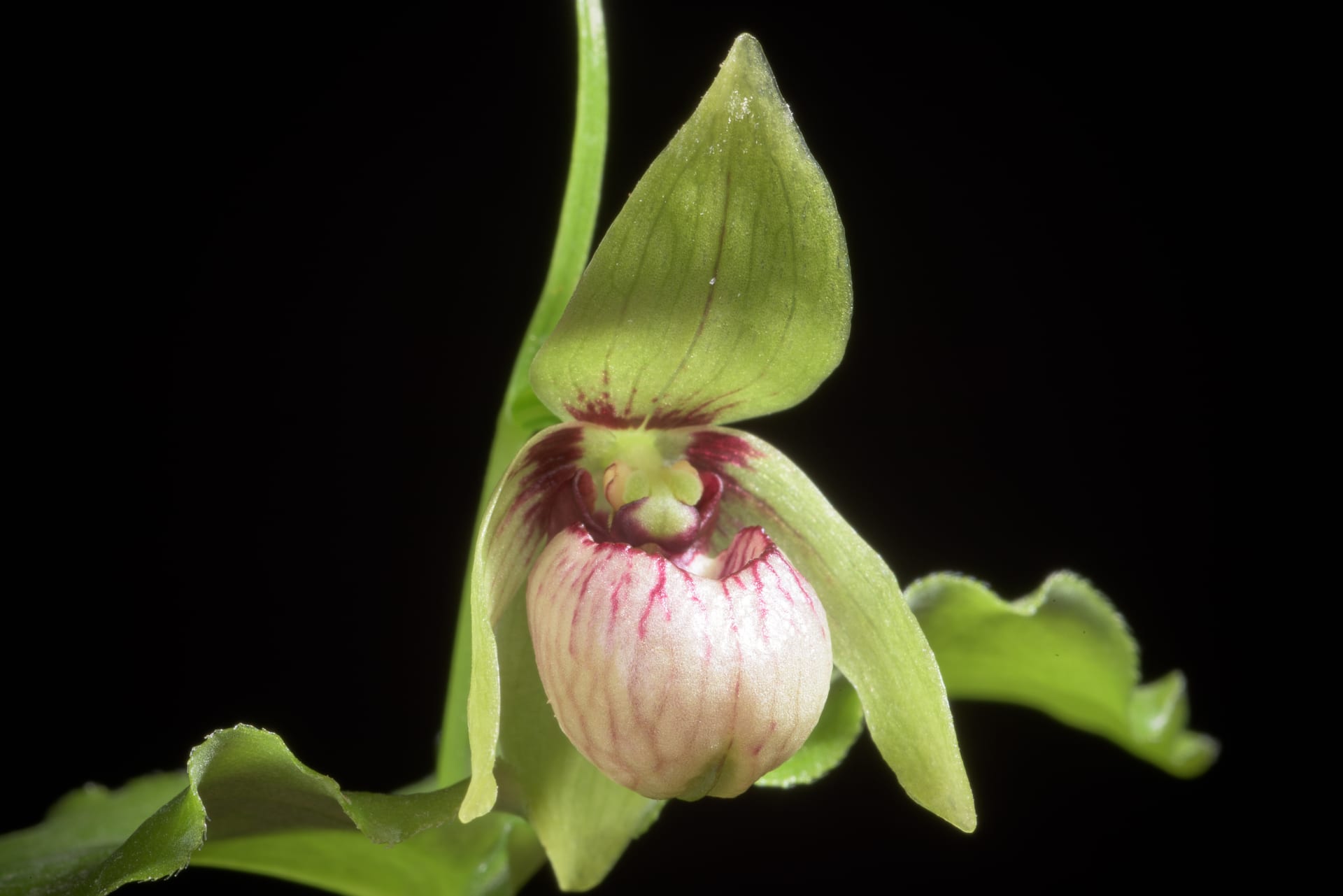 © snotch from Sapporo, Hokkaido, Japan / CC BY 2.0
对叶杓兰
Cypripedium debile
展开两片圆形心叶水平伸展,下方绽放直径1~2厘米的小花,姿态低垂——这是杓兰属的小型种。由于花贴近地面绽放,不翻起叶片很难观察到这种植物。
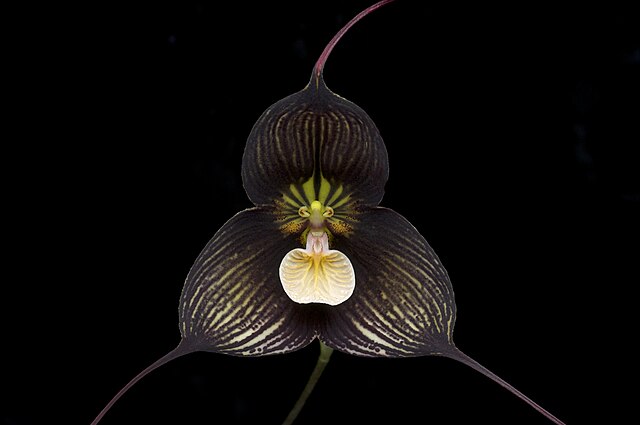 © Eric Hunt / CC BY-SA 3.0
猴脸兰
以猿脸花而闻名的高山兰花。需要凉爽环境和高湿度。8~20℃、冷凉必需。
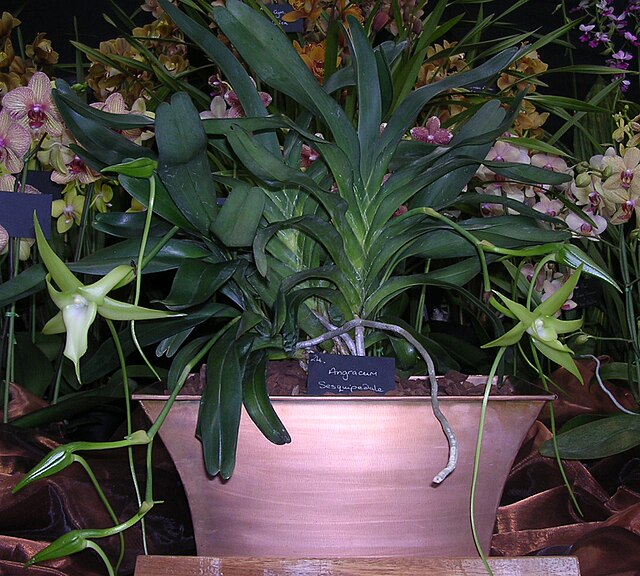 © Diogo Correia / Public domain
彗星兰属
马达加斯加原产的白花兰。具有长距和夜间芳香,以达尔文兰而闻名。
 © A.Savin / FAL
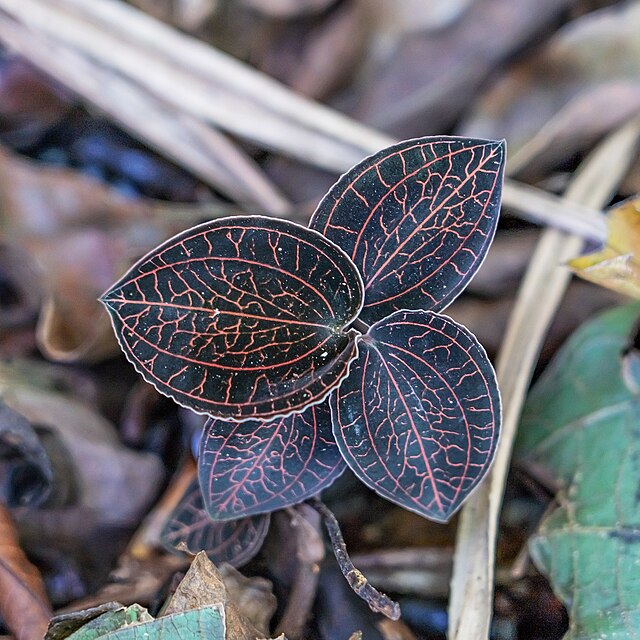
金线兰
金色网纹覆盖叶片的宝石兰。也被称为锦线兰,适合生态缸栽培。
 © snotch from Sapporo, Hokkaido, Japan / CC BY 2.0
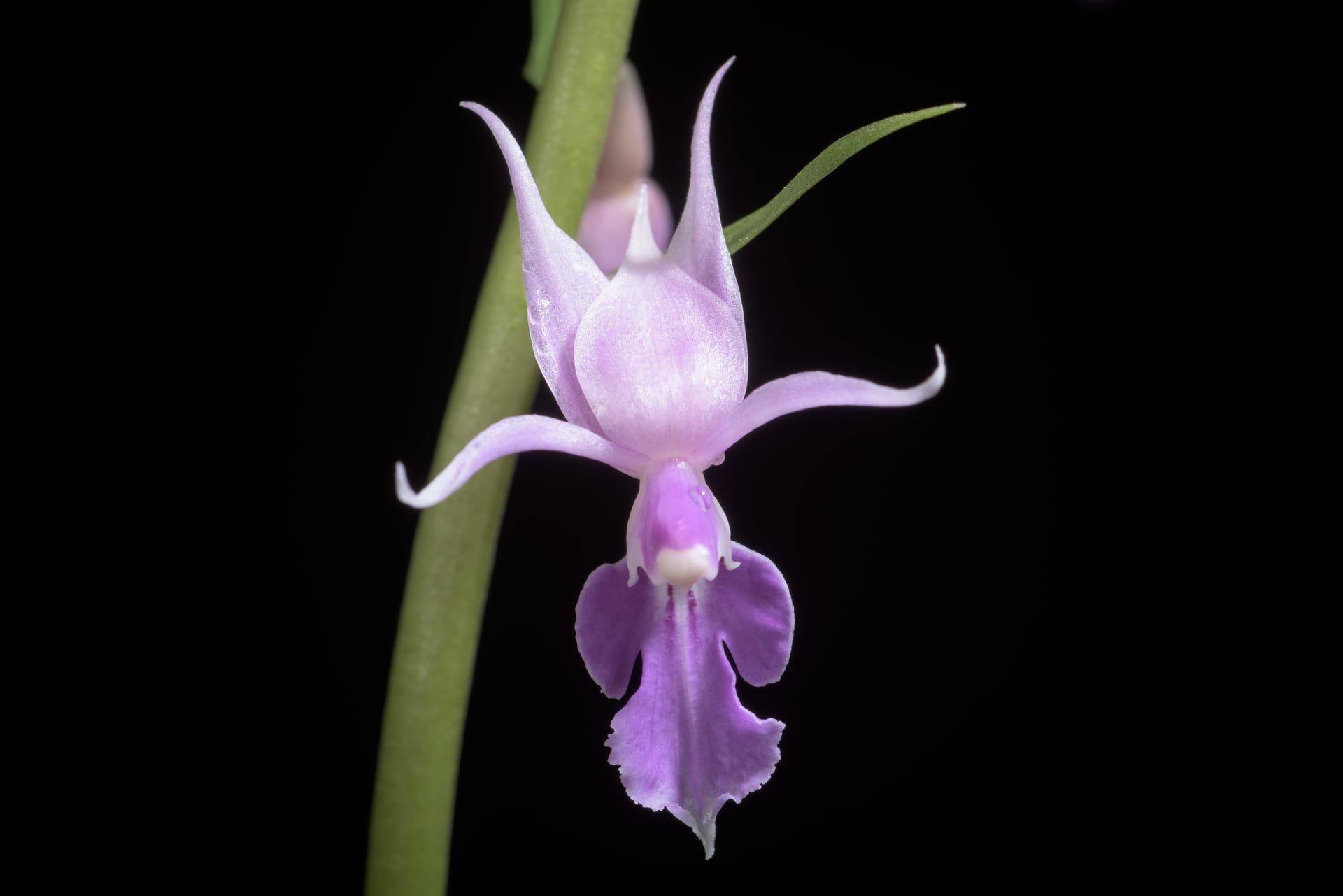
镰萼虾脊兰
Calanthe puberula
于7-8月盛夏时期,开出淡紫色花序,是一种稀有的夏季开花虾脊兰。萼片先端向后反卷,唇瓣边缘呈细小波状。不耐高温和干旱,易患病毒病,是一种长期培育困难的种类。
 © Orchi / CC BY-SA 3.0
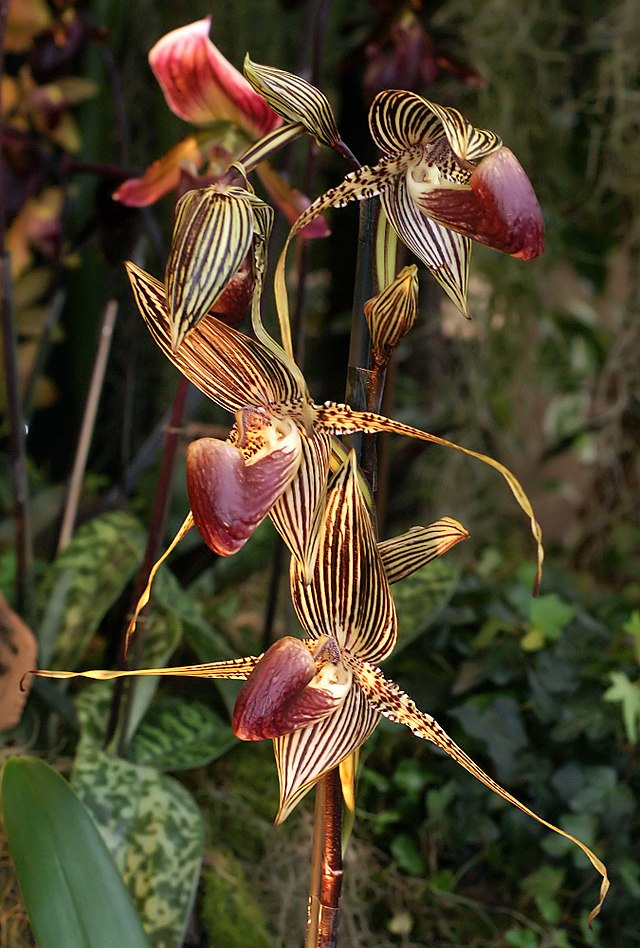
罗氏兜兰
Paphiopedilum rothschildianum
被誉为"兰花之王"的大型兜兰。横向展开的硕大花朵与条纹花纹令人印象深刻。稀有且昂贵。
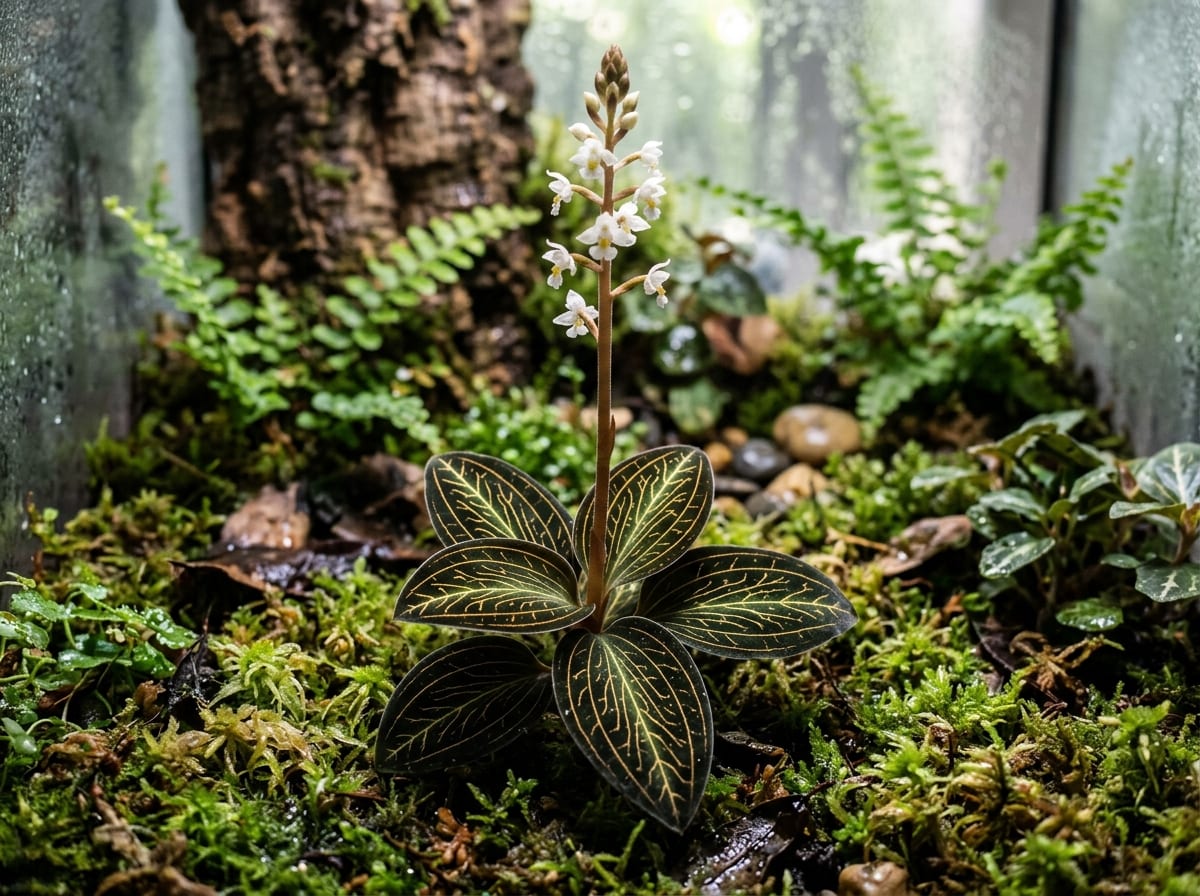
罗氏开唇兰
Anoectochilus roxburghii
叶片如天鹅绒般的深绿色,上有金色网纹,是一种观叶的小型地生兰(宝石兰)。叶背呈紫黑色,秋季开放几朵小白花。喜欢高湿度环境,适合在自然缸中栽培。
 © Elena Gaillard from New York, USA / CC BY 2.0
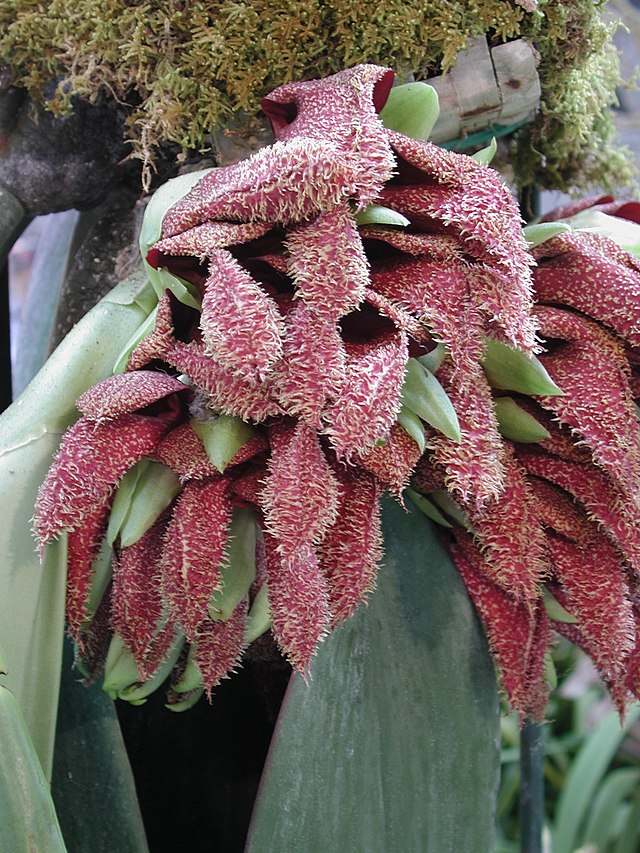
拟蝶兰石豆兰
石豆兰属最大的品种。以其巨大的叶片和独特的臭花作为珍稀兰花而受欢迎。
 © Orchi / CC BY-SA 3.0
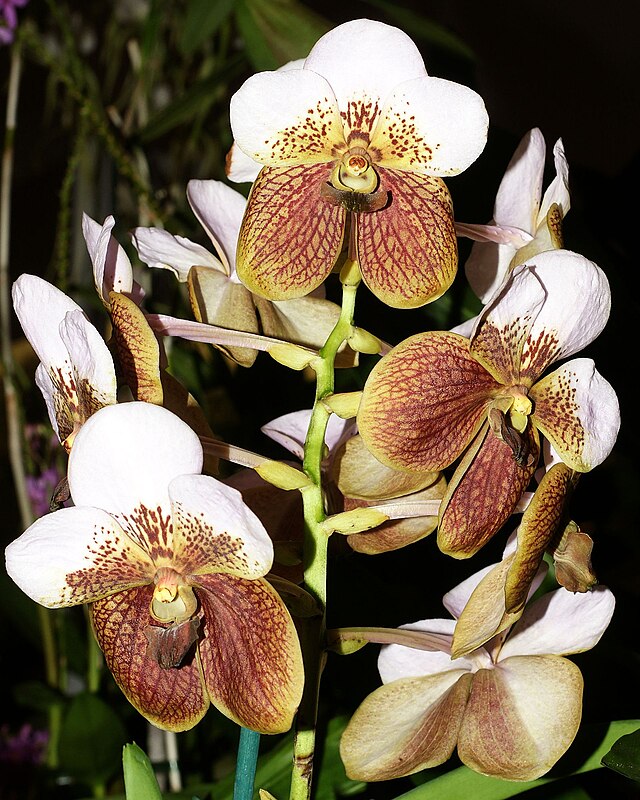
三德万代兰
Vanda sanderiana
菲律宾原产的大花万代兰。因"瓦林瓦林"之名而闻名,是万代兰杂交的重要亲本。
 © Alpsdake / CC BY-SA 3.0
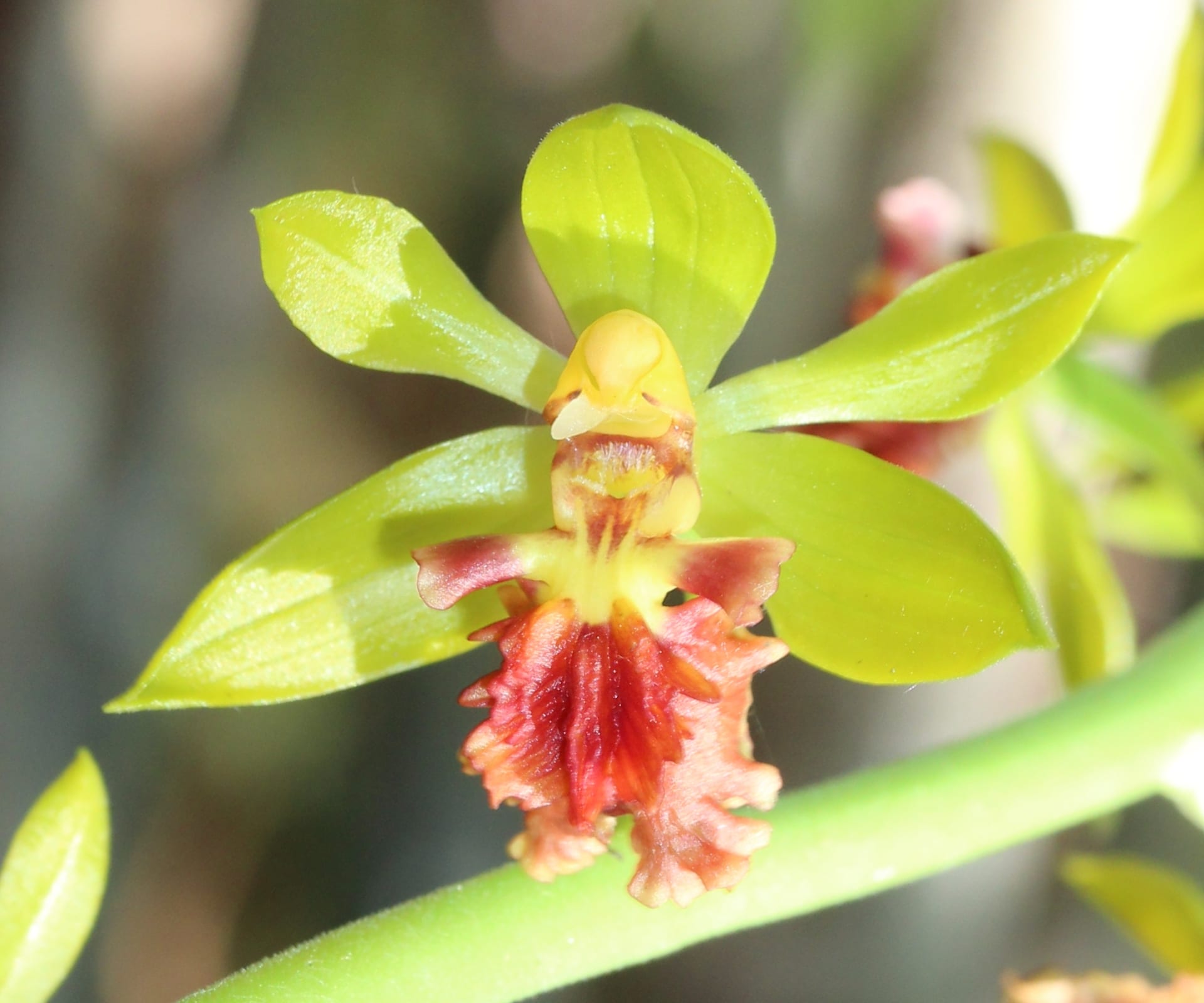
三棱虾脊兰
Calanthe tricarinata
黄绿色花瓣,褶皱的红褐色唇瓣下垂的山地生虾脊兰。唇瓣被比作猿的脸,这是其名称的由来。生长在山毛榉林等凉爽深山的林床中,不耐夏季炎热。
 © Orchi / CC BY-SA 3.0
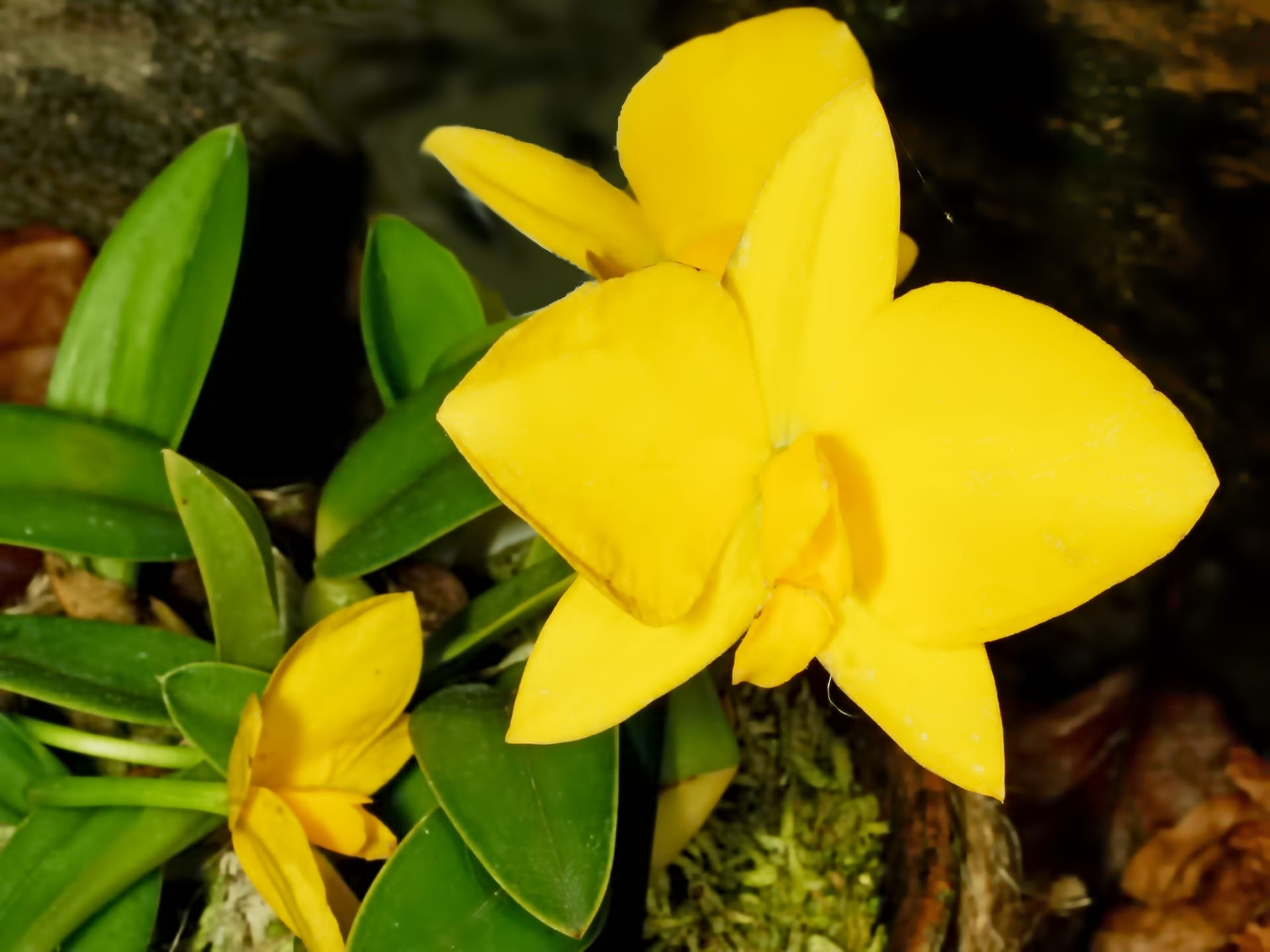
苏弗罗尼蒂斯
鲜艳的红色花朵是这种超小型兰花的特色。在卡特兰杂交中扮演重要角色。
 © Orchi / CC BY-SA 3.0
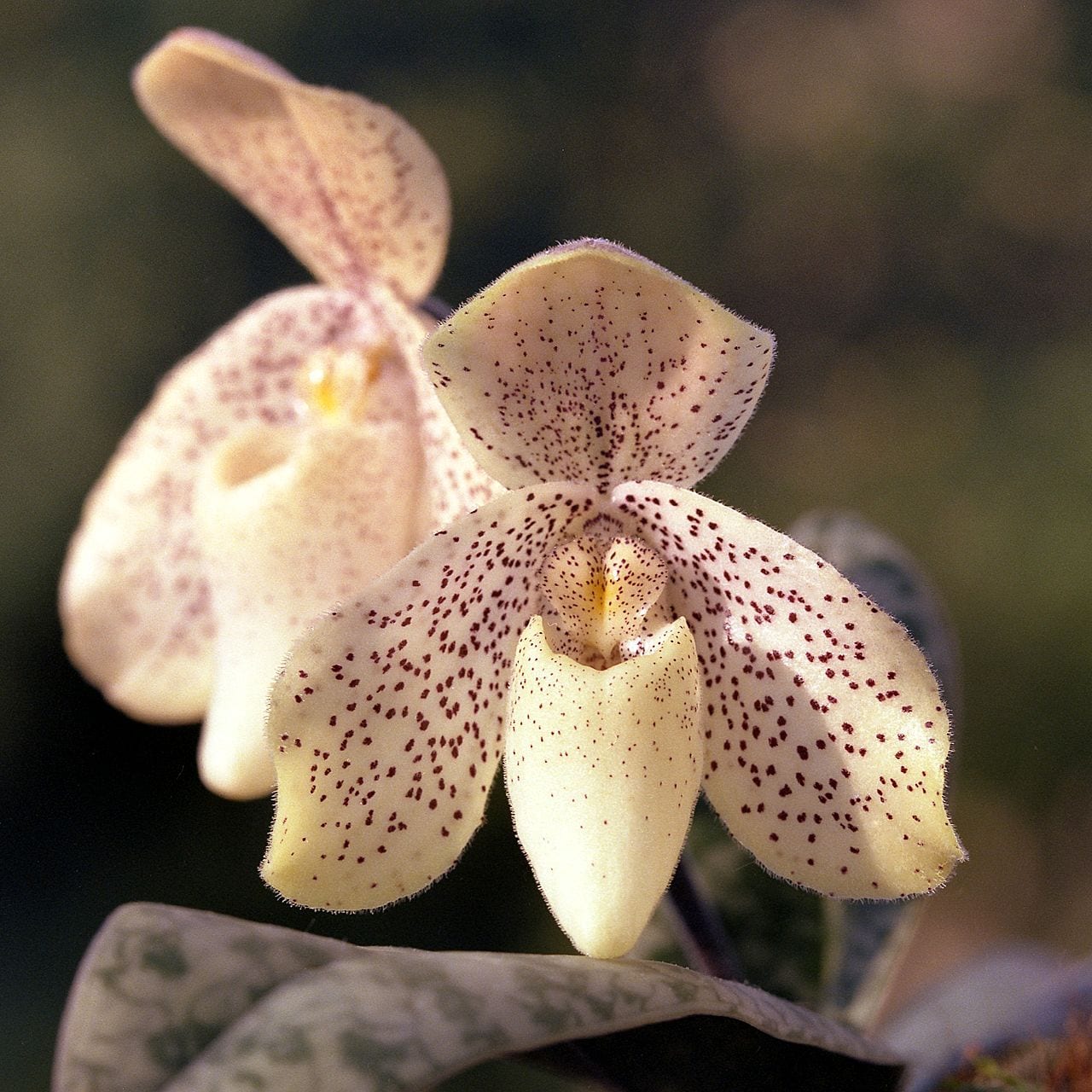
同色兜兰
Paphiopedilum concolor
生长于石灰岩岩地的短瓣亚属小型兜兰。花朵圆润,奶油色至浅黄色的底色上散布有细密的红紫色斑点,短花茎上开出1-2朵。花具有类似苹果的香气。
 © Averater / CC BY 3.0
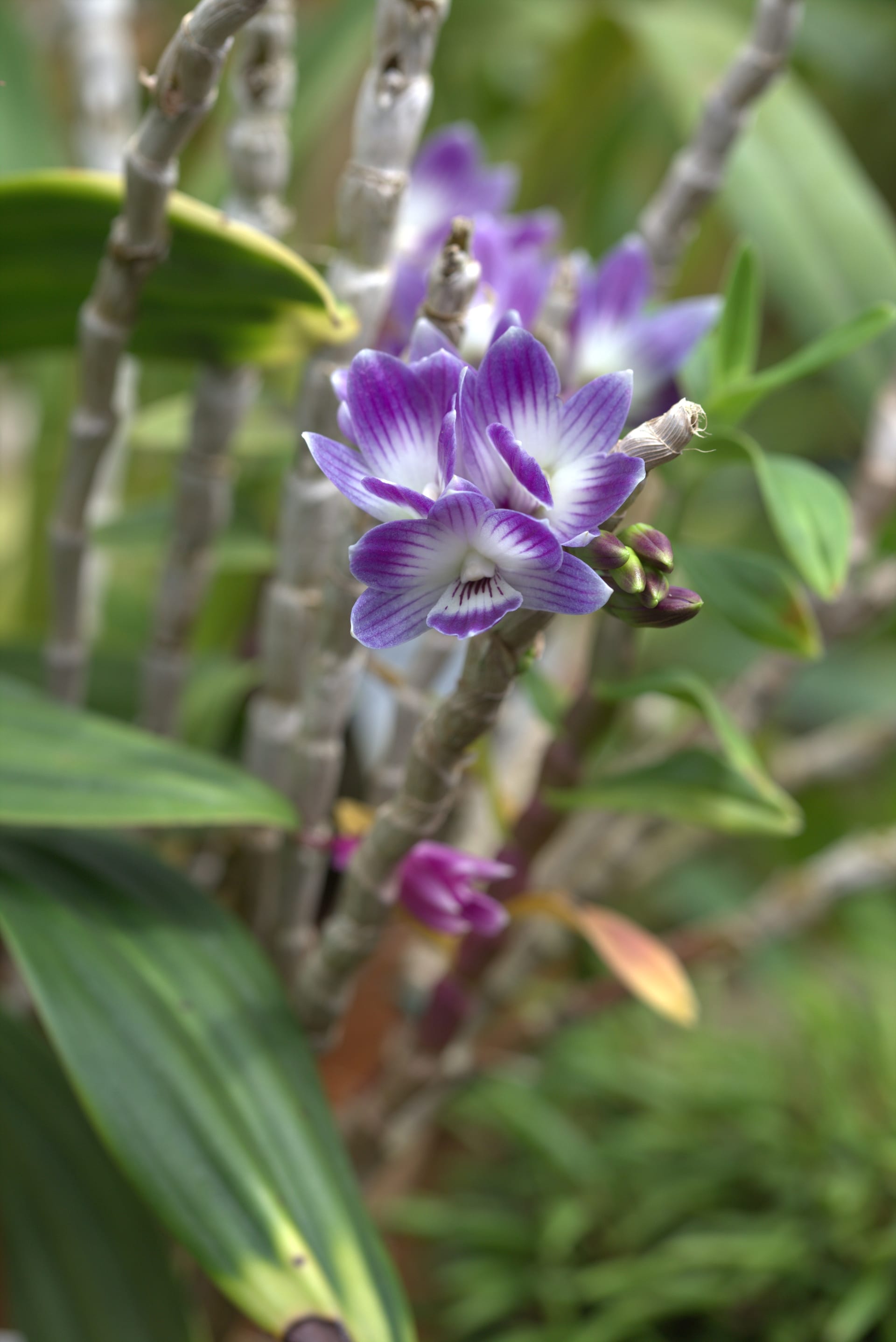
维多利亚皇后石斛
Dendrobium victoriae-reginae
花瓣蓝紫色,先端色深,中心呈白色,这是石斛兰中少见的花色。菲律宾海拔1300~2700米苔藓覆盖森林特有,全年需要凉爽潮湿的环境。
 © Orchi / CC BY-SA 3.0
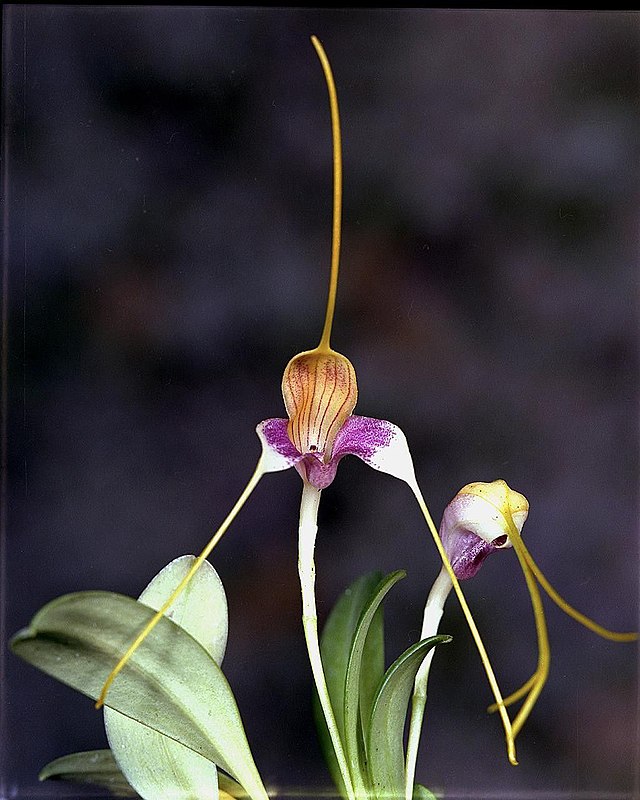
尾萼兰
以独特三角形花朵为特征的高山兰。喜好凉爽环境和高湿度。10~22℃,冷凉。
 © Alpsdake / CC BY-SA 4.0
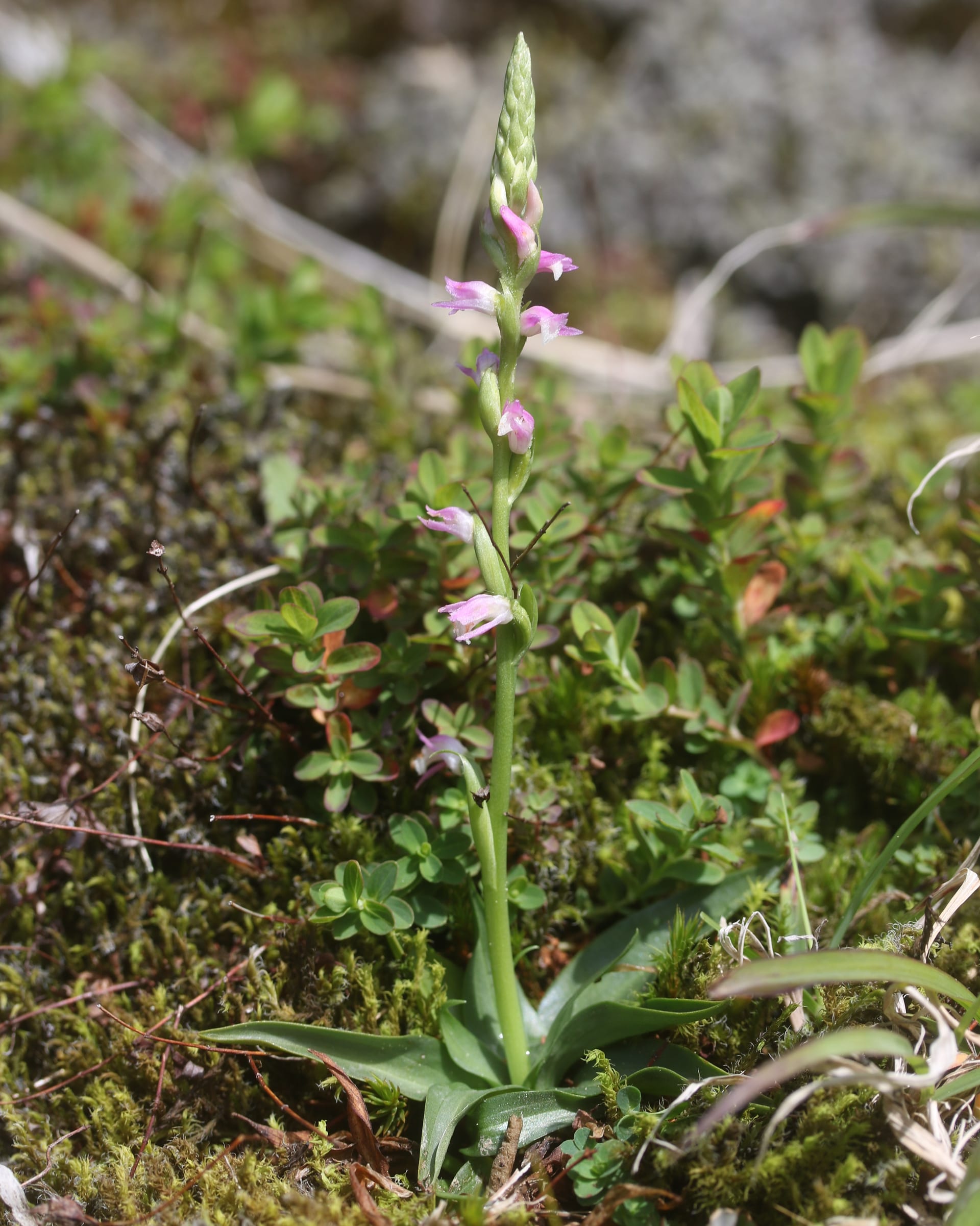
亚太绶草
Spiranthes australis
生长在草坪、堤岸等常见草地上的小型兰花。细长的花茎上,粉红色的小花呈螺旋状排列开放,"螺旋花序"是其名字的由来。右旋和左旋的比例大约各占一半,还有白花等的变色花。
© Orchi / CC BY-SA 3.0朱红卡特兰
Cattleya coccinea
生长于巴西大西洋沿岸山地林中,株高不足10厘米的小型卡特兰。小株上开着不成比例的大花,花径4~6厘米,颜色鲜艳的朱红色。旧名苏芙罗尼蒂斯朱红。
 © Andi S. / CC BY 2.0
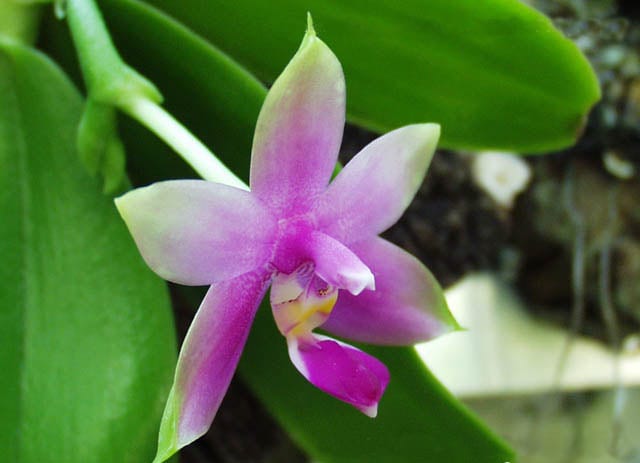
紫蝴蝶兰
Phalaenopsis violacea
生长在苏门答腊岛等地低地的小型原生蝴蝶兰。花茎呈锯齿状短茎,花径约3.5厘米,以紫色为主,花朵一个一个依次绽放,散发出类似香料的强烈香气。
兰花常见问题
- 兰花的价格大约是多少?
- 迷你蝴蝶兰为1,000~5,000日元,大花蝴蝶兰为5,000~30,000日元,卡特兰为3,000~20,000日元,稀有的原种兰花为数万日元以上,根据品种和尺寸而异。
- 初学者也能养兰花吗?
- 蝴蝶兰和石斛兰易于在室内管理,也推荐给初学者。避开直射日光,放在明亮的地方,等水苔干了以后再浇水,就能长时间享受花朵。
- 兰花的寿命有多长?
- 如果管理得当,可以培养数十年。蝴蝶兰每年都能开花,也可以通过分株繁殖。许多爱好者都能培养10年以上。
- 购买兰花时需要注意什么?
- 要确认根是否呈绿色且健康、叶片是否饱满有光泽、是否无病斑。选择带花的株开花效果容易预想,初心者也容易管理。
- 让兰花再次开花的秘诀是什么?
- 花谢后,在节的上方剪去花茎,放在明亮的半阴处管理。秋季制造昼夜温差容易形成花芽。持续适当施肥和浇水是再次开花的关键。