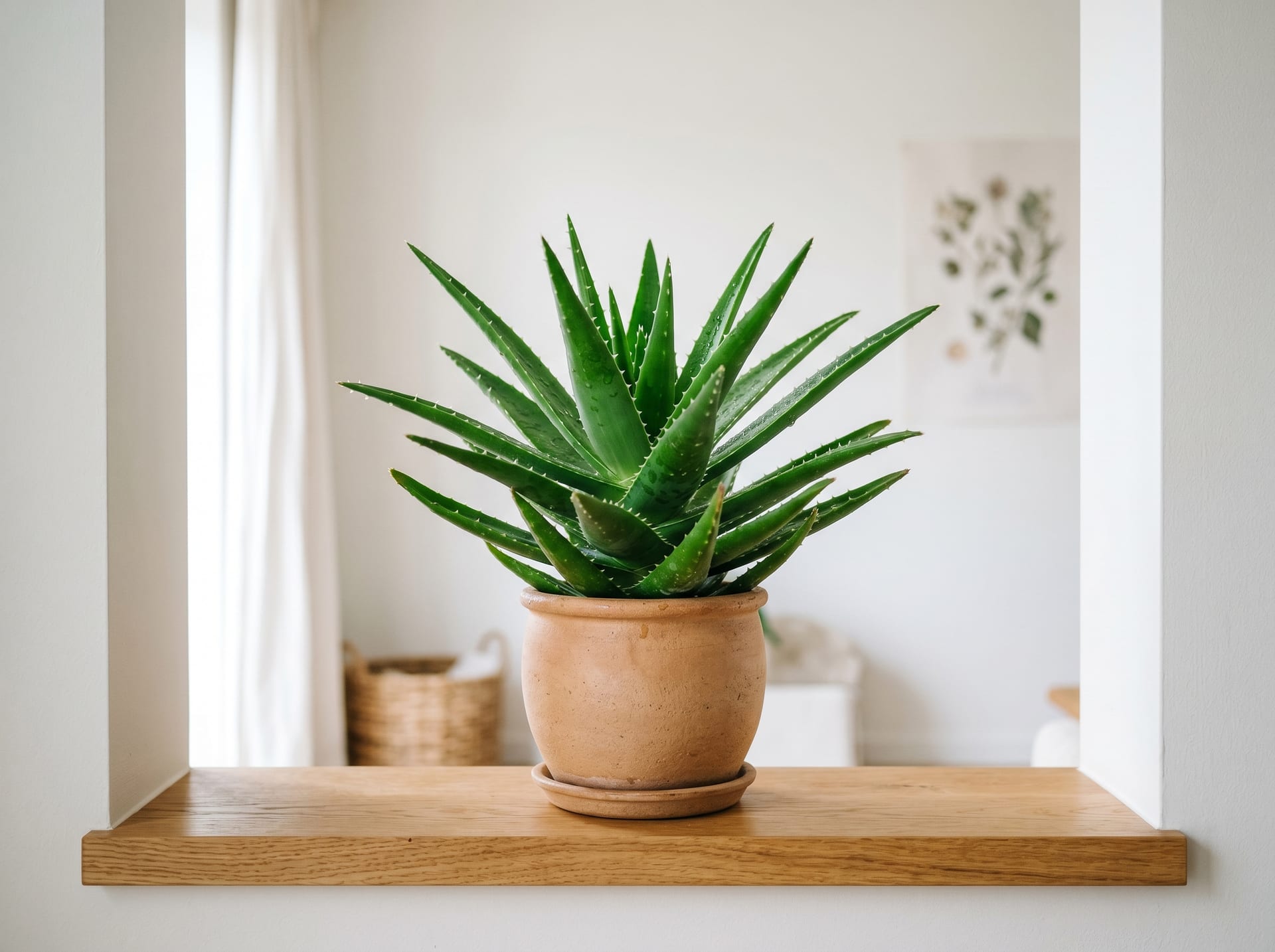
AI 生成图像
芦荟
适合新手多肉植物,亦可用作药材和食品。其中芦荟最为著名。生长强健,生长速度快,适合初学者。
关于我们
芦荟是芦荟科(原百合科)芦荟属的多肉植物,是一个已知650多个物种的大属。原产于非洲大陆、马达加斯加和阿拉伯半岛等地,野生生长于干旱草原、岩石地和沙漠周边。代表种芦荟(A. vera)在全球被广泛用于药用和美容用途,其多糖和蒽醌成分据说具有镇静和保湿皮肤的效果。叶片肉质肥厚,多数叶缘具刺,根据品种的不同,株型多样,有莲座状、直立茎和树状等。成体尺寸从小型品种的10厘米到树状品种(如木立芦荟)可达数米,差异很大。喜光,放在明亮的地方,即使有直射日光也能生长。浇水要适量,每月仅2-3次,对干旱非常耐受。避免霜冻,则相对耐低温。可通过仔株、扦插和叶插进行繁殖。
Source: Wikipedia (CC BY-SA 4.0)
芦荟的寿命
芦荟的寿命为10年以上。
芦荟的体型
芦荟的成体体型为10厘米至1米(因品种而异)。
芦荟的适宜温度与湿度
芦荟的适宜温度为5〜35℃。
基本信息
产地
非洲大陆、马达加斯加和阿拉伯半岛
寿命
10年以上
体型
10厘米至1米(因品种而异)
温度
5〜35℃
湿度
30〜50%
栽培指南
光照与摆放
喜光,明亮处直射日光也可栽培。室外或室内明亮窗边均可管理。
浇水
极耐干旱,浇水控制在每月2〜3次左右。待土壤充分干燥后再浇。
温度与越冬
适宜温度为5〜35℃。只要不受霜冻也能耐较低温度,冬季移至屋檐下或室内。
用土与换盆
原生于干燥岩地和沙漠周边,应使用排水良好的多肉专用土。
繁殖方法
可用子株、扦插、叶插繁殖。将基部子株分离栽种最为简单。
芦荟常见问题
Q栽培芦荟的难度如何?
适合新手。这是一个适合初学者的物种。不需要特殊设备或经验,基本的栽培设置即可成功栽培。
Q芦荟的理想温度是多少?
芦荟的理想温度为5〜35℃。避免温度骤变,保持稳定的环境。
Q芦荟的寿命是多长?
芦荟的平均寿命为10年以上。通过适当的护理和营养,它们可以长寿健康地生活。
Q芦荟能长多大?
芦荟成年后通常可达10厘米至1米(因品种而异)。大小可能因栽培条件和个体遗传而异。
Q芦荟的一般价格是多少?
芦荟的价格因品种、大小和系统而有很大差异。请查看我们的市场价格页面获取最新价格信息。
最后更新: 2026年6月23日
参考与来源
编辑与数据核验: GrowerDirect编辑部
本页的分类·法规·栽培数据依据下列权威一手来源编制并核验。
法规与保护状况
相关物种
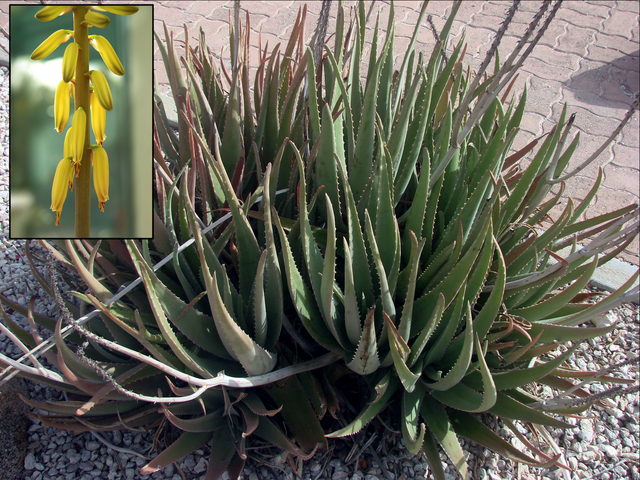
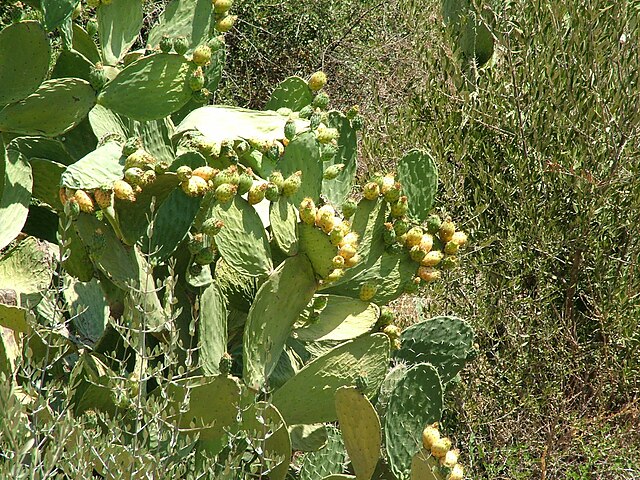
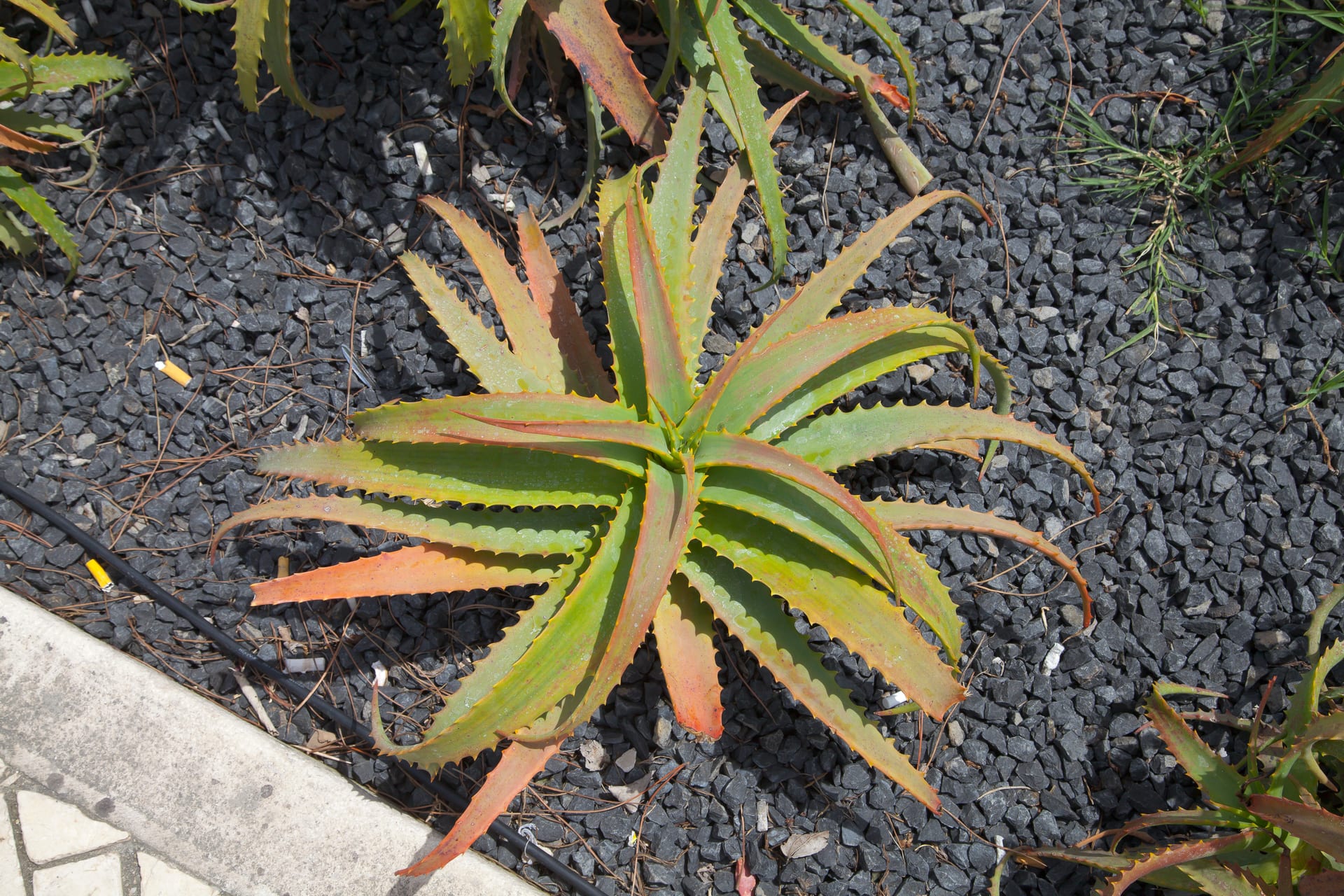
相关文章
芦荟的完整养护指南|日照、浇水和小苗繁殖方法
详细介绍芦荟这一干旱耐受多肉植物的基本特性、日照、浇水、换盆、通过小苗分株繁殖的方法以及根腐病防治。
夏型多肉植物的秋季准备管理
介绍夏型多肉植物的秋季管理。包括9-11月植株的变化、逐步减少浇水的时机、从室外移至室内的放置位置和温度管理、秋季施肥和病虫害防治,以及品种特异性的检查要点,为冬季休眠做好准备。
多肉植物粉蚧虫防治|早期发现、消除、预防的完整指南
粉蚧虫是一种容易隐藏在多肉植物叶基和新芽处的害虫。本文详细阐述了粉蚧虫的特征、发生环境、早期发现窍门、用棉签或酒精进行消除的方法,以及防止再发的管理习惯。
多肉植物的夏型和冬型生长周期·浇水管理策略
本文阐述多肉植物生育型的差异、全年生长周期、季节性浇水管理策略、失败案例及对策方法。