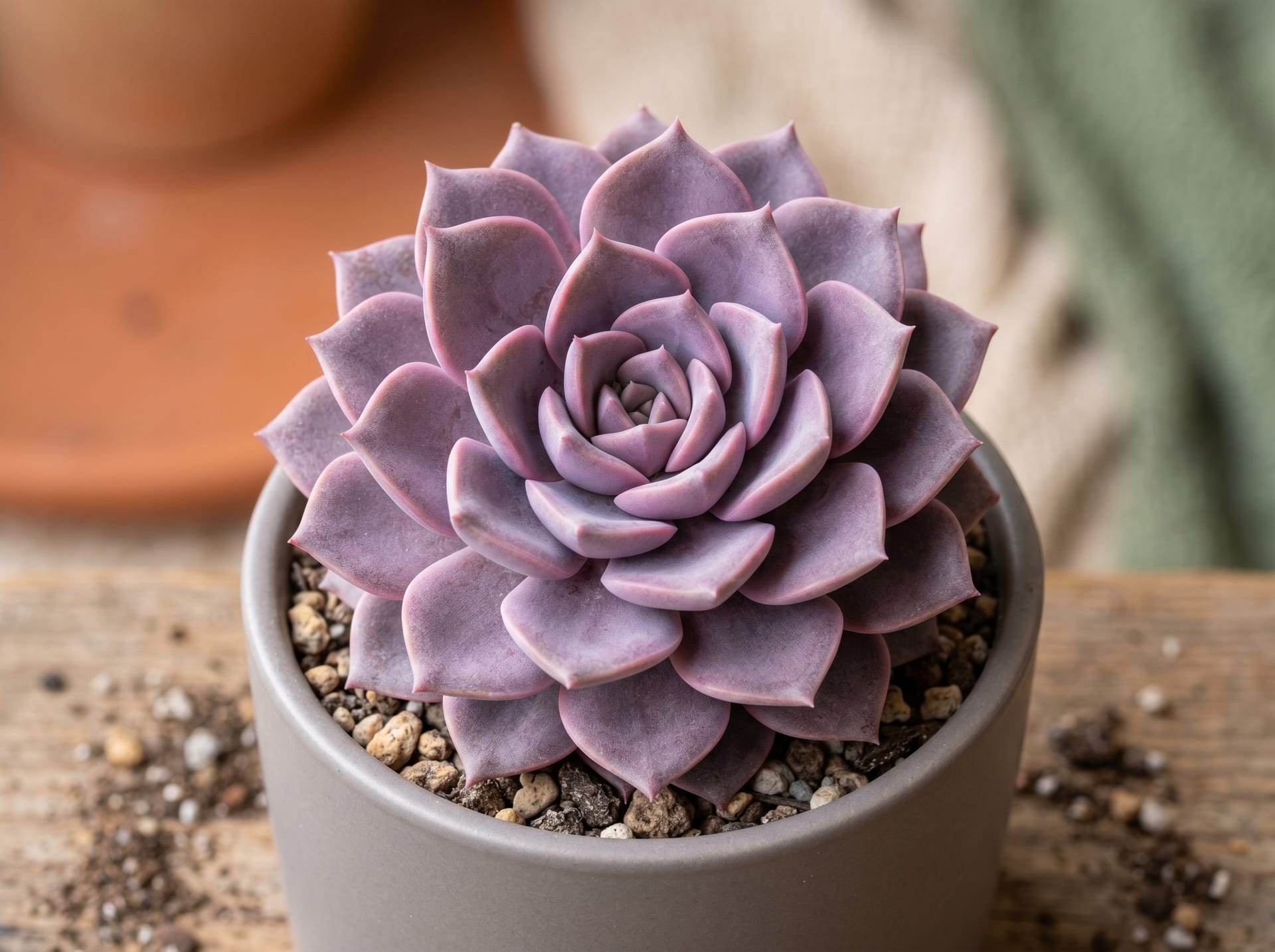
AI 生成图像
德比
适合新手×Graptoveria 'Debbie'
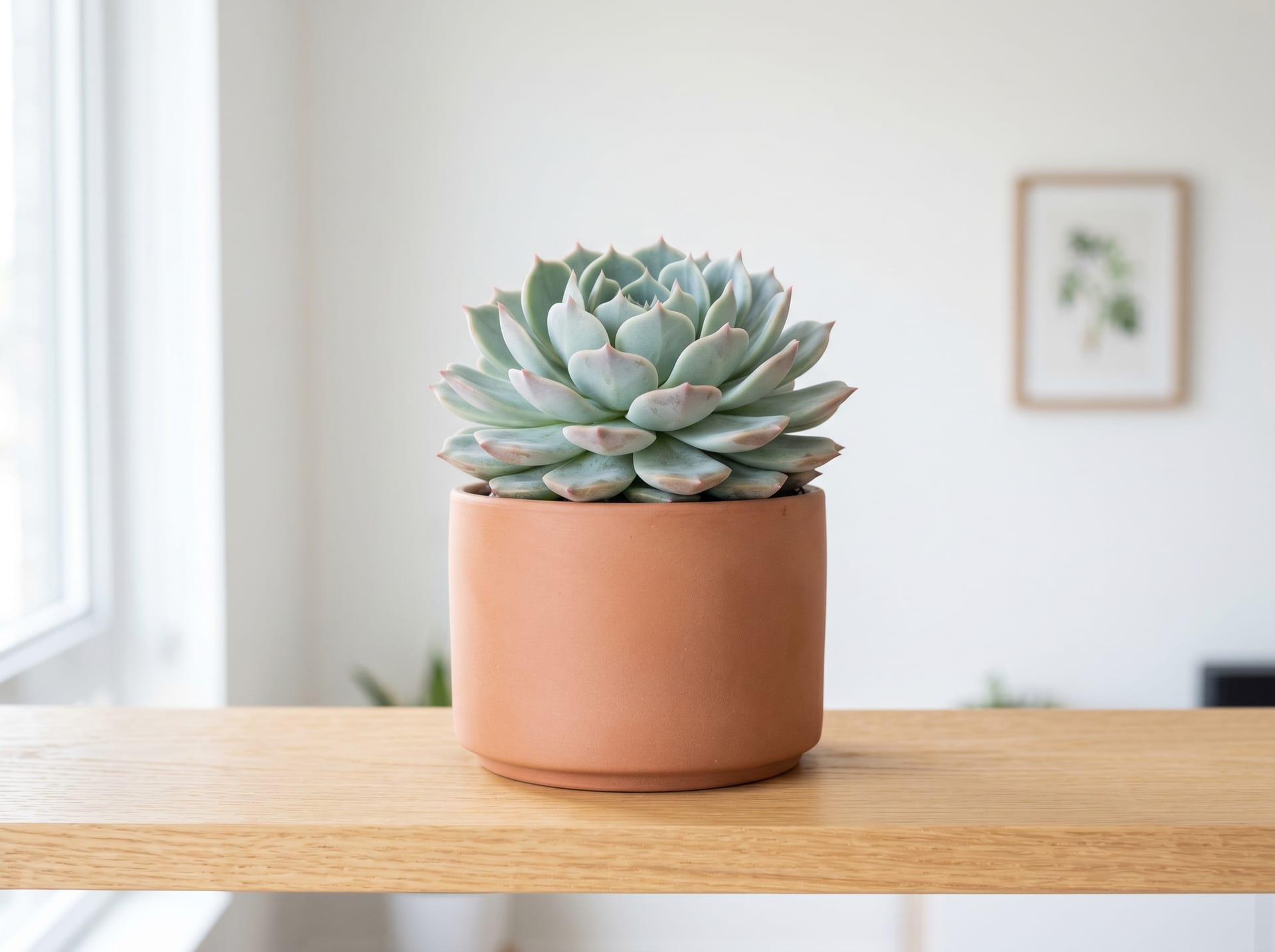
淡紫色莲花状外形优美的属间交配品种。易于养护,秋冬低温时叶色变为粉紫色格外美丽。
概述
格拉普托韦里亚"德比"是风车草属与石莲花属的属间交配品种,在格拉普托韦里亚中特别受欢迎。淡紫色至薰衣草色的莲花状外形优美,在秋冬低温期或强光照下会变为更鲜艳的粉红色至品红色。这种颜色变化是观赏的精髓,在多肉爱好者中被称为"压力色"而备受喜爱。成体叶盘直径约10~15厘米,株型整齐优美。继承了风车草属的强健特性,比石莲花更易于管理。喜欢光照充足的环境。浇水应在土壤完全干燥后适量给予。易通过叶插和扦插繁殖。
德比的寿命
德比的寿命为5~10年。
德比的体型
德比的成体体型为10~15厘米。
德比的适宜温度与湿度
耐寒性强,可耐受0~5℃的温度。
基本信息
产地
园艺交配品种(格拉普托韦里亚)
寿命
5~10年
尺寸
10~15厘米
温度
0〜35℃
湿度
30〜50%
栽培指南
光照
光照充足更利于紫色鲜艳显现
浇水
土壤干燥后少量浇水。继承了风车草属的强健和耐旱,关键是不要过湿。
温度与越冬
耐寒,可耐约0~5℃。秋冬低温能使叶色更加鲜艳,但结冰时请移入室内。
用土与换盆
使用排水良好的多肉植物专用土。根系长满花盆时,在生长期换盆。
繁殖方法
可通过叶插、扦插轻松繁殖。取下的叶片晾干切口后放在土面上,等待生根。
德比常见问题
Q栽培德比的难度如何?
适合新手。这是一个适合初学者的物种。不需要特殊设备或经验,基本的栽培设置即可成功栽培。
Q德比的寿命是多长?
德比的平均寿命为5~10年。通过适当的护理和营养,它们可以长寿健康地生活。
Q德比能长多大?
德比的成株通常可达10~15厘米。大小可能因栽培条件和个体遗传而异。
Q德比的一般价格是多少?
德比的价格因品种、大小和系统而有很大差异。请查看我们的市场价格页面获取最新价格信息。
最后更新: 2026年9月25日
参考与来源
编辑与数据核验: GrowerDirect编辑部
本页的分类·法规·栽培数据依据下列权威一手来源编制并核验。
参考的一手来源
法规与保护状况
相关物种
相关文章
夏型多肉植物的秋季准备管理
介绍夏型多肉植物的秋季管理。包括9-11月植株的变化、逐步减少浇水的时机、从室外移至室内的放置位置和温度管理、秋季施肥和病虫害防治,以及品种特异性的检查要点,为冬季休眠做好准备。
多肉植物粉蚧虫防治|早期发现、消除、预防的完整指南
粉蚧虫是一种容易隐藏在多肉植物叶基和新芽处的害虫。本文详细阐述了粉蚧虫的特征、发生环境、早期发现窍门、用棉签或酒精进行消除的方法,以及防止再发的管理习惯。
多肉植物的夏型和冬型生长周期·浇水管理策略
本文阐述多肉植物生育型的差异、全年生长周期、季节性浇水管理策略、失败案例及对策方法。
多肉植物的盆器选择与根系生长的关系|盆号、材质、排水性完全指南
影响多肉植物生长的盆器选择要点。从盆号选定、素烧盆vs塑料盆的比较,到排水性的最优化,这是改善根系生长的实践指南。