Pachypodium gracilis appraisal
Rounded, substantial caudex is the greatest appeal. A representative caudex plant native to Madagascar, where spherical caudex form and thickness are the core of evaluation. Seed-grown and wild-collected specimens differ in how they develop and their evaluation points.
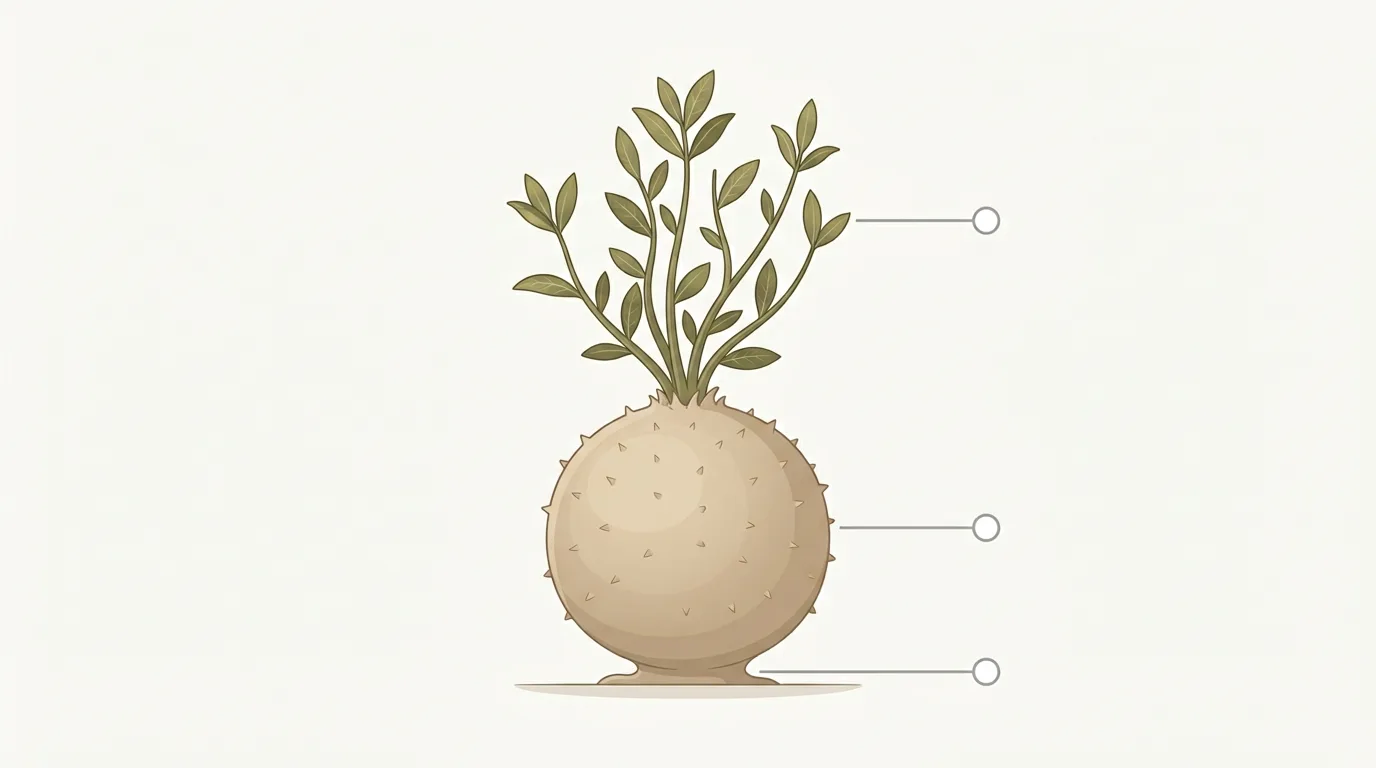
What determines the price
Caudex spherical form and protrusion
HighCaudices that are spherical or nearly spherical are highly valued, especially when they show strong roundness and protrusion. A robust form that spreads horizontally is more popular than a vertically elongated, thin caudex.
Branch form and overall shape
HighWhen branches that branch from the caudex spread evenly, a well-balanced form demonstrates maturity. The number and spread of branches reflect both the age of the plant and its genetic characteristics.
Seedling-grown or wild-collected
HighSeedling-grown plants offer peace of mind with domestic cultivation, while wild-collected specimens have larger caudices but require root establishment management. Evaluation is important when the origin is clearly specified.
Root development status
HighFor wild-collected specimens, whether roots have developed significantly impacts the value. Those with established roots carry lower establishment risk, while those without established roots require informed purchase understanding of the risks involved.
Appraisal points
Confirming caudex form
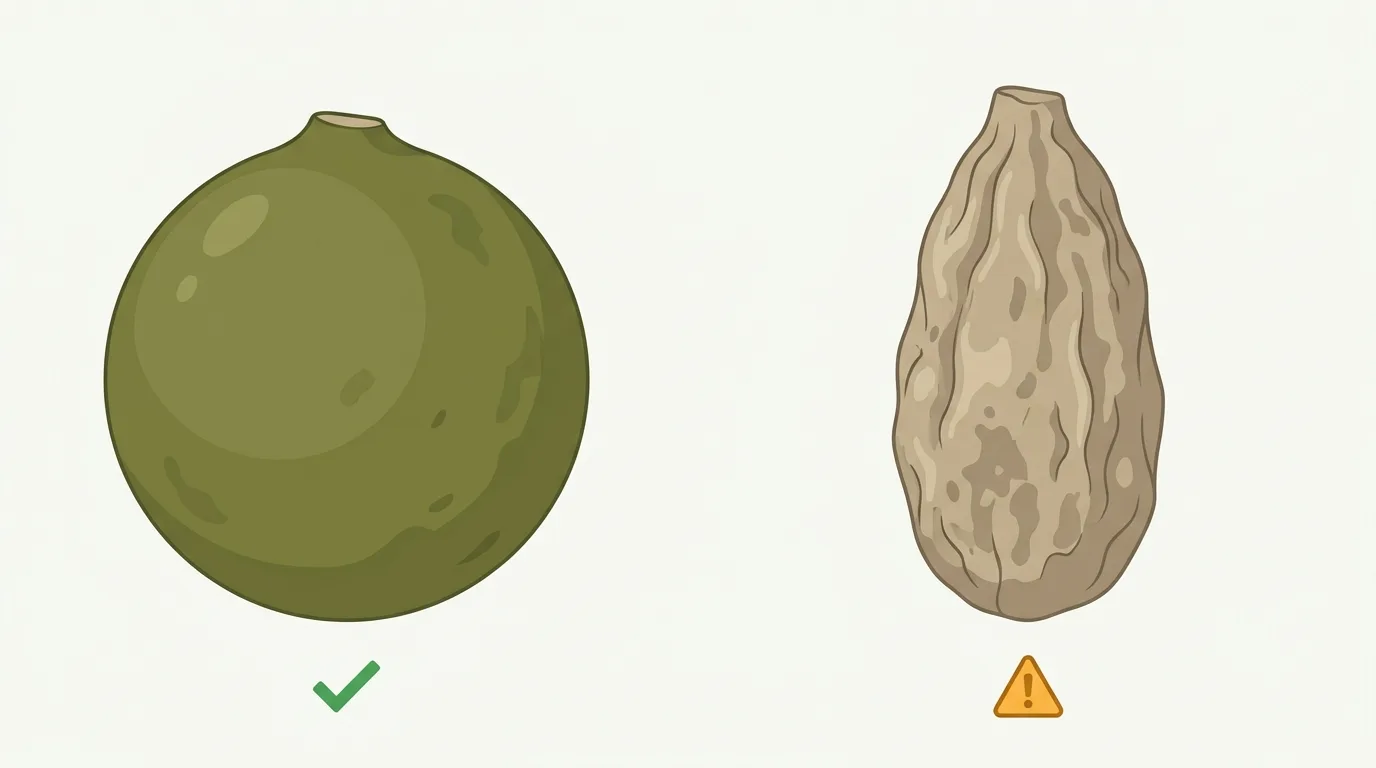
- Good:
- The caudex is round and nearly spherical with pronounced protrusion, displaying a substantial and full appearance.
- Caution:
- When the caudex is vertically elongated, thin, or has deep wrinkles, it may indicate low fullness or possible water deficiency.
Verify root development
- Good:
- Multiple strong white roots are present, and the plant is stable in its pot and growing medium.
- Caution:
- Wild-collected specimens with unclear root establishment status require experience in root development management.
Examining the branch form
- Good:
- Branches evenly fork and spread from the caudex, forming a well-balanced shape.
- Caution:
- If branches are skewed in one direction or have unnatural areas, examine the growth history.
Price tiers by grade
Entry-level grade
Small to medium seedling-grown plants with established roots. You can enjoy watching the future development of form.
Intermediate grade
Fully established plants with emerging caudex roundness and protrusion. Specimens with branch form beginning to develop.
Premium grade
Selected specimens with large spherical caudices and well-balanced branch form. Form is nearing completion.
For actual prices, see the market-price page.
Appraisal quiz
Which of the following correctly describes the difference between "wild-collected" and "seedling-grown" Pachypodium gracilis?
Other Caudex appraisals
General information on judging value; not a guarantee of any individual's price or quality. See the market-price page for actual rates.