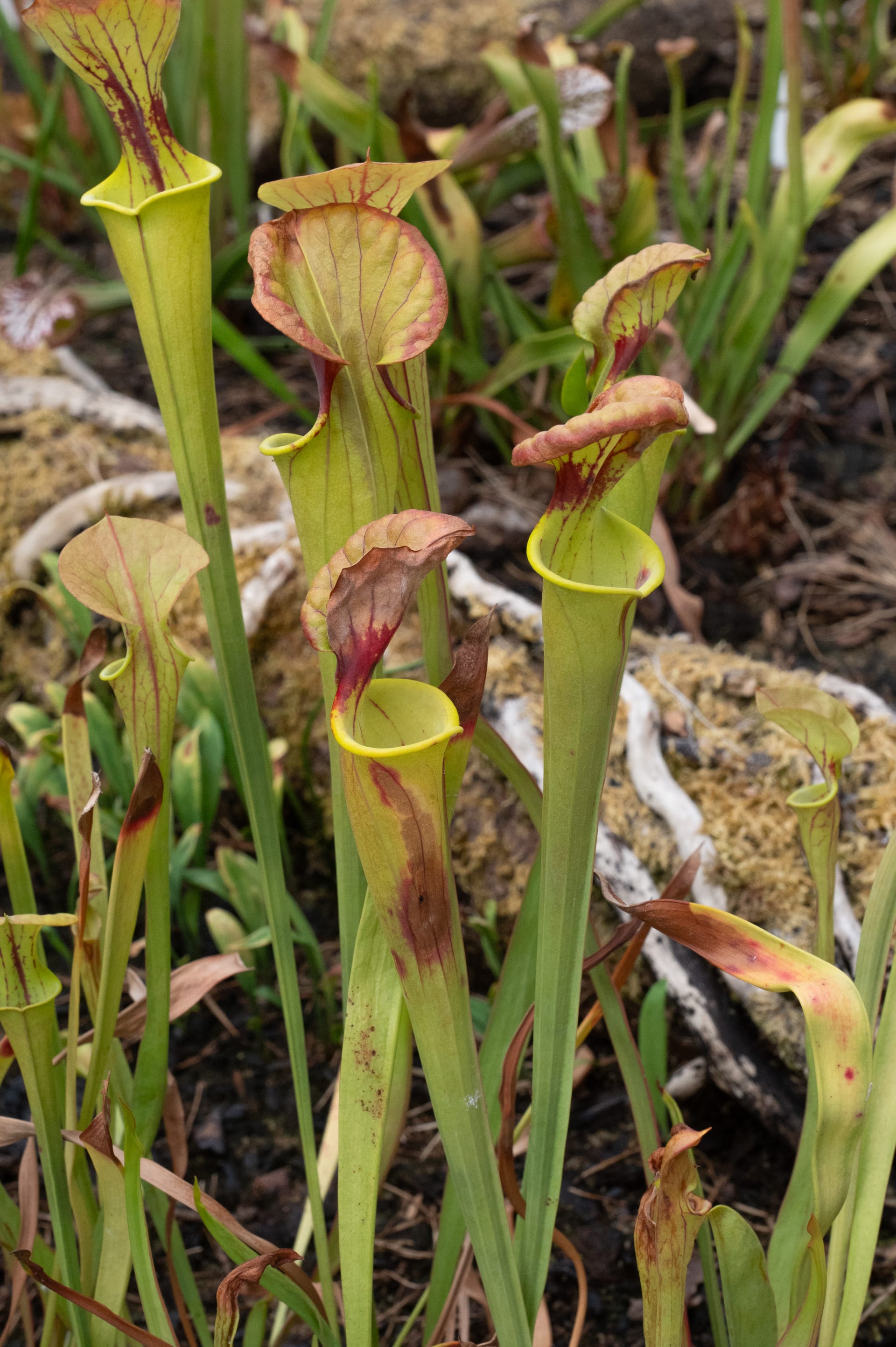
 © Mickaël Schauli / CC BY-SA 4.0
Grower Direct Sales Marketplace
Shop Carnivorous Plants | Direct from Growers
Buy Carnivorous Plants directly from verified Grower. Every listing discloses variety, origin, light requirements, and difficulty level for complete transparency.
Grower Wanted!
List your plants on GrowerDirect and sell directly to customers nationwide!
6 Transparency Commitments from GrowerDirect
Every Grower listing discloses variety, origin, light requirements, and difficulty level for Carnivorous Plants. Complete transparency, guaranteed.
- Variety Disclosed
- Real Photos
- Color Information
- Origin Disclosed
- Light Requirements
- Difficulty Level
Browse all 145 varieties
Light Requirements
Difficulty Level
Verified growers wanted for Carnivorous Plants
Growers are signing up now ahead of launch. Subscribe to be notified when new listings go live.
Getting alerts is free with a member account. When new listings match your saved search, we'll notify you by email and in-app.
Browse other categories
Are you growing carnivorous plants?
Register as a grower and connect with buyers directly.
Apply as a growerCan't find the plant you're looking for?
Post your wishes for free and growers with matching plants will contact you with introductions.
Explore the plant encyclopedia

About carnivorous plant
The carnivorous plant category on GrowerDirect lets you welcome distinctive plants — Venus flytraps, nepenthes, sundews, sarracenia and more — directly from the growers who raised them. Carnivorous plants come from nutrient-poor wetlands, so their care assumptions differ greatly from ordinary garden flowers. Learn each type's traits and check the plant's condition and growing environment before choosing.
7 things to know before growing carnivorous plant
1Understand the differences between types
Venus flytraps and sarracenia need strong light and a winter dormancy, while nepenthes are tropical and prefer warmth and humidity. Sundews vary widely in difficulty by species. Before starting, confirm what environment your particular type requires.
2Use a dedicated, fertilizer-free medium
Carnivorous plants prefer low-nutrient soil, and ordinary potting mix containing fertilizer damages their roots. Sphagnum moss and fertilizer-free media such as kanuma or peat are standard, with blends varying by type. Check which medium the plant is potted in at purchase.
3Mind tray watering and water quality
Many carnivorous plants are kept by tray watering, with water held in the saucer to keep the medium moist. Minerals in tap water can build up and weaken the plant, so rainwater or purified water is preferred. Preferred water levels differ by type, so confirm them.
4Secure strong light
Venus flytraps, sarracenia, and many sundews need plenty of light; too little causes weak, stretched growth and poor color. A sunny outdoor spot or bright window suits them, but sudden exposure to strong light can harm them, so acclimate gradually.
5Understand which types go dormant
Venus flytraps, sarracenia, and temperate sundews go dormant in winter, with leaves dying back as the plant pauses. This is not a problem but a natural process for sprouting again in spring. Keep them cool and water sparingly while they rest.
6Do not fertilize, and do not force-feed insects
Applying ordinary fertilizer to carnivorous plants damages their roots. They obtain nutrients little by little from prey, and outdoors insects arrive naturally. Force-feeding large insects or meat can rot the trap, so as a rule, leave feeding alone.
7Check the plant's condition before choosing
Firm, well-colored traps and active new growth are signs of a healthy plant. On GrowerDirect you welcome plants directly from the grower, so you can confirm type-specific care and how the plant was raised before choosing.
Frequently asked questions about carnivorous plant
- Q.Are there carnivorous plants that are easy for beginners?
- A.Venus flytraps, sarracenia, and hardy sundews are generally considered easy. All of them assume strong light and tray watering. Understand the care including winter dormancy, and choose with the grower's advice.
- Q.Can I use tap water?
- A.It may be fine for a short while, but minerals in tap water build up in the medium and can weaken the plant. Rainwater or purified water is preferred, so mind water quality if you want healthy long-term growth.
- Q.Do I need to catch insects and feed the plant?
- A.No. Grown outdoors, insects arrive on their own, and even with few insects the plant grows fine if light and water are sufficient. Force-feeding can rot the traps, so as a rule you do not need to feed it.
- Q.The leaves are dying back in winter. Is the plant dead?
- A.For dormant types such as Venus flytraps and sarracenia, leaves dying back in winter is natural. Kept cool with sparing watering, they sprout again in spring. Do not rush to dig them up.
- Q.What are the benefits of buying directly from a grower?
- A.You can check the plant's size, trap condition, and how it was raised, and hear type-specific care advice straight from the grower. With fewer distribution steps, environmental stress on the plant is also reduced.
Handy Growing Tools for carnivorous plant
carnivorous plant related articles
Guide to Venus Flytrap Flowering, Seed Propagation, and Colony Cultivation | Developing Flower Buds from Seed Collection, Sowing, and Group Cultivation
A propagation guide for Venus flytraps covering flowering conditions, from seed collection and sowing to colony cultivation. Detailed explanation of winter dormancy, seed propagation, and group cultivation techniques.
Carnivorous Plant Dormancy Awakening Guide | Correct Timing for Resuming Feeding, Fertilizing, and Watering
A step-by-step guide to the correct timing for resuming watering, restoring humidity, feeding, and fertilizing as your carnivorous plants emerge from dormancy and enter spring growth.
Why Carnivorous Plant Traps Fail and How to Fix Them | Optimizing Humidity, Nutrition, and Prey-Capture Systems
Investigate why carnivorous plant traps fail to capture insects. From humidity management to nutrient balance, gland secretion function, and dormancy, a detailed scientific approach to restoring trap function.
Does the Venus Flytrap's Opening and Closing Shorten Its Lifespan? | Opening/Closing Frequency and Plant Stress
Venus flytrap opening and closing movements place stress on the plant. Covering lifespan reduction through opening and closing, management strategies for long-term cultivation, and guidelines such as appropriate opening/closing frequency, this article explains the balance for enjoying cultivation.
Watering and Humidity Management for Pitcher Plants (Nepenthes)
Explains watering and humidity management for Pitcher Plants (Nepenthes). Covers water preferences based on rainforest habitat, proper watering methods and water quality considerations, humidity techniques for developing pitcher traps, seasonal care, and common troubleshooting.
Humidity Management and Water System of Nepenthes | Understanding How the Pitcher Mechanism Works
Explains how Nepenthes (pitcher plants) capture prey and the impact of humidity on trap formation. Also introduces how digestive fluid works and the differences between lowland and highland species.