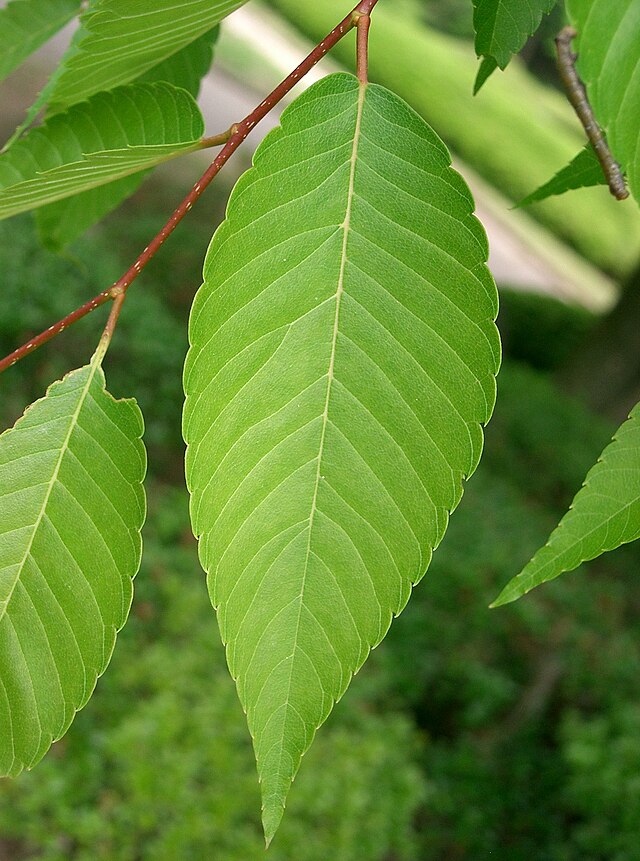
 © KENPEI / CC BY-SA 3.0
Grower Direct Marketplace
Bonsai Online Store | Direct from Growers
Purchase Bonsai directly from verified Growers who nurture them with care. Tree variety, origin, light requirements, and difficulty level are clearly displayed.
0% commission on your first sales!Register by September 30, 2026 and your first 2 plants are commission-free!
Grower Wanted!
List your plants on GrowerDirect and sell directly to customers nationwide!
6 Transparency Commitments from GrowerDirect
Growers clearly display the following information for all Bonsai listings. Guaranteed transparency for tree variety, origin, light requirements, and difficulty level.
- Tree Variety
- Real Photos
- Color & Appearance
- Growing Region
- Light Requirements
- Difficulty Level
Browse all 144 varieties
Light Requirements
Difficulty Level
Verified growers wanted for Bonsai
Growers are signing up now ahead of launch. Subscribe to be notified when new listings go live.
Getting alerts is free with a member account. When new listings match your saved search, we'll notify you by email and in-app.
Browse other categories
Verified growers (preview)
Can't find the plant you're looking for?
Post your wishes for free and growers with matching plants will contact you with introductions.
Explore the plant encyclopedia

About bonsai
The bonsai category on GrowerDirect lets you welcome bonsai of many tree types — pines and junipers, deciduous trees, flowering and fruiting trees — directly from the growers who trained them. Bonsai care differs by tree type, and outdoor management is the norm. Check the form, root condition, and past growing environment, then choose a tree you can enjoy for a long time.
7 things to know before growing bonsai
1Understand the differences between tree types
Pines and junipers tolerate dryness fairly well and are developed slowly over time, while deciduous types flush quickly and offer seasonal change. Flowering and fruiting trees need care timed to their bloom or fruit. Before starting, confirm the nature of your tree type.
2Master the basics of watering
Because bonsai grow in a limited amount of soil, watering is the heart of their care. The basic rule is to water thoroughly until it runs from the drainage holes once the soil surface dries. Drying changes with season and weather, so judge by the soil, not by days.
3Keep bonsai outdoors as the default
Most bonsai are trees and need sunlight, air, and seasonal temperature change. Kept indoors too long, they weaken from a lack of light and air, so the default is an outdoor spot with good sun and airflow. Bring them inside only briefly for viewing.
4Shape the tree with pruning and wiring
Bonsai are shaped by pruning overgrown branches and by wiring to guide branch direction. It is important to work at a time suited to the tree type and its growth, and to remove wire before it bites into the bark. Shape little by little and watch the tree grow.
5Understand repotting and root care
Bonsai are repotted every few years, trimming overgrown roots and replanting in fresh soil. This prevents root-bound conditions and keeps growth healthy. For many tree types, the period just before buds move is considered suitable; repot at intervals suited to the tree.
6Know the timing and method of fertilizing
Because bonsai have little soil, fertilizer must be supplied during the growing season. Overfeeding, however, causes leggy growth that spoils the form. The basic approach is to feed sparingly mainly during active growth and to ease off in midsummer and dormancy.
7Plan winter care and check the tree before choosing
Most bonsai overwinter outdoors, but some tree types need the pot protected from cold wind and freezing. When welcoming a tree, check the trunk, branch vigor, and root condition. On GrowerDirect you welcome trees directly from the grower, so you can verify the growing environment before choosing.
Frequently asked questions about bonsai
- Q.Are there bonsai that are easy for beginners?
- A.Hardy, free-flushing deciduous types and easy-to-manage small bonsai are generally considered beginner-friendly. Traits differ by tree type, so weigh placement and the time you can give, and choose with the grower's advice.
- Q.Can bonsai be grown indoors?
- A.Most bonsai are trees and are grown outdoors with sunlight, air, and seasonal change. Kept indoors too long they weaken, so bring them in only briefly for viewing and otherwise keep them outside.
- Q.How often should I water?
- A.Rather than a fixed number of days, judge by whether the soil surface has dried. In summer it dries fast and may need watering several times a day, while in winter it eases off. It also varies with tree type and pot size, so water based on the soil.
- Q.Is wiring always necessary?
- A.It is not mandatory; the form can be maintained with pruning alone. Wiring is a tool for guiding branch direction. Left on, it bites into the branch, so it must be removed at the right time.
- Q.What are the benefits of buying directly from a grower?
- A.You can check the form, root condition, and how the tree was raised, and hear type-specific care advice straight from the grower. With fewer distribution steps, environmental stress on the tree is also reduced.
Handy Growing Tools for bonsai
bonsai related articles
Complete Bonsai Tree Selection & Development Roadmap for Beginners | Phase-by-Phase Management Strategy from Year 1 to Year 5
Bonsai success for beginners depends on choosing the right tree species. This guide details the process of selecting beginner-friendly species like five-needle pine and common juniper, and developing them into refined bonsai through phased management over five years. We provide a five-year roadmap that advances through tree form foundation building, adjustment, and completion.
Bonsai Aged Wood Techniques | Creating Branch Aging Expression and Tree Age Aesthetics
Explains techniques for creating bonsai that appear aged from young stock. Introduces practical methods for expressing tree age aesthetics, from bark texture and branch structure to root development expression and changes over time.
How to Prevent Fertilizer Burn in Bonsai | Determining the Right Fertilizer Amount and Concentration
Why does fertilizer burn occur in bonsai? This explains the mechanism of osmotic pressure, how to identify early symptoms such as browning of leaf tips, why it occurs easily in midsummer and right after repotting, and emergency measures and preventive strategies.
A Guide to Giving Bonsai as Gifts | Appropriate Species and Etiquette for Longevity Celebrations and Business Opening Celebrations
This guide explains how to choose bonsai species and proper etiquette when giving bonsai as gifts for celebrations. It introduces recommended species for different occasions such as longevity celebrations and business opening celebrations, as well as how to choose species while considering management requirements.
Bringing Out the Artistry of Bonsai: Fundamental Techniques in Pruning and Shaping Trees
Master the fundamentals of pruning and shape forming to unveil bonsai artistry. Learn the principles of heavy and light pruning, wiring techniques, how to select bonsai styles and determine the front view, seasonal care schedules, and solutions to common mistakes—all explained step by step.
Differences Between Chinese and Japanese Bonsai—Comparing Literati Trees, Deadwood Trunks, and Penjing
Bonsai is a signature horticultural culture of East Asia, but Japan and China differ significantly in their aesthetic standards and shaping techniques. This article explores the differences between bonsai cultures in both countries from the perspectives of tree form styles, philosophical backgrounds, and key techniques. Japanese bonsai…