A Guide to Giving Bonsai as Gifts | Appropriate Species and Etiquette for Longevity Celebrations and Business Opening Celebrations
This guide explains how to choose bonsai species and proper etiquette when giving bonsai as gifts for celebrations. It introduces recommended species for different occasions such as longevity celebrations and business opening celebrations, as well as how to choose species while considering management requirements.
Key Takeaways
This guide explains how to choose bonsai species and proper etiquette when giving bonsai as gifts for celebrations. It introduces recommended species for different occasions such as longevity celebrations and business opening celebrations, as well as how to choose species while considering management requirements.
Related Species
Unlike cut flowers that wilt within days, bonsai continues to grow in the hands of the recipient for years—sometimes even decades. It carries the meaning of "gifting time" more powerfully than any other gift, adding special significance to milestones in life such as longevity celebrations and business opening celebrations. On the other hand, if you skip explaining how to choose a species or care instructions, there is a risk of causing trouble for the recipient after giving it. This article will guide you through the complete picture of bonsai gifts, from how to choose species for different occasions to proper gift-giving etiquette and thoughtful messages to include.
Why Bonsai Has Been Chosen as a Gift for Celebrations
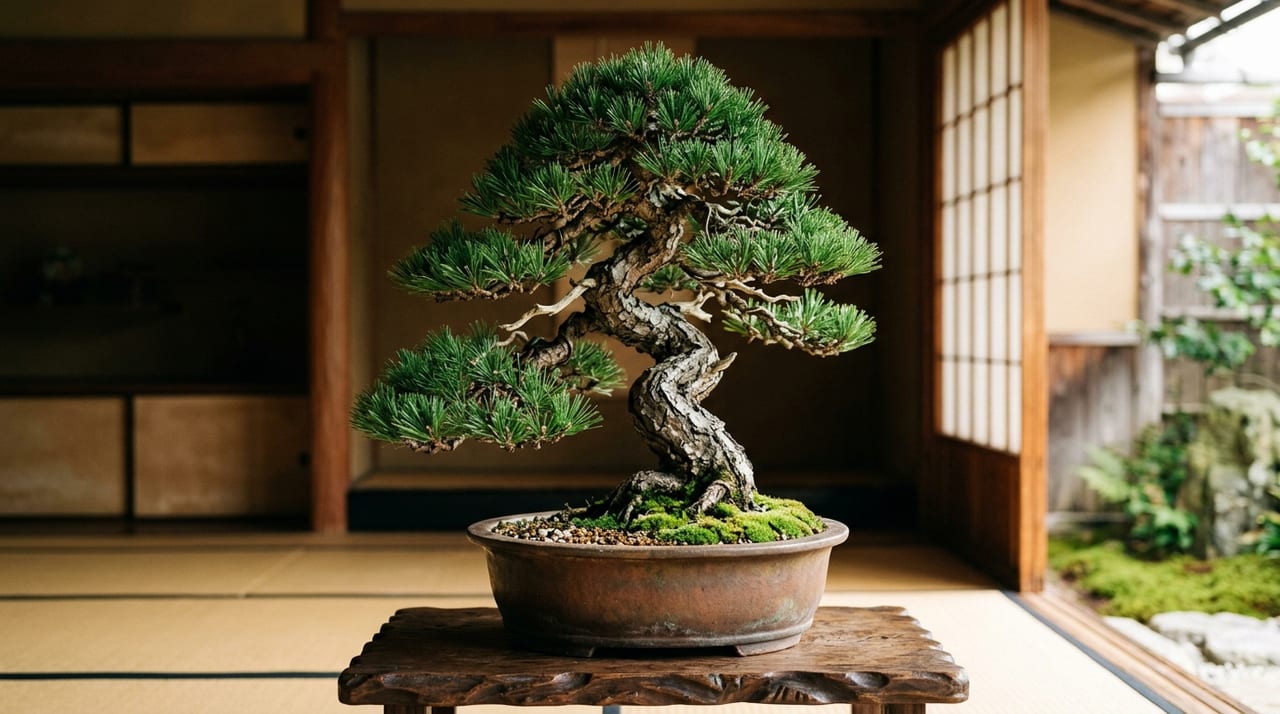
The aesthetic sensibility underlying bonsai is capturing the grandeur of nature within a small pot. Every aspect—the curve of the trunk, the spread of the roots, and the branching—is nurtured through human hands and time, and as the tree ages, its presence as an individual grows stronger. This quality of "deepening in value the more you cultivate it" has a natural affinity with gifts that celebrate "time to come," such as longevity celebrations and retirement gifts, which is why bonsai has been cherished as a good-luck charm since ancient times.
Another reason bonsai is often chosen as a gift is that each species carries its own symbolic meaning. Pine symbolizes "eternal youth and longevity," plum symbolizes "the strength to bloom in adversity," and fruit-bearing bonsai symbolize "a fruitful life." This allows you to convey meaning suited to the occasion of the gift. Unlike a bouquet that serves its purpose in a few days, the beauty of bonsai is that its symbolic meaning can be continuously appreciated in daily life—a strength unique to bonsai as a gift.
Choosing Appropriate Species by Occasion
The direction of an appropriate species varies depending on the occasion for giving. Using the following as a guide will help minimize mistakes.
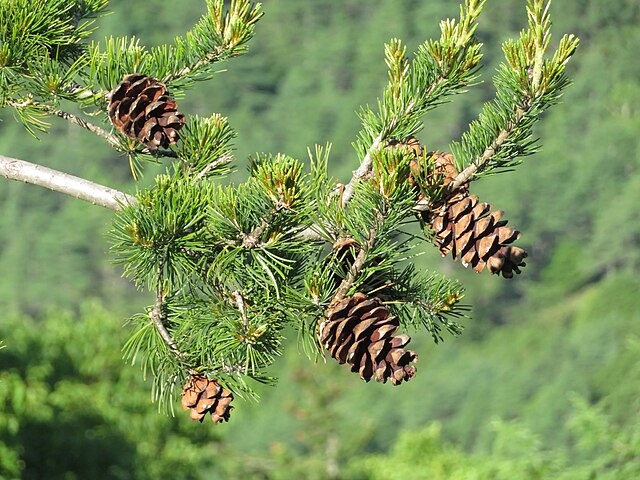
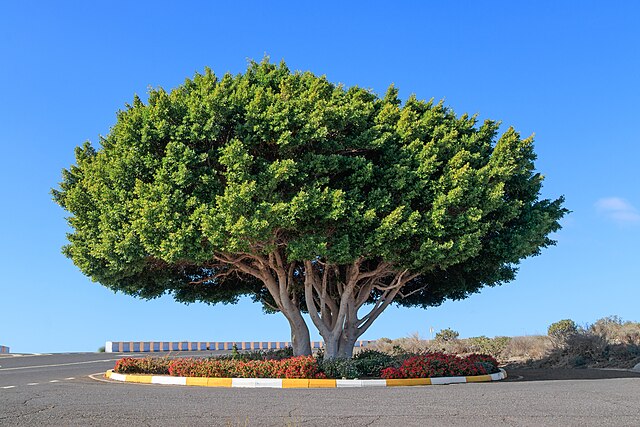
- Longevity celebrations (sixtieth birthday, seventieth birthday, eightieth birthday, etc.): Evergreen conifers such as Japanese white pine and Shinpaku (Japanese cypress-like juniper) that gain dignity as they age are the standard choice. With slow growth and changes in form that can be enjoyed over decades, the gift naturally conveys the meaning of "continuing to spend time together for years to come."
- Business opening celebrations: Fruit-bearing bonsai (dwarf apple, nandina, persimmon, etc.) are favored for their symbolism of "prosperous business." Since the fruit color changes with the seasons, they become an eye-catching accent when displayed in a shop.
- Retirement and retirement gift celebrations: For occasions celebrating "the beginning of a second life," flowering bonsai (plum, cherry blossom, dwarf plum, etc.) are appreciated. The seasonal blooms become an annual joy and serve as a reminder of the gift-giver.
- Housewarming: Miniature bonsai (palm-sized) or tabletop bonsai are practical choices as they require little space. Choose a species that fits naturally with interior décor without disrupting the style of the new home.
- Gifts for bonsai beginners: We recommend starting with species that have low care requirements, such as Ficus retusa (characterized by aerial roots) or Schefflera-based miniature bonsai with shade tolerance.
Choosing Species While Considering Care Requirements
Although bonsai have a reputation of being "difficult plants," there is a significant difference in care requirements depending on the species. By selecting based on an understanding of the recipient's living environment, you can prevent problems after giving the gift.
Species that require outdoor care (Japanese white pine, Shinpaku, plum, etc.) can usually be grown sufficiently on an apartment balcony, but they are not suitable for recipients who cannot place them outdoors. On the other hand, bonsai-trained species based on Ficus retusa, Polyscias, or Rhaphidophora tetrasperma can be managed indoors with adequate light, offering more placement options.
Additionally, if the recipient frequently travels or is away on business, it is considerate to prioritize species that require less frequent watering. Generally, species with thick leaves or those that are drought-tolerant tend to be less likely to wilt during a few days of absence. By deciding the direction of the species based on whether the recipient enjoys the process of cultivation or prefers to enjoy it by viewing, you increase the likelihood that the bonsai will be treasured for years.
Gift-Giving Etiquette and Thoughtful Messages
When giving bonsai as a gift, certain etiquette and considerations convey your thoughtfulness to the recipient.
First, we strongly recommend including a simple care note. If you cover the following points, the recipient will not be at a loss.
- Species name (including how to read it)
- Whether it requires outdoor or indoor care
- Watering frequency guidelines (it is helpful to mention seasonal variations)
- Sun exposure requirements (whether it prefers or should avoid direct sunlight)
- Note that immediately after arrival, the leaves may temporarily lose their luster due to environmental change, but they typically recover within a few weeks
Next, conveying your intention behind the choice of pot is another point unique to bonsai gifts. Since bonsai is an art form where the tree and pot are unified, adding a note about why you chose that particular pot gives the recipient a deeper appreciation of the bonsai's aesthetic world.
Additionally, as a consideration for recipients who care about auspiciousness, some people take care to avoid giving a number of pots or species that evokes the numbers "4 (death)" or "9 (suffering)." At formal occasions such as longevity celebrations or business opening celebrations, such thoughtful attention to detail can convey your sincerity to the recipient.
Conclusion
Bonsai is a unique gift whose value lies both in the meaning embedded in each species and in the very process of cultivation over time. For longevity celebrations, evergreen conifers such as Japanese white pine and Shinpaku; for business opening celebrations, fruit-bearing bonsai; for retirement gifts or occasions marking new beginnings, flowering bonsai—selecting species suited to the occasion and the recipient's living environment greatly affects the satisfaction of the gift. By giving it along with care instructions, the recipient can confidently begin their time with the bonsai. We encourage you to choose bonsai as a gift through which the giver's feelings and the tree's life take root in the recipient's life.