Bonsai Soil Mix and Repotting Guide | How to Use Akadama, Kiryu Sand, and Kanuma Soil with Tree Species-Specific Recipes
Detailed explanation of the characteristics and uses of basic bonsai soil materials (akadama, kiryu sand, kanuma soil, leaf mold), species-specific soil mix recipes, and practical repotting procedures. Learn the fundamentals of bonsai management starting from root health.
Key Takeaways
Detailed explanation of the characteristics and uses of basic bonsai soil materials (akadama, kiryu sand, kanuma soil, leaf mold), species-specific soil mix recipes, and practical repotting procedures. Learn the fundamentals of bonsai management starting from root health.
Related Species
Understanding the Basics Before Learning About Bonsai Soil
Bonsai is an art form in which trees develop roots in small pots and their form is cultivated over decades. The lifeblood of bonsai is the "soil medium." Unlike garden trees, bonsai grown in the closed environment of a pot requires a soil mix that balances drainage, aeration, water retention, and nutrient retention. An incorrect mix leads to root rot or root-bound conditions, and even a well-developed tree can weaken within a few years. Since watering and soil mix are two sides of the same coin, reading them together with the Complete Bonsai Watering Guide will deepen your understanding.
In the world of bonsai soil, "akadama, kiryu sand, and kanuma soil" are considered the three essential base materials. Understanding each material's characteristics and adjusting the mix to suit the tree species, age, and growing location is the foundation of healthy bonsai management.
The Three Essential Base Soil Materials and Their Uses
Akadama Soil
Akadama is a volcanic ash-based granular soil extracted from the Kanto loam layer and is the most widely used base material for bonsai soil. It comes in fine, small, medium, and large grades; small grade (3–6 mm) is the easiest to handle for typical bonsai. It offers a good balance of water retention and aeration, promoting root establishment.
However, with continued use, the particles break down (mudification), reducing aeration. This is one reason repotting every 2–3 years with fresh soil is necessary. Hard-grade akadama breaks down more slowly and lasts longer, making it valued for high-quality bonsai care.
Kiryu Sand
Kiryu sand is weathered granite from the Kiryu region of Gunma Prefecture and is characterized by its hardness and resistance to breakdown. It excels in drainage and aeration, supplying abundant oxygen to roots. Because water retention is low, using it alone dries out too quickly; when mixed with akadama, it serves as an amendment to improve drainage.
For tree species that dislike excess moisture, such as conifers (pine, cedar, cypress, etc.), use a higher proportion in the mix. Small to medium grades are easy to handle, and its clean appearance makes it useful as a decorative top layer.
Kanuma Soil
Kanuma soil is a pumice-based soil from the Kanuma region of Tochigi Prefecture, characterized by strong acidity (pH 4.5–5.5). It is essential for tree species that prefer acidic soil, such as azaleas, satsuki, and blueberries. It combines water retention and aeration similar to akadama, but when creating azalea-specific mixes, it serves as the primary ingredient to maximize its acidity.
While lightweight and easy to handle, it breaks down with age like akadama, so regular replacement is necessary.
Tree Species–Specific Mix Recipes
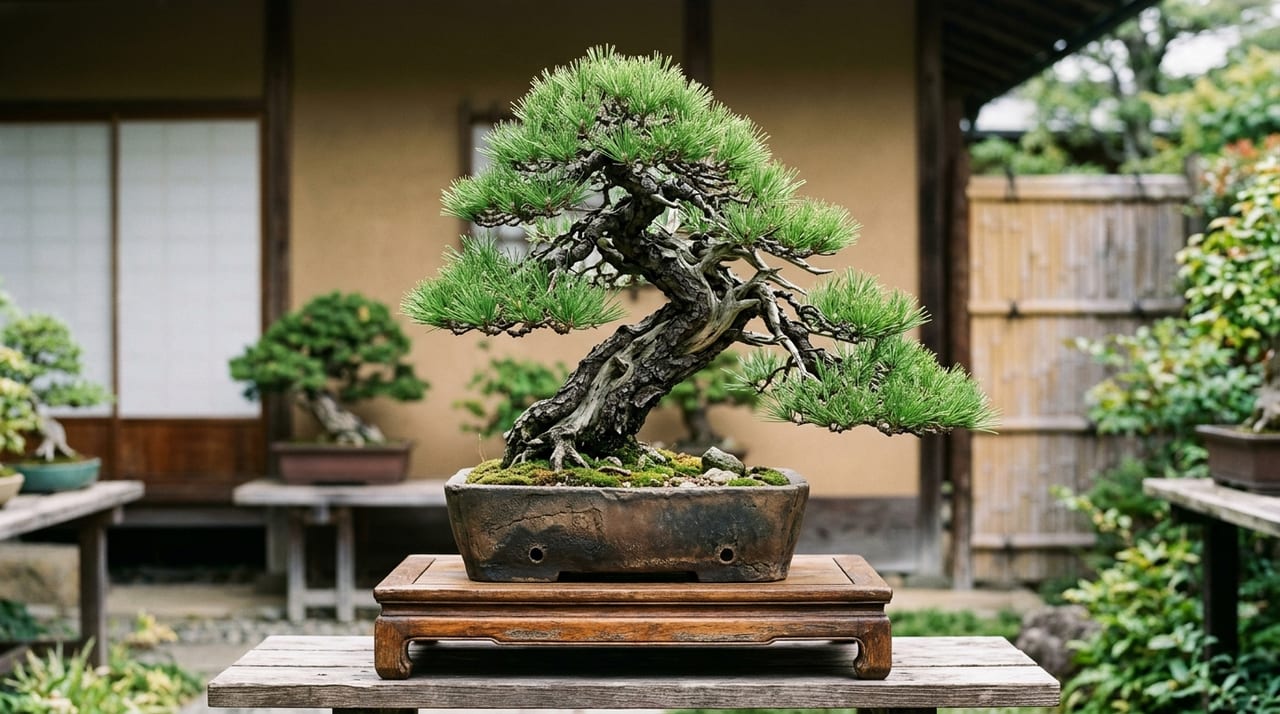
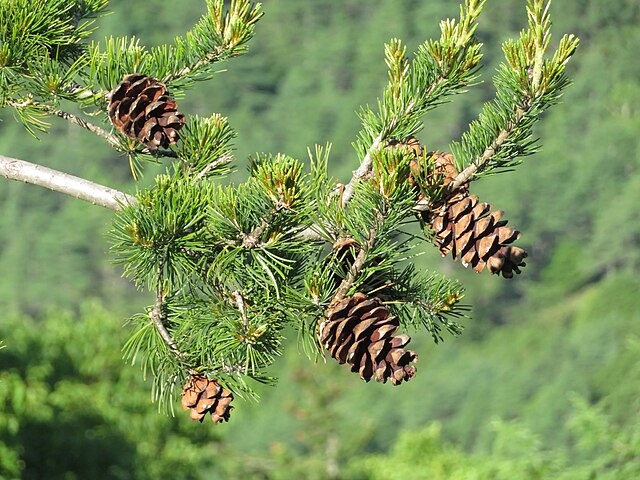
Conifers (Black Pine, Red Pine, Five-Needle Pine, Juniper)
Conifers prefer drier conditions, and excess moisture causes root rot. A mix prioritizing drainage is essential. The same approach applies to juniper species such as shimpaku and podocarpus.
- Akadama (small grade): 5
- Kiryu sand (small grade): 4
- Fuji sand or perlite: 1
For mature trees (10+ years old), increasing kiryu sand to "akadama 4 : kiryu sand 5 : fuji sand 1" helps maintain compact, healthy root systems. After repotting, manage on the drier side to encourage new root development. Details on candle pruning and annual form management for black pine are explained in Black Pine Candle Pruning and Annual Form Management.
Deciduous Broadleaf Trees (Zelkova, Maple, Ginkgo)
Deciduous broadleaf trees need adequate water retention and nutrient retention while maintaining aeration.
- Akadama (small grade): 6
- Kiryu sand (small grade): 3
- Leaf mold or black soil: 1
Adding a small amount of leaf mold improves nutrient retention and supports vigorous growth. However, excessive leaf mold reduces aeration, so keep it to 1–2% of the total mix.
Maples have delicate, thin roots; after repotting, avoid direct sun and let them recover in partial shade for 2–3 weeks. Tips on managing fall color are covered in Japanese Maple and Maple Bonsai Autumn Color Guide.
Azalea and Satsuki
Adaptation to acidic soil is critical. Use a mix centered on kanuma soil.
- Kanuma soil (small grade): 7
- Akadama (small grade): 3
Adding peat moss to about 10% of the mix can further stabilize acidity and sometimes improve flowering. Satsuki is best repotted after flowering (early to mid-June). To avoid damaging flower buds, right after flowering, gently break apart the root ball to remove old soil and repot with fresh mix.
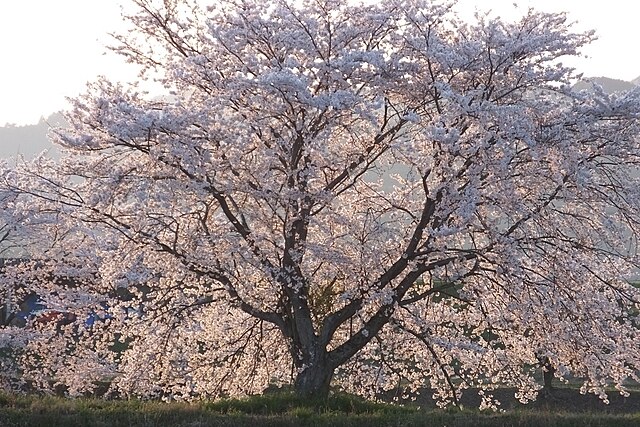
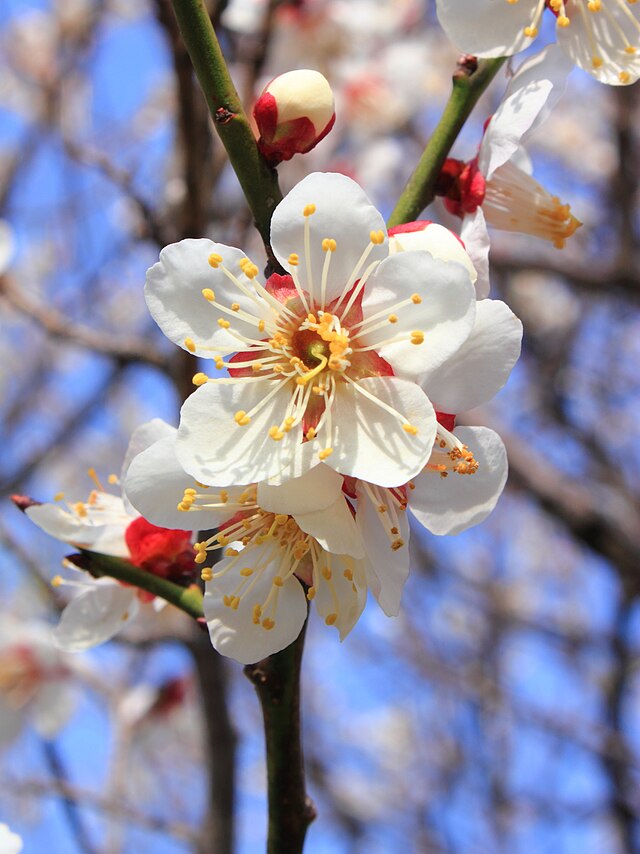
Plum, Cherry, and Peach (Flowering Bonsai)
Flowering bonsai prefer relatively fertile soil but still need good drainage.
- Akadama (small grade): 6
- Kiryu sand (small grade): 2
- Leaf mold: 2
Spring after flowering (April–May) is the best time to repot. Cherry is sensitive to root pruning, so trim roots conservatively and minimize damage. Details on distinguishing flower buds and pruning timing for plum are covered in How to Care for Plum Bonsai.
Repotting Procedures and Cautions
Repotting is not simply changing the soil; it is an important management task that organizes the roots and promotes new growth. Incorrect timing or procedures risk weakening the tree.
Best Timing
- Deciduous broadleaf and flowering trees: Just before budbreak (early to mid-March in the Kanto region)
- Conifers: Before new growth begins (mid-March to early April)
- Azalea and satsuki: After flowering (June) or around the autumnal equinox (September)
Steps
- Remove the tree from the pot, then use a bamboo stick or root rake to remove old soil from around the perimeter of the root ball. Aim to remove about 1/3 to 1/2 of the old soil.
- Use clean scissors to remove dead roots, rotten roots, and circling roots. Avoid cutting roots too short; prune them to match the pot size.
- Place a pot screen at the bottom, then add a 1–2 cm drainage layer of coarser particles (medium-grade akadama or pumice stone).
- Add an appropriate amount of fresh soil mix, positioning the tree while spreading the roots. Check the front-to-back and side-to-side angles and placement, then use a bamboo stick to gently pack soil around the roots to eliminate air pockets.
- Water thoroughly until the drainage runs clear, then place in shade or a sheltered location to recover for 2–4 weeks.
After repotting, avoid fertilizing and refrain from liquid fertilizer for about a month until new roots develop. For an overview of seasonal care throughout the year, the Bonsai Seasonal Care Calendar is helpful.
Common Soil Management Mistakes and Solutions
Particles break down and drainage worsens
Aged akadama and kanuma soil mudify with use. If drainage from the pot bottom slows after watering, it is time to repot. Make it a habit to refresh soil regularly every 2–3 years.
Fine particles caused root rot
Purchased soil sometimes contains fine dust. Sieving to remove dust before use greatly improves aeration. A small-grade sieve (approximately 2 mm mesh) is convenient to have on hand. For identifying advanced root rot and pest/disease control, refer to Bonsai Pest and Disease Control Guide.
Same mix but tree condition is poor
Even with the same mix, differences in location (sun and air circulation) and watering frequency change the wet–dry cycle. Fine-tune for the environment: in bright sun, slightly increase water retention (more akadama); in partial shade, increase drainage (more kiryu sand).
Bonsai soil is not "one right answer" but something to continuously refine based on the tree, environment, and management style. Starting with basic mixes and gradually adjusting while observing tree condition is the most reliable path to improvement over the years of bonsai cultivation. Once you start refining soil and tools, consider expanding your repertoire with mini bonsai and other styles. Be sure to also read Enjoying Mini Bonsai and Management Tips.