How to Grow Plum (Ume) Bonsai | Pruning Timing to Bloom Flowers and Year-Round Care
A guide to caring for plum bonsai, a representative flowering bonsai. We introduce the key points for enjoying flowers, from year-round outdoor care to watering, post-bloom pruning timing, and repotting.
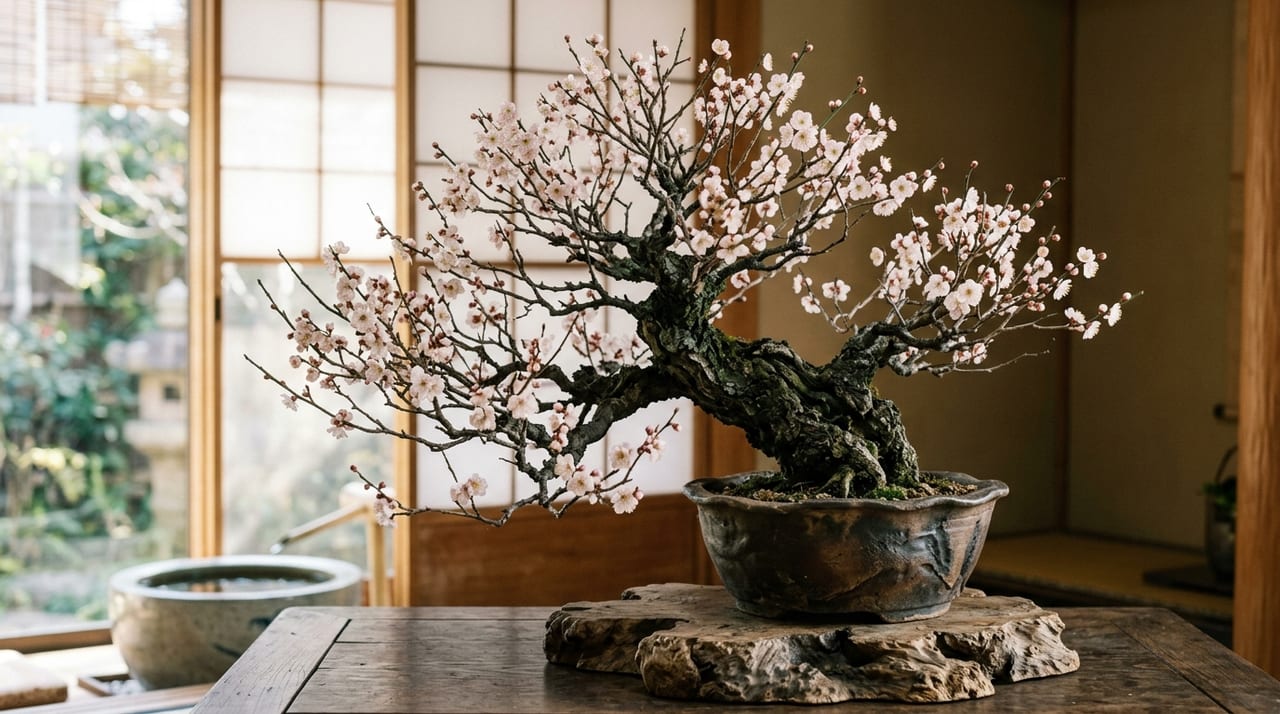
Key Takeaways
A guide to caring for plum bonsai, a representative flowering bonsai. We introduce the key points for enjoying flowers, from year-round outdoor care to watering, post-bloom pruning timing, and repotting.
Related Species
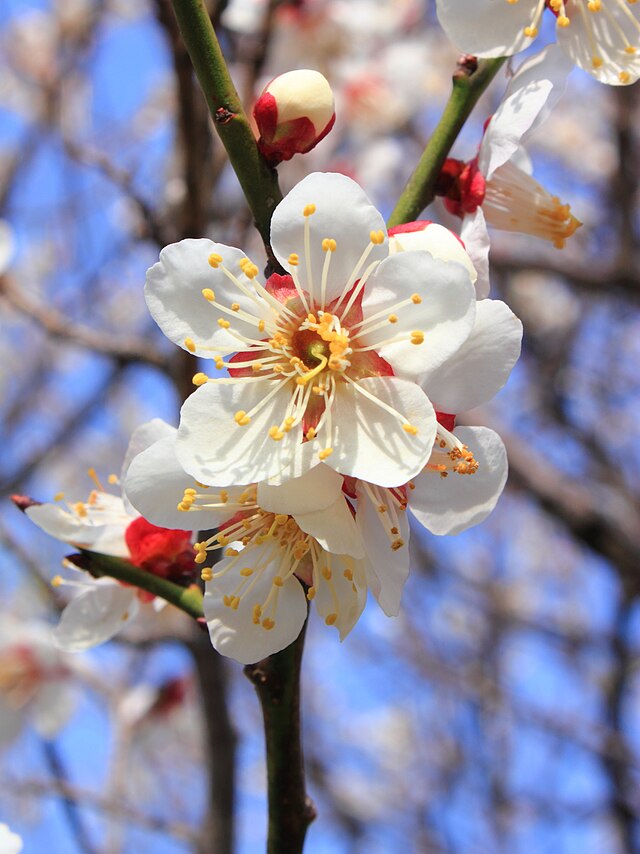
Plum (ume) is a flowering tree that has been loved by Japanese people for ages, and in the world of bonsai, it is highly regarded as a representative of "flowering bonsai." The sight of its branches blooming abundantly with flowers in early spring before the leaves emerge—while still chilly—has a charm that offers a different seasonal feeling from "foliage bonsai" such as pine and cypress. This article explains the characteristics of plum bonsai and the tips for year-round care and producing beautiful blooms.
Characteristics of Plum Bonsai
Plum is a deciduous tree in the Rosaceae family (Prunus genus), and in the bonsai world it has long been regarded as a prestigious species as one of the "three auspicious plants" (pine, bamboo, and plum). As a representative flowering bonsai, plum becomes increasingly attractive as it matures, developing twists and ruggedness in its trunk and branches, taking on an ever more stately appearance. Different cultivars have varying flower colors and bloom forms, and you can enjoy diverse expressions—single or double blooms in white, red, or pale red—according to your preference. Since the flowers bloom directly on branches before the leaves emerge, bonsai enthusiasts can appreciate both the flowers and the branch structure.
Placement and Year-Round Care
The basic rule for plum bonsai is to keep it outdoors in a location with good sunlight and air circulation. By keeping it outdoors year-round and exposing it to seasonal temperature changes, strong flower buds will form. In midsummer, it's helpful to move it to a partially shaded location away from afternoon sun to reduce the stress of excessive direct sunlight and heat-induced leaf scorch and desiccation. In winter, exposure to cold is necessary for flower bud formation, so avoid excessive frost protection—just shield it from frost and strong north winds.
Watering Basics
Plum dislikes drought, so the basic rule is to water thoroughly when the soil dries out. Particularly from late autumn through winter when flower buds are swelling, excessive dryness can result in poor flowering, so careful attention to watering is needed even as the season progresses. In summer, the soil dries quickly, and you may need to water both morning and evening. Conversely, constantly wet soil damages the roots, so combining well-draining soil is essential.
Post-Bloom Pruning and Tree Shaping
The most important aspect of plum bonsai care is pruning after flowering. Plum has the property that cutting back improves flowering the following year, so by cutting back newly extended branches immediately after flowering ends, you encourage flower bud formation for the next season while shaping the tree.
Basic Pruning Timing
- Immediately after flowering (around February–March): Cut back overgrown branches, leaving a few nodes
- Summer (around June–July): Lightly thin out new growth to maintain the tree shape
- Autumn onward: Avoid heavy pruning and take care to preserve flower buds
Heavy pruning after summer can remove flower buds that will bloom the following spring, so timing your pruning correctly is the key to enjoying flowers.
Repotting and Soil
Like other bonsai species, plum bonsai needs regular repotting to prevent root-bound conditions. Typically, repot once every 2–3 years during the dormant period, from after leaf drop to before new growth emerges (around January–February). The standard soil mix is centered on akadama (fired clay pellets) with a balance of drainage and water retention. During repotting, remove old soil, organize the roots, prune damaged or overgrown roots, and plant in fresh soil.
Key Points and Precautions for Blooming
While plum is naturally a robust species, consistently producing beautiful flowers year after year as a bonsai requires careful adherence to the basics: sunlight, watering, and pruning timing. In particular, "prompt post-bloom pruning" and "exposure to winter cold" are critical management points that directly affect flower bud formation.
Pest and Disease Management
Like other flowering trees, plum can be affected by aphids, scale insects, powdery mildew, and other pests and diseases. Aphids are prone to colonizing new shoots and buds, so close observation during budbreak is important, and prompt treatment upon discovery prevents infestations from spreading. Poor air circulation increases the risk of scale insects and powdery mildew, so thinning branches as needed to maintain overall air circulation is also an effective preventive measure.
Fertilizing Basics
Fertilizing is an essential part of care for supporting robust flower and foliage development. During the growing season from spring through autumn, the standard practice is to apply slow-release solid fertilizer as a top dressing around the base of the plant. From summer through autumn when flower buds are forming, consciously applying phosphorus- and potassium-rich fertilizer promotes abundant flowering the following spring. Withhold fertilizer during the heat of midsummer and in deep winter when the plant enters dormancy to avoid stressing the plant.
Enjoying Variety Differences
There are many plum cultivars with different flower colors and forms—white and red blooms, single and double petals. Even with the same basic care, different cultivars vary in flowering reliability and ease of shaping, so discovering your favorite cultivar as you grow is one of the pleasures of bonsai. Starting with material that already has some established structure makes it easier for beginners to enjoy flowers while becoming familiar with care techniques. Another charm of plum is that as it matures, the trunk develops character and its value as a bonsai increases. Enjoy the pleasure of developing tree form over time, and continue your care with anticipation of blooms each year.