Aquatic Plant Encyclopedia
Encyclopedia of popular aquatic plants with care guides, traits, and aquascaping tips.
Showing 127 of 127 species(1–24)
 © Krzysztof Ziarnek, Kenraiz / CC BY-SA 4.0
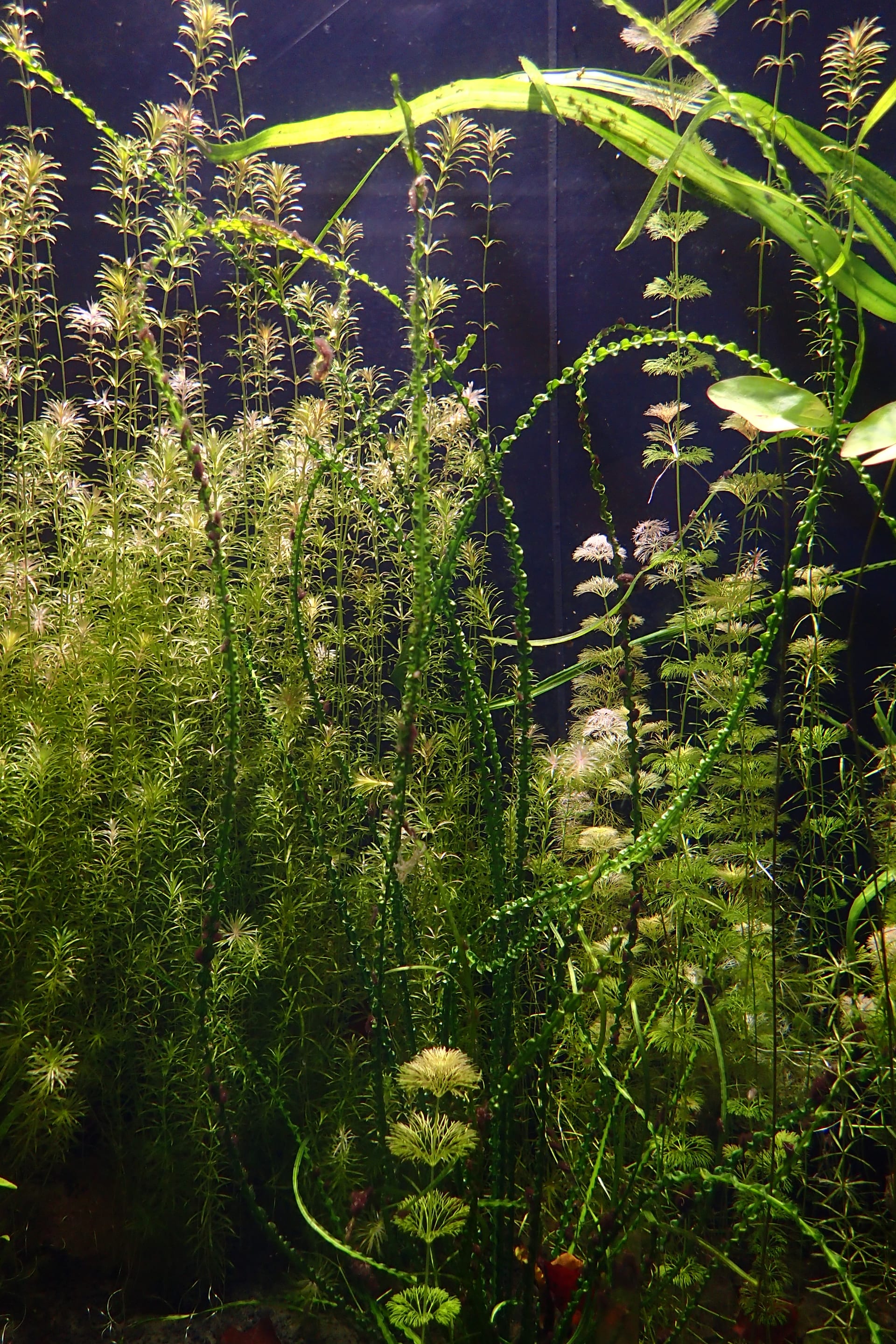
African onion plant
Crinum calamistratum
A Cameroonian aquatic plant that grows long, narrow, crinkled dark green ribbon leaves from a small bulb. Leaves reach 40–120 cm in aquaria and stream in the current. Slow but tough, and herbivorous fish leave it alone.
 © No machine-readable author provided. Rchampagne assumed (based on copyright claims). / Public domain
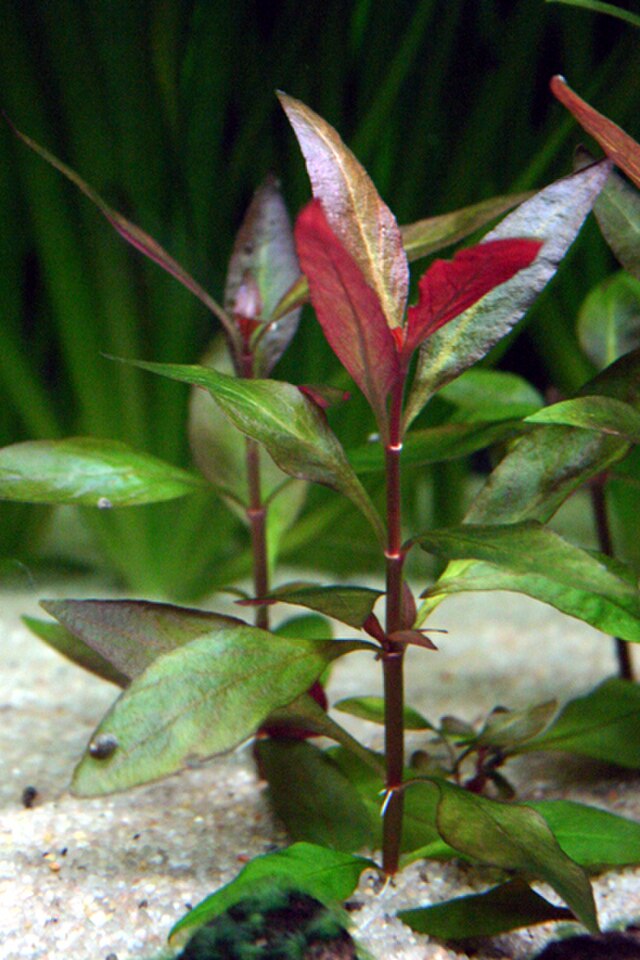
Alternanthera Reineckii
Alternanthera reineckii
A stem plant coloring deep red to pink. Creates vivid accent color among green aquatic plants.
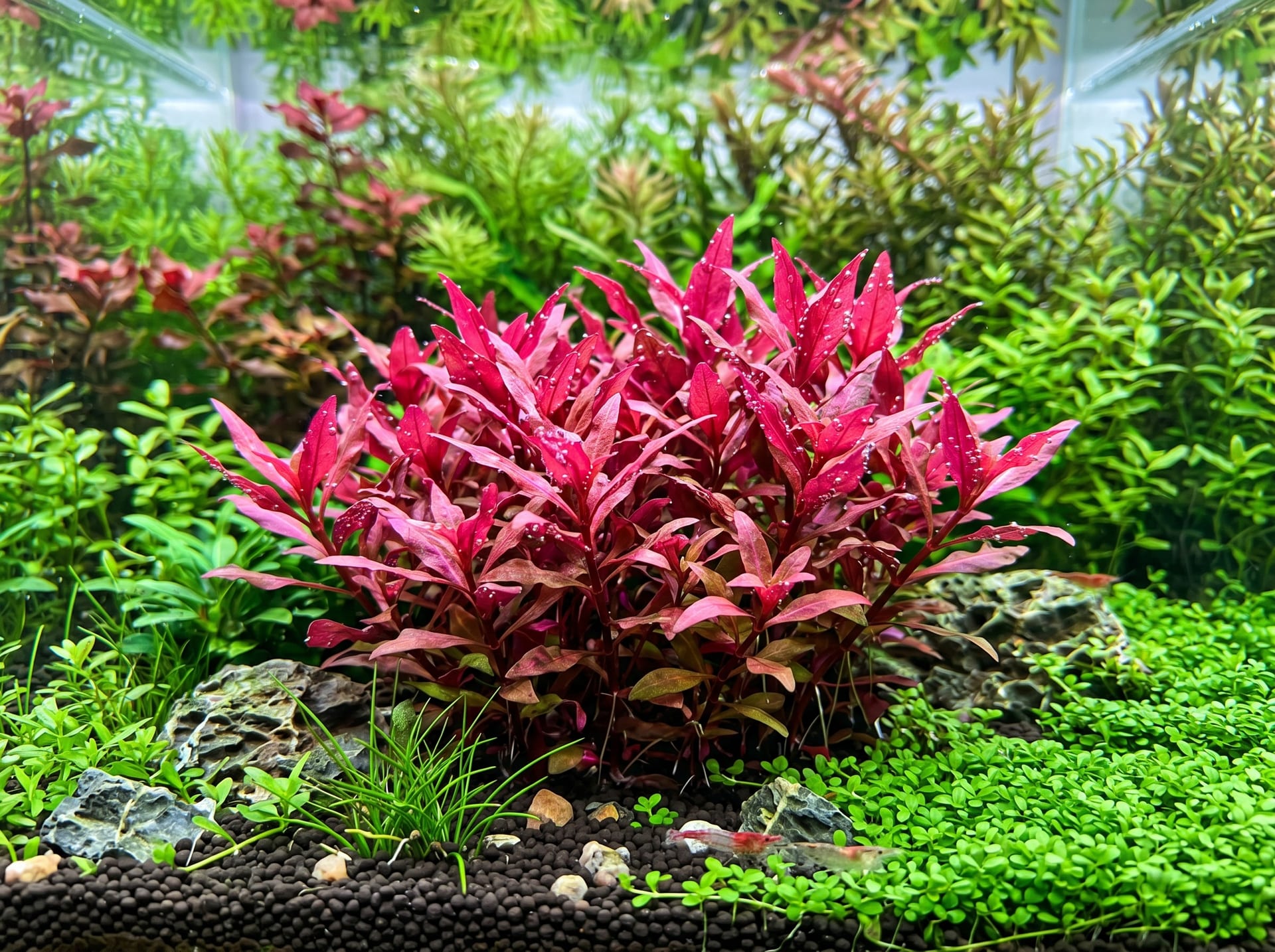
Alternanthera Reineckii Mini
Alternanthera reineckii 'Mini'
A compact red aquatic plant perfect for foreground to midground accent color.
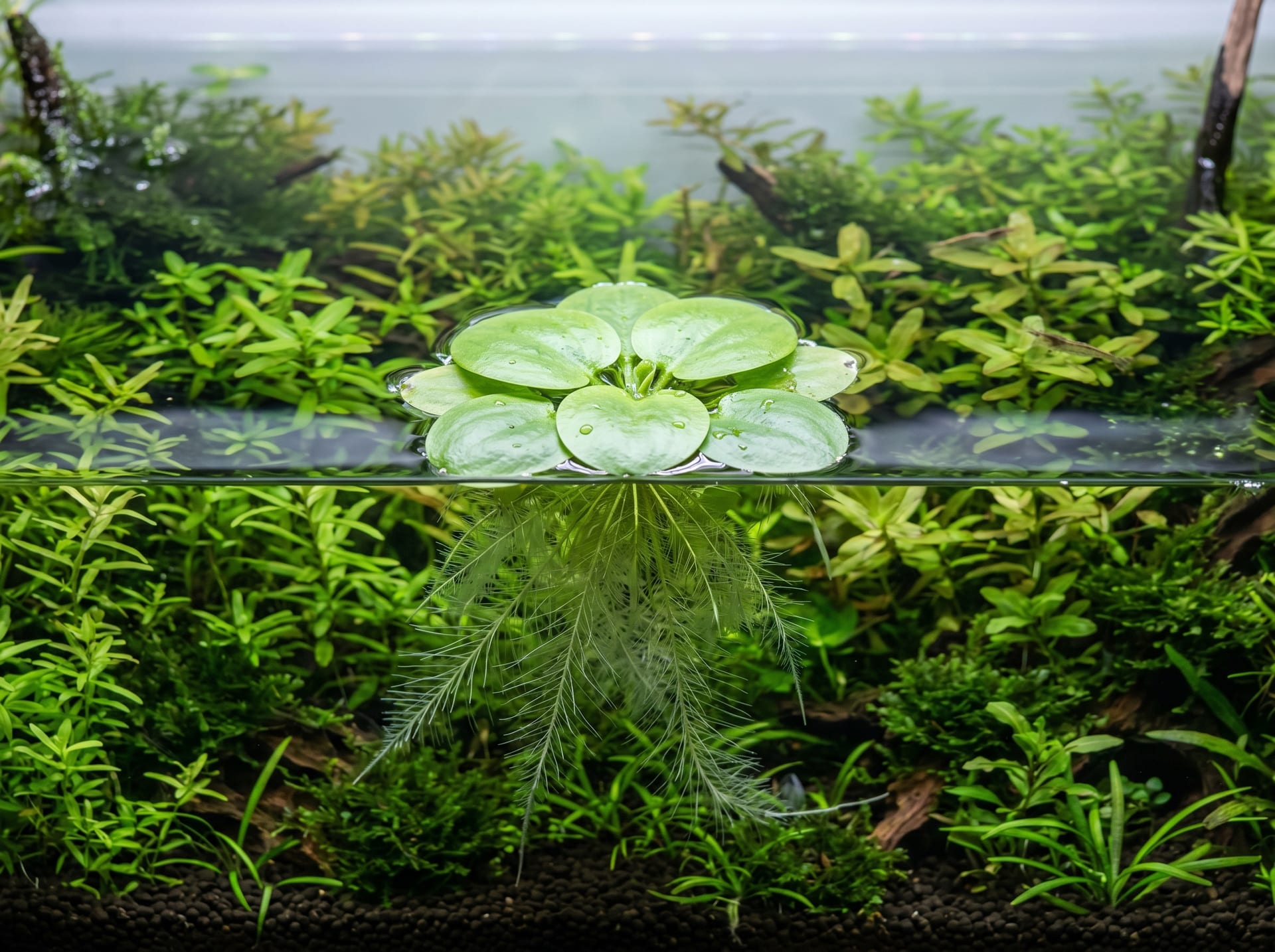
Amazon Frogbit
Limnobium laevigatum
Charming floating plant with round leaves. Simply float on surface for easy care. Long trailing roots provide shelter for fry and shrimp. Excellent water purification.
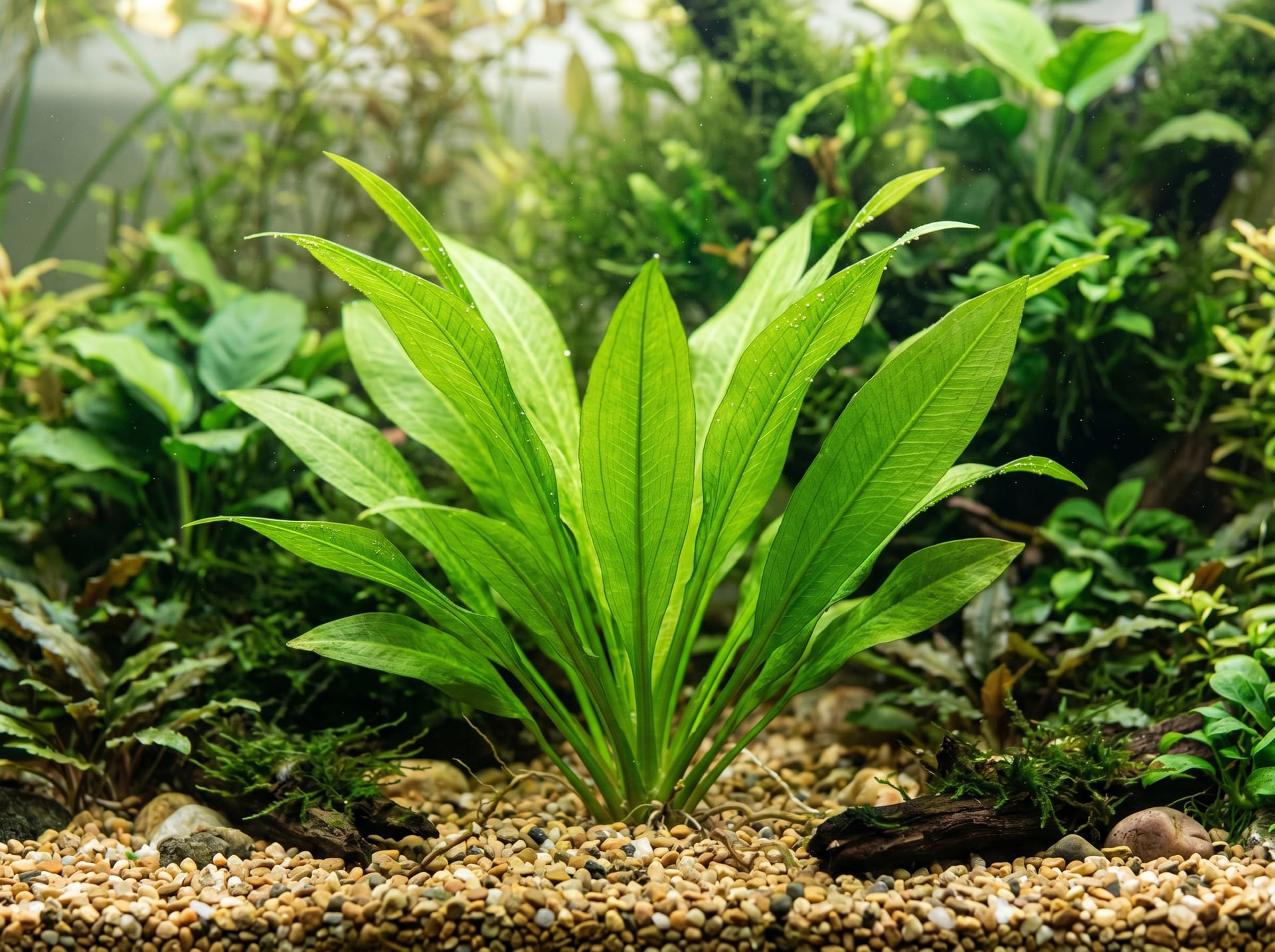
Amazon Sword
Aquarius grisebachii
A representative aquatic plant with large sword-shaped leaves. Gives strong presence as background centerpiece.
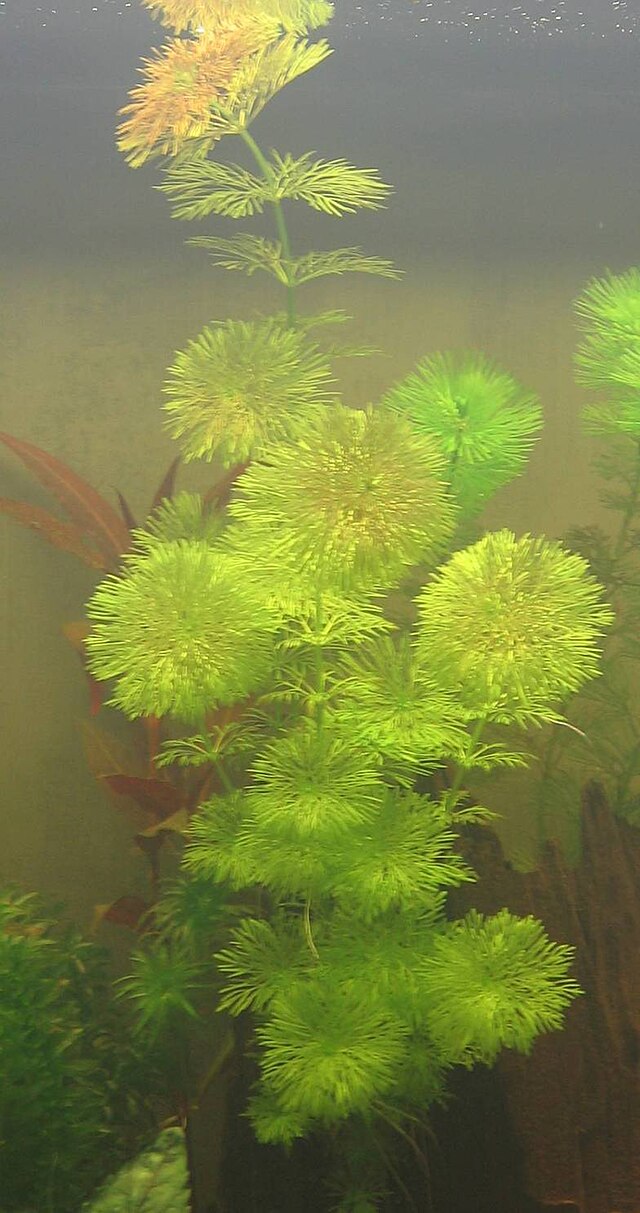 © kajuko / CC BY-SA 3.0
Ambulia
Limnophila sessiliflora
A hardy background stem plant that grows without added CO2. To propagate, cut the top 5-10cm of a stem, strip the lower leaves and push it back into the substrate; it roots readily. Its feathery whorled leaves give a soft look.
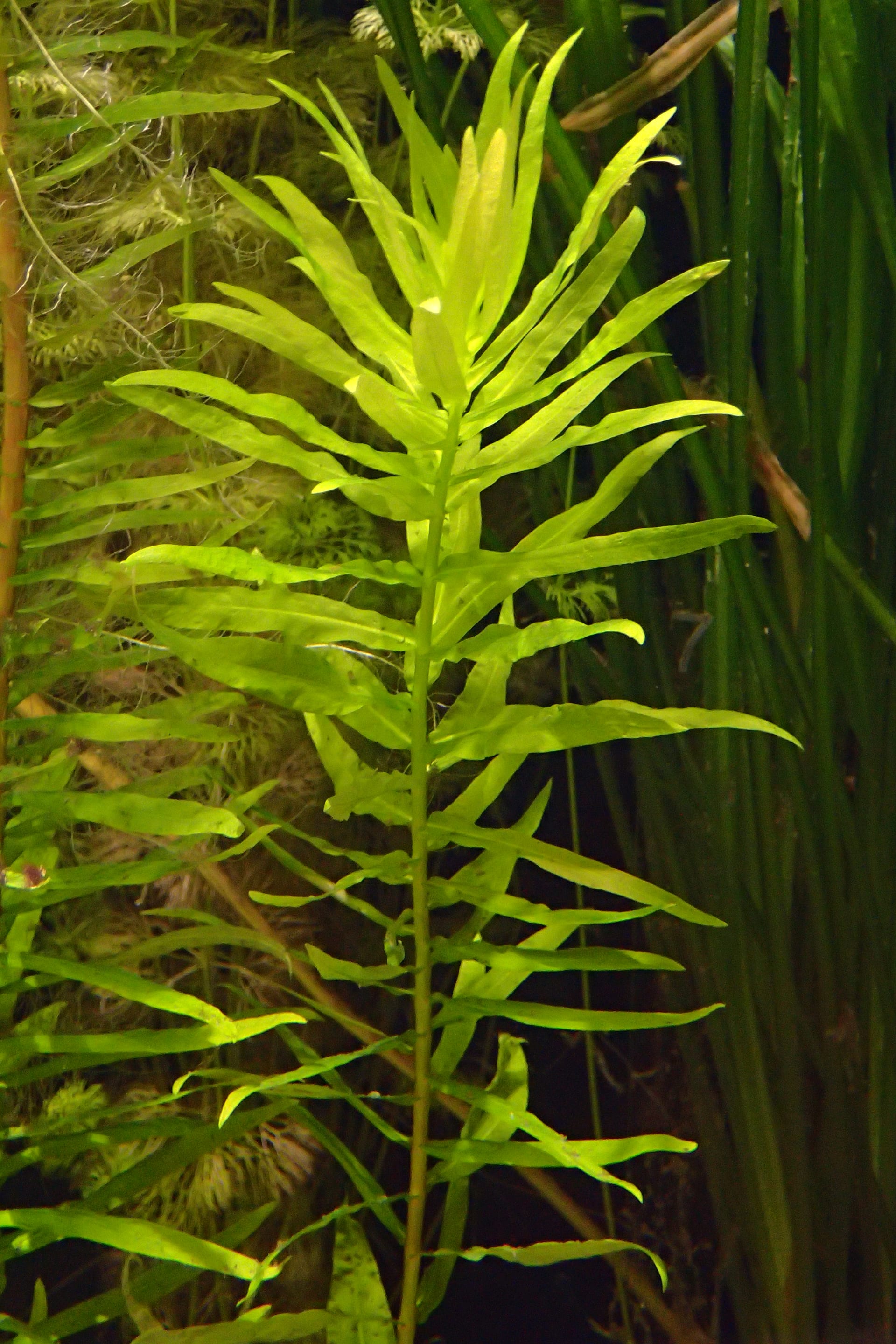 © Krzysztof Ziarnek, Kenraiz / CC BY-SA 4.0
Ammannia gracilis
Ammannia gracilis
A large stem plant with long, narrow opposite leaves that turn a cognac-red in strong light. Reaching 20–50 cm tall and 12–20 cm wide, it makes a bold statement in the mid- or background of tanks of 76 litres or more.
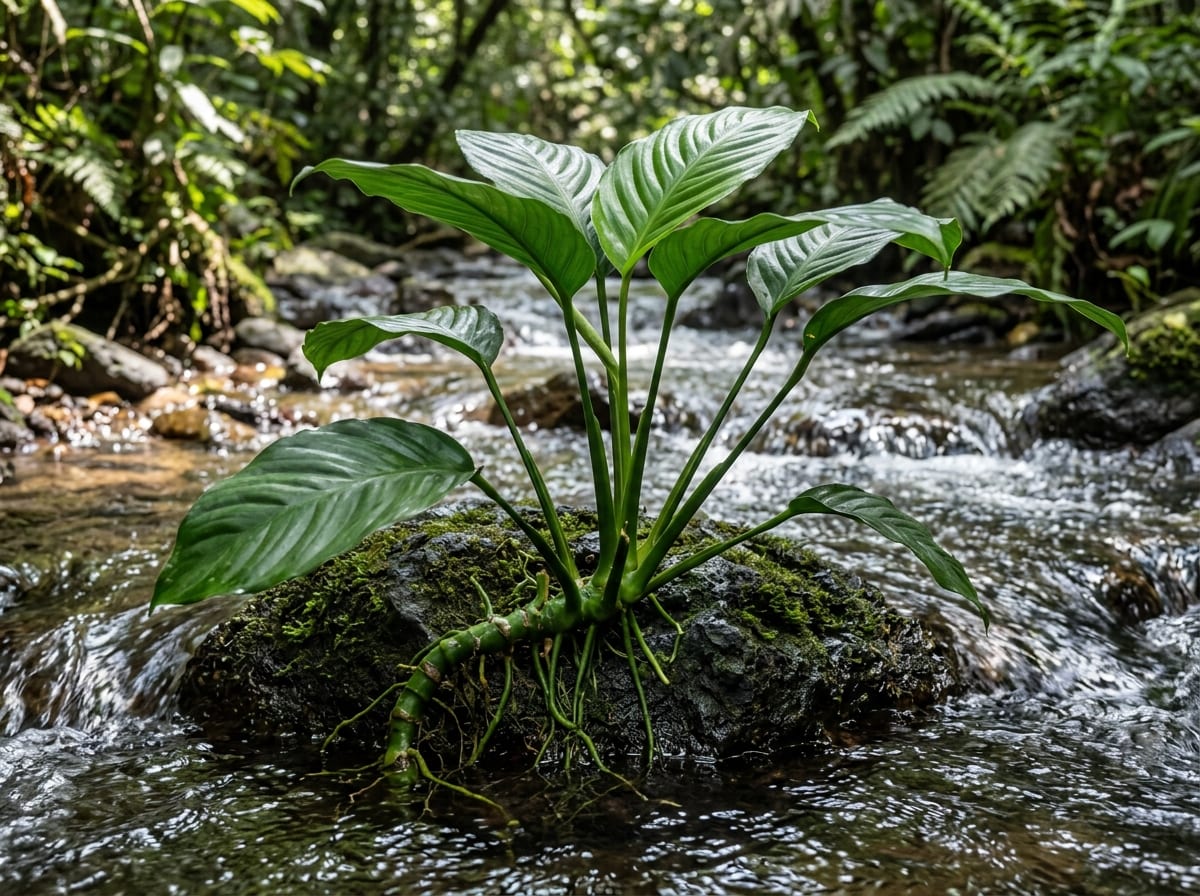
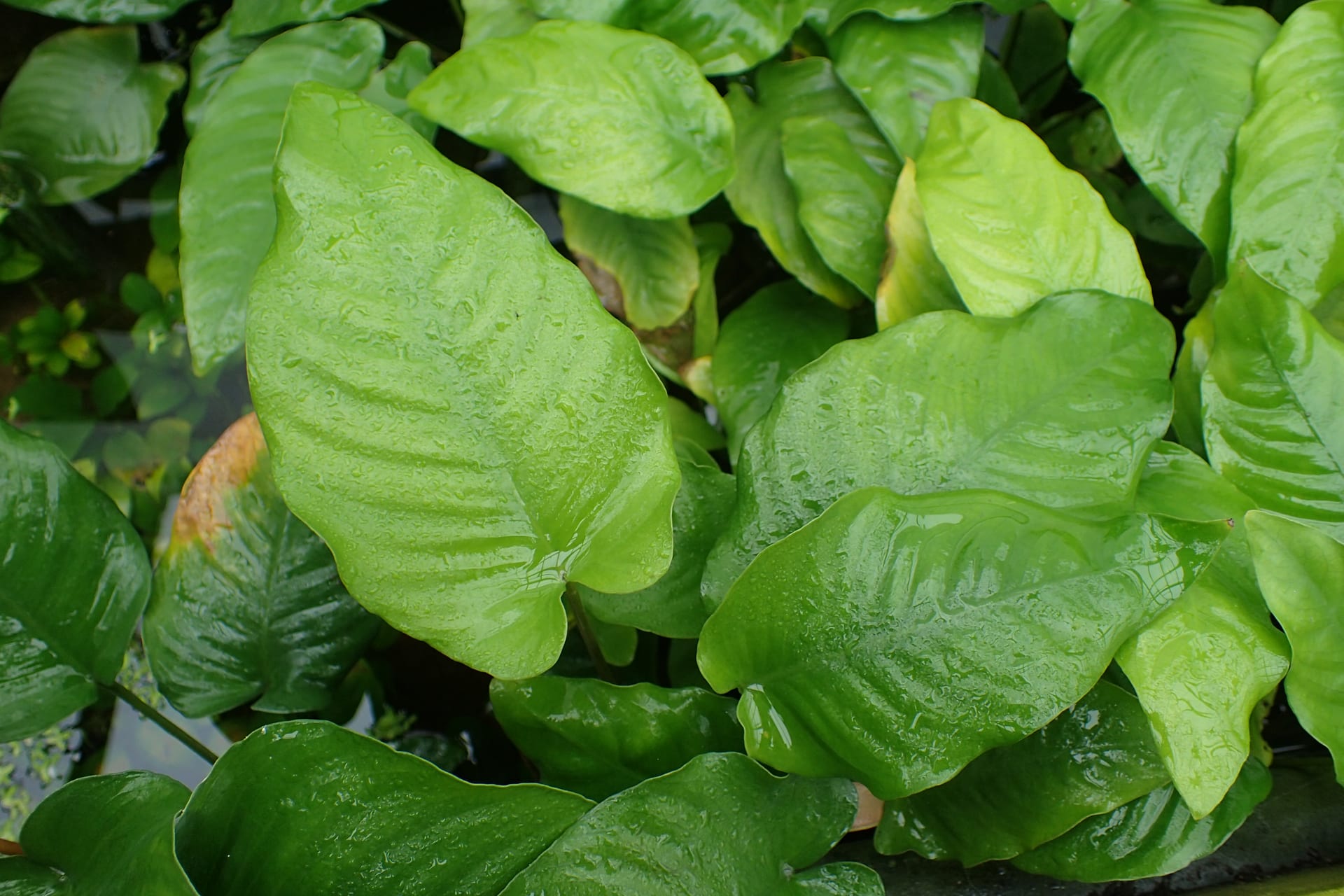
Anubias barteri var. barteri
Anubias barteri var. barteri
The type variety of Anubias barteri, with broad, thick, leathery leaves. It grows larger than var. nana and even young plants can be told apart by their longer petioles. Tough enough to survive herbivorous fish and dim tanks.
 © Krzysztof Ziarnek, Kenraiz / CC BY-SA 4.0
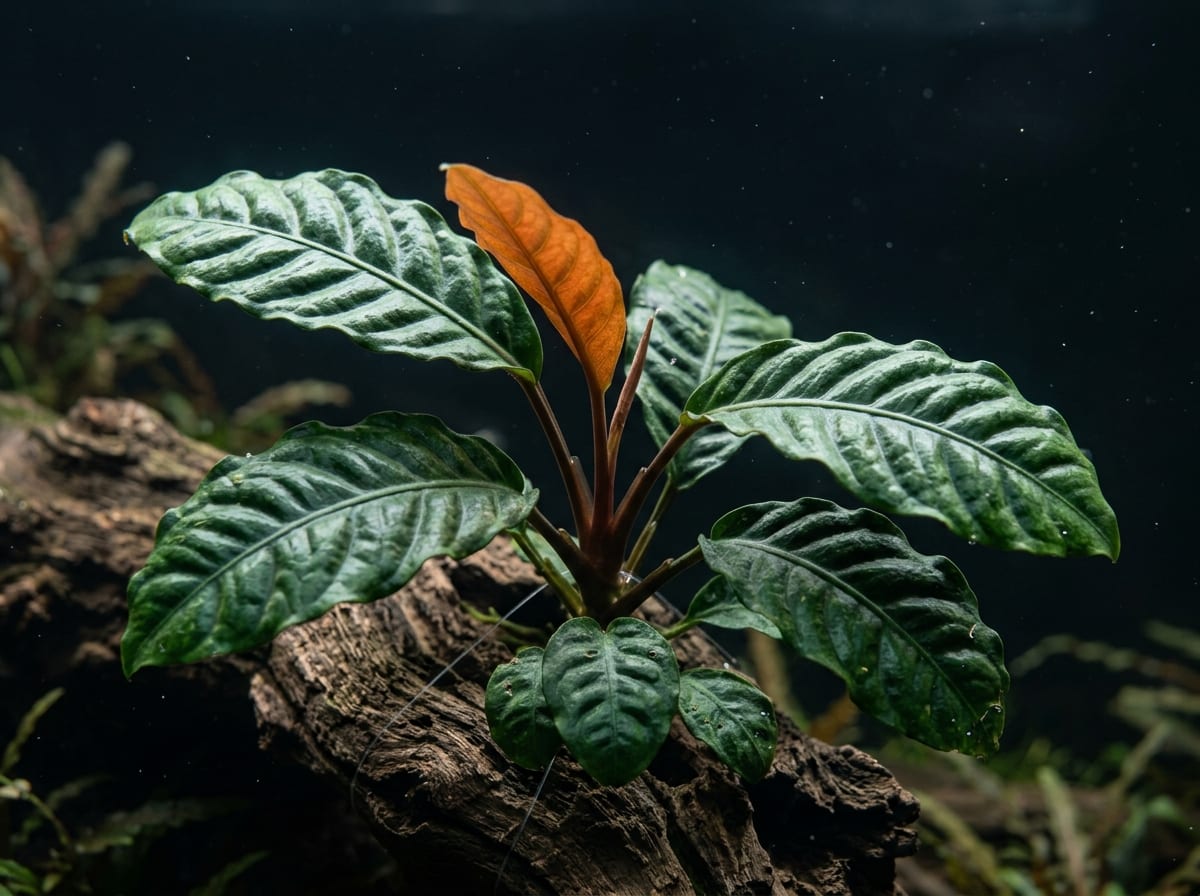
Anubias barteri var. caladiifolia
Anubias barteri var. caladiifolia
The largest variety of Anubias barteri, whose mature leaves have a deeply heart-shaped base. Leaves are paler and softer than var. barteri, and because they live for years a clump can exceed 50 cm across within a few years.
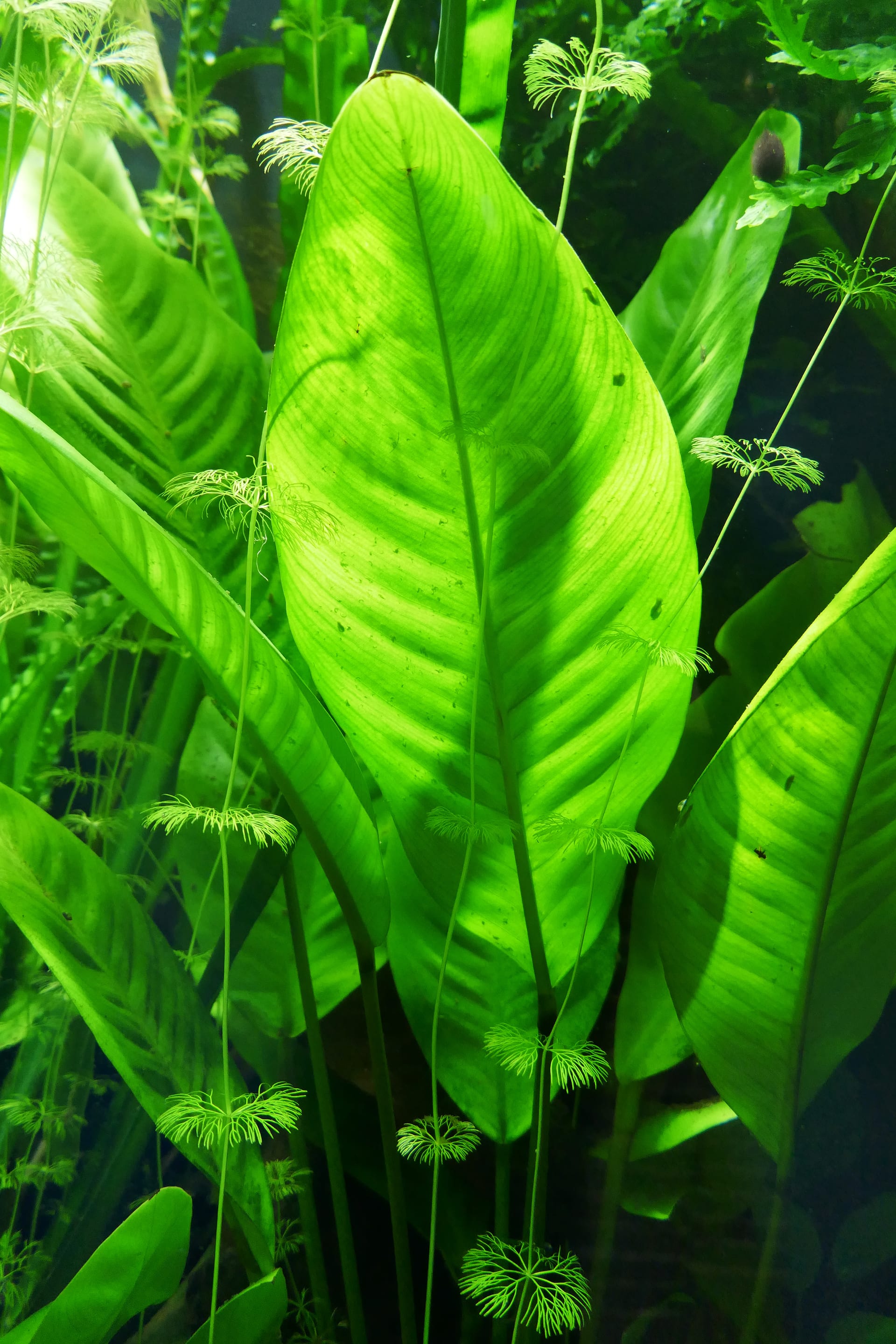
Anubias barteri var. coffeifolia
Anubias barteri var. coffeifolia
An Anubias whose leaf blades bulge strongly between the veins, like coffee leaves. New leaves emerge orange- to red-brown and turn dark green. It often flowers under water.
 © Ji-Elle / CC BY-SA 4.0
Anubias barteri var. glabra
Anubias barteri var. glabra
A variety of Anubias barteri with elliptic to narrowly lanceolate leaves, slimmer than the rounded nana or var. barteri. Also traded as 'minima' or 'lanceolata'. Very tough and happy in shade.
Anubias barteri var. nana 'Bonsai'
Anubias barteri var. nana 'Bonsai'
A dwarf selection of Anubias nana. At about 5 cm tall its small leaves pack tightly into a compact, bonsai-like mound, suitable for stones and wood even in tanks of around 10 litres.
Anubias barteri var. nana 'Gold'
Anubias barteri var. nana 'Golden'
A selection of Anubias nana whose new leaves emerge light green to golden yellow, clearly unlike the dark green standard form. Leaves darken in weak light. It traces back to a mutant found at a Taiwanese nursery.
Anubias barteri var. nana 'Pangolino'
Anubias barteri var. nana 'Pangolino'
A nana selection with some of the smallest leaves of any Anubias. Narrow dark green leaves overlap like the scales of a pangolin. Selected from 'Bonsai' stock, it suits the hardscape of nano tanks.
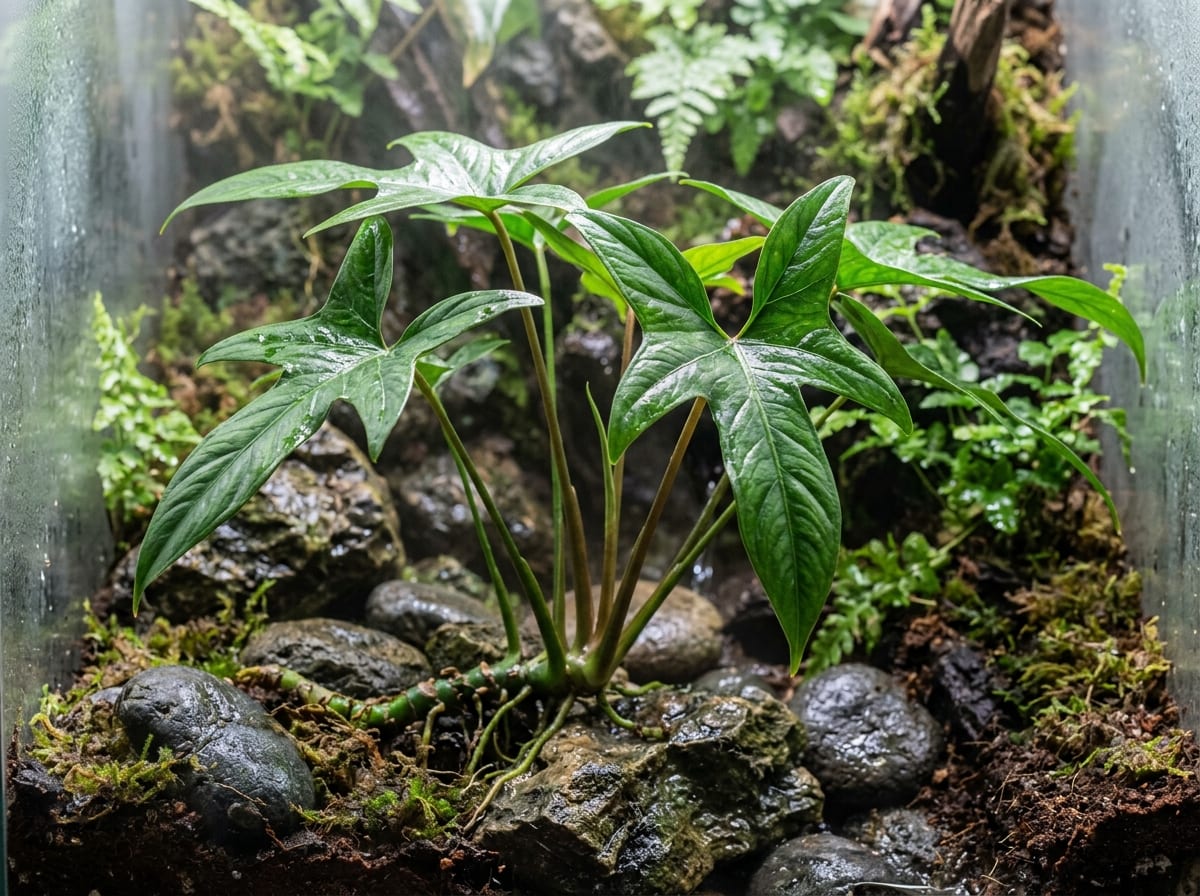
Anubias hastifolia
Anubias hastifolia
A large Anubias with hastate to almost three-lobed leaves. It is considered poorly adapted to permanent submersion and does better grown emersed in a spacious paludarium than in an aquarium.
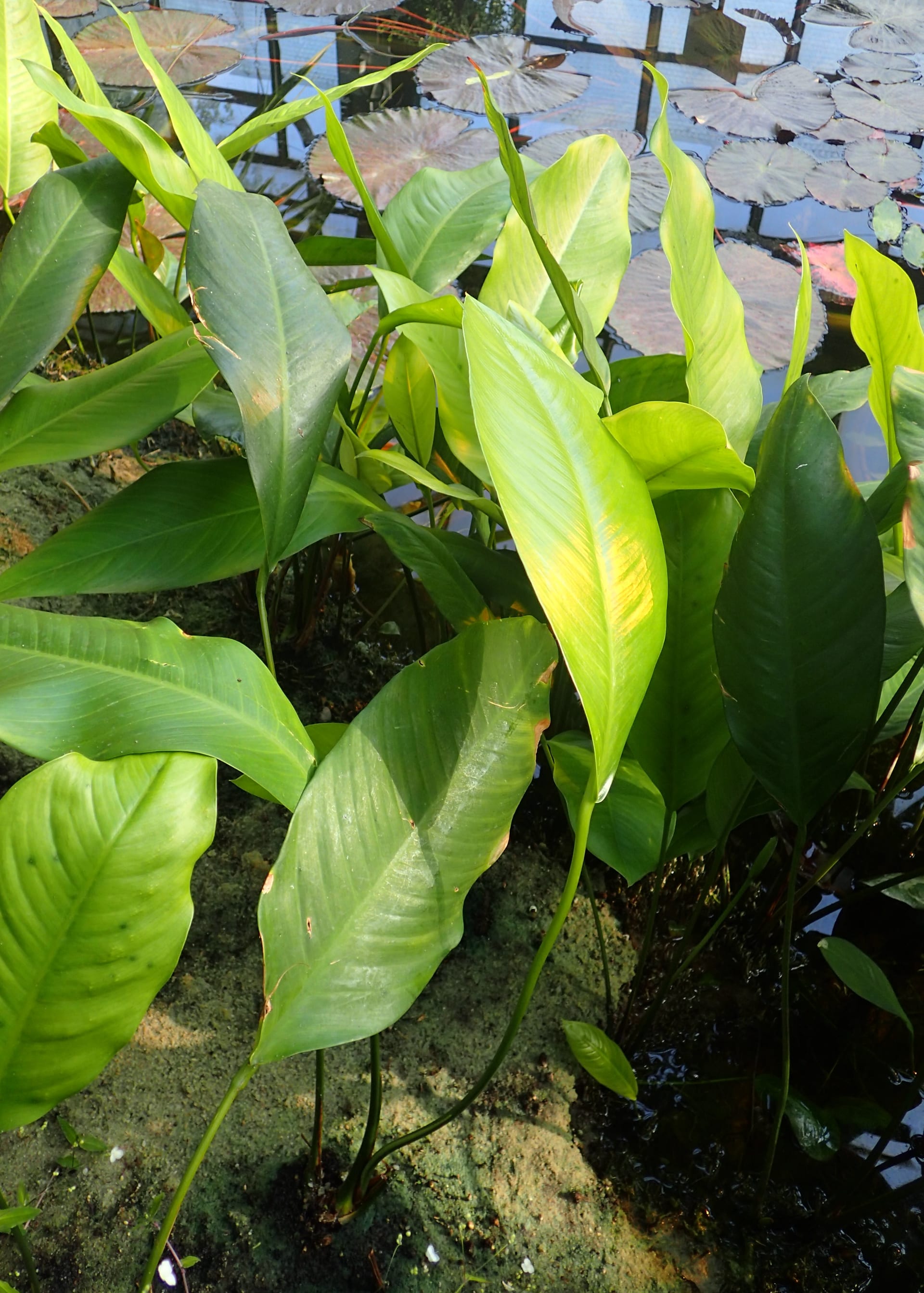 © Krzysztof Ziarnek, Kenraiz / CC BY-SA 4.0
Anubias heterophylla
Anubias heterophylla
A large Anubias carrying elliptic to lanceolate leathery blades on long petioles, the margins often somewhat wavy. Naturally a marsh plant, it grows permanently submerged too, staying smaller than on land.
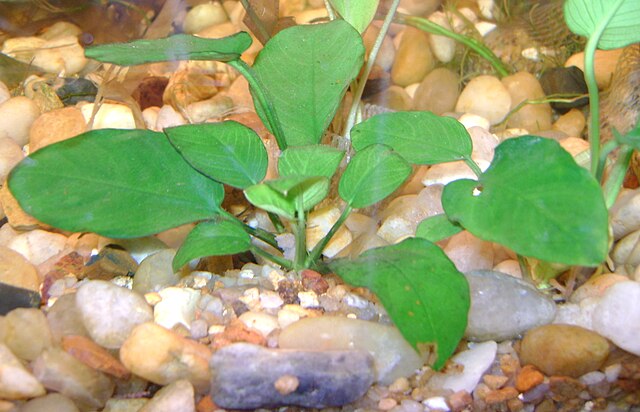 © Carlosar / CC BY-SA 3.0
Anubias Nana
Anubias barteri var. nana
Hardy shade plant from Africa. Typically attached to driftwood or rocks. Thrives without CO2 in low light — ideal for beginners. Very slow growth keeps layouts stable.
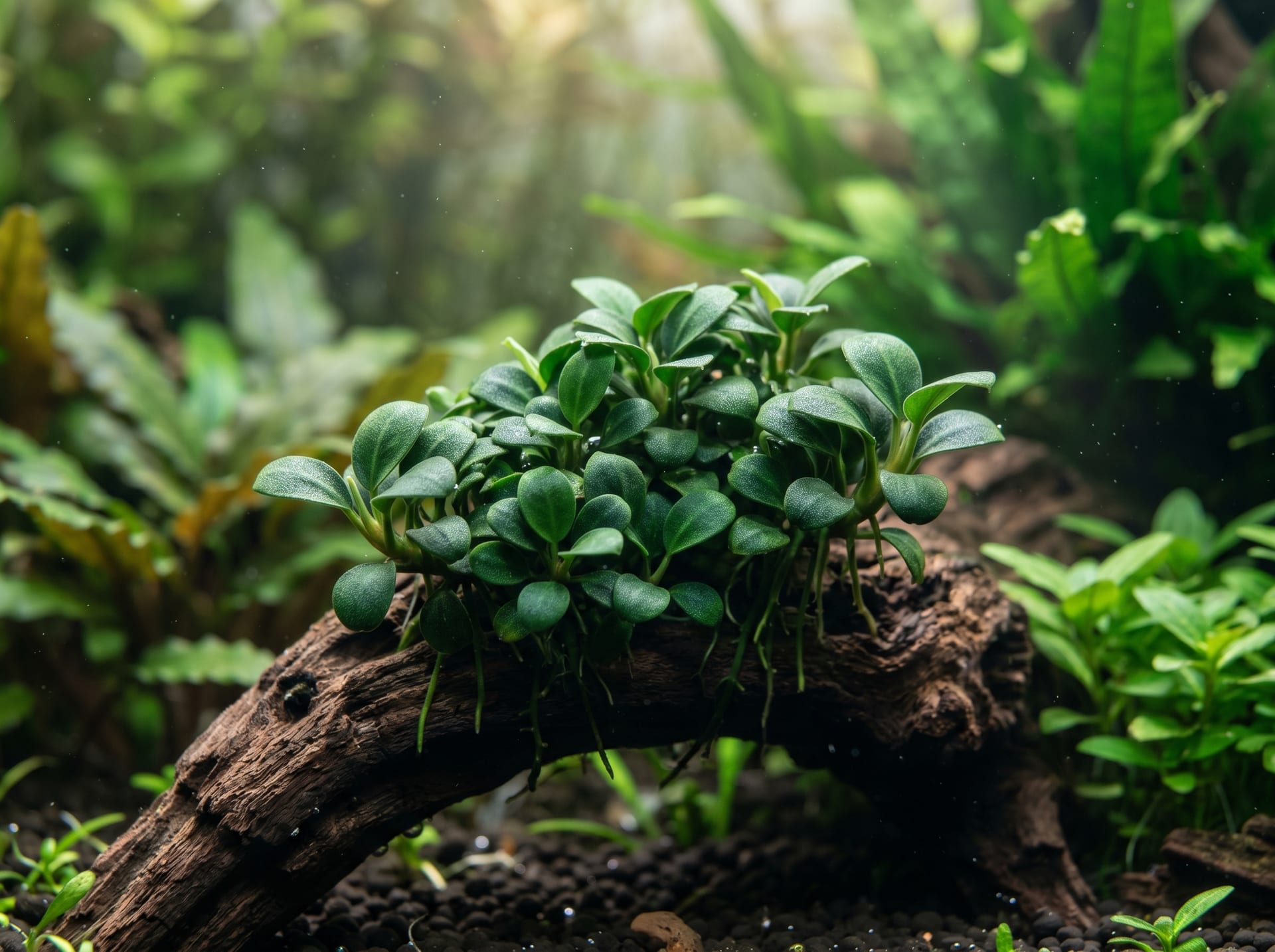
Anubias Nana Petite
Anubias barteri var. nana 'Petite'
An even smaller variety of Anubias Nana. Tiny densely packed leaves, ideal for nano tanks.
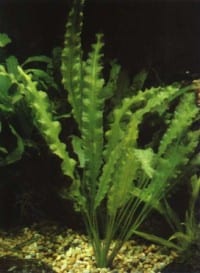 © Drhyperlaur at English Wikipedia / Public domain
Aponogeton crispus
Aponogeton crispus
A large Sri Lankan aquatic plant that grows a rosette of long, wavy-edged leaves from a tuber. It needs no dormant period in aquaria and often flowers, but its leaves can reach the surface, so it suits larger tanks.
 © Wigoelbar / CC BY-SA 3.0
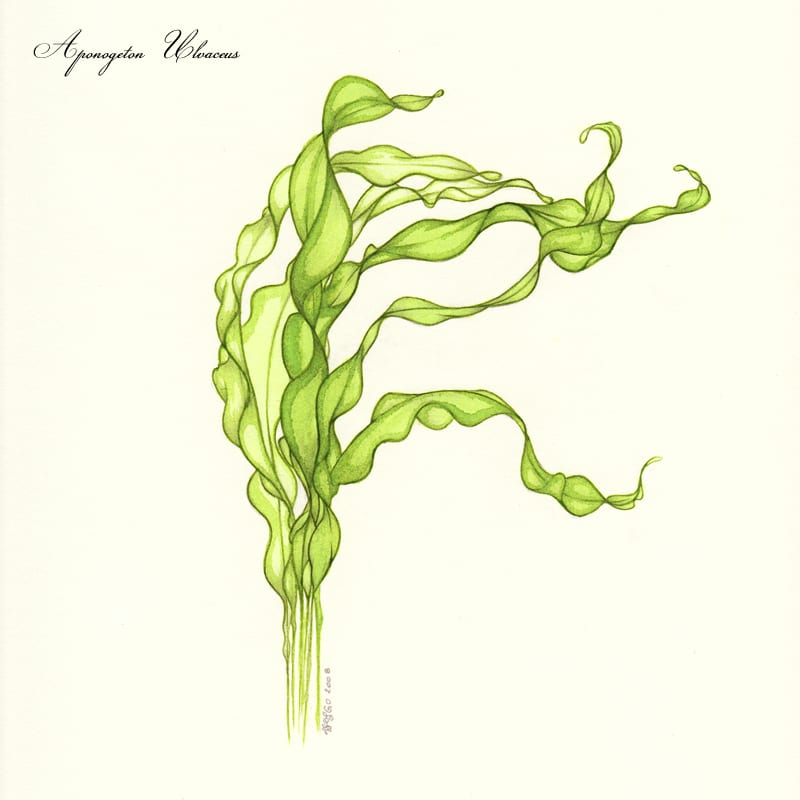
Aponogeton ulvaceus
Aponogeton ulvaceus
A bulb plant from Madagascar that unfurls more than 40 translucent, pale green leaves with strongly waved margins. A single plant spreads about 50 cm wide, so it makes a centrepiece for large tanks. Some forms need a dormant period.
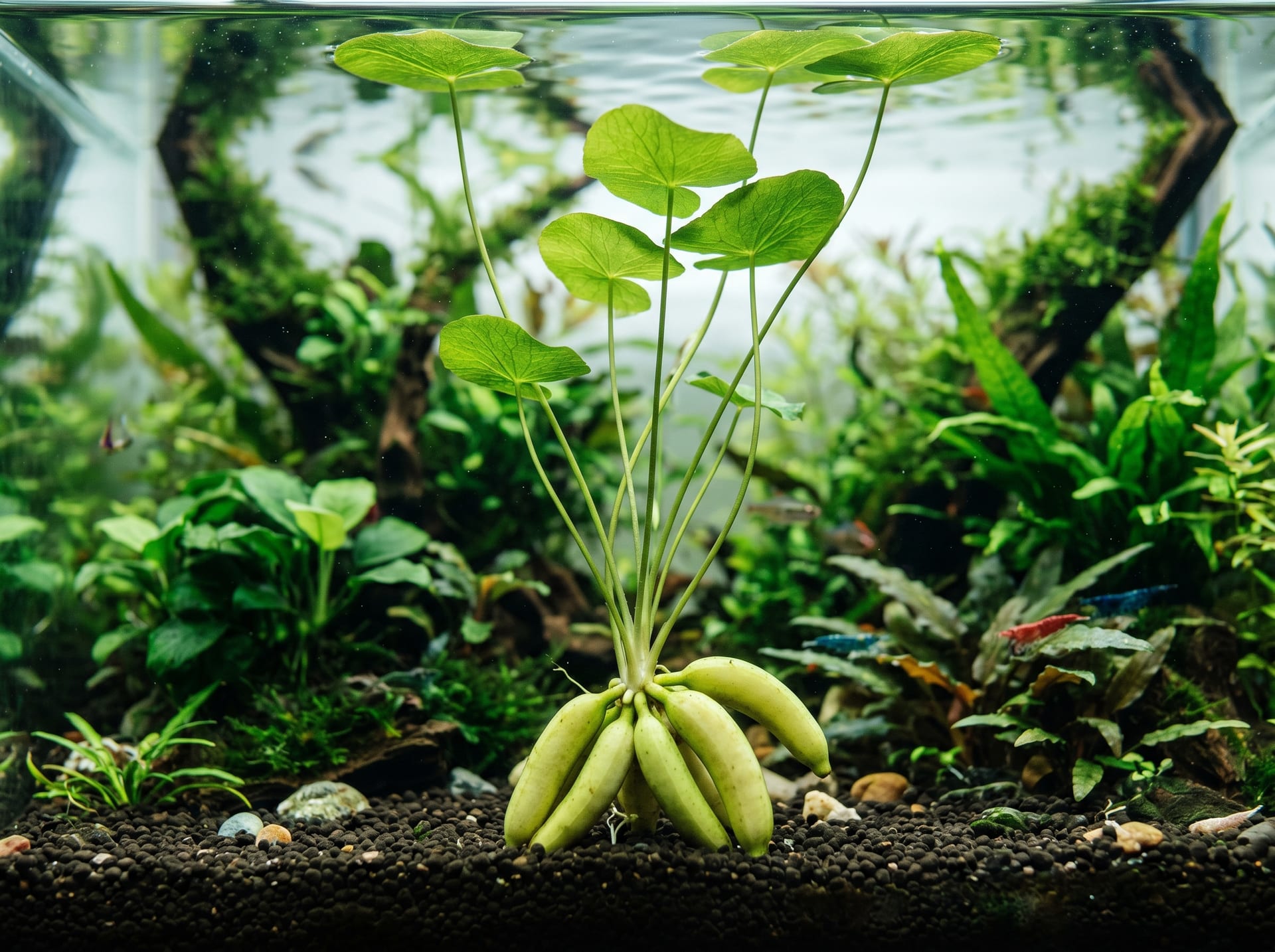
Banana Plant
Nymphoides aquatica
A unique plant with banana-bunch-like thick storage roots. Charming when producing floating leaves.
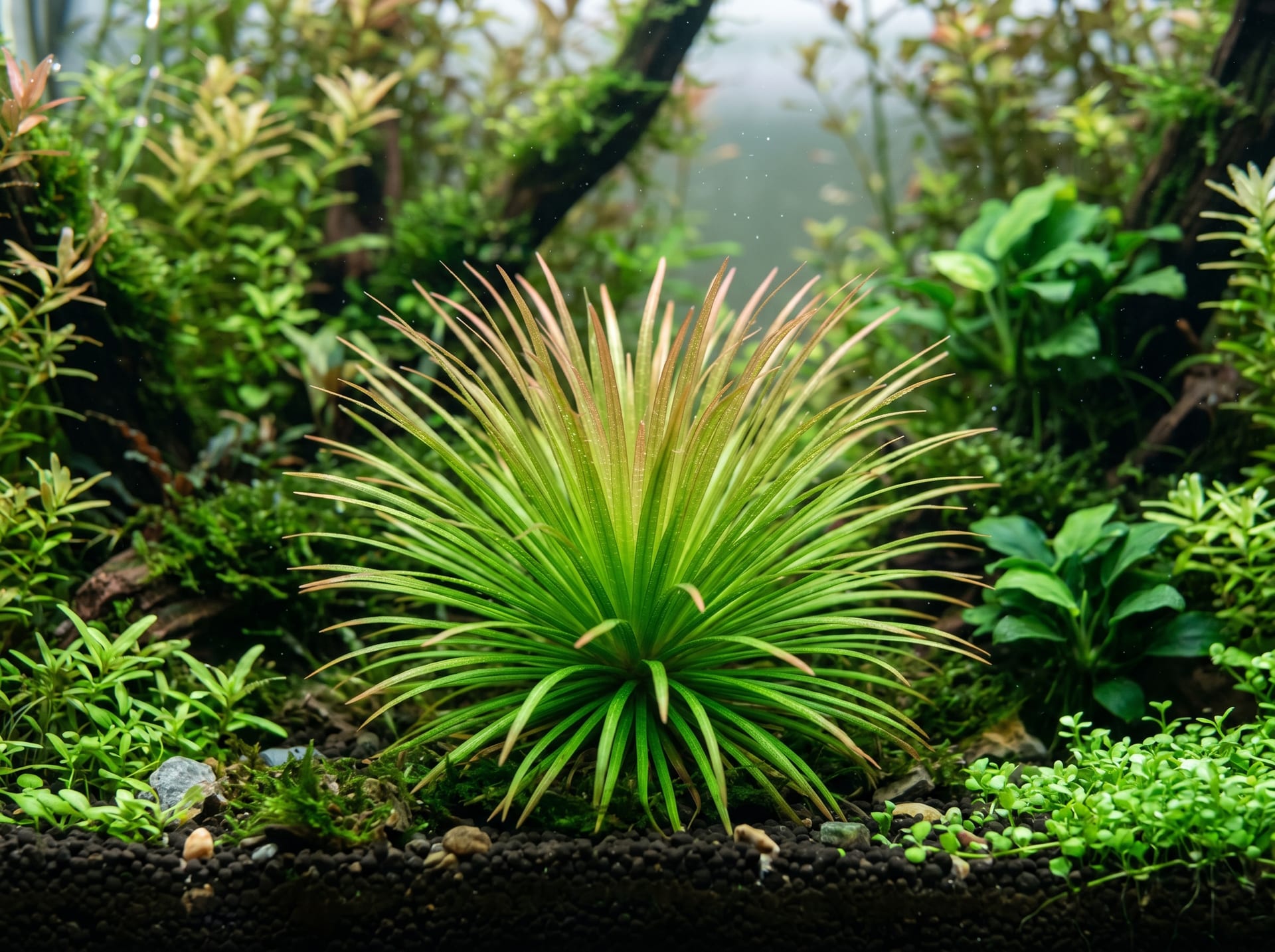
Blyxa japonica
Blyxa japonica
Beautiful rosette plant native to Japan. Thin leaves spread radially, adding movement to midground layouts. Takes on reddish hue with CO2 — very attractive.
 © Krzysztof Ziarnek, Kenraiz / CC BY-SA 4.0
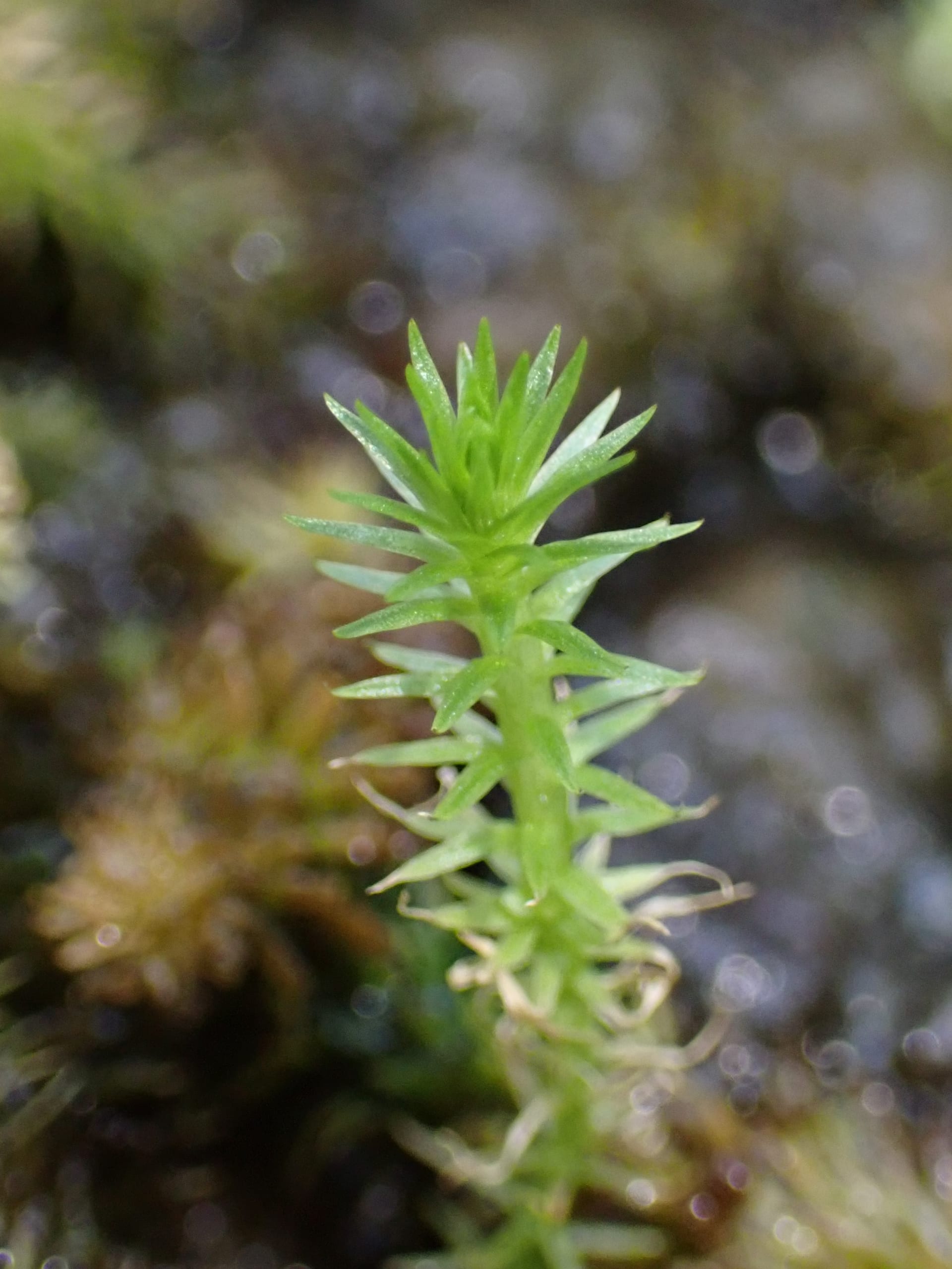
Bog moss
Mayaca fluviatilis
A moss-like stem plant with very narrow, bright green leaves set spirally and densely on soft, pale stems. It ranges from the south-eastern United States to South America, and its tips quickly turn pale when iron runs short.
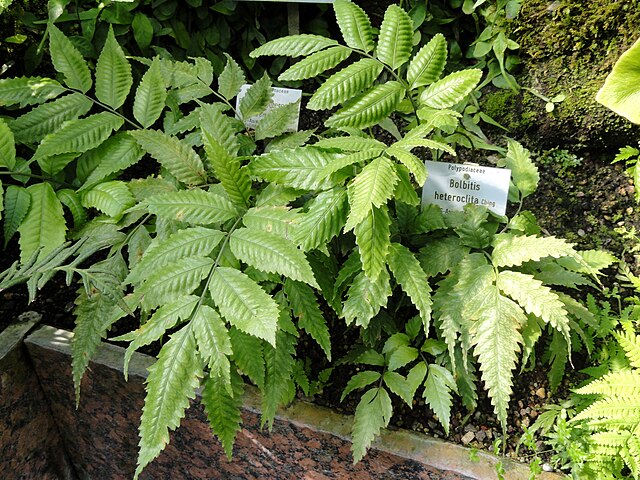 © Daderot / Public domain
Bolbitis
Bolbitis heudelotii
Fern with beautiful deeply lobed dark green leaves. Epiphytic, attached to driftwood. Creates mature, refined aquascape.
Related Content
Aquatic Plant FAQ
- How much do aquatic plants cost?
- Common Rotala and Anubias cost 300-1,000 yen, Bucephalandra 1,000-5,000 yen, and rare wild-collected specimens 5,000-20,000+ yen depending on species.
- Can beginners grow aquatic plants?
- Anubias Nana and Java Moss require no CO2 injection and grow in low light, making them ideal for beginners. Start with hardy shade-loving plants.
- What equipment is needed for aquatic plants?
- A tank, LED light, filter, and aqua soil are the basics. For advanced layouts, CO2 injection and high-performance lighting significantly improve growth and coloration.
- What should I check when buying aquatic plants?
- Ensure leaves are green and healthy, not melting or dying, and free of snails or pests. Tissue-cultured cups are pest-free and reliable.
- Why do aquatic plants die?
- Insufficient light, CO2, or nutrients are the main causes. Each species has different requirements, so matching the environment to your specific plants is essential.