Aquatic Plant Encyclopedia
Encyclopedia of popular aquatic plants with care guides, traits, and aquascaping tips.
Showing 9 of 127 species
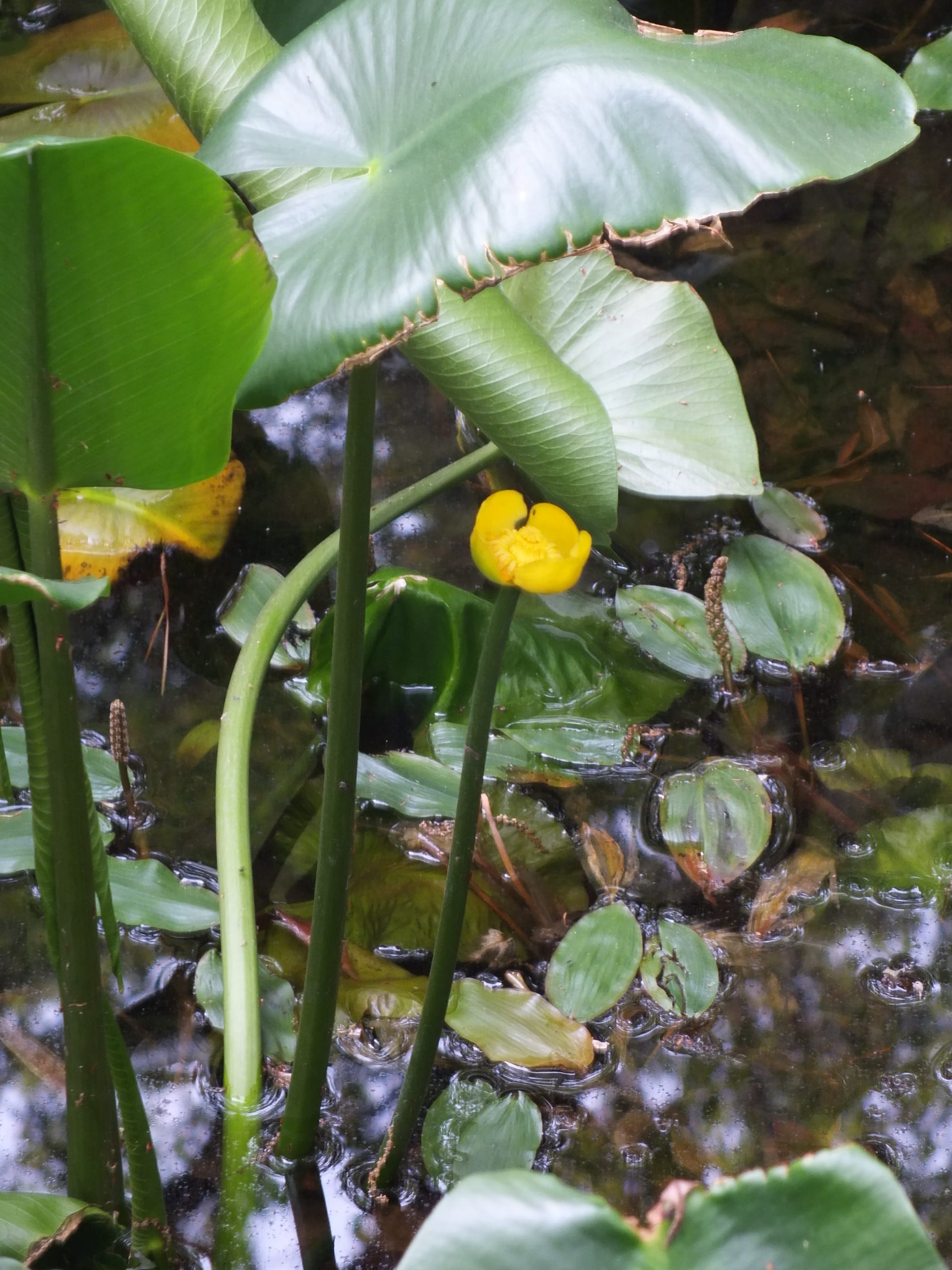 © 松岡明芳 / CC BY-SA 3.0
Japanese pond lily
Nuphar japonica
A Japanese aquatic plant that raises thick, arrow-shaped leaves above the water and bears yellow cup-shaped flowers in summer. Its name ('river bone') comes from the thick white rhizome. It has declined widely and is red-listed in many prefectures.
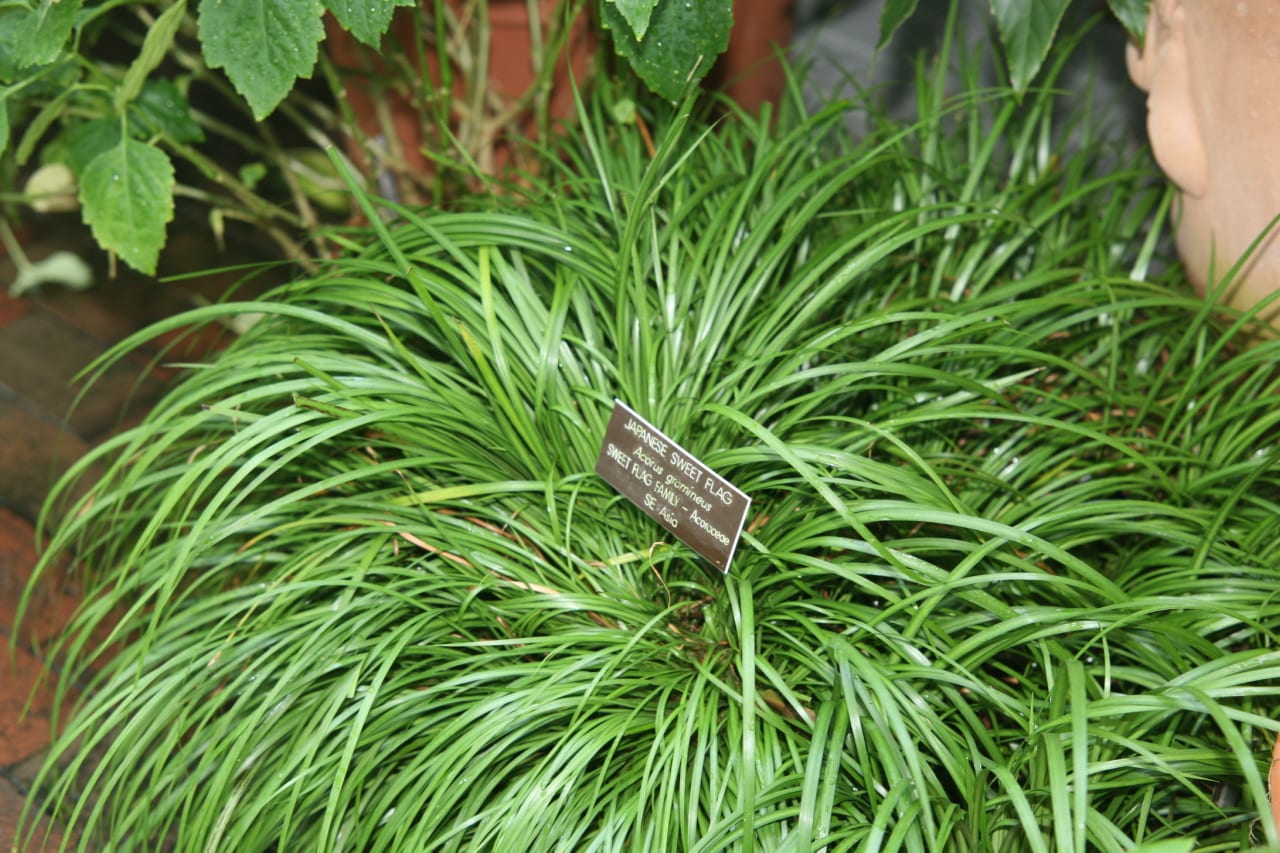 © Cliff / CC BY 2.0
Japanese sweet flag
Acorus gramineus
A Japanese native marsh plant that fans out narrow, sword-like leaves and forms colonies on rocky stream banks. Tough at the water's edge or in terrariums, but most forms decline when fully submerged; only dwarf cultivars cope under water.
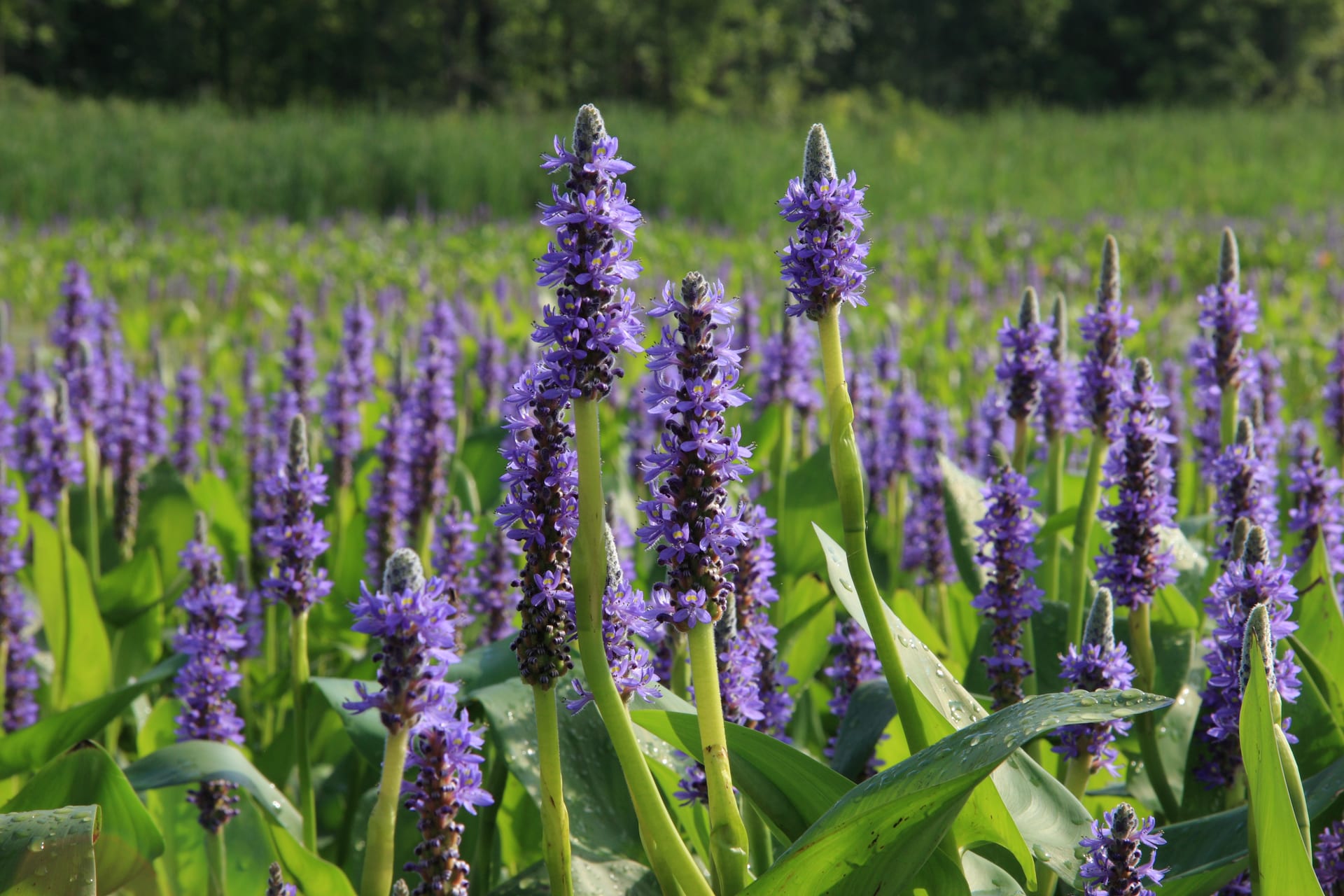 © Cephas / CC BY-SA 3.0
Pickerel weed
Pontederia cordata
A North American emergent plant (Japanese name Nagabamizuaoi) that holds glossy heart- to arrow-shaped leaves above the water and produces spikes of soft blue-violet flowers from June to October. Cold-hardy, it suits pond margins and large containers.
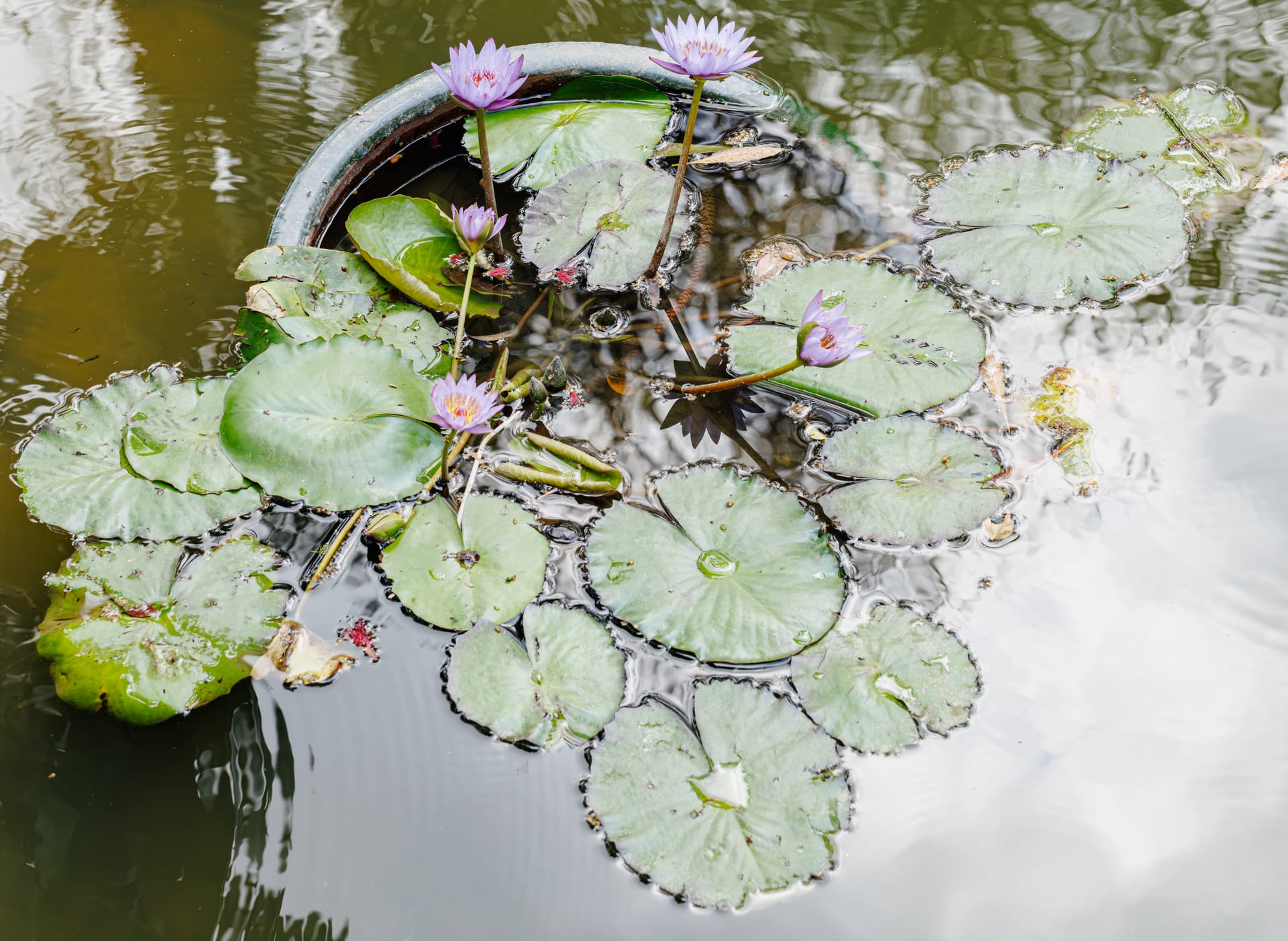 © Dinkun Chen / CC BY-SA 4.0
Pygmy water lily
Nymphaea tetragona
Japan's only native water lily, bearing small white flowers 3–7 cm across on the water surface, with red-purple leaf undersides. Its name refers to the 'hour of the sheep' (about 2 pm) when it is said to open. It has declined widely, so avoid wild-collected plants.
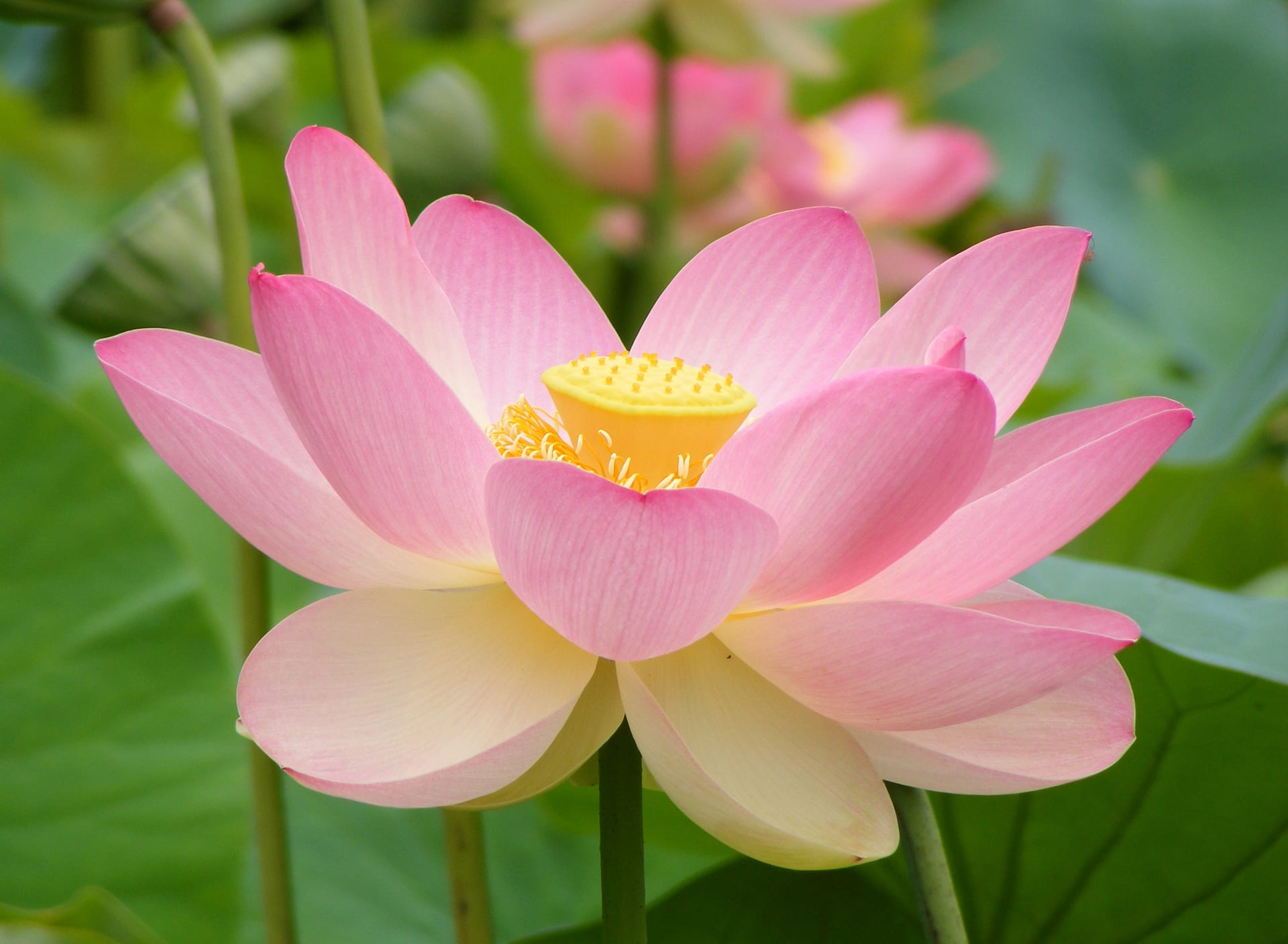 © Peripitus / CC BY-SA 4.0
Sacred lotus
Nelumbo nucifera
An aquatic plant that raises round, water-repellent leaves 40–50 cm across above the water and opens large white or pink flowers in summer. Its rhizome is the lotus root, and dwarf 'bowl lotus' cultivars can be grown in pots and jars.
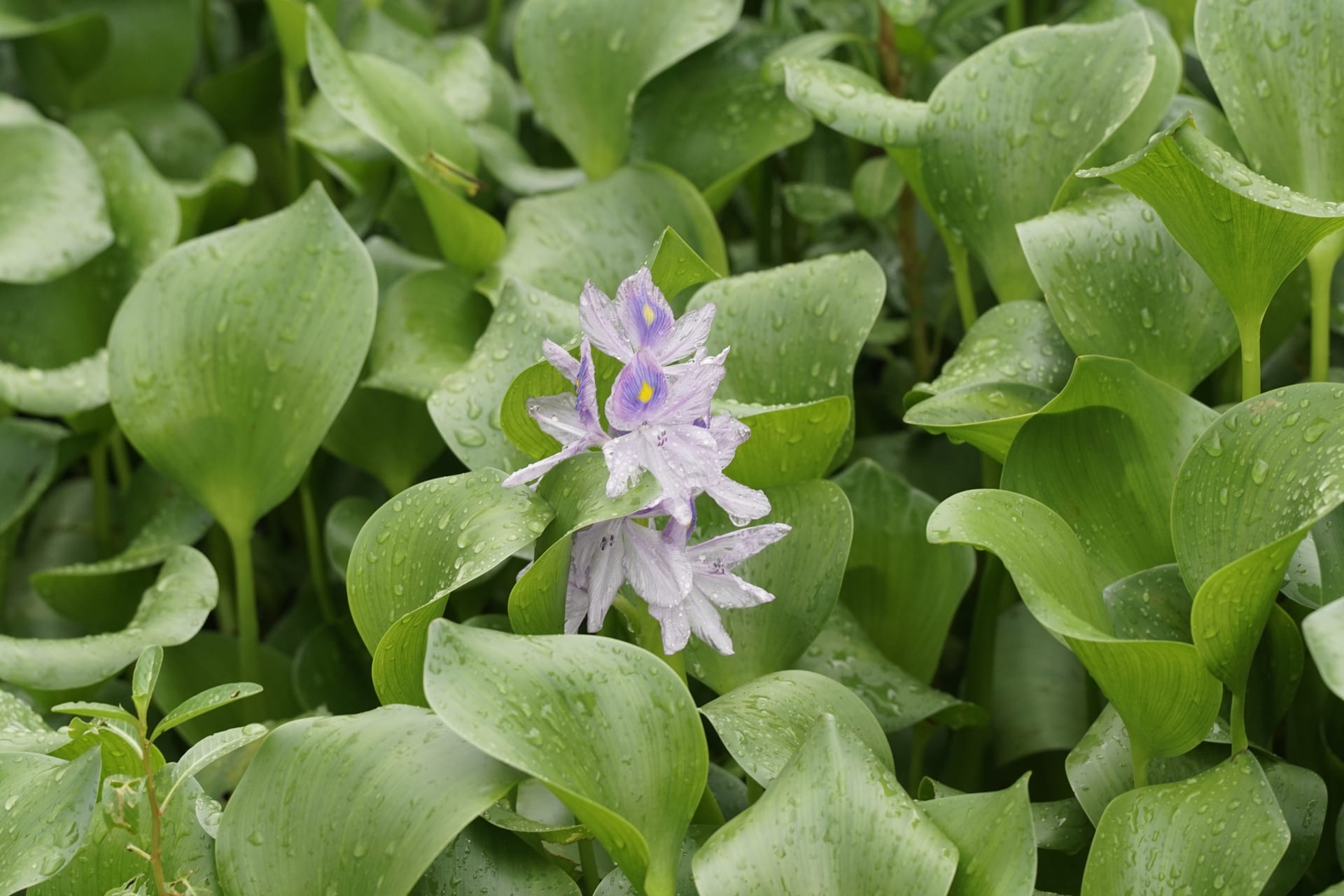 © Vengolis / CC BY-SA 4.0
Water hyacinth
Pontederia crassipes
A South American floating plant buoyed by swollen, bladder-like petioles, bearing pale violet flowers in summer. Extremely prolific and designated a Priority Control Alien Species in Japan, so it must never escape into outdoor waters.
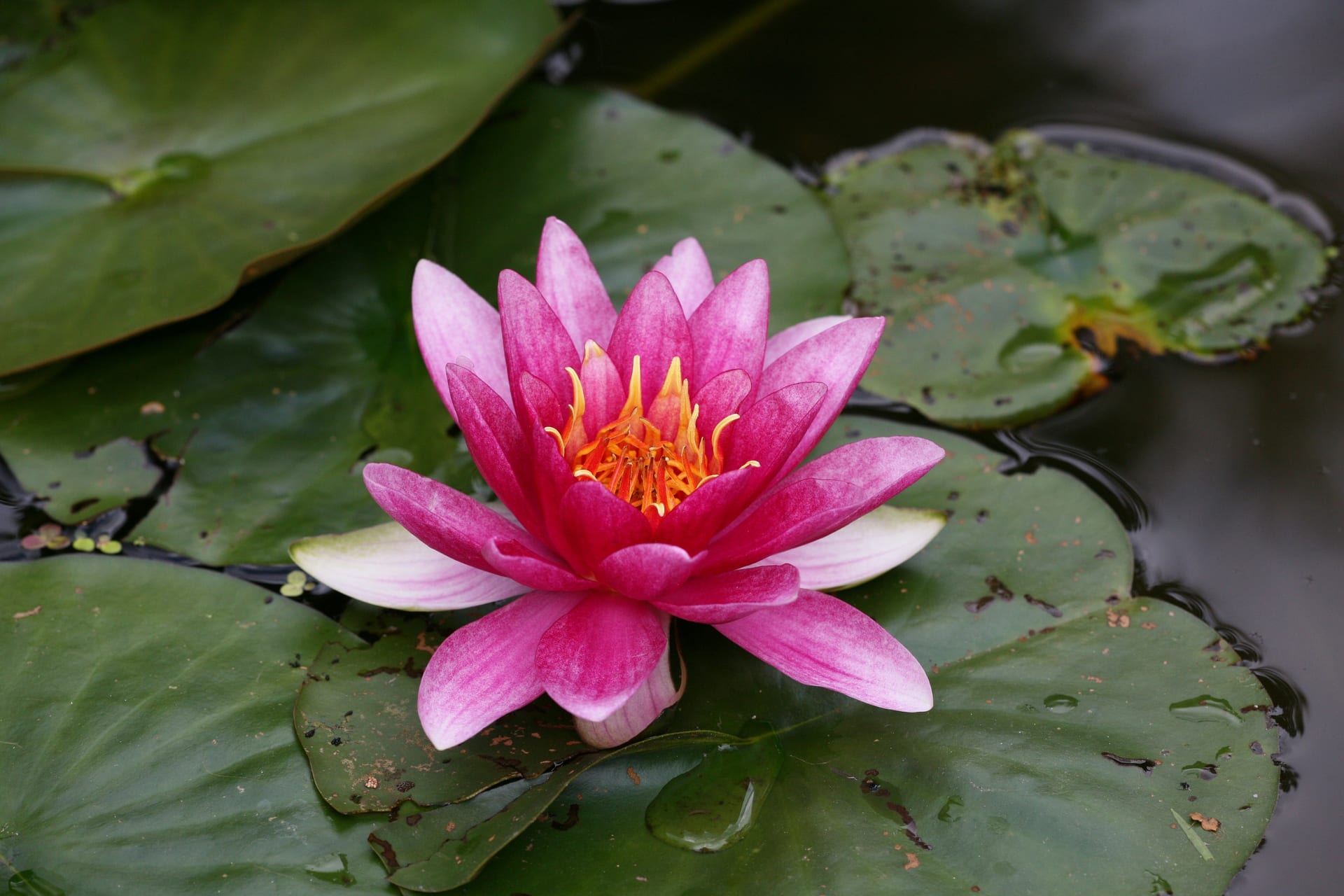 © Daniel Schwen / CC BY-SA 3.0
Water lily
Nymphaea spp.
The water lilies of the genus Nymphaea, with notched round leaves floating on the water and large flowers. They divide into cold-hardy temperate lilies and tropical lilies that hold blue or purple flowers above the water, with numerous hybrid cultivars.
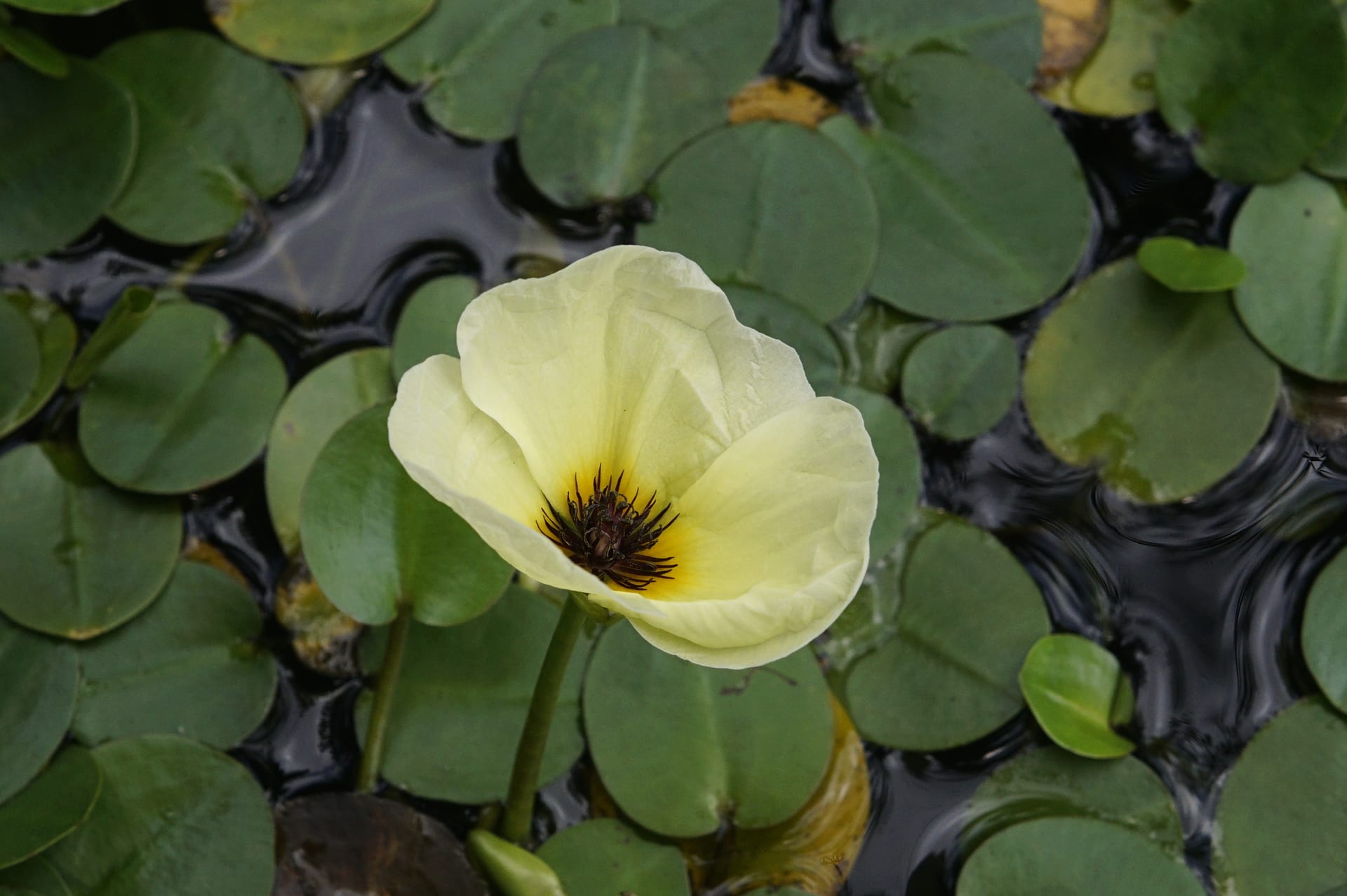 © Vengolis / CC BY-SA 4.0
Water poppy
Hydrocleys nymphoides
A South American floating-leaved plant with round leaves that produces a succession of one-day, poppy-like yellow flowers. Called mizuhinageshi in Japanese. Cold-sensitive and listed as an alien species under consideration for control, so keep it out of the wild.
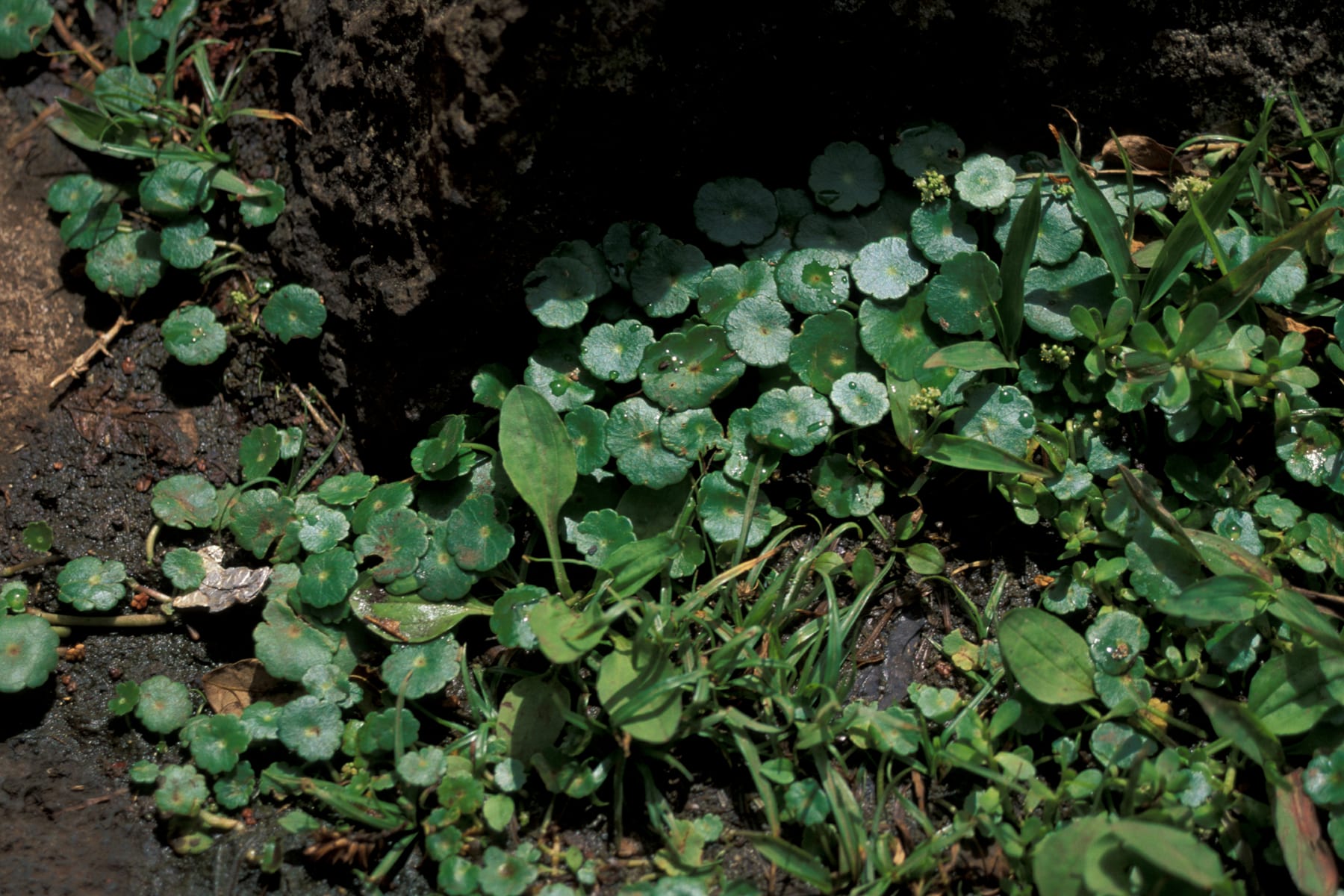 © Forest & Kim Starr / CC BY 3.0
Whorled pennywort
Hydrocotyle verticillata
A creeping marsh plant (Japanese name Uchiwazenikusa) with round, shield-shaped leaves on slender stalks. A biotope staple, but naturalised in Japan and listed as a Priority Control Alien Species. It is distinct from the Specified Invasive Hydrocotyle ranunculoides.
Related Content
Aquatic Plant FAQ
- How much do aquatic plants cost?
- Common Rotala and Anubias cost 300-1,000 yen, Bucephalandra 1,000-5,000 yen, and rare wild-collected specimens 5,000-20,000+ yen depending on species.
- Can beginners grow aquatic plants?
- Anubias Nana and Java Moss require no CO2 injection and grow in low light, making them ideal for beginners. Start with hardy shade-loving plants.
- What equipment is needed for aquatic plants?
- A tank, LED light, filter, and aqua soil are the basics. For advanced layouts, CO2 injection and high-performance lighting significantly improve growth and coloration.
- What should I check when buying aquatic plants?
- Ensure leaves are green and healthy, not melting or dying, and free of snails or pests. Tissue-cultured cups are pest-free and reliable.
- Why do aquatic plants die?
- Insufficient light, CO2, or nutrients are the main causes. Each species has different requirements, so matching the environment to your specific plants is essential.