Winter Care for Aquatic Plants | Overwintering Techniques for Unheated Tanks
For aquatic plant enthusiasts struggling with low winter water temperatures, we introduce techniques to help aquatic plants survive winter without a heater. We provide detailed explanations of cold-hardy aquatic plant species, insulation measures, CO2 and lighting adjustment methods, and even outdoor biotope overwintering techniques.
Key Takeaways
For aquatic plant enthusiasts struggling with low winter water temperatures, we introduce techniques to help aquatic plants survive winter without a heater. We provide detailed explanations of cold-hardy aquatic plant species, insulation measures, CO2 and lighting adjustment methods, and even outdoor biotope overwintering techniques.
Related Species
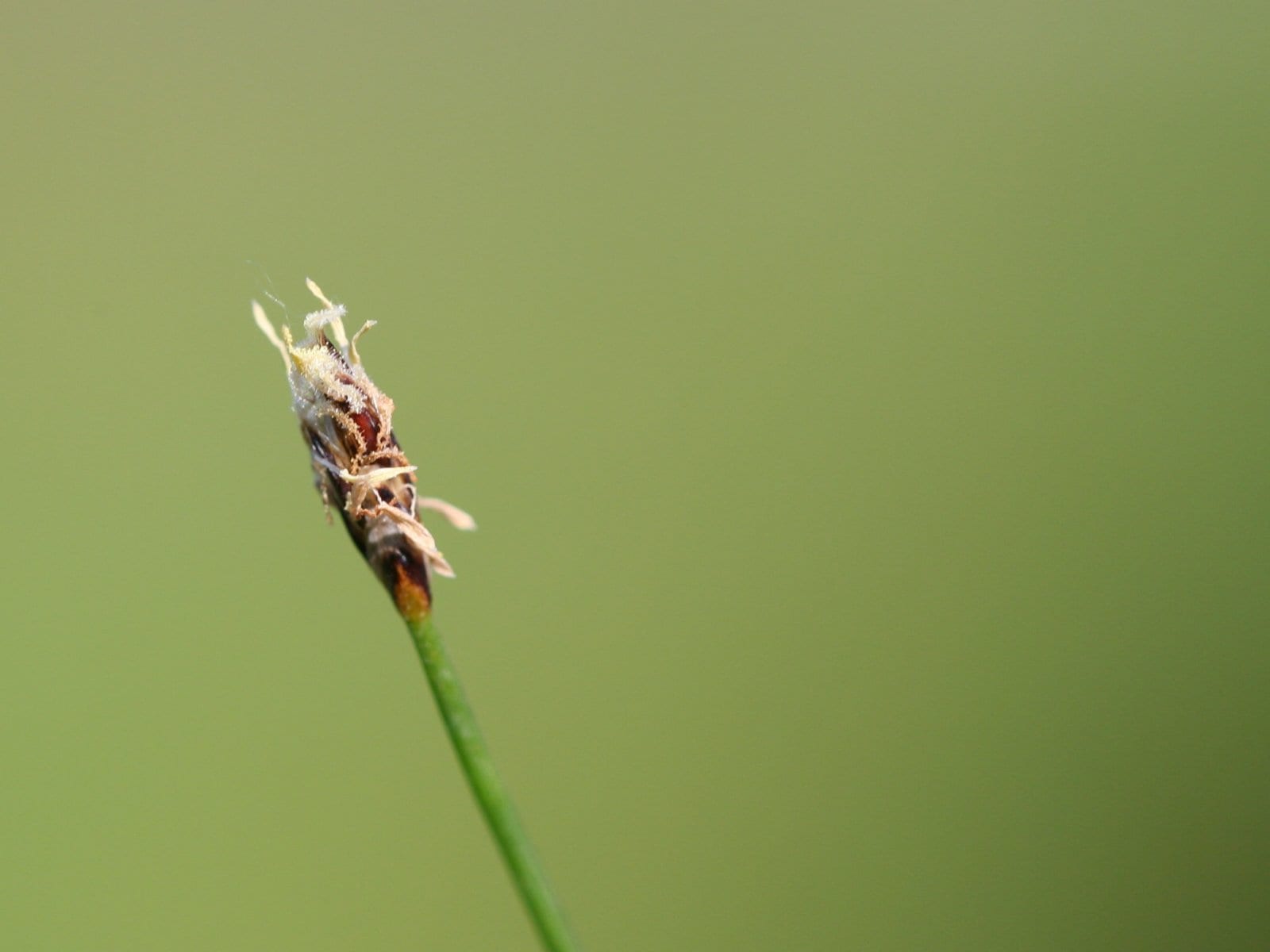
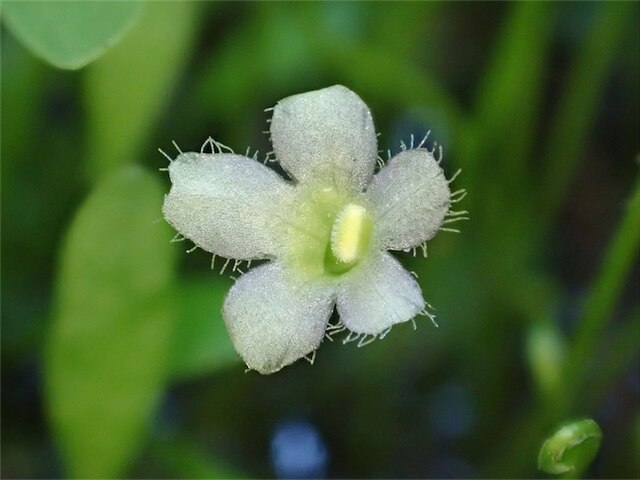
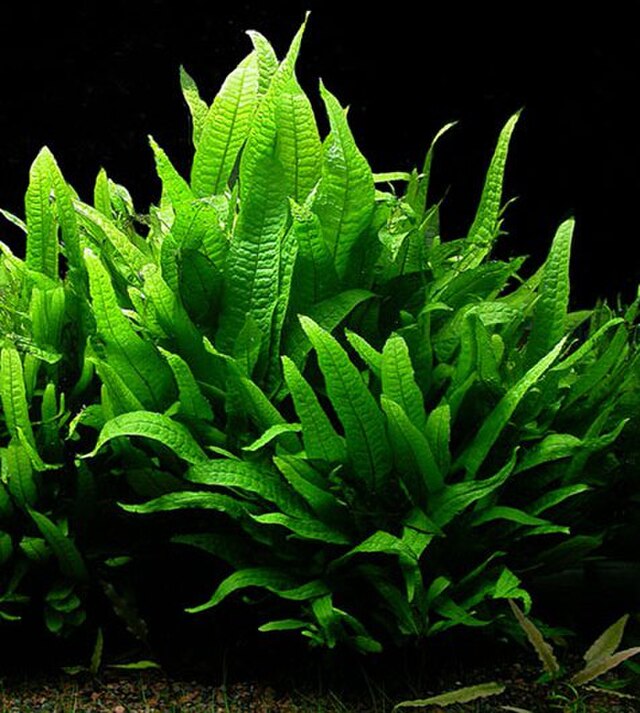
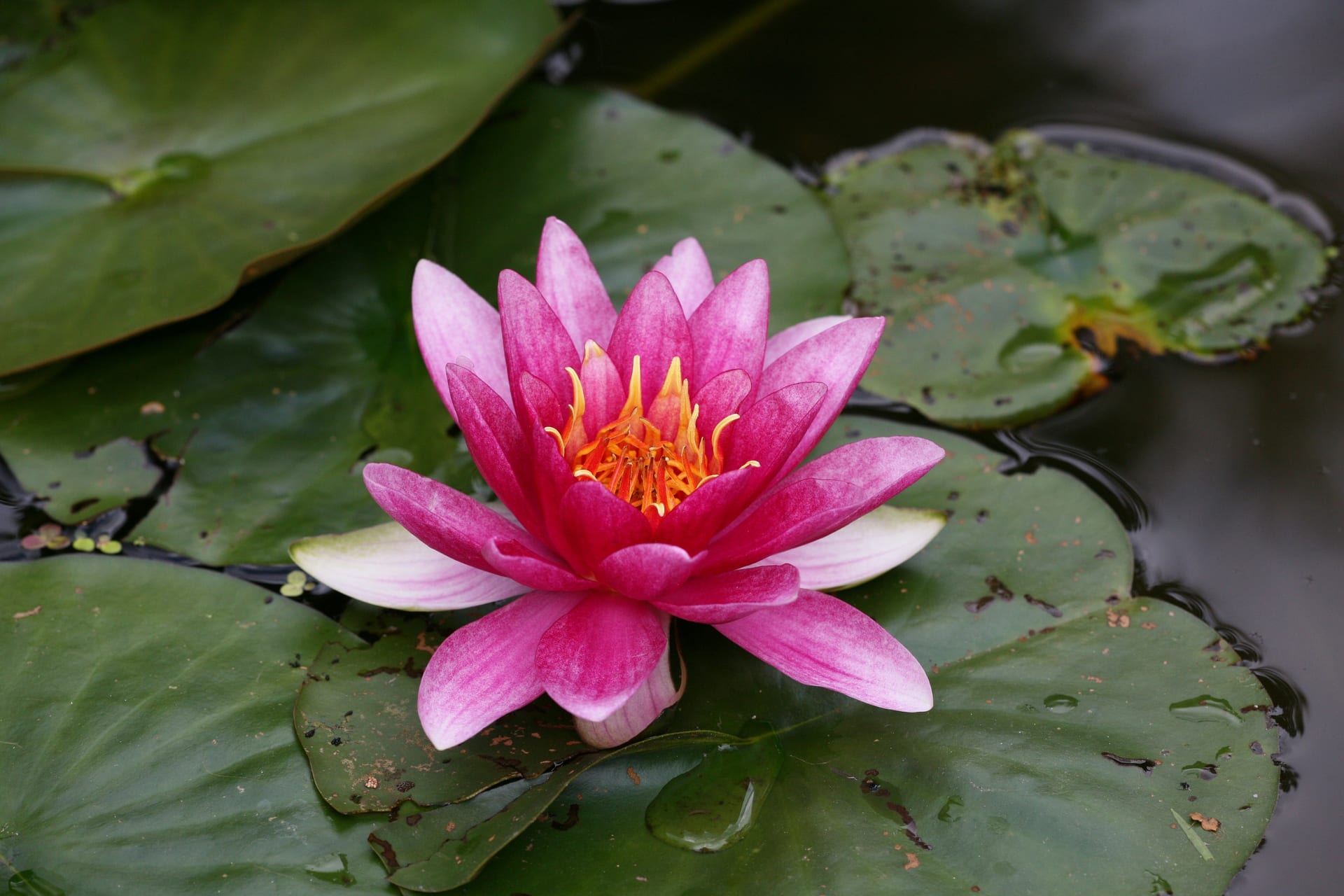
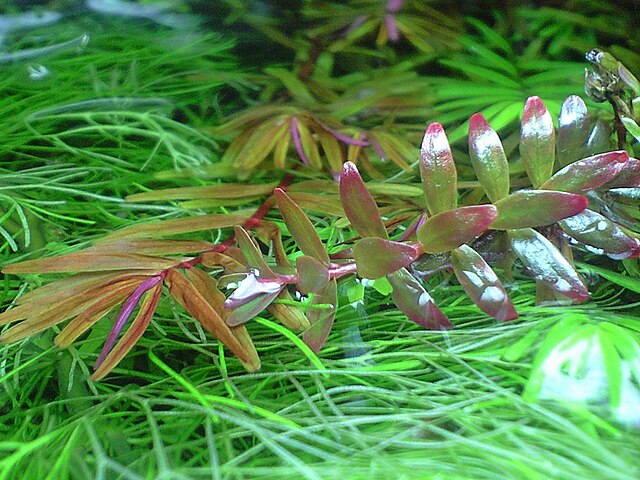
Will Aquatic Plants Survive Winter Without a Heater?
When winter arrives, water temperatures drop, bringing a difficult season for tropical aquatic plants. Many people wonder, "Do I need to buy a heater?" or "How should I manage my outdoor biotope?"
In fact, by selecting the right aquatic plant species and applying a few simple techniques, you can help your plants survive winter without a heater. We'll explain the management points for both indoor tanks and outdoor biotopes in a way that's easy for beginners to understand.
Choosing Cold-Hardy Aquatic Plants Is the Key
The first step in managing without a heater is "selecting cold-hardy aquatic plants." Aquatic plants range from tropical species to native species found in Japanese rivers and ponds, and cold tolerance varies greatly by variety.
Recommended Cold-Tolerant Aquatic Plants
- Willow Moss: A plant with exceptional cold tolerance that can survive even at around 5°C. Its high affinity for driftwood and rocks makes it easy for beginners to cultivate.
- Hornwort: A floating aquatic plant native to rivers throughout Japan. It has a proven track record of surviving outdoors and grows explosively in spring.
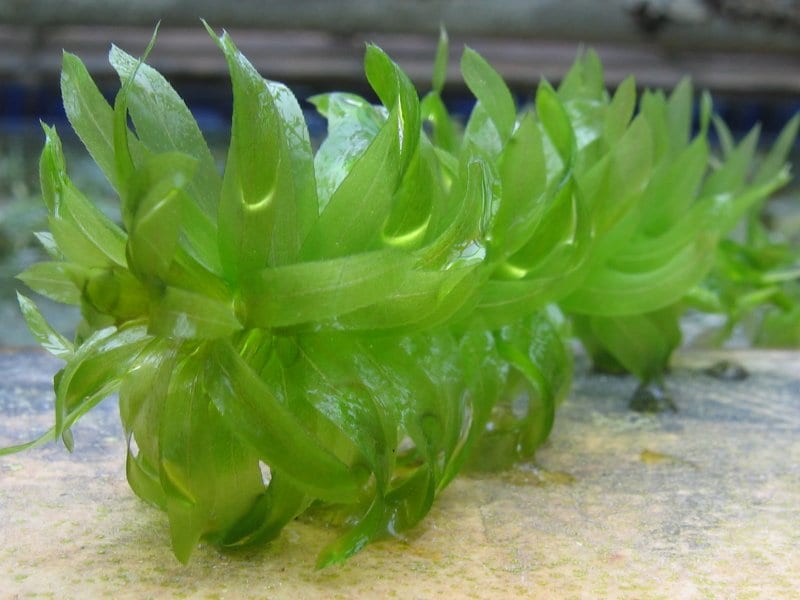
- Anacharis: A versatile species that tolerates both low and high temperatures. Its appeal lies in its ease of care, as it grows whether rooted or floating.
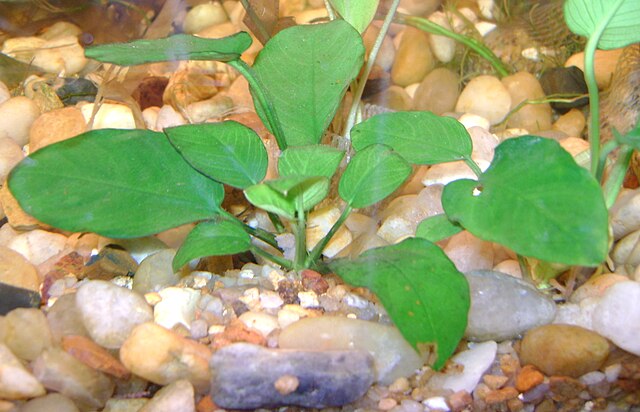
- Anubias Nana: A tropical aquatic plant native to West Africa with poor cold tolerance. It dies below 10°C and shows poor growth below 15°C. It is not suitable for unheated overwintering and requires a minimum temperature of 15-18°C.
- Microsorum: An attachment-type aquatic plant that can be stably maintained at around 15°C. It is also shade-tolerant and requires minimal care.
- Vallisneria: Can survive winter at around 10°C if well-established roots. Its vigorous reproduction through runners is also appealing.
On the other hand, stem plants and foreground plants from tropical origins like Rotala, Glossostigma, and Hair Grass gradually decline when water temperature drops below 18°C. Maintaining these in a non-heated environment is difficult, so switching to the above-mentioned cold-hardy species just for winter is also a wise choice. For those who want to rearrange the layout around cold-hardy species, 10 Beginner-Friendly Aquatic Plants That Grow Without CO2 is also helpful.
Insulation and Heat Retention Techniques for Indoor Tanks
To reduce water temperature decline without a heater, insulation and environmental settings are important. Combining several measures can increase heat retention. If you want to systematically understand water temperature management itself, also check Complete Guide to Water Temperature Management for Aquatic Plant Tanks.
Protect the Tank with Insulating Materials
- Attaching polystyrene boards to the back and sides of the tank makes it harder for cold from outside to transfer. They are inexpensive and available at hardware stores.
- Place a tank insulation mat on the bottom to block cold air from the floor.
- Keeping the lid (glass or acrylic cover) tightly closed significantly reduces heat loss from the water surface.
Tank Placement and Water Volume Considerations
- Windows directly receive outside temperature influence, so place the tank away from windows.
- The more water volume, the slower the temperature change, so using a larger tank is preferable.
- Simply placing the tank in a heated living room or bedroom can significantly prevent daytime water temperature drops.
- Sudden nighttime cooling causes the most damage, so be mindful to keep minimum room temperature above 15°C.
Combining these measures, you can adequately maintain cold-hardy aquatic plants in a typical heated indoor environment.
Preparing Outdoor Biotopes for Winter
For those enjoying outdoor biotopes such as medaka bowls, water lily ponds, or livestock troughs, it's important to begin winter preparation in autumn. To avoid scrambling when it suddenly gets cold, check off items in a checklist format. If you want to reconsider the layout from scratch, also refer to Aquatic Plants for Outdoor Biotopes | Natural Layouts for Coexistence with Medaka.
Winter Preparation Starting in Autumn
- Trim leaves and stems that are beginning to wither and reduce organic matter in the water.
- Ensure at least 15cm minimum water depth so the bottom does not freeze solid.
- Wrap polystyrene or insulation material around the container for heat retention.
- Install a corrugated panel or polystyrene cover to protect against frost.
- Cover with netting to prevent fallen leaves and snow from entering.
Aquatic Plants Suitable for Outdoor Overwintering
- Hornwort and Anacharis: Enter dormancy underwater and regrow in spring. They can be left largely unattended.
- Water Bacopa: Even if the above-water parts die, the roots remain and sprout when it warms.
- Temperate Water Lilies: Will produce beautiful flowers the following year if the tubers don't freeze. Cultivation tips are explained in detail in How to Grow Water Lilies | Aquatic Plant Cultivation and Management for Pots and Biotopes.
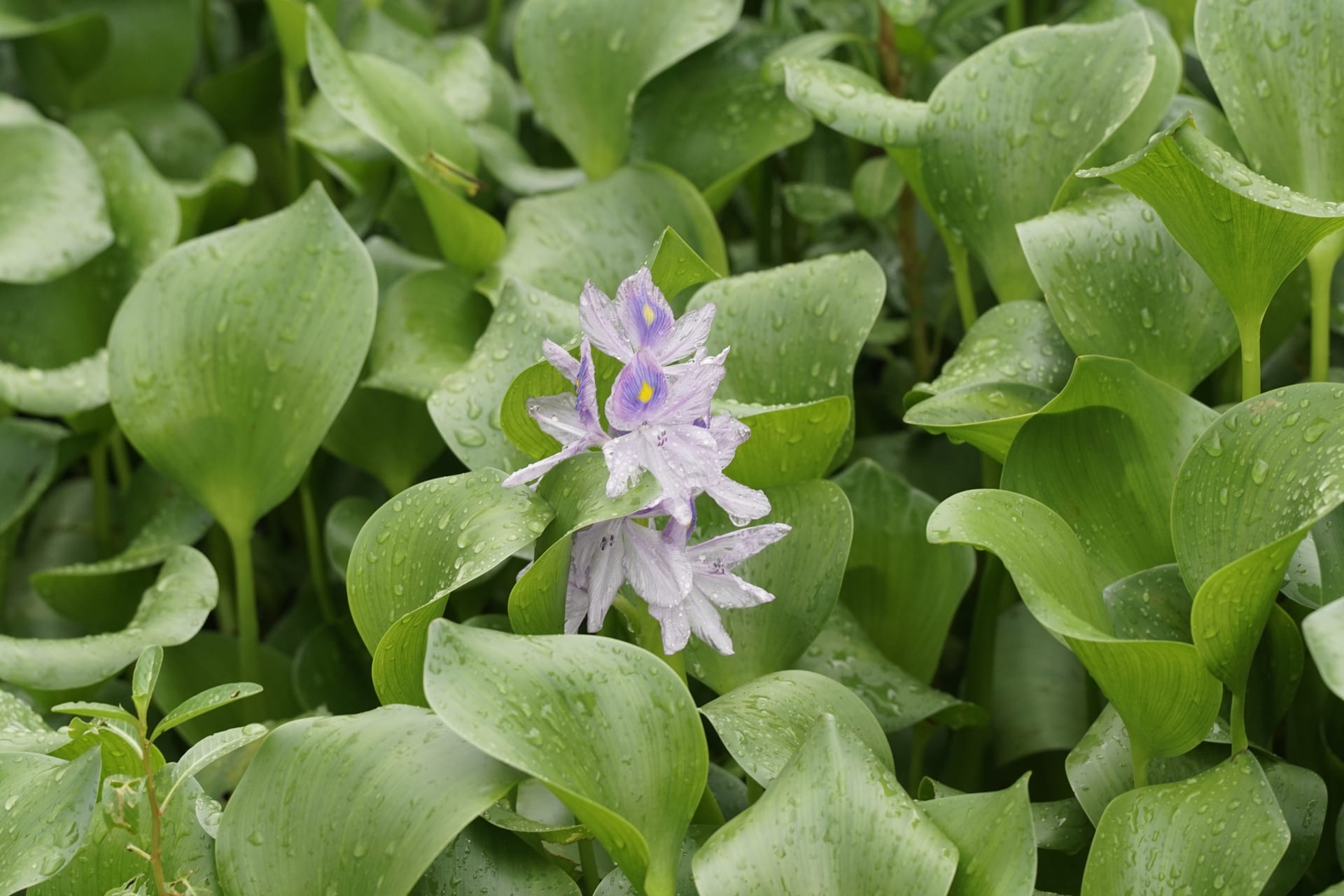
- Water Hyacinth: Some may survive winter in warm regions, but purchasing new seedlings in spring is the surest approach.
In cold regions (Kitakanto northward or mountainous areas), moving part of the plants to indoor containers to be managed as "insurance plants" can prevent total loss in case of emergency.
Winter Management of Lighting, Fertilizer, and CO2
In cold environments, aquatic plant metabolism slows and growth speed significantly decreases. Continuing summer management practices can lead to algae growth or root rot, so it's important to reduce management intensity in winter.
| Management Item | Summer Guideline | Winter Guideline |
|---|---|---|
| Lighting duration | 8-10 hours | 6-7 hours |
| Liquid fertilizer amount | Normal amount | 1/3 to stop |
| CO2 addition | As needed | Basically unnecessary |
| Water change frequency | Once a week | About once every 2 weeks |
The reason for reducing lighting duration is that oversupplying energy to slow-growing aquatic plants causes algae to flourish. The key is not to reduce light intensity but to shorten the lighting duration.
Keep fertilizer to a minimum. Since roots aren't growing enough to absorb fertilizer, overfeeding liquid fertilizer causes water quality degradation and algae growth. In winter when plants grow slowly, "not feeding" is also important care.
Summary | Key Points for Unheated Overwintering and Tips for Aquatic Plant Selection
Unheated overwintering for aquatic plants is achievable with proper species selection and a few simple techniques. Let's summarize the key points.
- Selecting cold-hardy species (Willow Moss, Hornwort, Anacharis, etc.) is the first condition for success.
- For indoor tanks, use polystyrene, insulation mats, and covers to minimize heat loss.
- For outdoor biotopes, complete water depth maintenance and frost protection measures in autumn.
- In winter, reduce management intensity by shortening lighting duration and reducing fertilizer amounts.
- In cold regions, it's reassuring to bring some plants indoors as insurance plants.
When you're unsure about selecting aquatic plants, try consulting with GrowerDirect's aquatic plant growers. They may be able to suggest varieties suited to your region's climate or winter survival sets for biotopes. Meeting the right aquatic plants is the first step to a rich aquarium life.