Aquatic Plant Tank Water Temperature Management Complete Guide | Seasonal Strategies and Finding Optimal Temperature
Practical guide to aquatic plant tank water temperature management by season. Covers summer heat countermeasures, winter heater management, temperature ranges for different plant species, and year-round best practices.
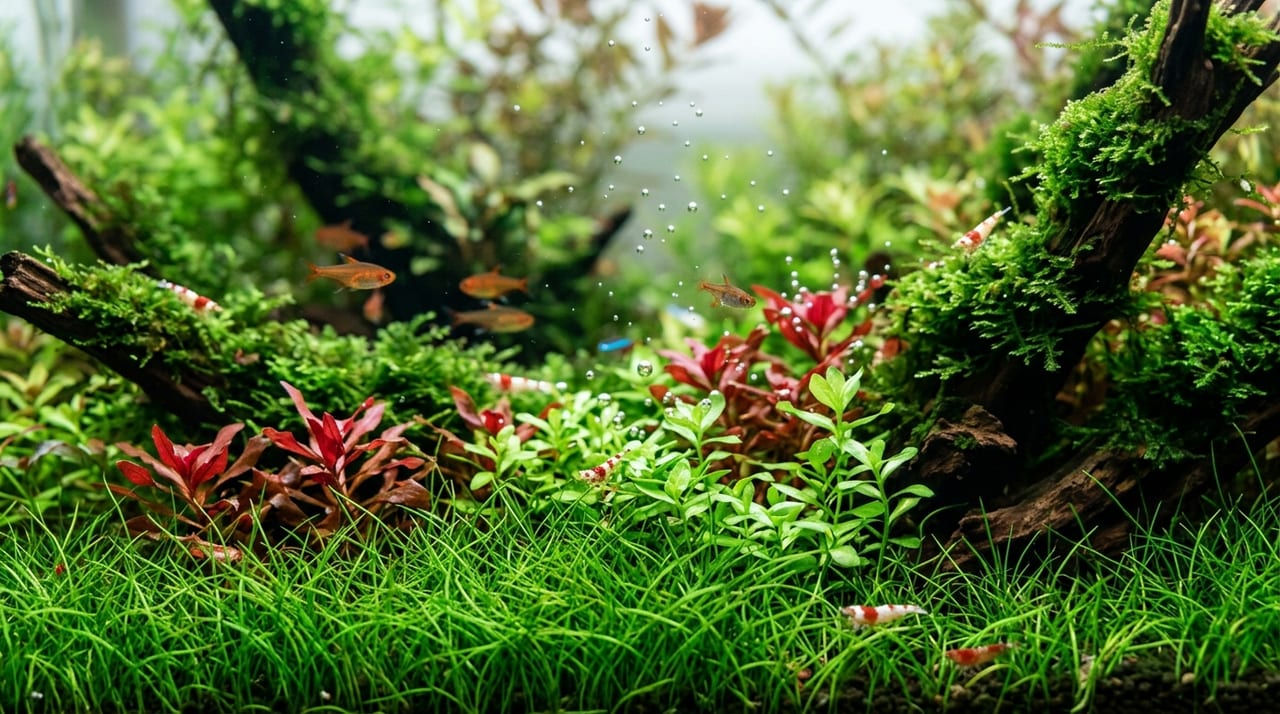
Key Takeaways
Practical guide to aquatic plant tank water temperature management by season. Covers summer heat countermeasures, winter heater management, temperature ranges for different plant species, and year-round best practices.
Related Species
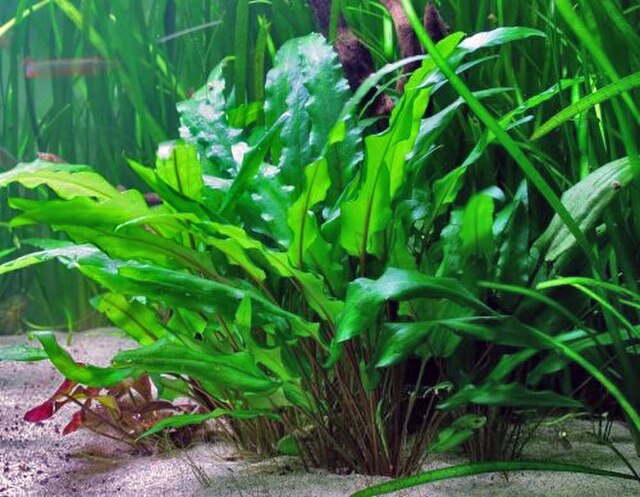
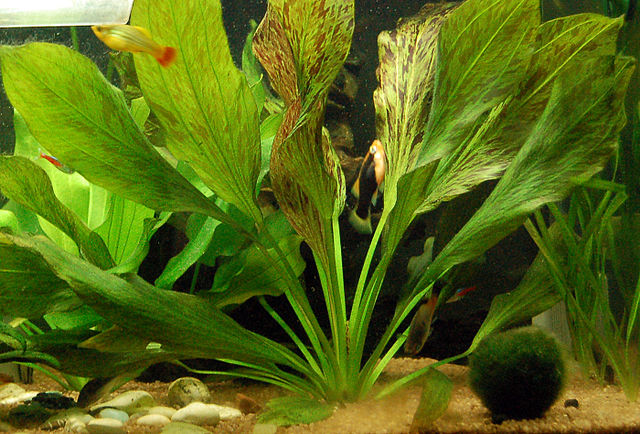
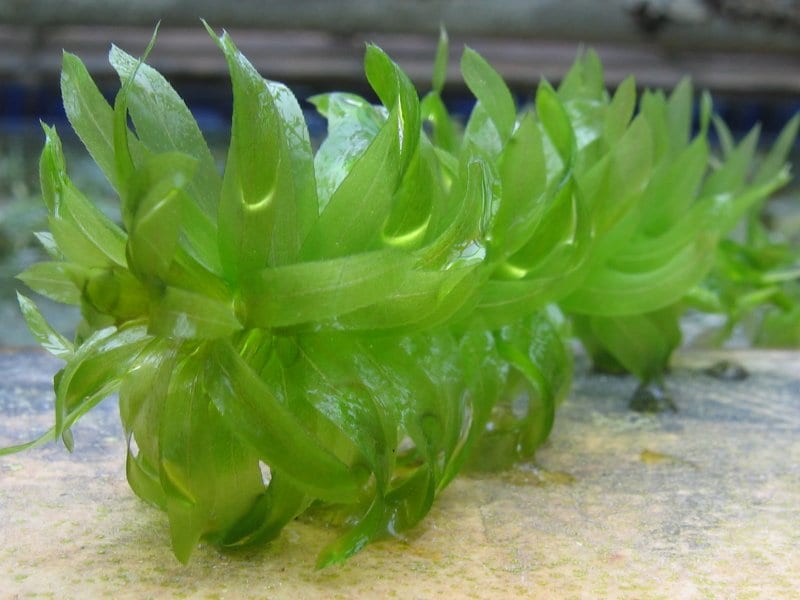
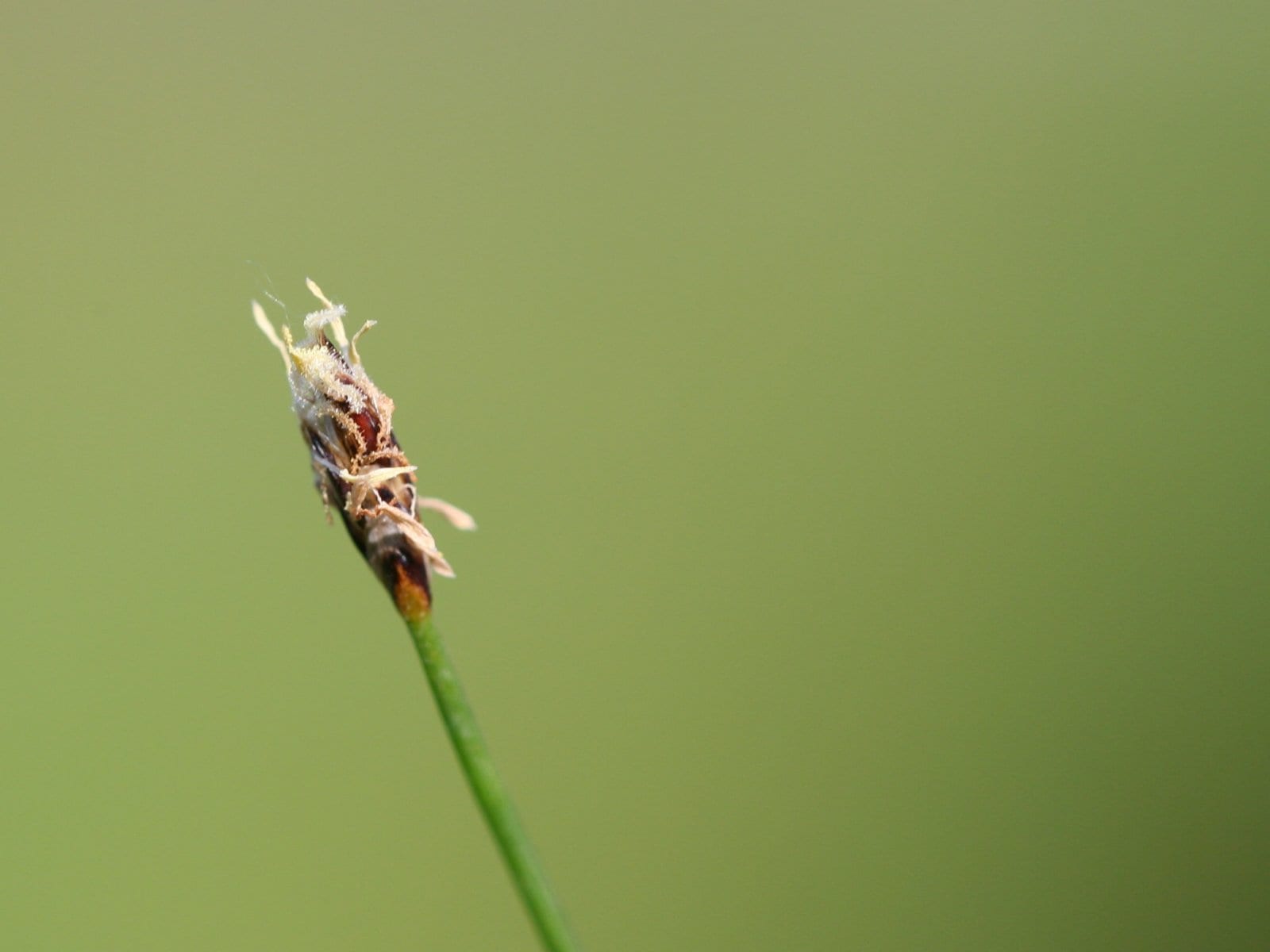
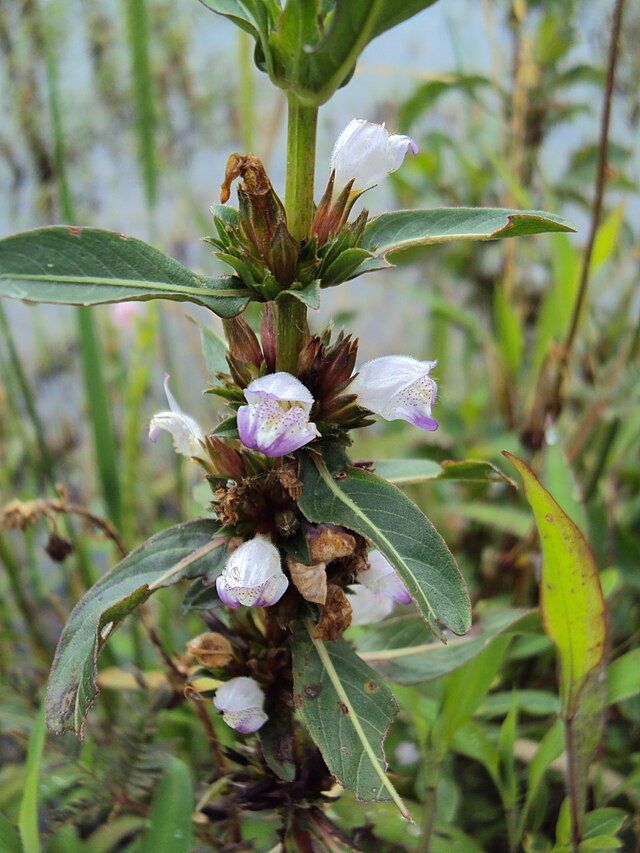
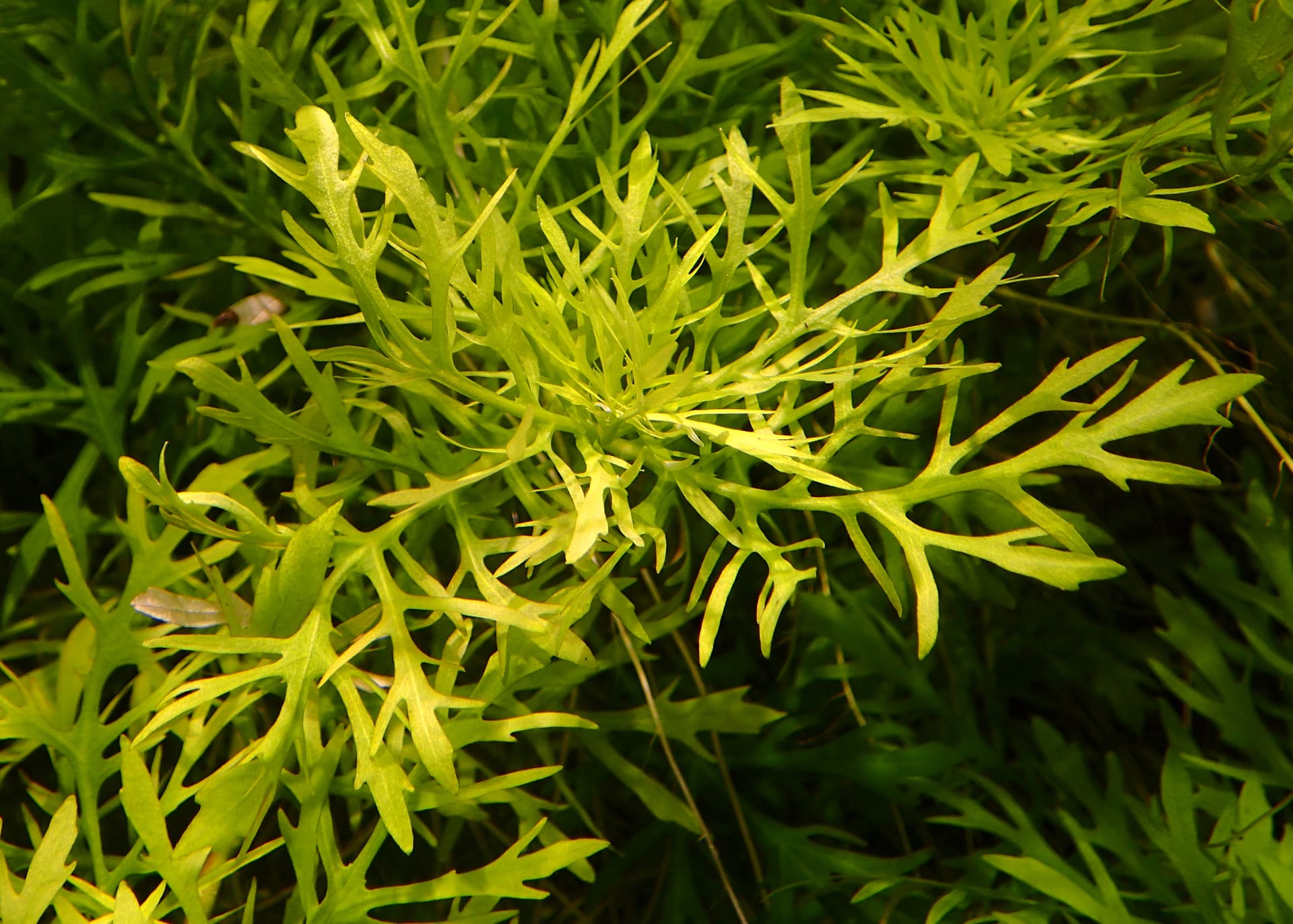
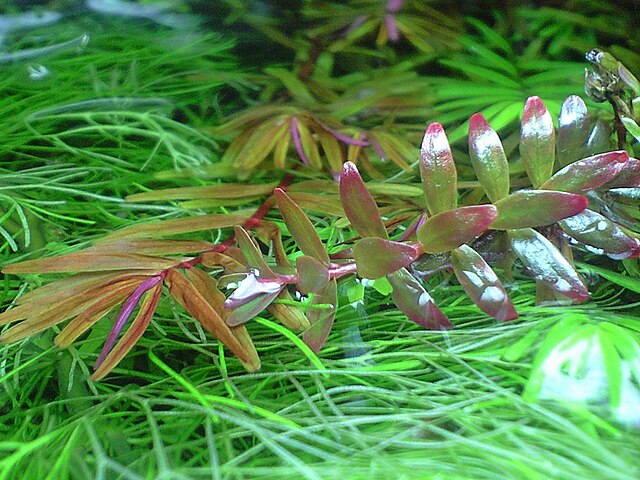
Maintaining a beautiful aquatic plant tank requires proper water temperature management, which is as crucial as light intensity and CO2 supplementation. Aquatic plants are sensitive to temperature changes, and deviations from optimal temperatures can halt growth, cause leaf melt, trigger excessive algae growth, and create various other problems. This article comprehensively explains practical knowledge ranging from seasonal-specific strategies to differences in optimal temperatures depending on plant species.
Why Is Water Temperature Management Important for Aquatic Plant Tanks?
Aquatic plant physiological activities are heavily influenced by water temperature. All metabolic reactions essential to life—photosynthesis, respiration, and nutrient absorption—occur through enzyme activity, which is determined by temperature.
Within the optimal temperature range, enzymes function efficiently, allowing aquatic plants to photosynthesize actively and develop beautiful new growth. Conversely, high temperatures denature enzymes and cause them to lose function, while low temperatures drastically slow reaction rates. In either case, plants enter a state where they are "alive but not growing" or "gradually declining."
Additionally, water temperature directly affects dissolved oxygen levels. As water temperature rises, the amount of oxygen that can dissolve in water decreases, making high-temperature conditions harsh not only for aquatic plants but also for bacteria and fish. Proper water temperature management in an aquatic plant tank not only protects plants but also stabilizes the ecosystem of the entire tank.
Aquatic Plant Species and Optimal Temperature Guidelines
Aquatic plants can adapt to different temperature ranges depending on their native habitat. They can be broadly classified into the following groups:
Tropical Aquatic Plants (Optimal Range: 24–28°C)
Species native to the Amazon River basin and Southeast Asia are the most commonly used in aquatic plant tanks.
- Rotala species (Rotala indica, Rotala rotundifolia, etc.)
- Hygrophila species
- Echinodorus species (Amazon sword, etc.)
- Cryptocoryne species
These grow best around 25°C. Growth begins to slow above 28°C, and the risk of melting or withering increases dramatically above 30°C.
Temperate to Subtropical Aquatic Plants (Optimal Range: 20–25°C)
Species preferring slightly cooler water temperatures.
- Vallisneria species
- Anacharis (Canadian waterweed)
- Water wisteria
These are easy to maintain year-round in typical indoor environments in Japan and are beginner-friendly. However, conditions can deteriorate rapidly in summer when temperatures exceed 28°C.
Cold-Adapted Aquatic Plants (Optimal Range: 15–22°C)
Some species like willow moss and certain hairgrass varieties (Eleocharis) can grow in cool conditions but tend to struggle in high temperatures. Willow moss in particular shows slowed growth above 25°C and may melt above 28°C, requiring careful management during summer.
Summer Heat Countermeasures | The Aquatic Plant Tank's Greatest Challenge
Japanese summers are a trial for aquatic plant tanks. Without air conditioning, indoor water temperatures frequently exceed 30°C, and without proper countermeasures, plants will melt one after another. For detailed steps on summer care strategies, see Aquatic Plant Summer Care.
Installing an Aquarium Chiller
The most reliable method is using a dedicated aquarium chiller. By maintaining a set temperature continuously, stable water temperature management is possible even in peak summer. While the initial cost is high, it is a worthwhile investment in the long term that minimizes damage to plants and fish. For 60cm tanks, several compatible models are available starting around ¥20,000–30,000.
Using Cooling Fans
To keep costs down, aquarium cooling fans are effective. They lower water temperature through evaporative cooling from air blown across the water surface, typically providing 3–5°C of cooling below ambient temperature. However, evaporation leads to water loss, requiring frequent water top-ups. Additionally, their effectiveness becomes limited during extreme heat when outside temperatures exceed 33°C.
Room Temperature Control with Air Conditioning
Running an air conditioner in the room where the tank is located provides indirect water temperature control. Setting room temperature to 26–27°C will typically keep water temperature around 25–27°C. While this increases electricity costs, combined use with an aquarium chiller achieves the most stable environment.
Lighting Adjustments
Lighting is a heat source. Switching from fluorescent or metal halide lamps to LEDs with lower heat output can reduce water temperature rise by 1–2°C. Additionally, reducing lighting duration or using timers to avoid lighting during the hottest daytime hours is effective.
Winter Low Temperature Countermeasures | Proper Heater Usage
Low water temperature in winter also inhibits aquatic plant growth. Tropical aquatic plants show noticeably slowed growth below 20°C, and many species enter dormancy or die if temperatures fall below 15°C. For winter-specific management points, see Aquatic Plant Winter Care alongside heater operation.
Selecting Thermostatic Heaters
For aquatic plant tanks, use integrated or separate-type heaters with thermostatic temperature control. Selecting appropriate wattage for tank size is essential; a general guideline is 2–3W per liter of water. For a standard 60cm tank (approximately 60L), a 120–180W heater is appropriate.
Heater Placement and Maintenance
Heaters placed where water current flows distribute heated water evenly throughout the tank. Ideal locations include near the filter outlet or in low areas with good water movement. Heaters are consumables and should be replaced every 2–3 years. Sudden winter heater failure can cause fatal damage to plants and fish overnight, so keeping a spare heater on hand is recommended.
Preparing for Water Temperature Changes
Special attention is needed during winter water changes due to temperature shock. Tap water is very cold, and performing large water changes can cause abrupt temperature drops that stress plants and fish. Warm water slightly in a bucket before use or adjust temperature with a mixing faucet before adding it to the tank. Basic water-change procedures can be found in Aquatic Plant Tank Water Change Complete Guide.
Year-Round Water Temperature Management Best Practices
Installing and Regularly Checking Thermometers
Regardless of type, a thermometer is essential and should be checked daily. A digital thermometer that records maximum and minimum temperatures allows you to monitor temperature fluctuations even when away.
Avoiding Sudden Temperature Changes
Aquatic plants dislike sudden temperature fluctuations most. Changes exceeding 5°C within a day cause stress, leading to leaf drop or melting. Pay attention to day-night temperature differences and aim to keep fluctuations within ±2°C if possible.
Care During Seasonal Transitions
Spring and autumn tend to have stable temperatures but can experience sudden weather changes. In early spring, turning off heaters at the wrong time can cause dramatic water temperature drops during unexpected cold spells. It is safest to keep heaters running until minimum temperatures consistently reach 15°C or higher.
Summary
Water temperature management in an aquatic plant tank is not a "set and forget" matter but requires ongoing daily observation and seasonal adjustments. Maintaining optimal temperature ranges allows aquatic plants to grow surprisingly beautifully and vigorously. In particular, prepare summer heat countermeasures early and have cooling equipment in place before the end of the rainy season.
A stable-temperature environment becomes a comfortable space not only for aquatic plants but also for fish and shrimp, enriching the tank's entire ecosystem. We encourage you to reference this article and practice proper water temperature management throughout the seasons.