CO2 Addition System Selection Guide for Aquatic Plant Tanks | Proper Use of Small Cylinders, Fermentation Method, and Solenoid Valves
Explanation of how to select a CO2 addition system for promoting aquatic plant growth. We introduce practical information about the characteristics and cost-effectiveness of small cylinders, large cylinders, and fermentation methods, the necessity of solenoid valves, types of diffusers and installation methods, and appropriate CO2 addition amounts.
Key Takeaways
Explanation of how to select a CO2 addition system for promoting aquatic plant growth. We introduce practical information about the characteristics and cost-effectiveness of small cylinders, large cylinders, and fermentation methods, the necessity of solenoid valves, types of diffusers and installation methods, and appropriate CO2 addition amounts.
Related Species
Basics and Necessity of CO2 Addition Systems
In aquatic plant cultivation, CO2 (carbon dioxide) addition is an important element for promoting photosynthesis and achieving healthy growth and vibrant coloration. In natural environments, the CO2 released by fish and bacteria is sufficient, but in aquascapes centered on aquatic plants, CO2 supply matched to light intensity and nutrients becomes essential. Whether the addition amount is appropriate can be confirmed by the "pearling" phenomenon, where oxygen bubbles emerge from the leaves. For detailed information on how to observe this, see the Aquatic Plant Bubbles (Pearling) Complete Guide.
CO2 addition systems are broadly divided into three types: "fermentation method," "small cylinder method," and "large cylinder method," and the optimal choice changes depending on tank size, budget, and maintenance frequency. Additionally, the combination of peripheral equipment such as solenoid valves, regulators, and diffusers is also important. In this article, we explain the characteristics of each system and key points for proper selection.
Fermentation Method CO2 System | Budget-Friendly Entry-Level Option
The fermentation method is the most inexpensive approach, generating CO2 through fermentation using sugar and yeast. Initial costs start at around 1,000 yen and require no power supply, making it suitable for small tanks 30 cm or smaller or for beginners who want to "try it first."
Advantages include overwhelmingly low initial costs and no need to replace cylinders. In addition to commercial kits, you can also make your own using a plastic bottle and fermentation liquid.
Disadvantages include that CO2 generation is affected by temperature and fermentation state, making stable control difficult. Since fermentation continues at night, there is a risk that CO2 concentration will rise too high and harm aquatic organisms. Additionally, the fermentation liquid needs to be changed every 1-2 weeks, and with long-term operation, running costs and maintenance burden become surprisingly large.
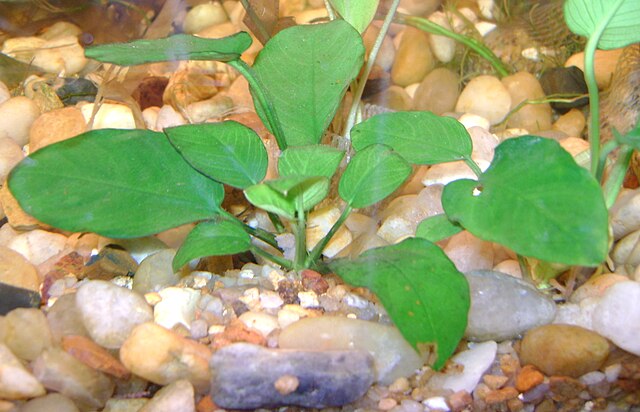
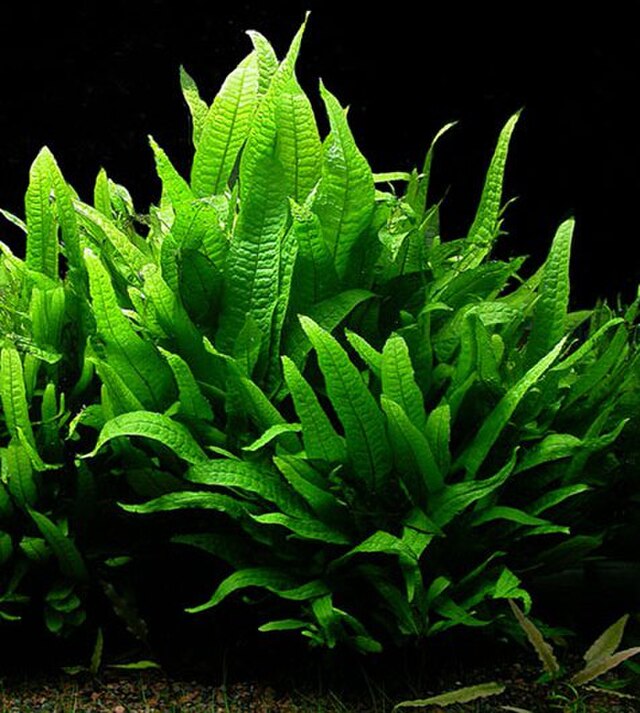
When using the fermentation method, it is practical to combine it with low-light aquatic plants (such as Anubias nana, Microsorum, etc.) that can grow with minimal CO2 addition, or to use it in tanks with lower bioload.
Small Cylinder Method | The Standard System Balancing Stability and Convenience
The small cylinder method (using 74g/95g cylinders) offers greater stability than the fermentation method and is more convenient than large cylinders, making it the most widely supported system from beginners to intermediate users. Initial costs are around 5,000 to 15,000 yen, and many products are sold with speed controllers (CO2 flow regulators) and diffusers included as sets.
Advantages include being able to manually adjust flow rate and providing more stable CO2 supply than the fermentation method. Cylinder replacement is also easy, lasting about 1-3 months per cylinder in a 45-60 cm tank. It is also compact, flexible in placement, and can fit inside aquarium stands.
Disadvantages include the running cost of cylinders. Each cylinder costs about 300-500 yen, and with frequent replacements, annual costs can be surprisingly high. Additionally, unless combined with a solenoid valve, CO2 continues to be added at night, preventing timer control.
When selecting the small cylinder method, we strongly recommend choosing a set with a solenoid valve. It can automatically stop CO2 addition at night in sync with lighting, reducing risks to aquatic life and conserving cylinder usage. Initial costs increase by a few thousand yen, but long-term savings are guaranteed. If you want to consider lighting selection at the same time, also refer to the Aquatic Plant Lighting Selection Guide.
Large Cylinder Method + Regulator | The Optimal Solution for Serious Aquatic Plant Tanks
The large cylinder method (using 5kg/10kg cylinders) is the most cost-effective system for tanks 60 cm or larger or when operating multiple tanks. While initial costs are high at 20,000-40,000 yen, one cylinder lasts 6 months to over a year, making running costs significantly lower.
Advantages include stable long-term supply and precise flow rate management through a regulator (pressure regulator). By combining solenoid valves, check valves, and speed controllers, you can build a fully automated addition system. Additionally, cylinder replacement frequency is reduced, greatly relieving maintenance burden.
Disadvantages include high initial investment and space constraints due to cylinder size. Even 5kg cylinders are about 30 cm tall, so they may not fit inside aquarium stands. Additionally, filling or purchasing cylinders requires bringing them to a specialty shop or shipping, which is less convenient than small cylinders.
If you want to seriously pursue aquatic plant cultivation, the combination of large cylinder + solenoid valve + regulator is the ultimate solution. Choosing reliable brand products and balancing fertilizer along with CO2 maximizes effectiveness. The approach to fertilization is explained in detail in the Aquatic Plant Fertilizer Complete Guide.
Importance of Solenoid Valves | Automatic Control to Prevent Excess CO2 at Night
A solenoid valve is a device that turns CO2 addition ON/OFF in sync with timers or lighting and is essential equipment to incorporate if you install a CO2 system. Aquatic plants do not consume CO2 at night when photosynthesis is not occurring; instead, they release CO2 through respiration, so if addition continues at night, CO2 concentration in the water rises to dangerous levels.
By linking the solenoid valve with a lighting timer, CO2 addition automatically stops when lights turn off and resumes when they turn on. This ensures aquatic life safety while preventing wasted cylinder consumption. Especially in mixed tanks with other aquatic life, CO2 addition without a solenoid valve is not recommended.
Solenoid valves for small cylinders cost about 3,000-5,000 yen, while integrated regulator types for large cylinders cost about 15,000-30,000 yen. While retrofitting is possible, purchasing a set from the start has fewer plumbing issues and is more reliable.
Diffusers and Bubble Counters | Techniques for Efficient CO2 Dissolution
When adding CO2 to the tank, if the gas from the cylinder is released directly into the water, most of it rises to the surface and escapes into the air. Therefore, it is important to use a diffuser to turn CO2 into fine bubbles and extend residence time in the water.
Types of diffusers include "glass diffusers (CO2 stones)," "ceramic diffusers," and "external filter direct-injection methods." Glass diffusers are visually attractive and create fine bubbles but are prone to clogging and require maintenance. The external filter direct-injection method mixes CO2 with filter discharge for forced dissolution, offering the highest diffusion efficiency and the advantage of having no visible equipment in the tank.
A bubble counter is an instrument for counting bubbles per second to determine CO2 addition amount. Water is placed in a clear container and bubbles are visually counted as CO2 passes through. The appropriate addition amount depends on tank size and amount of aquatic plants, but 1-3 bubbles per second is the guideline for a 60 cm tank. Since excessive addition harms aquatic life, flow confirmation with a bubble counter is essential. For tanks growing high-CO2-demand plants like rotala or glossostigma, pay special attention to flow rate management.
Selection Criteria and Summary for Choosing Systems
Choosing a CO2 system is based on four factors: tank size, budget, operating period, and maintenance frequency.
| Tank Size | Recommended System | Key Points |
|---|---|---|
| 30cm or smaller (small tanks, low-light plants) | Fermentation method | Sufficient, but consider switching to small cylinder method if you need more stability |
| 45-60cm tanks (operation period around 1-2 years) | Small cylinder + solenoid valve | Most balanced choice. Can maintain stable addition while keeping initial costs low |
| 60cm or larger tanks, or multiple tanks | Large cylinder + regulator + solenoid valve | Most cost-effective long-term. High initial investment but significantly reduces running costs and maintenance effort |
Regardless of system, nighttime shutdown with solenoid valve and flow rate management with bubble counter are essential. CO2 is a powerful aid for aquatic plant cultivation, but excessive addition can be fatal to aquatic life. Through proper system selection and operation, let's achieve a healthy and beautiful aquatic plant tank.