Complete Guide to CO2 Addition in Aquatic Plant Tanks | Equipment Selection, Dosage, and Diffusion Methods Explained
A practical guide to CO2 addition in aquatic plant tanks, covering equipment selection, proper dosing, and effective diffusion methods.
Key Takeaways
A practical guide to CO2 addition in aquatic plant tanks, covering equipment selection, proper dosing, and effective diffusion methods.
Related Species
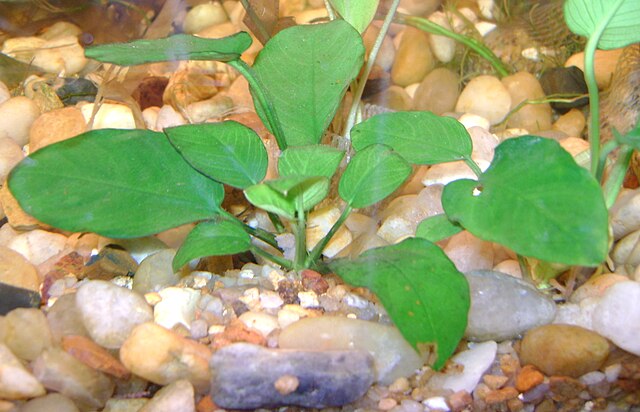
Anubias Nana
View species detailsBlyxa japonica
View species detailsAmazon Sword
View species details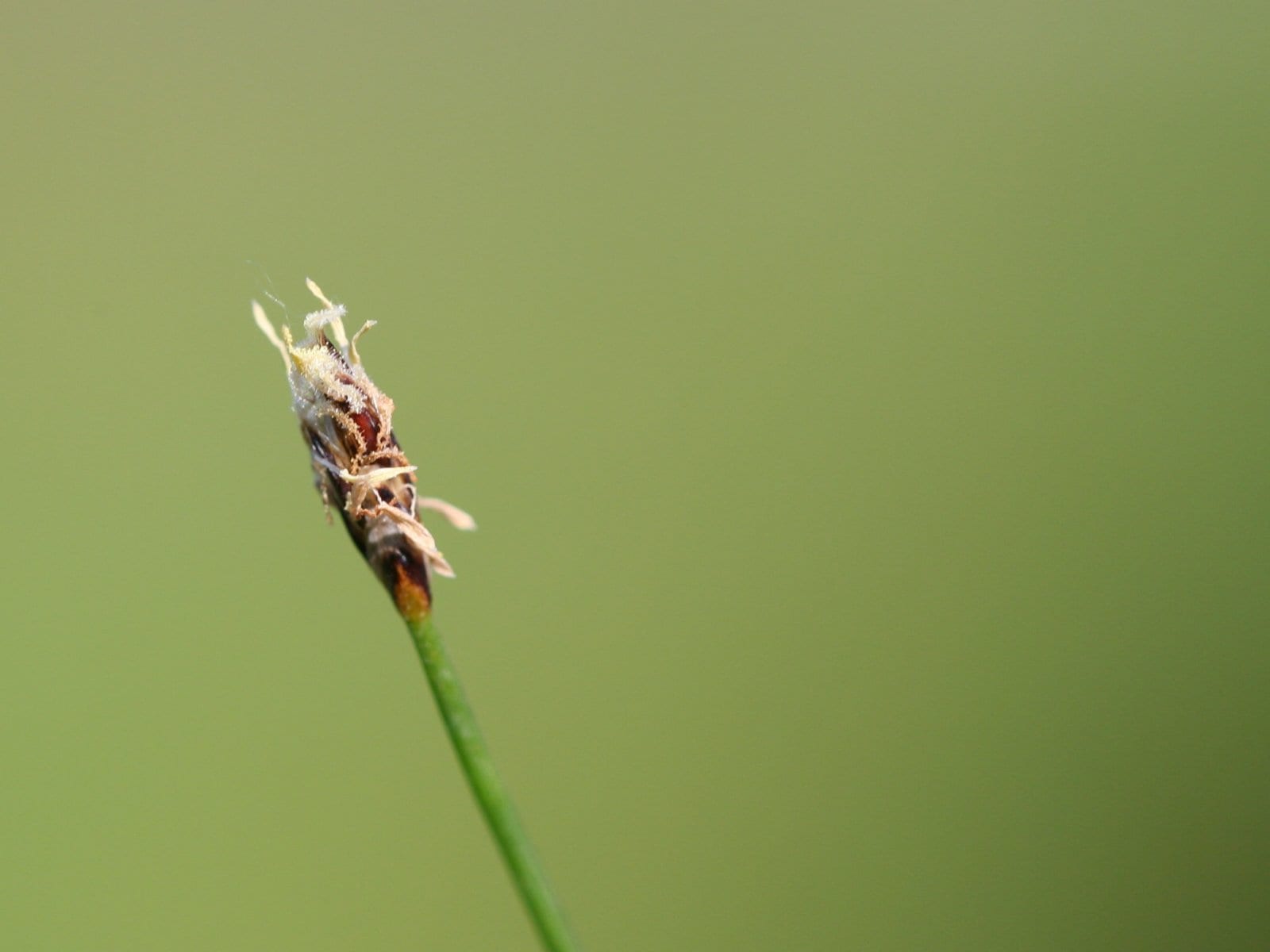
Hairgrass
View species details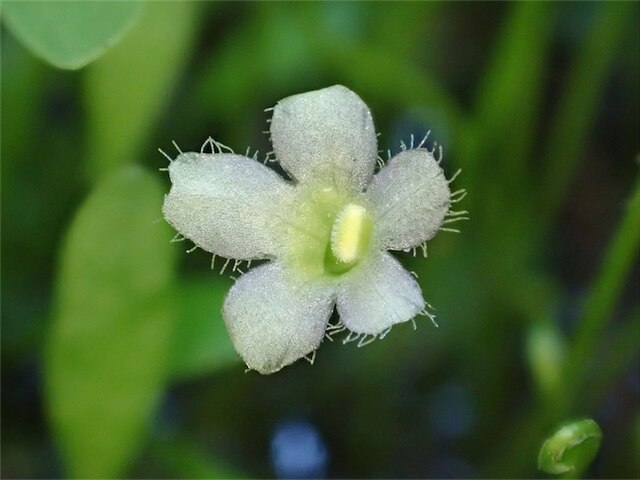
Glossostigma
View species details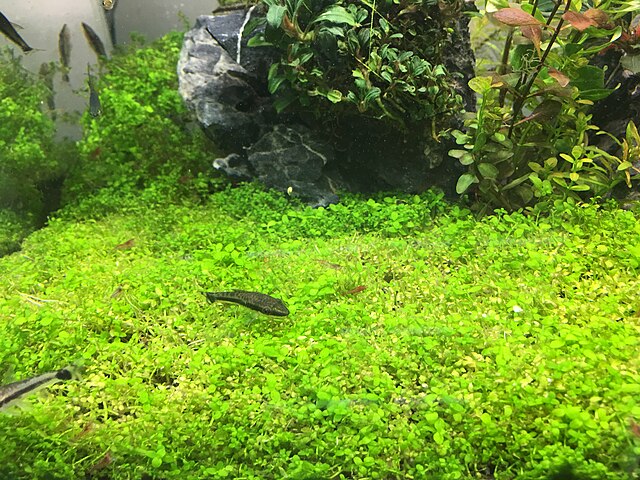
Hemianthus callitrichoides
View species details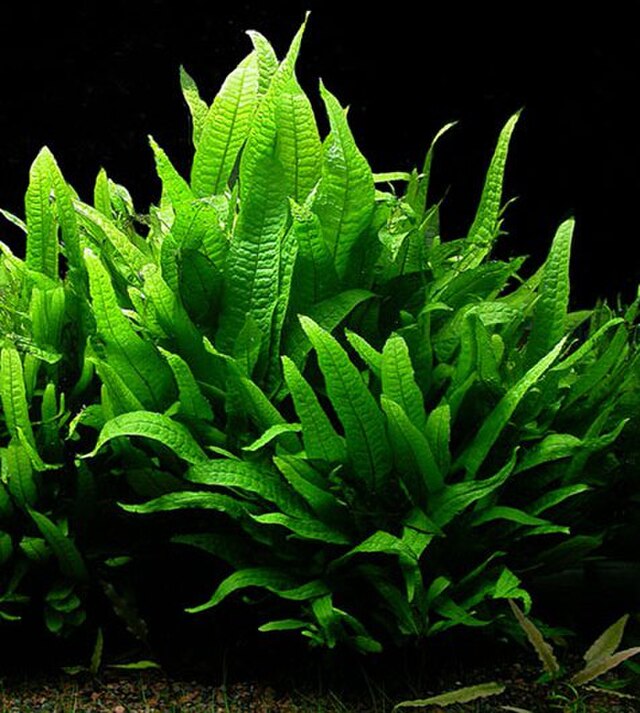
Java Fern
View species detailsNew Large Pearl Grass
View species detailsWhy CO2 Addition Is Essential for Aquatic Plant Tanks
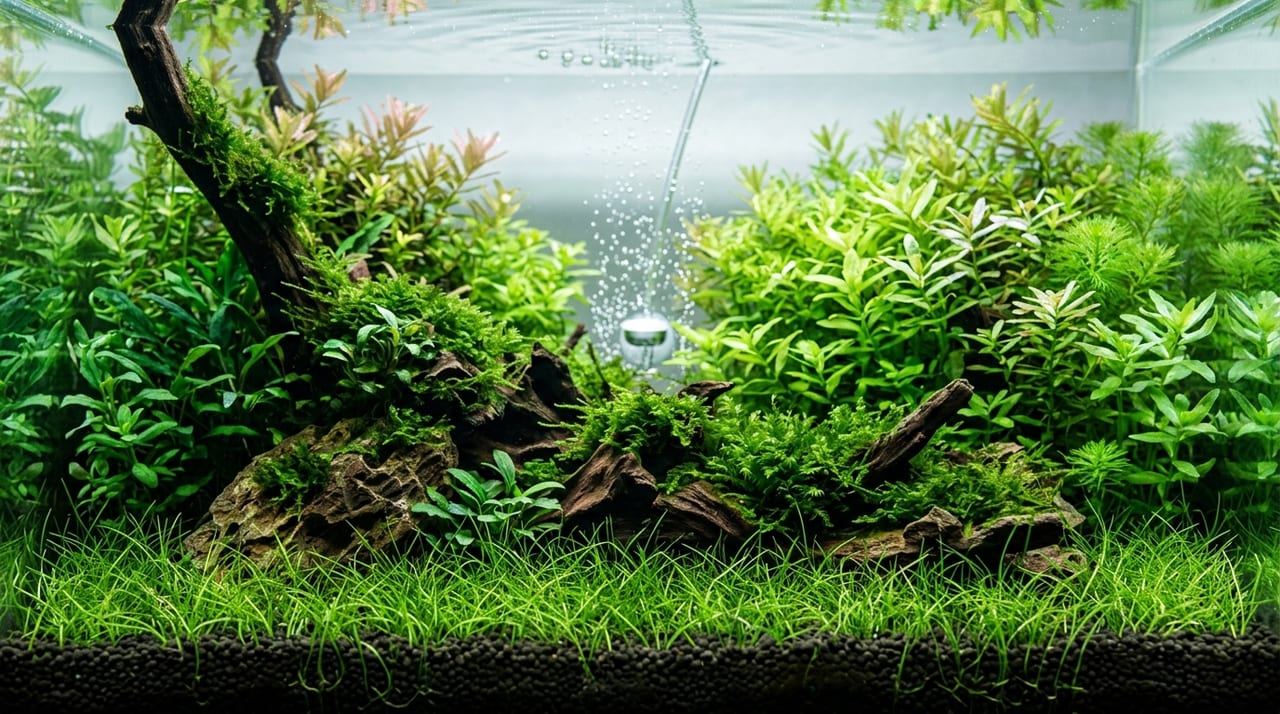
For aquatic plants to thrive, CO2 (carbon dioxide) is essential alongside light and nutrients. Plants grow through photosynthesis, and this process consumes CO2. While a certain amount of CO2 naturally dissolves in water from the atmosphere, densely planted aquatic plant tanks suffer from a severe shortage with only this natural dissolved amount. For those who want to systematically understand the relationship between CO2, light intensity, and nutrients, Aquarium Water Chemistry and CO2 Fertilization is also a helpful reference.
When CO2 is insufficient, aquatic plants cannot photosynthesize adequately, resulting in slowed growth and discolored leaves. Conversely, when CO2 is added properly, you can observe bubbles emerging from leaves—the 'photosynthetic bubble' effect—and enjoy watching plants grow vibrantly. Foreground plants like Glossostigma and Hair Grass, and plants with complex leaf shapes like New Large Pearl Grass are particularly difficult to cultivate without CO2 addition.
The target CO2 concentration for aquatic plant tanks is generally set at 20–30 mg/L. This is roughly 100 times the concentration in the atmosphere, a level that is virtually impossible to achieve without artificial supplementation.
Types of CO2 Addition Equipment and How to Choose
CO2 addition systems are broadly divided into two types: 'fermentation-based' and 'chemical (cylinder) methods.' Aquatic Plant Tank CO2 Addition System Selection Guide provides a more detailed comparison of cost and usability for each type of equipment.
Fermentation-based systems generate CO2 from a fermentation solution made by mixing sugar, yeast, and water. With an initial cost of just a few hundred yen, it is an affordable entry option for beginners. However, it is difficult to adjust the dosage, and the addition rate fluctuates depending on the season and room temperature. Additionally, the fermentation solution must be replaced every few weeks, making long-term maintenance labor-intensive. This method suits tanks of 60 cm or smaller, or those with low CO2-demand species like Anubias Nana.
Cylinder (chemical) method is a professional approach using dedicated CO2 cylinders. Options range from small cylinders to large commercial-grade cylinders, and a system is constructed by combining a solenoid valve, regulator (speed controller), check valve, and diffuser. Dosage can be finely adjusted, and stable supply is possible.
For beginners, small cylinder sets (74g–95g) are easy to handle and work for 60 cm tanks for about 1–2 months. For those who want to seriously enjoy aquatic plant tanks, upgrading to commercial-grade large cylinders (2–5 kg) is recommended, as it significantly reduces running costs. Many aqua shops also offer cylinder rentals, so feel free to consult with local growers from the aquatic plant category.
The solenoid valve is a component controlled by a timer in sync with lighting, automatically managing the basic principle that "no addition is needed at night (when lights are off)." It is essential equipment for intermediate and advanced aquarists.
Dosage Guidelines and Adjustment Methods
The CO2 addition rate is adjusted based on a standard of 'one bubble per second,' accounting for tank size and the type and density of aquatic plants. As a guideline:
- 30 cm tank: 0.5–1 bubble per second
- 60 cm tank: 1–2 bubbles per second
- 90 cm tank: 2–3 bubbles per second
However, these are merely starting points. The actual optimal dosage is best confirmed using a CO2 checker (reagent-based drop checker). A reagent is added to the drop checker to determine CO2 concentration by color. The color changes from blue (insufficient CO2) → green (optimal: approximately 30 mg/L) → yellow (excess), so adjust to maintain green.
Additionally, if fish are gasping intensely at the water surface or shrimp are gathering near the surface, this signals excessive CO2. Immediately reduce the dosage and address it by aerating. Excessive CO2 risks oxygen deficiency in aquatic life.
Since CO2 is rapidly released by aeration, it is best to avoid aerating while lights are on. During the day, when aquatic plants photosynthesize actively, dissolved oxygen naturally increases in the water, so adding aeration after lights turn off helps achieve balanced management.
Types of CO2 Diffusers and Installation Tips
A 'CO2 diffuser' is the device used to dissolve CO2 uniformly throughout the tank. Selection and placement directly affect aquatic plant cultivation.
Glass diffuser (mist type) generates fine bubbles from a ceramic disc and offers high CO2 dissolution efficiency with a clean aesthetic. Standard options like ADA's CO2 diffuser are most effective when installed at the back of the tank or near the filter's intake. Clean regularly with citric acid to prevent clogging.
Inline diffuser attaches to the external filter's discharge hose and uses the filter's water flow to forcibly dissolve CO2. Since bubbles are not visible in the tank, it does not compromise layout aesthetics, and dissolution efficiency is exceptionally high. It is one of the best options when using an external filter.
Bubble counter is an auxiliary device for visually confirming the dosage, used to monitor and adjust the number of bubbles per second. Always introduce it in combination with a regulator.
When choosing a location, it is best to select a spot near the filter's discharge outlet or where water flow reaches the entire tank to maximize CO2 diffusion efficiency. Placing it in a corner where water flow doesn't reach results in only localized CO2 dissolution, cutting effectiveness in half.
CO2 Requirements by Plant Species and Addition Schedule
CO2 requirements vary significantly by aquatic plant species. Selecting a system matched to your target plants is key to long-term success.
Species that grow with no or minimal CO2 addition: Anubias Nana, Microsorum, Willow Moss, Ludwigia Repens, Amazon Sword, and others. These species tolerate relatively low light and low CO2 environments and can thrive even with fermentation-based systems. For more information on aquatic plants that don't require CO2, see 10 Beginner-Friendly Aquatic Plants That Grow Without CO2.
Species requiring CO2 addition: Glossostigma, Hair Grass, Cuba Pearl Grass, New Large Pearl Grass, Rotala species (Rotala Indica, Rotala Macrandra, etc.), and Blyxa Japonica. Without consistent addition of 20–30 mg/L, these plants become leggy or develop die-back. For serious Nature Aquariums, stable cylinder-based addition is essential. For achieving both trimming and coloration, Rotala Care and Coloration Tips is also helpful.
The ideal CO2 addition schedule is to start one hour before lights turn on and stop when lights turn off. Synchronizing lighting and solenoid valve timers enables automatic management. Plan for 8–10 hours of daily addition, and always aerate at night to maintain dissolved oxygen levels.
Startup and Long-Term Maintenance Tips
During the initial setup of an aquatic plant tank, nutrient leaching from substrate and bacterial colonization are unstable, requiring especially careful management. It is safest to start with conservative CO2 dosing and gradually increase it over a week while monitoring the condition of plants and fish.
Long-term, regulator clogging or ceramic diffuser degradation can change the dosage rate. Establishing a habit of checking bubble count with the counter once weekly helps catch problems early. Maintain glass diffusers with citric acid cleaning about once a month (soak in citric acid solution for 1–2 hours). Algae growth can also signal CO2 insufficiency, so if concerned, consult Complete Guide to Algae Control in Aquatic Plant Tanks to identify the cause.
Additionally, as room temperature changes throughout the year, the relationship between water temperature and CO2 solubility shifts. In summer, higher water temperatures make CO2 harder to dissolve, so slight dosage increases may be needed. Continuing these seasonal fine-tuning adjustments is key to enjoying a beautiful aquatic plant tank for years to come.
Common Troubleshooting
Plants Melting or Failing to Grow
- Often caused by insufficient light. Review both CO2 levels and light intensity.
- Substrate nutrient deficiency may also be the culprit. Add liquid fertilizer or substrate fertilizer.
Algae Overgrowth
- While CO2 addition energizes aquatic plants, excessive light will also promote algae growth.
- Reduce lighting duration to 7–8 hours daily and balance light intensity with CO2 levels.
Fish Gasping at the Water Surface
- A sign of oxygen depletion from excessive CO2. Immediately stop CO2 addition and turn on aeration.
- Reduce dosage and establish nightly aeration as a routine.