How to Cultivate Rotala and Bring Out Beautiful Red Color | Lighting, CO2, and Trimming Techniques to Achieve Vibrant Red
This guide explains the Rotala genus, popular in aquatic plant layouts, covering light intensity, CO2, and fertilizer management to bring out red coloration, as well as trimming techniques for maintaining beautiful, dense growth.
Key Takeaways
This guide explains the Rotala genus, popular in aquatic plant layouts, covering light intensity, CO2, and fertilizer management to bring out red coloration, as well as trimming techniques for maintaining beautiful, dense growth.
Related Species
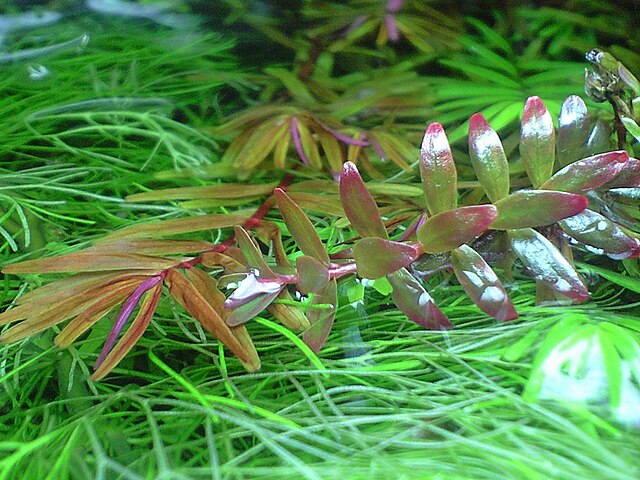
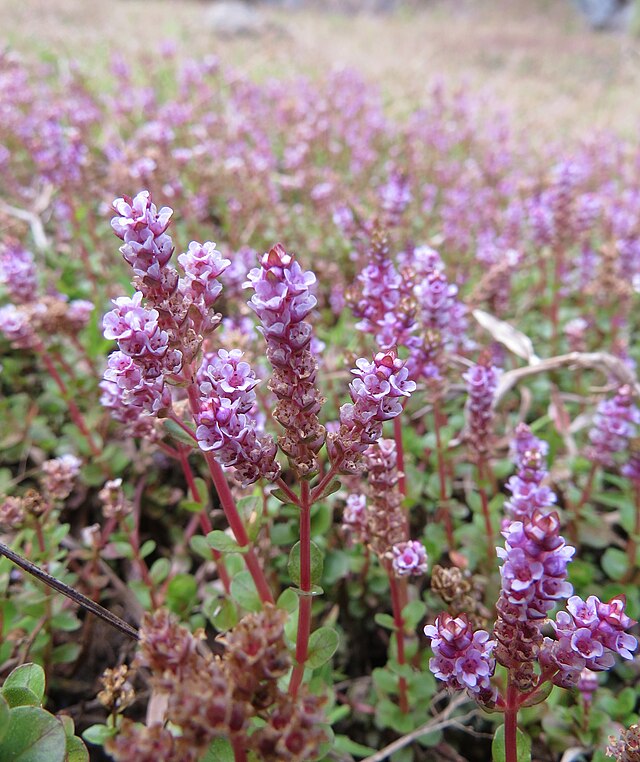
Rotala is a representative stem plant that produces beautiful red and orange coloration in aquatic plant layouts. Multiple species, including Rotala rotundifolia, are available and have become indispensable components in creating vibrant aquascapes. This article explains the characteristics of Rotala species and the key points for lighting, fertilization, and trimming to cultivate them beautifully.
Characteristics of Rotala Aquatic Plants
Rotala is an aquatic plant in the Lythraceae family, with many species naturally occurring throughout Southeast Asia. As a stem plant with leaves arranged in opposite or whorled patterns along the stem, it grows by extending its stems in water, bringing movement and height to aquarium layouts.
Different species vary in leaf size and color development tendencies, with options ranging from round-leaved types to fine-leaved types that form dense growth—diversity that contributes to their popularity. A shared characteristic is that red coloration becomes more pronounced as light intensity, CO2, and fertilizer availability increase.
Light Intensity and CO2 Management for Beautiful Growth
Importance of Light Intensity
Red aquatic plants, including Rotala, generate anthocyanin pigments during photosynthesis, producing their red coloration. Insufficient light causes them to remain green and become elongated and sparse (leggy), whereas adequate light ensures compact growth with vibrant coloration.
Generally, medium-to-high light conditions are suitable, and securing appropriate light intensity based on tank depth and lighting equipment is key to achieving good color development.
Effects of CO2 Supplementation
CO2 supplementation increases photosynthetic efficiency, positively affecting growth rate, leaf density, and coloration. While it is possible to cultivate Rotala without CO2, growth becomes slower and coloration tends to be more subdued. To achieve a beautiful red-toned layout, combining CO2 supplementation with adequate light intensity is the fundamental strategy.
Application of Fertilizers and Micronutrients
Iron and other micronutrient supply significantly influence red plant coloration. An effective approach combines substrate fertilizers for stable nutrient uptake through roots with liquid fertilizers to regularly supply micronutrients like iron.
Excessive nitrogen tends to produce green-tinged, dense foliage; to emphasize red coloring, reduce nitrogen slightly and apply a balanced supply of phosphorus, potassium, and micronutrients.
Trimming and Replanting Techniques
Rotala grows rapidly and can become overgrown and disorganized without maintenance. Regular trimming promotes lateral shoot development and is key to maintaining beautiful, dense growth in layouts.
Basic Trimming Steps
- Cut overgrown stems slightly below your desired height
- The cut tip portion can be stripped of lower leaves and reused as a planting fragment
- New lateral shoots emerge from nodes on the remaining stem, gradually forming dense growth
After trimming, water conditions may temporarily become unstable; increasing water change frequency aids recovery.
Application in Layouts
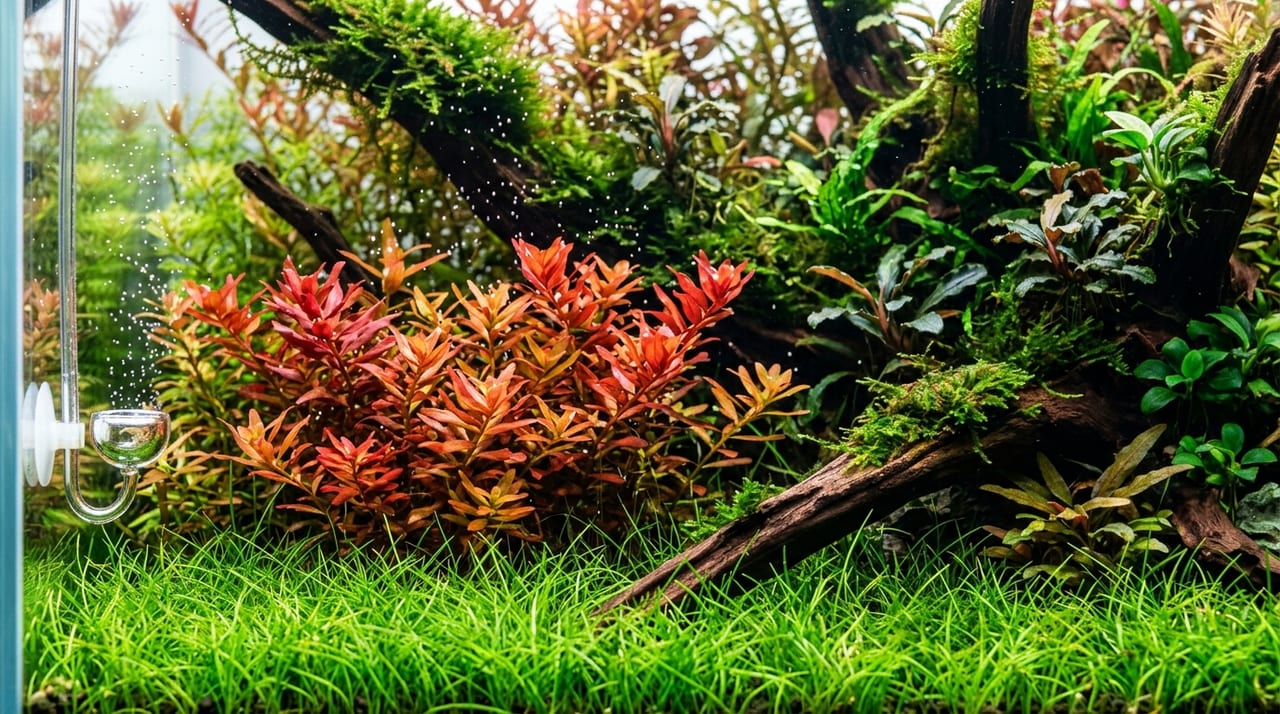
Rotala is typically placed in the mid-ground to background of the tank and, when combined with green plants, creates striking color contrast. Gradient planting—arranging multiple varieties side by side—is a popular technique unique to red aquatic plants.
A common layout approach is to place foreground green carpet-forming plants and add Rotala in the background for height and color, creating depth and visual interest in the aquascape.
Common Troubles and Solutions
If growth is slow or coloration is poor, suspect insufficient light, CO2, or nutrients. Systematically check light intensity first, then CO2 supplementation status, and finally fertilizer type and dosage to narrow down the cause and facilitate improvement. If lower leaves decay leaving bare stems, refresh the plant by trimming and replanting young portions.
Water Quality and Temperature Adaptation
Most Rotala species thrive in slightly acidic to neutral, soft-to-medium hardness water, though many species adapt well and pose no problems in typical aquatic plant tank conditions. Water temperature is generally maintained in the 22–28°C range; prolonged high temperatures can cause tissue breakdown.
When introducing plants to a new tank, transport stress and environmental changes may cause temporary decline. Avoid intense light immediately after introduction and allow plants to acclimate to tank conditions before resuming standard management for stable subsequent growth.
Choosing Plant Varieties
The Rotala genus includes multiple species with varying degrees of red coloration, leaf size, and growth rate. For first-time cultivation of red plants, starting with hardy, adaptable varieties minimizes failure; as you gain experience, you can progress to varieties prized for vibrant coloration and delicate leaves.
Planting multiple varieties side by side creates gradations in red intensity, producing layouts with the depth and dimension that a single variety cannot achieve.
With attentive care, Rotala can become a stunning focal point in your tank with beautiful coloration. Balance light, CO2, and fertilizer to create your own beautiful aquascape.