Aquatic Plant Growth Speed and Size | Guide by Type
Aquatic plant growth rates vary greatly by species. This guide explains typical growth speed for stem plants, rosette types, and attachment plants, as well as techniques to promote growth through CO2, light, and fertilizers.
Key Takeaways
Aquatic plant growth rates vary greatly by species. This guide explains typical growth speed for stem plants, rosette types, and attachment plants, as well as techniques to promote growth through CO2, light, and fertilizers.
Related Species
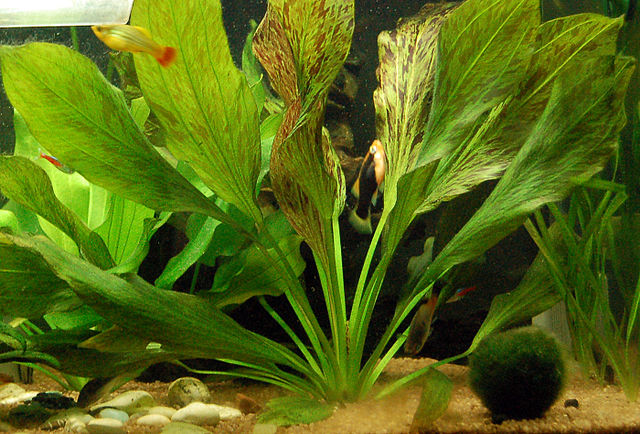
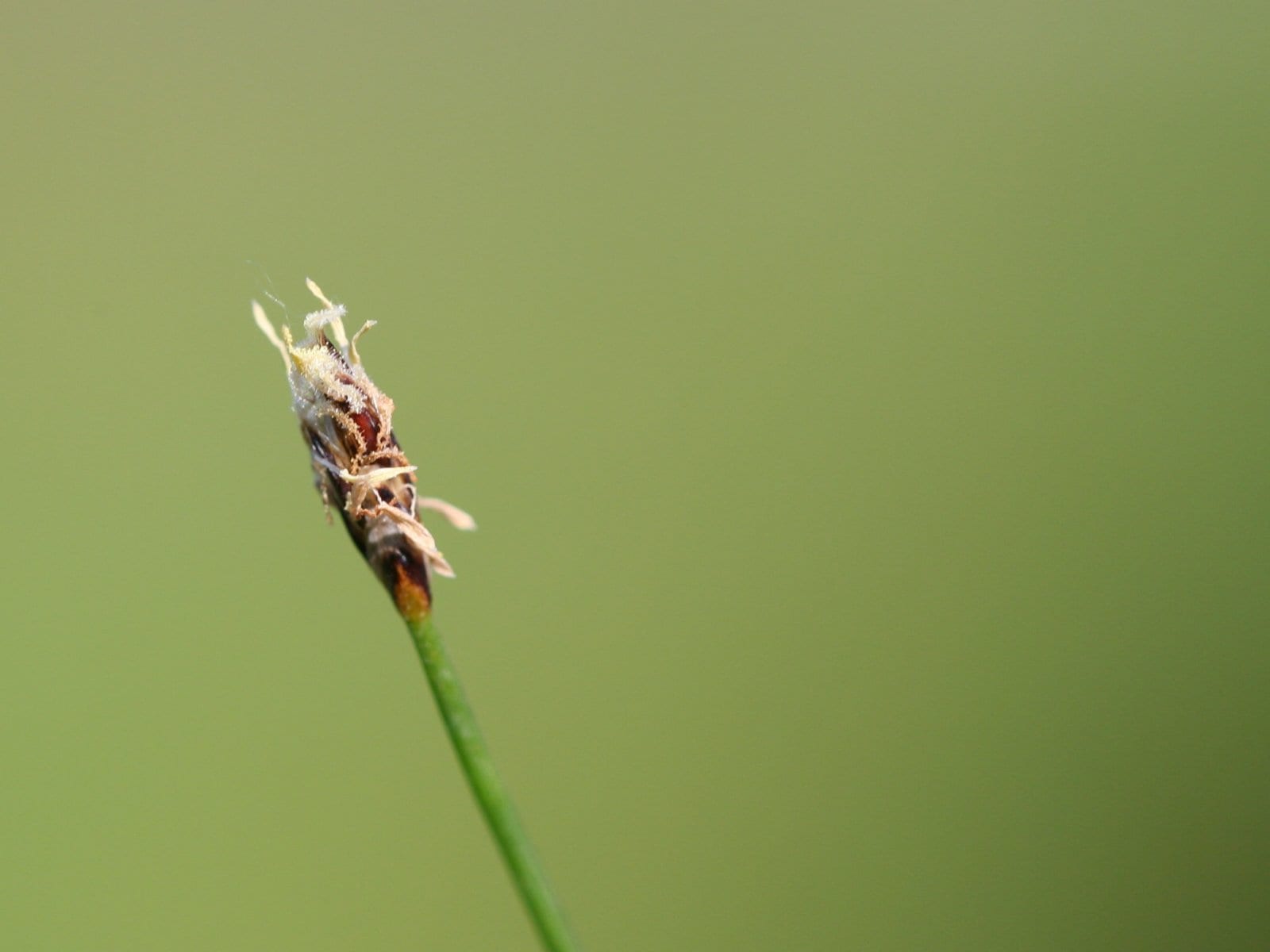
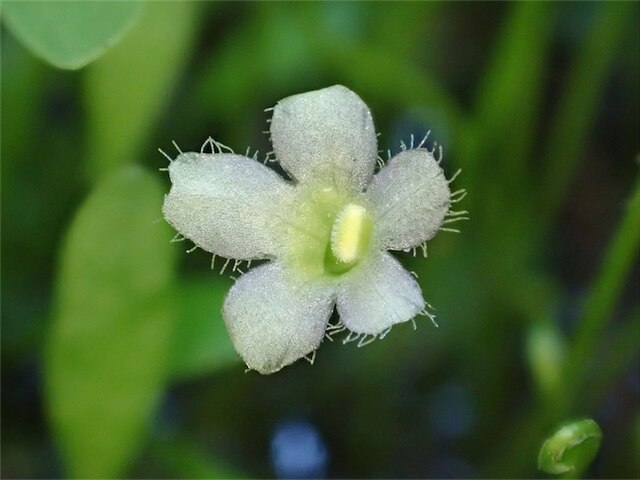
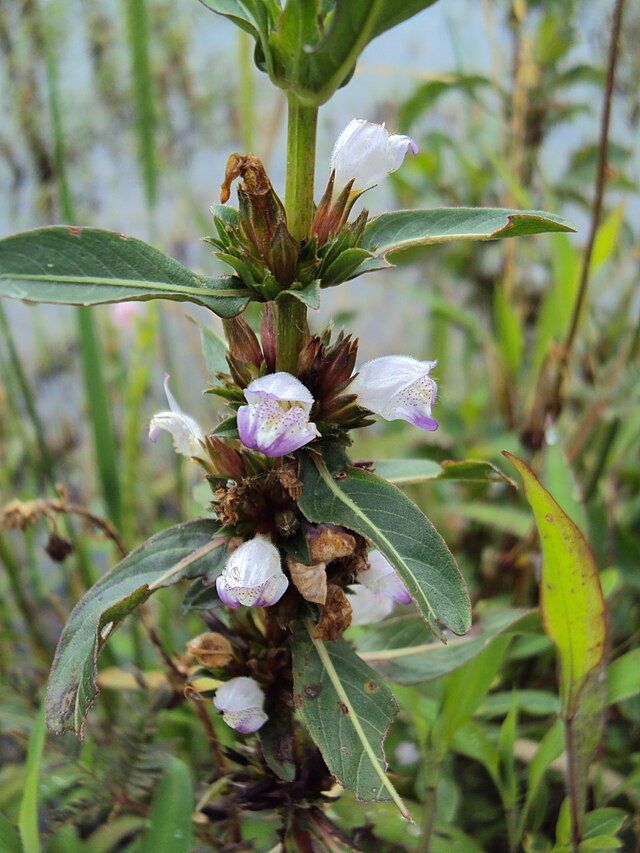
To enjoy an aquatic plant layout for a long time, it's essential to understand the "growth rate" and "final size" of each aquatic plant beforehand. Balancing fast-growing and slow-growing species is fundamental to maintaining a beautiful layout. This article explains growth speed by type and the environmental factors that influence growth. For those who want to learn layout composition itself, see also Aquatic Plant Layout Basics | Front, Mid, and Background Placement Techniques.
Growth Speed and Final Size by Type
Aquatic plants are broadly divided into three types: "stem plants," "rosette plants," and "attachment plants," and each has different growth pace and final size.
Stem Plants (Fast-growing • Trimming Required)
Stem plants grow especially fast among aquatic plants, and if left alone will quickly reach the water surface. Regular trimming is necessary, but the cut stems can be replanted to propagate, making them excellent value for money.
- Rotala species: With CO2 addition, grow 5–10 cm per week. Some species reach up to 60–80 cm maximum
- Pearl grass: 3–5 cm per week. Plant height around 10–20 cm, suitable for mid-ground
- Hygrophila polysperma: An extremely hardy species that grows even without CO2. Grows more than 5 cm per week, plant height can exceed 40 cm
- Water wisteria: Large leaves with good presence, more than 5 cm per week. Ideal for background
Rosette Plants (Moderate Growth Speed)
Rosette plants, which develop leaves from the base, have a more settled growth pace than stem plants. Once planted, they are difficult to move, so decide positioning at the layout planning stage.
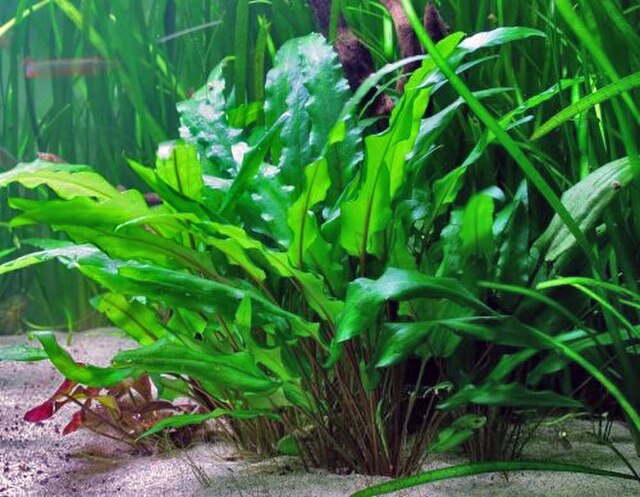
- Cryptocoryne: New leaves unfold at a pace of one per 1–2 weeks. Plant height varies widely by species, from 5 to 50 cm
- Echinodorus (Amazon sword): Approximately one leaf per week. Large species can exceed 50 cm diameter, and a single plant in a 60 cm tank can become the main feature
- Vallisneria: Spreads horizontally via runners at a relatively fast speed, suited for carpeting layouts
Attachment Plants (Slow-growing • Low Maintenance)
Species attached to driftwood or stone grow slowly, but require less frequent trimming and are easier to manage. Many are shade plants that grow even without CO2 addition, and this category is beginner-friendly.
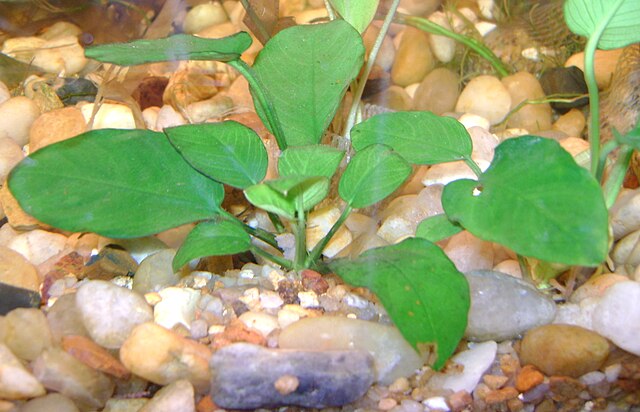
- Anubias nana: New leaves at about one per month. Plant height is 5–10 cm, very compact
- Microsorum (Pteropus): 1–2 leaves per month. Leaves grow long, so can be used for background too
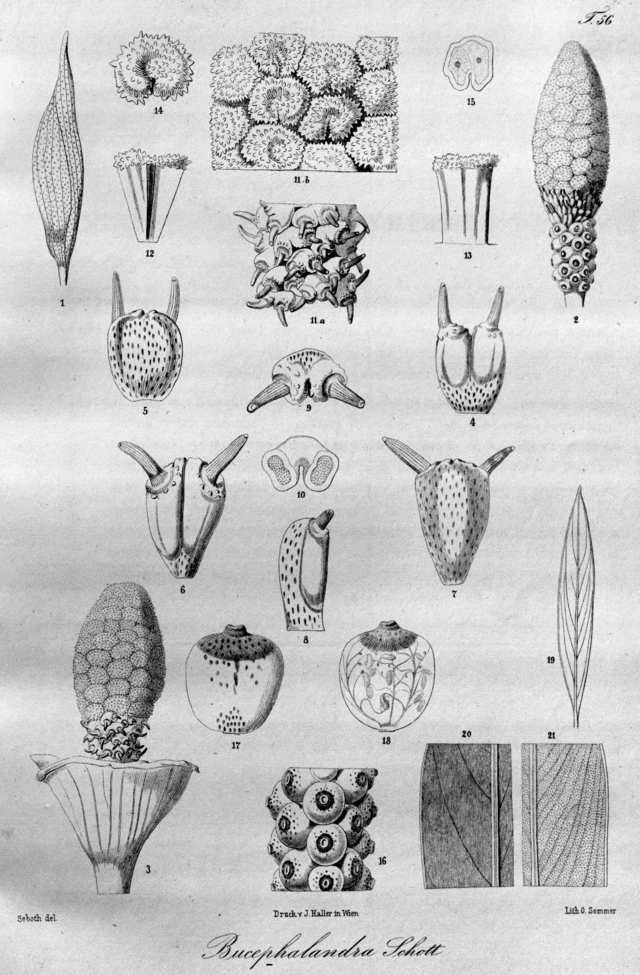
- Bucephalandra: Extremely slow growth of less than one leaf per month. Many are rare species, and trading among growers is common
- Willow moss: Takes time to attach, but spreads relatively quickly after attachment. Used in foreground or on whispering wood
Four Environmental Factors That Influence Growth Speed
Even with the same species, growth rate changes significantly depending on the rearing environment. By establishing the following four elements, you can bring out the aquatic plant's true potential.
CO2 Addition
CO2, which promotes photosynthesis in aquatic plants, is the biggest key to increasing stem plant growth speed 2–3 times over.
- Fermentation method: Low cost and recommended for beginners. However, supply is unstable
- CO2 cylinder method (forced addition): Enables stable supply and is essential for serious layouts
- Confirming appropriate concentration: Use a drop checker to maintain constant appropriate concentration (approximately 20–30 mg/L)
Light Intensity and Spectrum
Light intensity directly affects growth speed. However, if light is too strong, there is a risk of excessive algae growth, so balance is important.
- Foreground plants (Glossostigma, hair grass, etc.): High light intensity required. Insufficient light causes upward growth, preventing carpet-like formation
- Mid- and background stem plants: Growth is promoted with medium to high light intensity
- Shade plants (Anubias, Microsorum, etc.): Grow in low light, but may suffer leaf burn under strong light
Fertilizer Management
Aquatic plant growth requires both "macronutrients (nitrogen, phosphorus, potassium)" and "micronutrients (iron, manganese, zinc, etc.)".
- Nutrient soil substrate: Initially rich in nutrients during setup, but depletes after 6 months to 1 year, requiring liquid fertilizer supplementation
- Liquid fertilizer: Add 1–2 times per week to supplement micronutrients. Particularly, iron deficiency is indicated by white or yellow leaves
- Importance of root development: Species like Echinodorus and Cryptocoryne absorb many nutrients from roots, so inserting solid fertilizer at the base is effective
For more detailed information on fertilizer types and their use, see also Complete Guide to Aquatic Plant Fertilizers.
Substrate Selection
The type of substrate determines which aquatic plants are easier to grow.
- Nutrient soil (ADA Amazonia, etc.): Powerfully supports growth of stem plants and foreground plants. Initially prone to algae, so management is necessary
- Adsorptive soil: More stable initial setup. Low nutrients, so liquid fertilizer supplementation is important
- Gravel or sand: Suited for attachment and shade plants. Nutrients managed with liquid fertilizer
Tips for Creating Beautiful Dense Growth Through Trimming
Regular trimming is essential for stem plants, but done correctly, volume increases steadily.
- Pinch cutting: Cutting method midway through the stem. Side shoots branch out and the plant becomes bushy and full
- Close cutting (radical cut): Cutting back close to the base all at once. After regrowth, new shoots grow in unison, allowing you to maintain an even height
- Replanting: Increase plants by replanting the upper portion of cut stems in the substrate. Effective for Rotala and pearl grass
Attachment plants have less frequent trimming, so algae tend to attach to leaves more easily. Adding algae-eating creatures such as Otocinclus or Yamato shrimp keeps leaves clean and beautiful.
GrowerDirect's Safe and Secure System
When purchasing aquatic plants, many people worry about problems like "the plant arrived in poor condition" or "the species was different." At GrowerDirect, we have systems in place to resolve such concerns.
Since you can purchase directly from aquatic plant growers, you can obtain rare species hard to find in stores and high-quality aquatic plants cultivated with care by the grower. Also, before purchase you can ask growers directly via message, so you get concrete advice like "Can it be grown without CO2?" or "How many plants do I need for a 60 cm tank?"
Transactions are completed on the platform, so payment and personal information management are secure. From beginners purchasing aquatic plants for the first time to veteran aquarists searching for specific rare species, a wide range of people can use the service. When in doubt about plant selection, be sure to browse GrowerDirect's grower directory.