Aquatic Plant Layout Basics | Foreground, Midground, and Background Placement Techniques
The fundamentals of layout for creating a beautiful aquatic plant aquarium. Explains the roles and placement of foreground, midground, and background plants, composition types (triangular, convex, and concave), and recommended combinations for beginners.
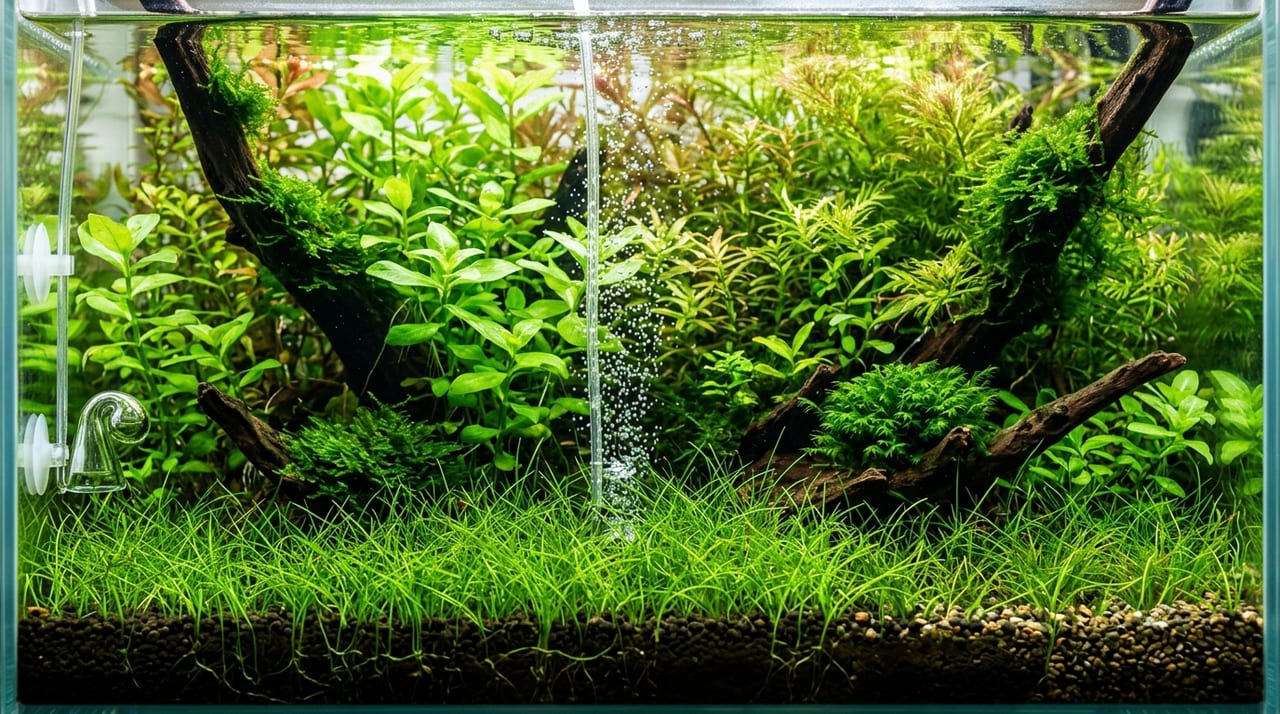
Key Takeaways
The fundamentals of layout for creating a beautiful aquatic plant aquarium. Explains the roles and placement of foreground, midground, and background plants, composition types (triangular, convex, and concave), and recommended combinations for beginners.
Related Species
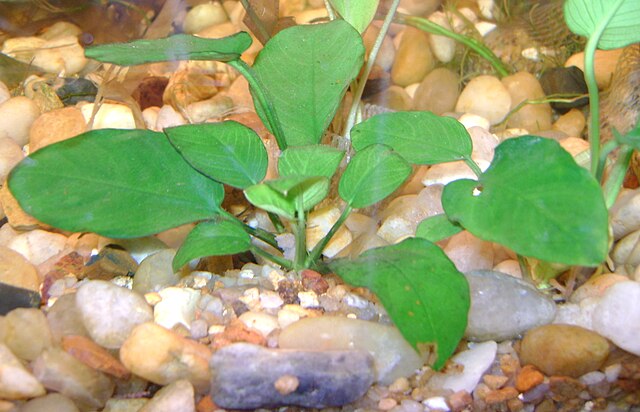
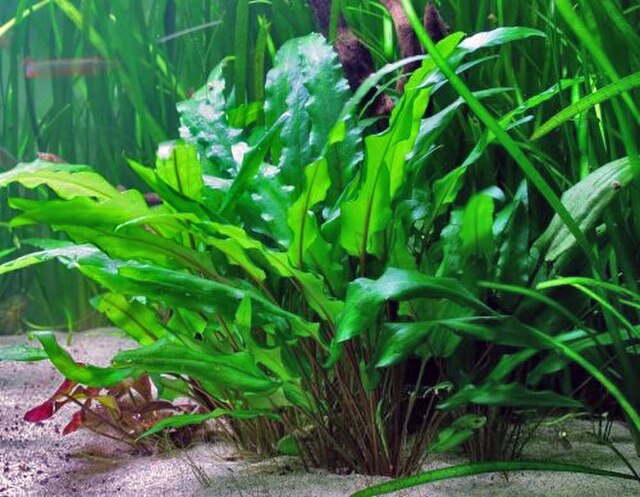
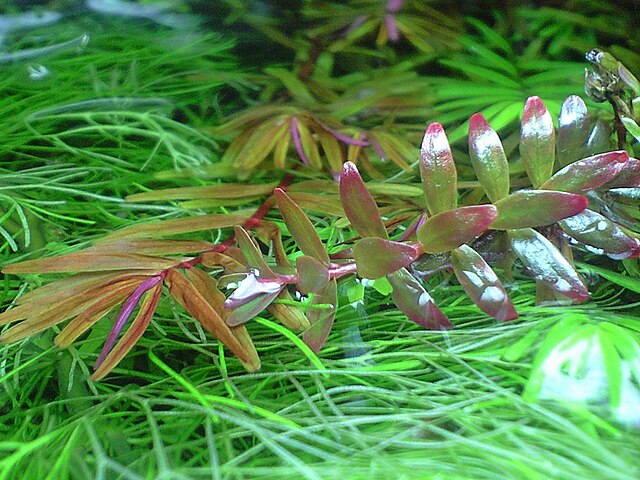
Aquatic plant layout is the art of capturing and recreating a natural landscape within the confined space of an aquarium. Many of us have had the experience of being captivated by a beautiful aquascape. While aquatic plant layout may seem difficult, mastering the basic rules allows even beginners to create surprisingly impressive aquariums. In this article, we provide practical techniques covering everything from foreground, midground, and background placement to choosing composition and combining materials. For those who want to start with the basics of aquatic plant cultivation itself, please first see the Beginner's Guide to Aquatic Plant Cultivation.
Understanding the Roles of Foreground, Midground, and Background
The foundation of aquatic plant layout is dividing the aquarium into three depth zones. By understanding the roles of foreground, midground, and background, a flat aquarium transforms into a three-dimensional natural space.
Foreground (Front) — Creating the "Floor" of the Aquarium
The foreground is the area closest to the front glass of the aquarium. The basic style is to place short aquatic plants here to naturally cover the aquarium floor like grass or moss. Simply having a well-arranged foreground significantly elevates the overall finish of the aquarium.
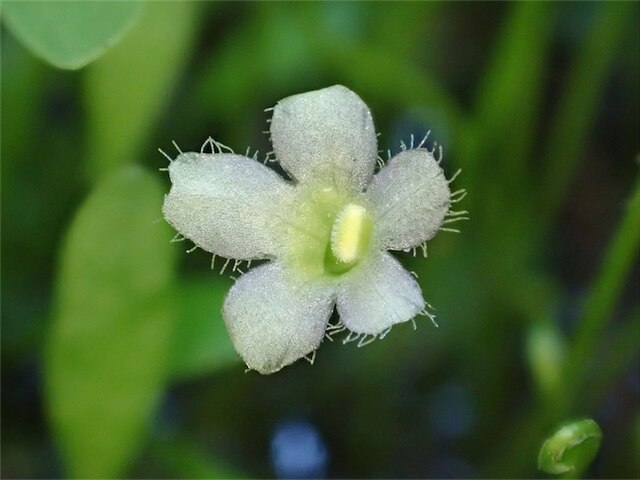
- Glossostigma: A small plant that spreads horizontally via runners. The bright lime green is beautiful, and CO₂ addition makes it easy to create a dense carpet.
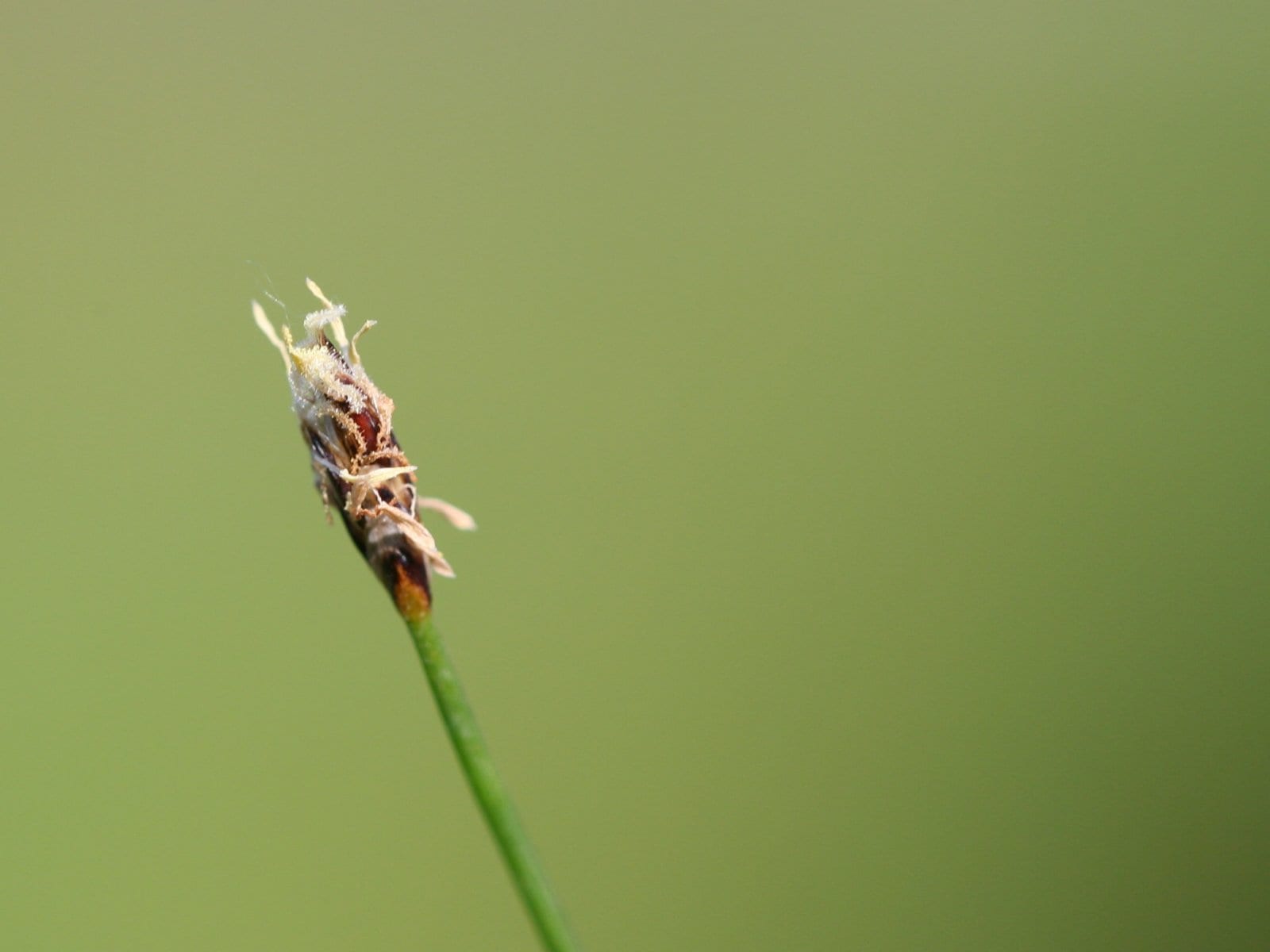
- Hair Grass (Eleocharis): Creates a delicate appearance as if swaying in the breeze. The green is deep, with a strong natural feel.
- Cobra Grass: Slightly thick leaves and hardy. Relatively easy to cultivate and approachable for beginners.
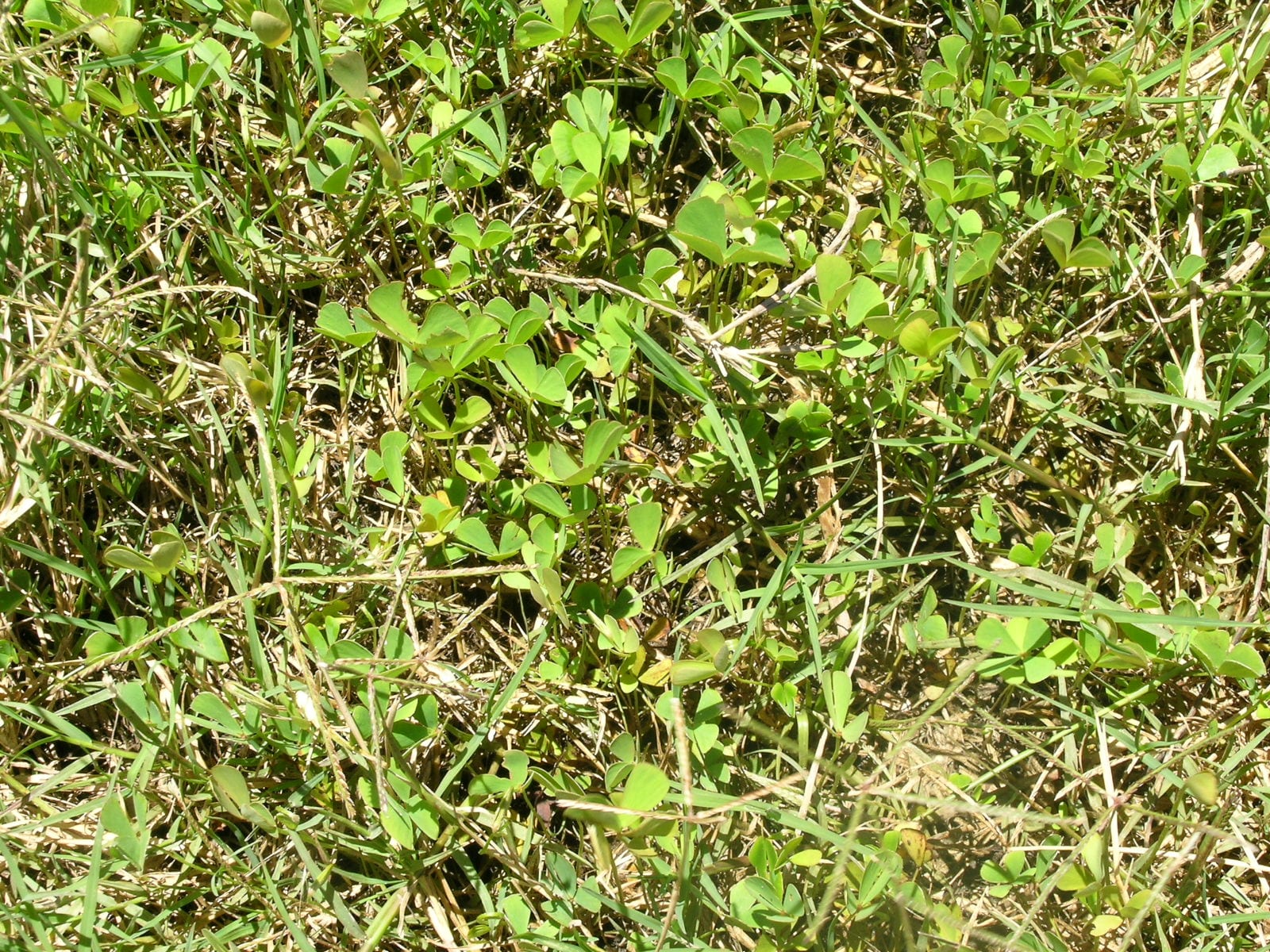
Tip: Many foreground plants require particularly high light and CO₂. If your setup is not fully equipped, start with relatively easy-to-grow varieties like Short Hair Grass or Water Clover.
Midground (Center) — The Starring Role of the Layout
The midground is the bridge connecting the foreground and background, and the most important zone that becomes the "face" of the layout. Combine driftwood, stones, and other hardscape materials with aquatic plants to create a focal point that captures the eye.
- Anubias Nana: A shade-tolerant, hardy plant. Can attach to driftwood or stone and grows even without CO₂.
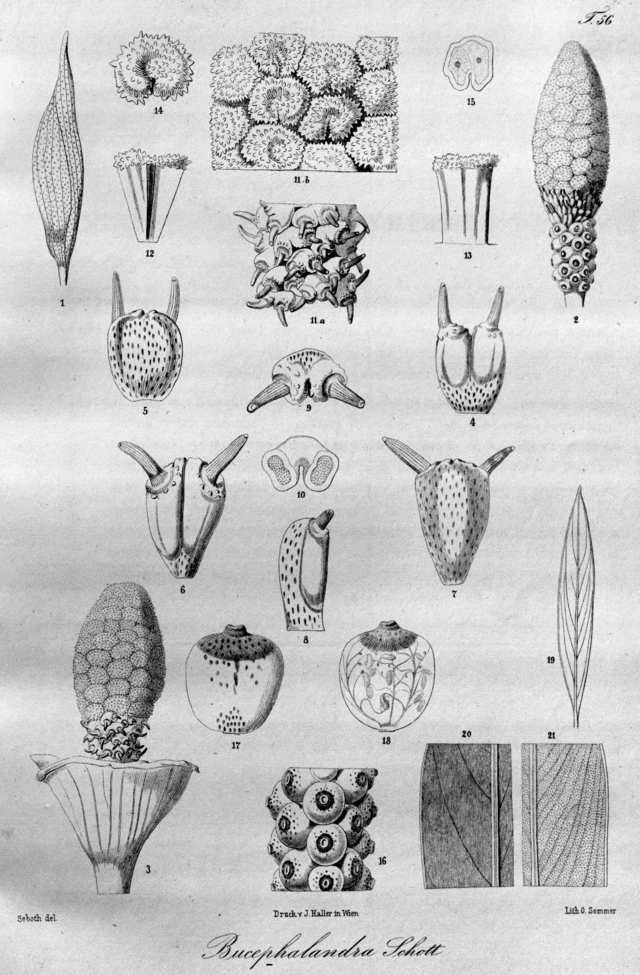
- Bucephalandra: The leaves have a unique sheen and shimmer blue or purple when exposed to light. The abundance of rare varieties is also appealing.
- Cryptocoryne: Rich in red and brown variations, adding color to layouts that tend to be all green.
Tip: The "single focal point" approach is effective in the midground. Positioning one distinctive species as the focal point and framing it with supporting plants creates a cohesive composition.
Background (Back) — Emphasizing Depth with Height and Volume
The background is the area near the back of the aquarium, responsible for giving the entire layout "depth" and "sense of volume." It is the zone where stem plants that grow upward toward the water surface thrive.
- Rotala species (Rotala rotundifolia, Indica, etc.): Leaf color changes from green to red depending on water quality and light intensity. Planting densely creates beautiful gradation.
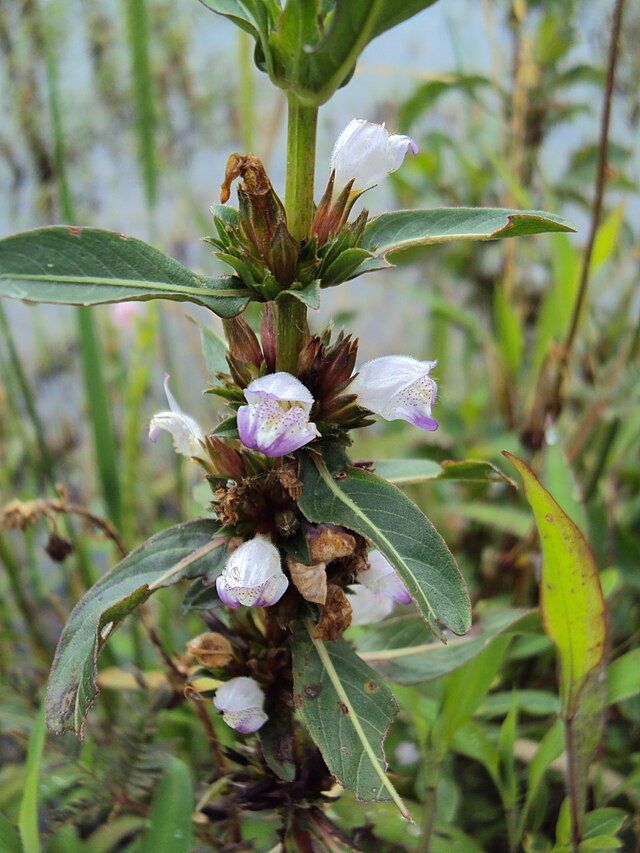
- Hygrophila: Fast-growing and easily gains height. A standard background plant for beginners.
- Vallisneria: The swaying of long, narrow leaves visualizes water flow and creates dynamic movement.
- Ammania: Vivid red color stands out against the background. Excellent as an accent color for the layout.
Tip: Background plants require regular trimming. Selecting them with growth speed in mind makes maintenance easier. The growth rate guidelines for each aquatic plant are summarized in Aquatic Plant Growth Rate and Size.
Mastering the 3 Composition Patterns
In the world of aquatic plant layout, three basic composition patterns are considered beautiful: triangular, convex, and concave. The choice significantly affects the impression the aquarium makes.
Triangular Composition — Easy Balance and Beginner-Friendly
This is a composition where one side is positioned high and the other side slopes gently downward. The eye naturally flows, creating a sense of stability. It easily expresses asymmetrical beauty and is the most recommended composition for those attempting layout for the first time. Placing driftwood or distinctive stone at the high point creates a focal accent for the eye.
Convex Composition — Expressing Natural Landscapes Like Mountains or Islands
A mountain-shaped composition with the highest point in the center and declining toward both sides. When viewed head-on, the aquarium gives the impression of a small island or mountain landscape. The standard approach is to place fast-growing stem plants in the high central area and lower foreground or midground plants on both sides.
Concave Composition — Achieving Depth and Openness Simultaneously
A valley-shaped composition with high sides and a low, open center. This creates the strongest sense of depth among the three compositions, naturally drawing the eye toward the back of the aquarium. The low central space also provides room for fish to swim, making it easy to balance with aquatic life. This is a popular composition among intermediate and advanced aquarists.
Elevating Finish Through Material Combinations
By combining hardscape materials such as driftwood and stone with aquatic plants, the layout becomes more natural and three-dimensional in expression.
- Driftwood × Shade-Tolerant Plants: Attaching Anubias or Willow Moss to driftwood naturally integrates over time, creating a texture like a real forest. Use fishing line or adhesive to attach them.
- Stone × Foreground Plants: Spacing stones like Dragon Stone or volcanic stone and guiding Glossostigma to creep around their bases creates a wild beauty where rocky areas and grass coexist.
- Gradient Arrangement of Stem Plants: Positioning multiple stem plants with different leaf tones and shapes from back to front creates a natural gradation and emphasizes depth. Adding red Rotala as an accent color results in a more striking finish.
When selecting materials, the cardinal rule is to group similar types. Combining multiple stones of the same type or driftwood of similar appearance creates unity.
Maintenance Tips — Keeping Your Layout Beautiful Long-Term
Aquatic plant layout is not complete once created; regular maintenance keeps it beautiful.
- Trimming Timing: Cut stem plants around 70-80% of their desired height before they reach the water surface. Regular trimming is the key to creating a dense canopy.
- Fertilizer Management: Aquatic plant growth requires nitrogen, phosphorus, potassium, plus trace elements like iron. Supply them by combining substrate fertilizers with liquid fertilizers.
- CO₂ Addition: CO₂ addition is effective for vibrant coloration of foreground carpet plants and stem plants. Start with a small cylinder and consider transitioning to fermentation-based or pressurized systems as you gain experience.
- Algae Management: Keeping Amano Shrimp or Otocinclus helps naturally suppress algae growth.
Get Your Ideal Aquatic Plants from GrowerDirect
No matter how much you refine the composition and placement, you cannot create a beautiful layout with poor-quality aquatic plants. Acquiring healthy, high-quality aquatic plants is the prerequisite for successful layout.
With GrowerDirect, you can purchase directly from growers who specialize in cultivating aquatic plants. Many rare varieties not available at major retailers are offered, including new Bucephalandra species and niche Cryptocoryne varieties. Since you can directly confirm with growers whether pesticides were used and details about their cultivation environment, you can confidently introduce plants to tanks with shrimp.
Moreover, growers are professionals who actively cultivate these aquatic plants. Being able to easily consult on layout and cultivation questions like "Which composition is this plant suited for?" or "Can it grow without CO₂?" is a unique strength of GrowerDirect. Whether you're attempting your first aquatic plant layout or advancing as an intermediate to advanced aquarist, please explore GrowerDirect to find your ideal plant.