Complete Guide to Microsorum Types and Care | Tips for Growing Popular Attachment Aquatic Plants Beautifully
Microsorum, a standard attachment aquatic plant alongside Willow Moss. This guide covers the main types, methods for attaching to driftwood and rocks, light and water quality management, and trimming techniques.
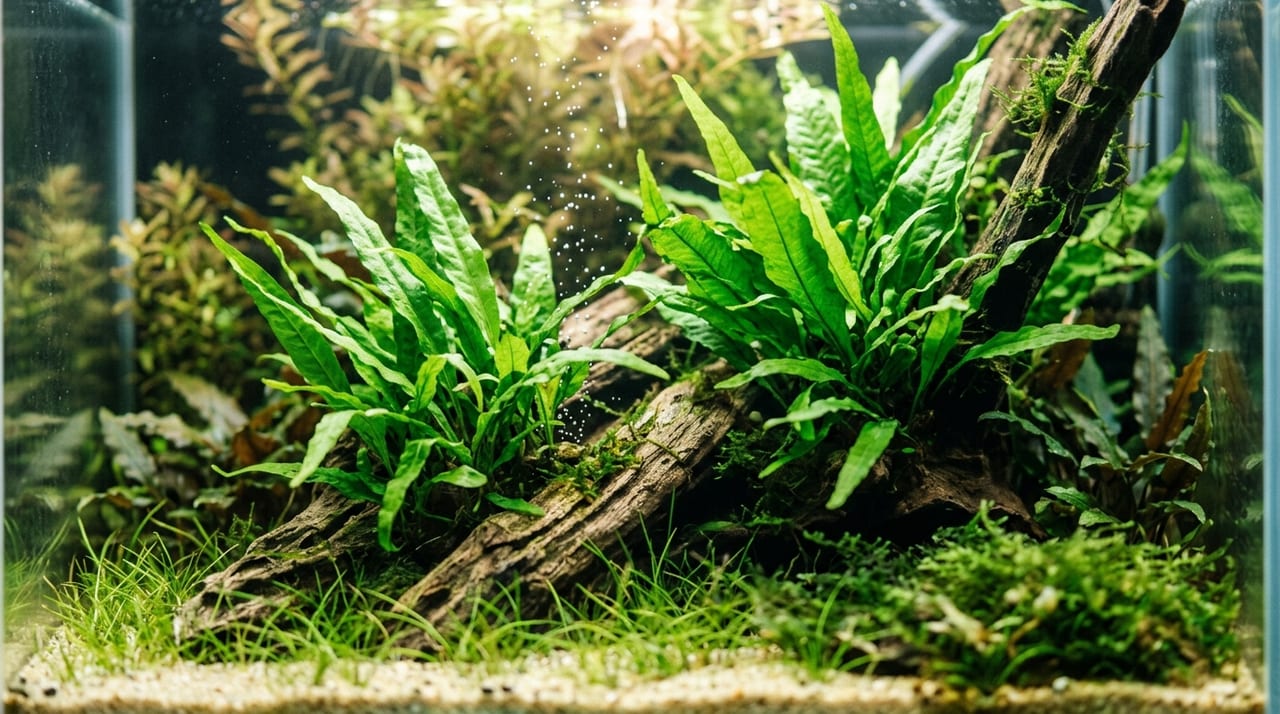
Key Takeaways
Microsorum, a standard attachment aquatic plant alongside Willow Moss. This guide covers the main types, methods for attaching to driftwood and rocks, light and water quality management, and trimming techniques.
Related Species
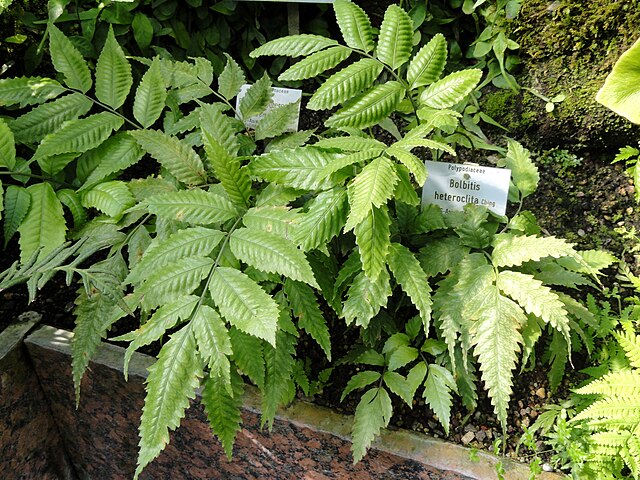
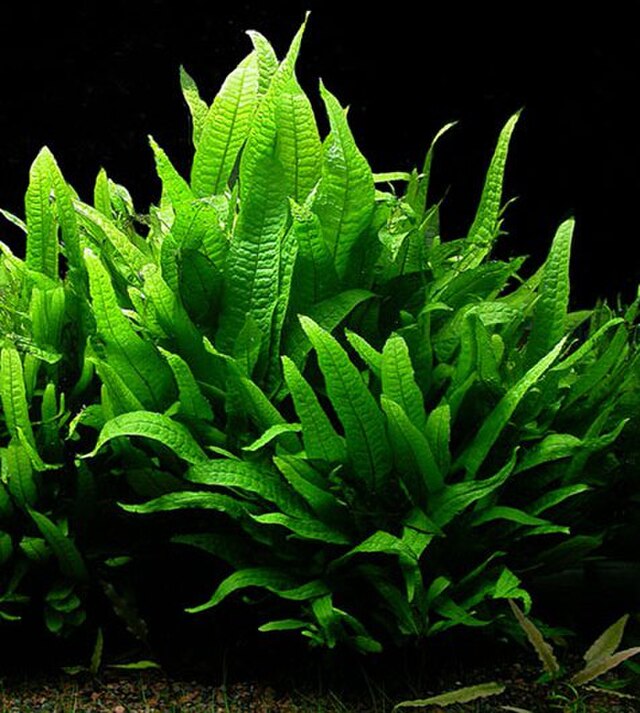
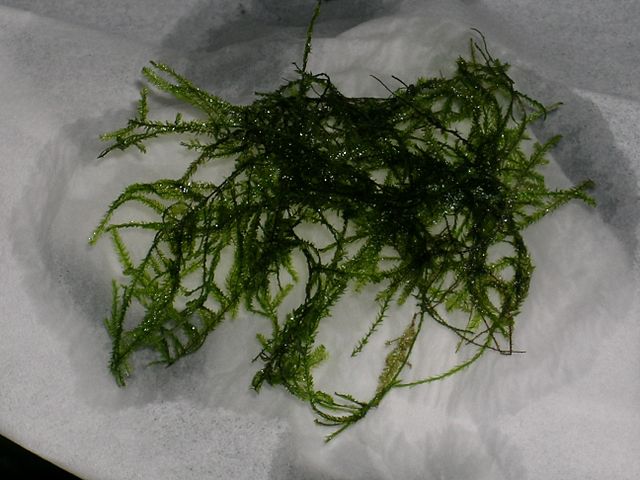
Microsorum is a type of fern native to tropical and subtropical regions of Southeast Asia, with the scientific name Microsorum pteropus. It is known as a semi-aquatic plant that can expand its leaves even underwater, and has long been beloved as a standard aquatic plant for aquarium layouts due to its habit of attaching to driftwood and rocks by entwining its roots. It is so widespread that it is called one of the "two pillars of attachment aquatic plants" alongside Willow Moss, and a wide range of enthusiasts from beginners to advanced hobbyists incorporate it into their tanks. This article explains all the knowledge needed to keep Microsorum growing beautifully, from the characteristics of the main varieties to attachment methods, light management, algae prevention, and layout applications.
Main Microsorum Varieties and Selection
Microsorum has greatly different leaf shapes depending on the variety, and there is a wide variation even within the same genus. The representative varieties are organized as follows.
- Microsorum (Narrow Leaf / Wide Leaf): The most widely distributed basic variety. It is characterized by slender, wavy leaves and is a standard choice easy for beginners to care for due to its hardiness and ease of cultivation. There are narrow-leaved and wide-leaved varieties, which you can choose to suit your tank size and layout aesthetic.
- Microsorum Trident: A variety with a unique form where the leaf tips split into three points. Due to its delicate appearance and presence, it is often used as an accent in the midground to background, and is said to pair especially well with driftwood.
- Microsorum Windeløv (Philippine Water Fern): It is characterized by finely wavy, ruffled leaf tips. While growth is somewhat slow, it has high design quality when mature and is often used in nature aquarium-style layouts.
- Microsorum Philippinensis: A large variety with even broader leaves than Wide Leaf, with a strong presence. It is suited to the background of medium to large tanks and is chosen when creating a dynamic landscape.
All varieties have high adaptability to water quality and light levels, and the basic management approach is common to all. Choosing a variety to match your tank size and layout concept is the first step to achieving a polished final result.
Attachment Methods and Steps for Rooting
Microsorum is not a type of aquatic plant that is planted in substrate; rather, it is grown by "attaching" its roots to the surface of driftwood or rocks. Planting in substrate can damage the roots and weaken the plant, so always manage it using the attachment method.
The steps for attachment are as follows.
- Rinse the surface of the driftwood or rock with water and remove any dirt or slime.
- Decide on the placement position so that the rhizome portion of the Microsorum makes close contact with the material.
- Tie and secure the rhizome and material with cotton thread or thin fishing line (using black fishing line makes it less noticeable).
- Place it in the tank and continue normal management. Within a few weeks to about a month, the roots will naturally attach to the material on their own.
- Once attachment is confirmed, you can remove the thread used for fixation (cotton thread will naturally decompose).
The key to smooth attachment is having appropriate texture on the material surface. Materials with a rough texture allow roots to grip more easily and tend to have shorter attachment periods compared to overly smooth stones or driftwood. While aquarium-specific attachment adhesives (instant adhesive type) are also popular, thread fixation causes less damage to the plant and is safer for beginners.
Managing Light, Water Quality, and CO2
Microsorum is particularly tolerant of low light among aquatic plants, and a major strength is that it grows sufficiently well even under weak lighting. Unlike aquatic plants that require strong light, it can be grown with confidence even in tanks where lighting conditions are difficult to establish.
As a guideline for light, weak to moderate lighting (8–10 hours per day on a timer) is the baseline. While it grows under strong light, intense lighting increases the risk of algae growth, so adjustment based on the balance with other aquatic plants is practical. In extremely dark environments, growth slows significantly and algae tends to attach to the leaves, so ensure a minimum lighting period.
For water quality, slightly acidic to neutral (approximately pH 6.0–7.5) is suitable, and it can adapt to a wide range of environments from soft to moderately hard water. It is sensitive to rapid changes in water temperature and quality, so water changes should be performed gradually in small amounts after matching the water temperature.
CO2 supplementation is not necessary, but adding it promotes obviously vigorous growth and makes the leaves more lustrous and deeply green. It is good to start with a small amount and adjust while observing the overall condition of the plants. Since it grows sufficiently well without CO2, a reasonable approach is to start managing without it and consider introducing it when you want to increase the growth rate.
Trimming and Propagation Through Division
Microsorum is a slow-growing aquatic plant and does not rapidly cover the entire tank, but with long-term management, the plant grows larger and the leaves become denser. By keeping trimming techniques in mind, you can maintain its beauty for years to come.
The basics of trimming are to remove old outer leaves and yellowed leaves at their base. If you cut leaves in the middle, the cut surface will turn black and look unsightly, so always remove them from the base. If the entire plant becomes too large, "division" is effective—splitting the plant into multiple plants by including the rhizome.
The division process is straightforward: cut the rhizome so that it has 2–3 or more leaves and several roots, then attach each divided portion to new driftwood or rocks. If the rhizome is too short, attachment takes longer, so the key is to ensure adequate length when dividing.
You may notice small black granules arranged regularly on the underside of leaves, but these are not algae—they are sporangia (sori), which are unique to ferns. This is not a disease or abnormality, so there is no need to worry, but if the appearance concerns you, you can trim that leaf.
Algae Prevention and Long-Term Management Tips
Because Microsorum grows slowly, it consumes excess nutrients in the tank at a lower rate than other aquatic plants, which is a weakness that makes it prone to black beard algae and cyanobacteria on the leaves. With long-term management, it is important to be mindful of the following measures.
- Keep lighting hours constant with a timer: If lighting hours vary daily, both plants and algae become unstable. Fix it at around 8–10 hours per day.
- Avoid over-fertilizing: Excess nitrogen and phosphorus become a nutrient source for algae. The basic approach is to test liquid fertilizers in small amounts while observing plant growth.
- Introduce algae-eating organisms: Amano shrimp and Otocinclus are unlikely to damage Microsorum leaves and are effective at removing algae from the leaf surface. Using the help of these creatures significantly reduces daily maintenance work.
- Address black beard algae promptly if it appears: An effective method is to apply diluted wood vinegar to the algae outside the tank and return it to the tank after a few minutes. Keep the treatment brief to minimize damage to the leaves.
- Continue regular water changes: Performing a water change of approximately one-third the tank volume once a week stabilizes water quality and keeps the risk of algae growth low.
The basic principle of algae prevention is "reducing the causes." It is more efficient to prevent algae by balancing nutrients and managing lighting than to remove it after it appears.
Using Microsorum in Layouts and Combinations
Microsorum's greatest appeal is its high degree of placement flexibility. Because it can be attached to various parts of three-dimensional materials like the trunk, branches, and base of driftwood, it can create natural depth and shading throughout the entire layout.
As a basic layout principle, it excels at creating volume from the midground to the background of the tank. By placing low-growing plants in the foreground and using Microsorum as the main feature in the midground to background, height variation emerges and creates a more three-dimensional landscape.
For companion plants, Willow Moss, which is also an attachment type with similar care requirements, and Bolbitis heudelotii are used effectively together. Combining plants with similar growth rates has the advantage of aligned trimming timing, which allows for consolidated maintenance.
Also popular is the "all-Microsorum" technique, combining multiple varieties with different leaf shapes. By simply attaching Trident, Narrow Leaf, and Windeløv to different positions on driftwood, you can create a varied and rich green landscape. Precisely because it is hardy and low-maintenance, you can focus on the enjoyment of experimenting with layout composition and balance—which is one reason why Microsorum has remained a standard aquatic plant for so long. From attachment through division and algae management, Microsorum is a plant where you can truly enjoy the process of slowly cultivating your tank. We encourage you to engage with it over the long term.