Succulent Encyclopedia
Encyclopedia of popular succulents with care guides, traits, and propagation methods.
Featured Succulent
Showing 129 of 129 species(1–24)
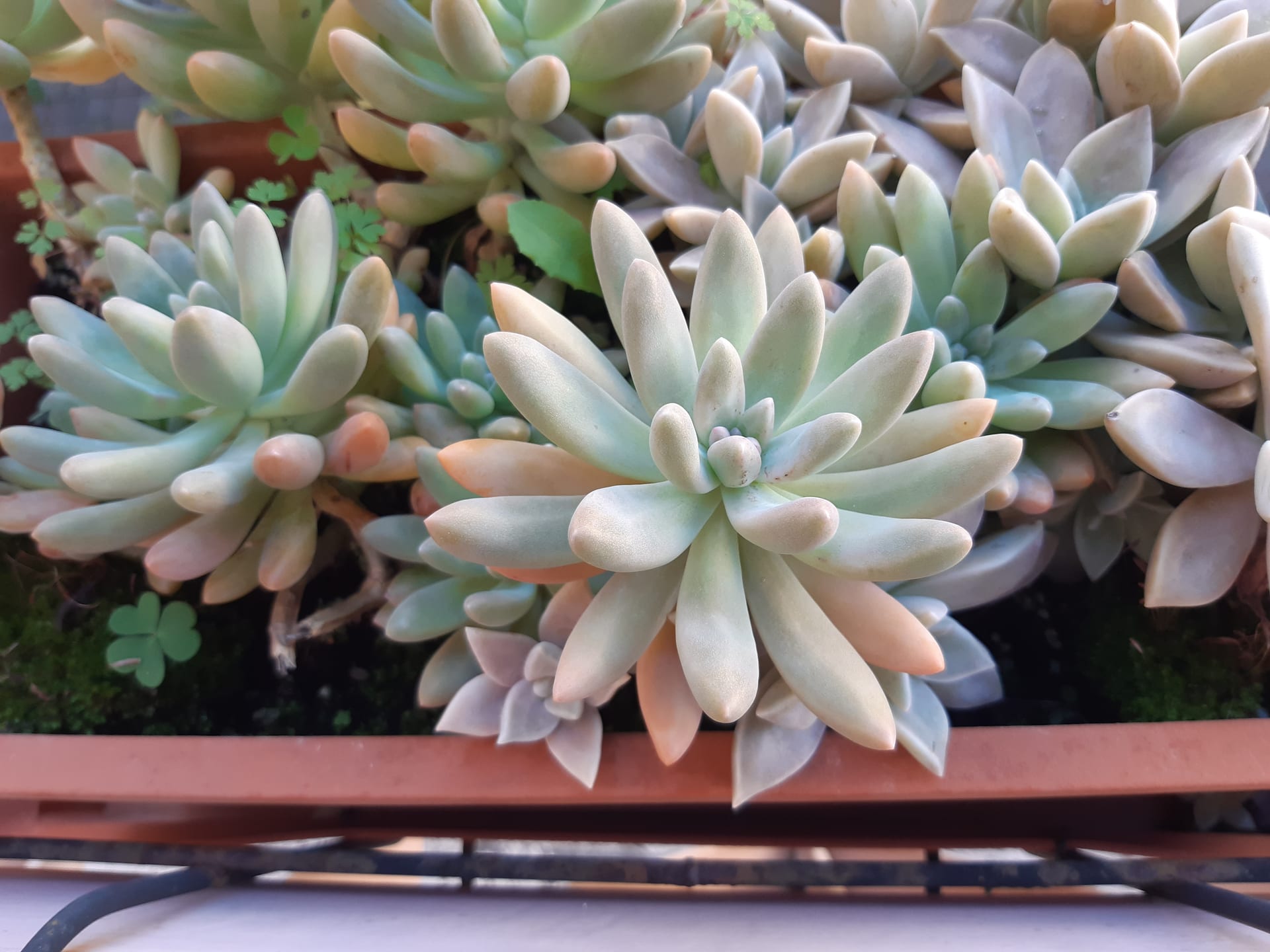 © Harlock81 / CC BY-SA 4.0
×Graptosedum 'Francesco Baldi'
×Graptosedum 'Francesco Baldi'
An intergeneric hybrid of Graptopetalum paraguayense and Sedum pachyphyllum. Its thick, lance-shaped leaves shift from blue-grey in part shade to pinkish grey in sun and purplish brown in winter.
×Graptoveria 'Opalina'
×Graptoveria 'Opalina'
A hybrid with an opalescent look: pale blue-green, powdery leaves held rather upright in the rosette. With plenty of sun the leaf edges blush pink.
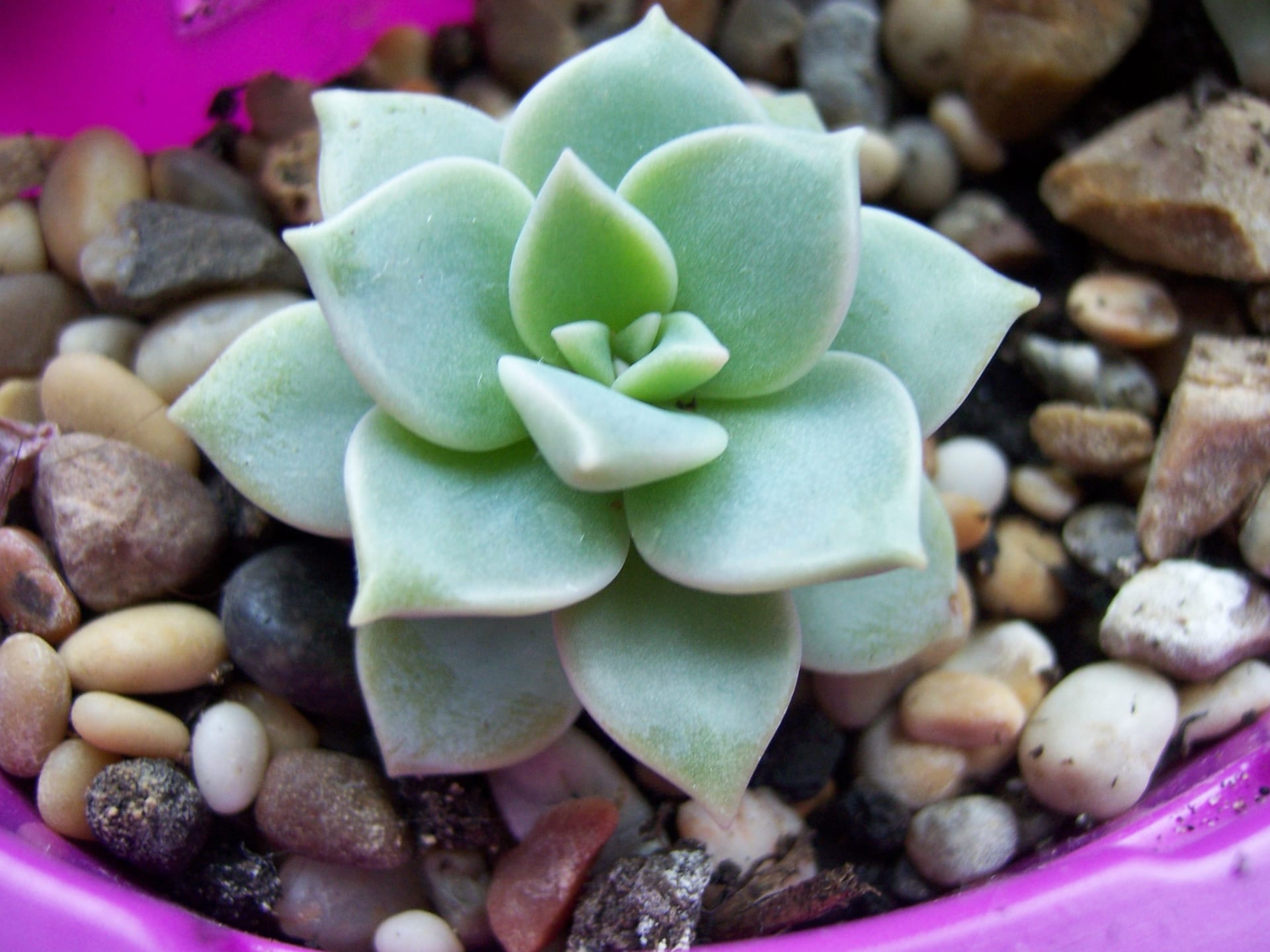 © stephen boisvert from Chicago, United States / CC BY 2.0
×Graptoveria 'Titubans'
×Graptoveria 'Titubans'
An intergeneric hybrid forming rosettes about 5-7 cm across of thick, pale blue-green leaves with a waxy bloom. In cool weather the leaf tips turn pink or apricot.
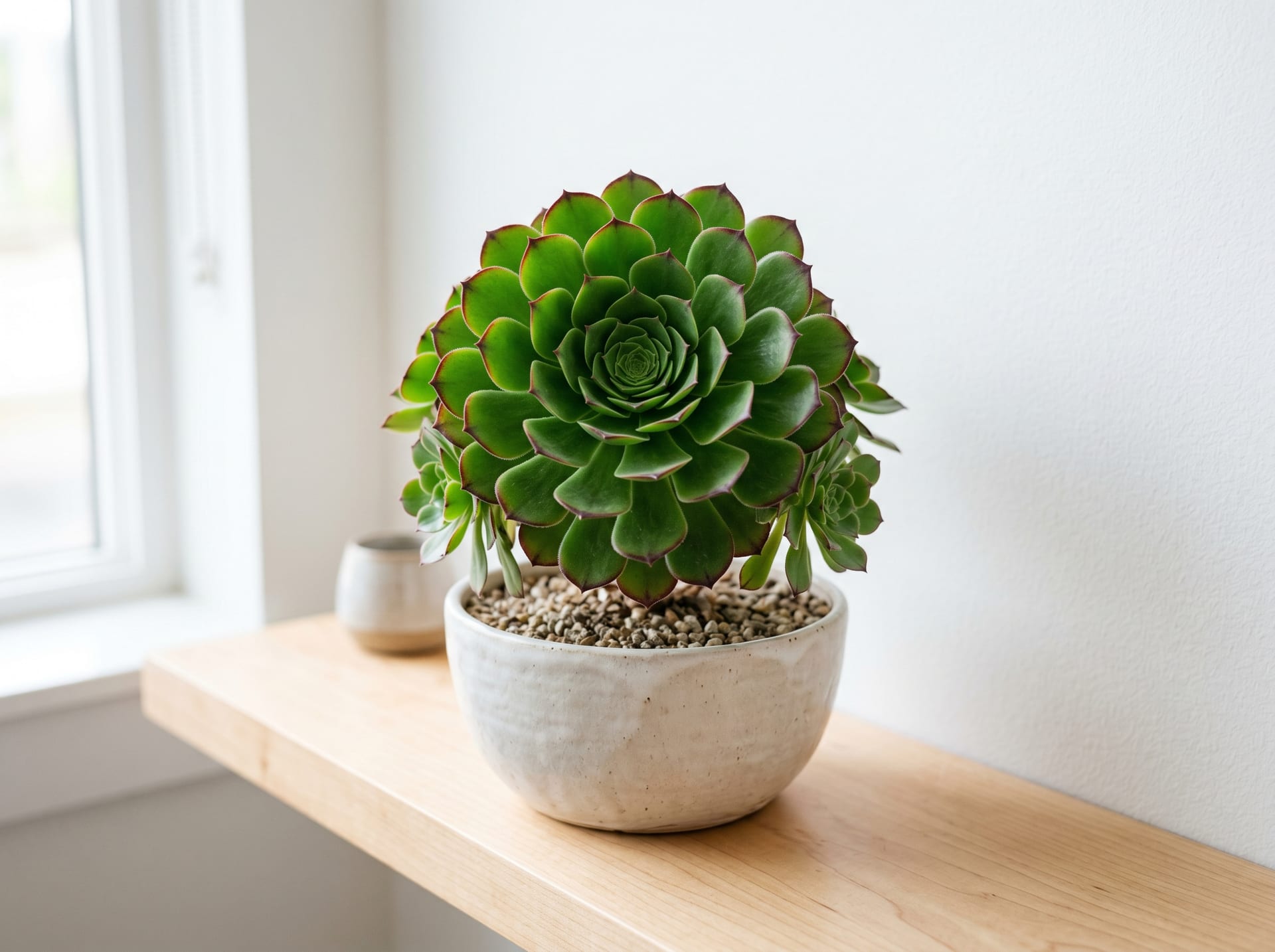
Aeonium
Unique silhouette with rosette leaves atop stems. Zwartkop (Black Rose) most famous. Winter grower, dormant in summer.
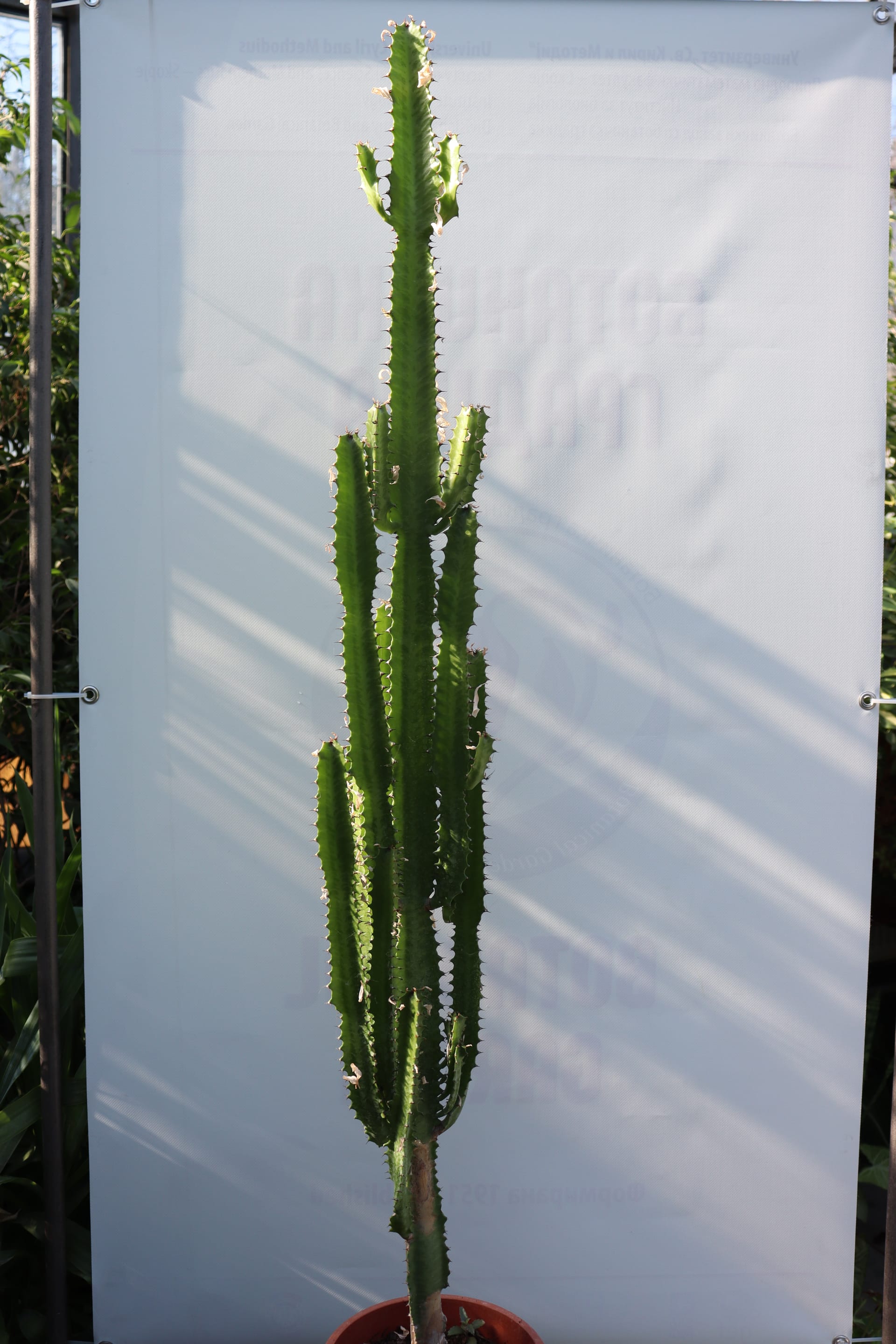 © Dandarmkd / CC BY-SA 4.0
African milk tree
Euphorbia trigona
A columnar Euphorbia with upright, three-angled stems branching like a candelabrum, dark green with pale V-shaped markings, paired spines and teardrop leaves along the ridges. It is not known to flower.
 © Stan Shebs / CC BY-SA 3.0
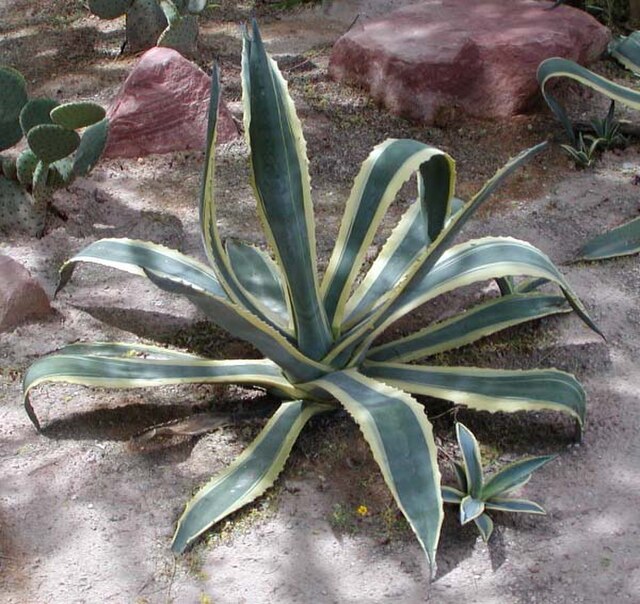
Agave (General)
Extremely popular succulent genus. Ranges from expensive Titanota to garden-friendly Attenuata.
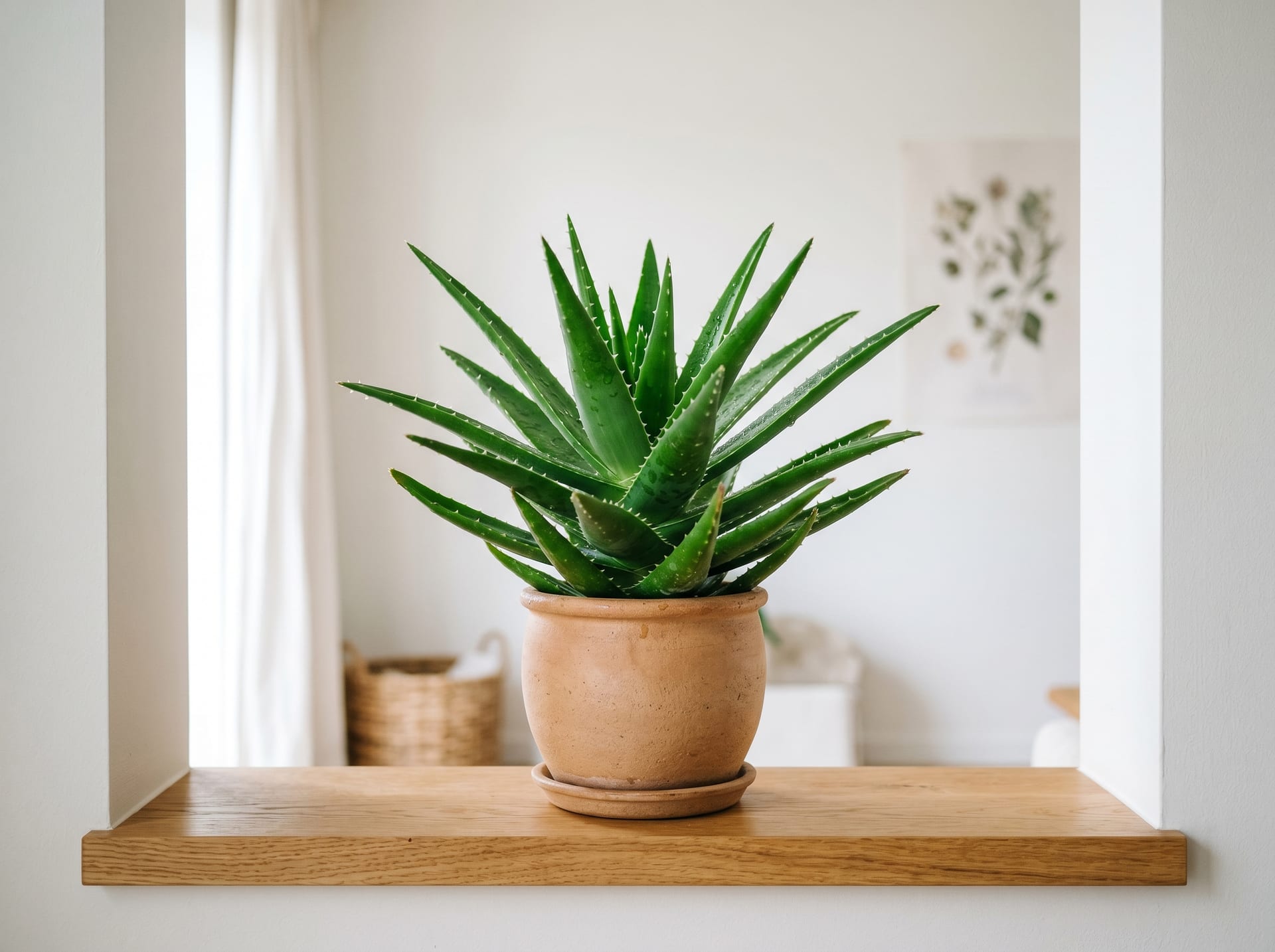
Aloe
Succulent known for medicinal and edible uses. Aloe vera most famous. Hardy, fast-growing, recommended for beginners.
 © Diego Delso / CC BY-SA 3.0
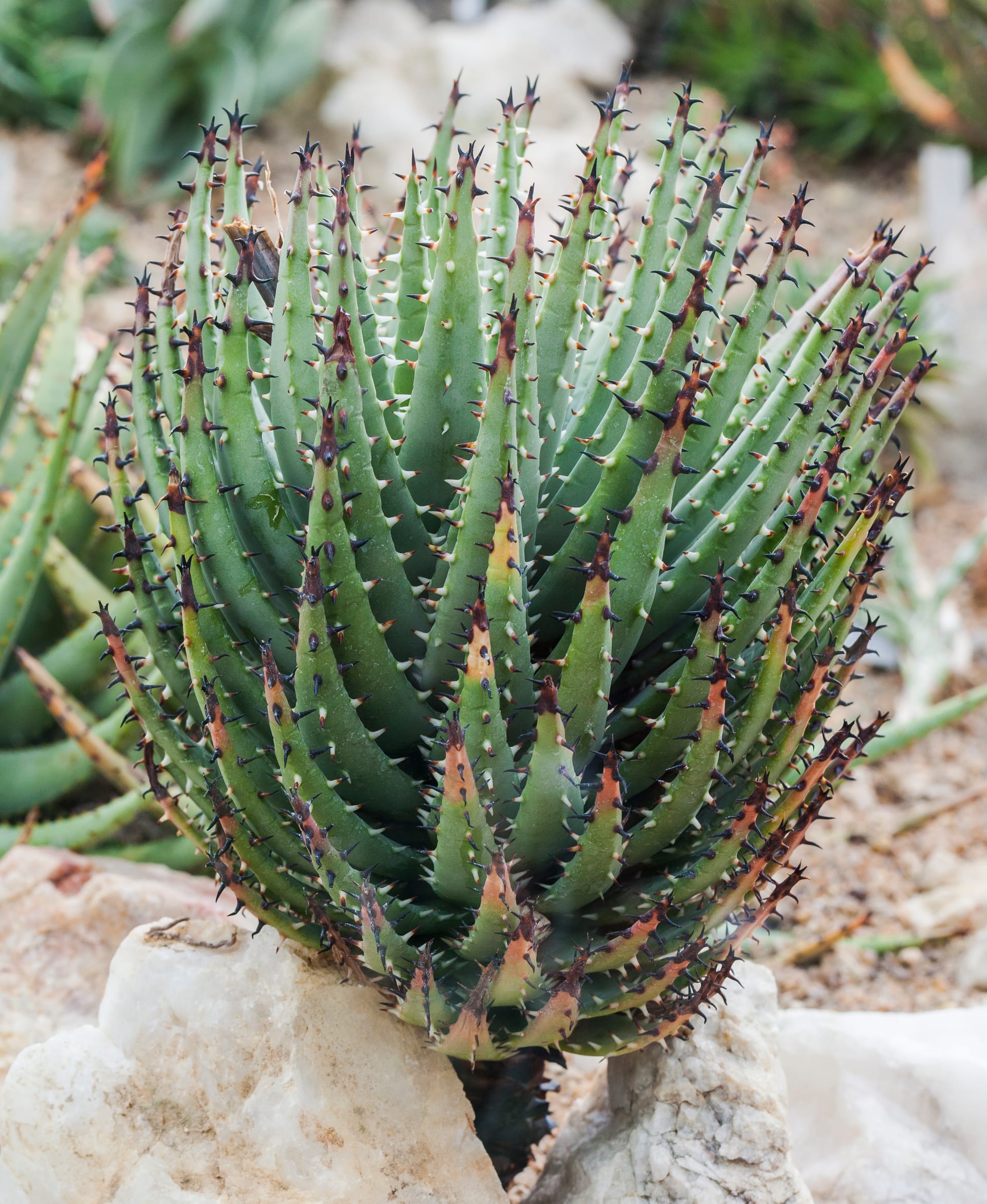
Aloe erinacea
Aloe erinacea
A small aloe with short, incurved blue-green leaves densely armed with long milky-white spines. Endemic to arid Namibian mountains; the name means 'hedgehog-like'.
 © Collage by en:User:MidgleyDJ , original images from Wikimedia commons ( Image:Aloe_vera_offsets.jpg and Image:Aloe_vera_C.jpg ) / CC BY-SA 3.0
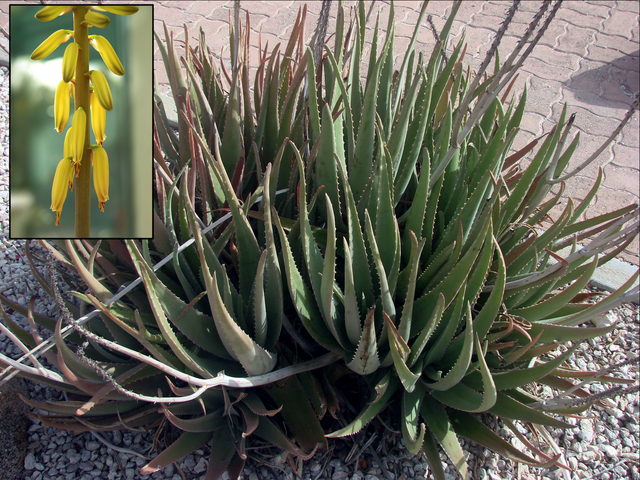
Aloe Vera
Aloe vera
World-famous succulent for medicinal and beauty uses. Thick leaves contain gel-like compounds.
 © Michael Wolf / CC BY 2.5
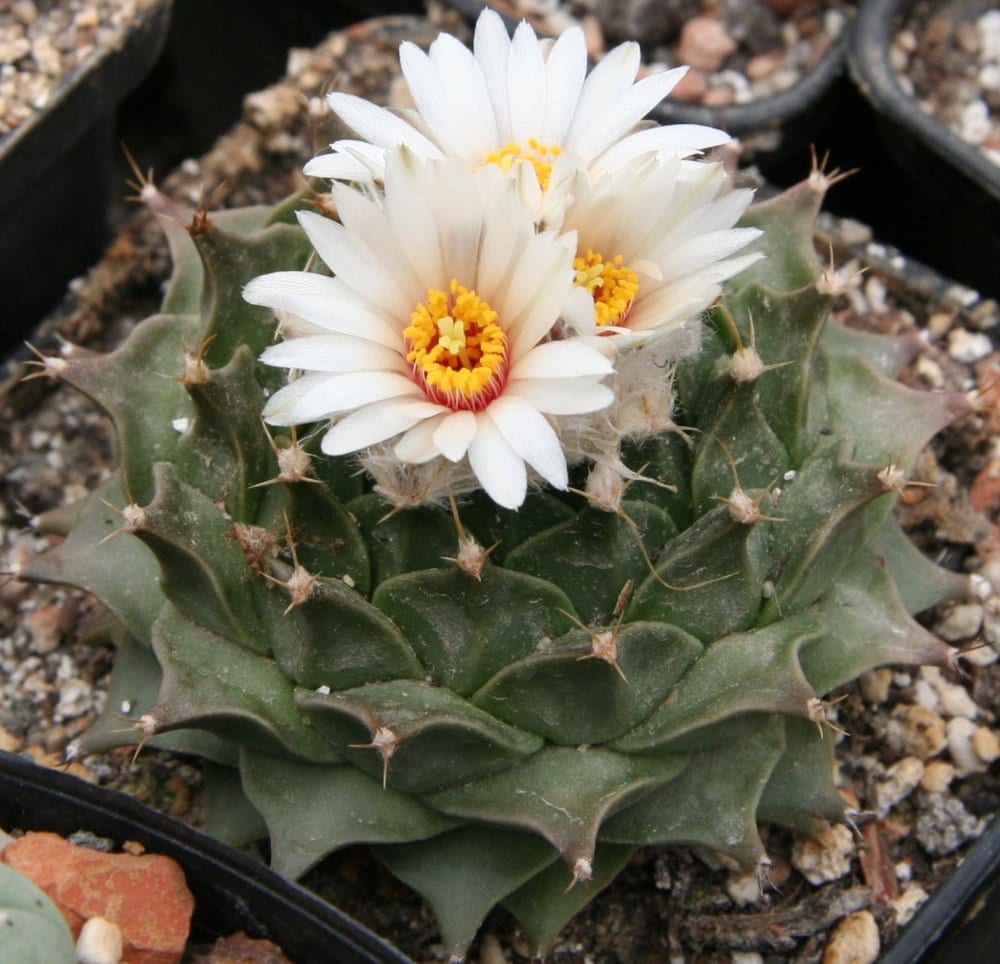
Artichoke cactus
Obregonia denegrii
The only species in its genus, with leaf-like triangular tubercles spiralled into a shape like an artichoke or upturned pine cone. The woolly crown bears white flowers in summer.
 © Kosteek / Public domain
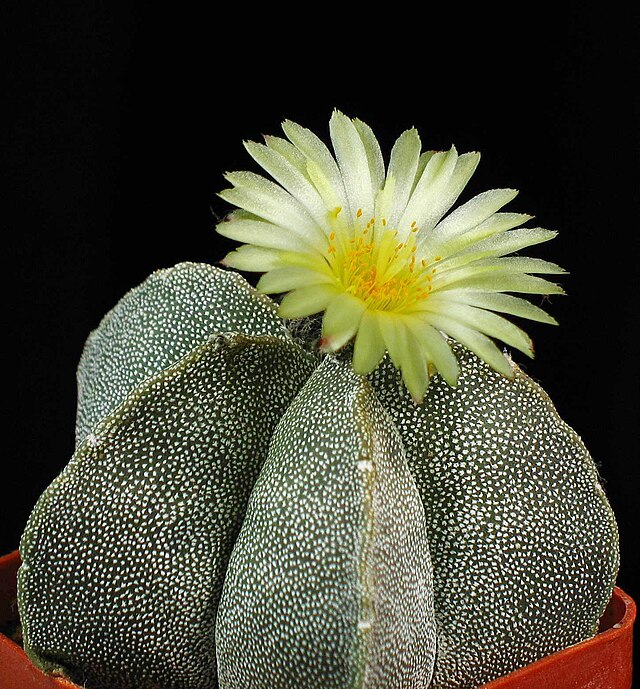
Astrophytum
A cactus with star-like shape and white flecks. Many popular varieties like Kabuto and Ranpo.
 © Andrew Hankey / CC BY-SA 4.0
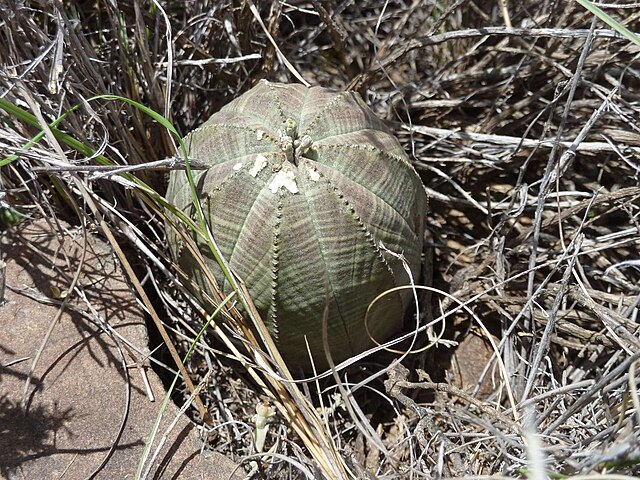
Baseball Plant
Euphorbia obesa
A ball-shaped succulent that looks like a cactus but belongs to the spurge family. It rots easily, so water only once the mix has dried out completely.
 © Abu Shawka / CC BY-SA 3.0
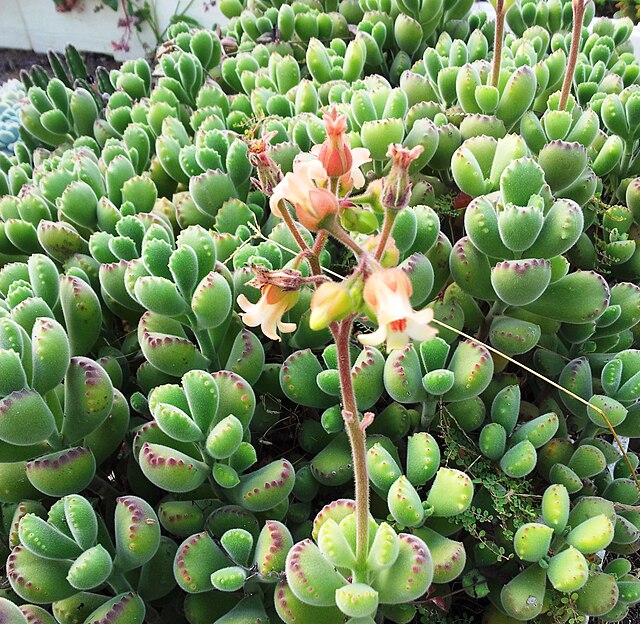
Bear's Paw
Cotyledon tomentosa
A cute succulent with bear paw-shaped leaves. Characterized by claw-like protrusions at leaf tips.
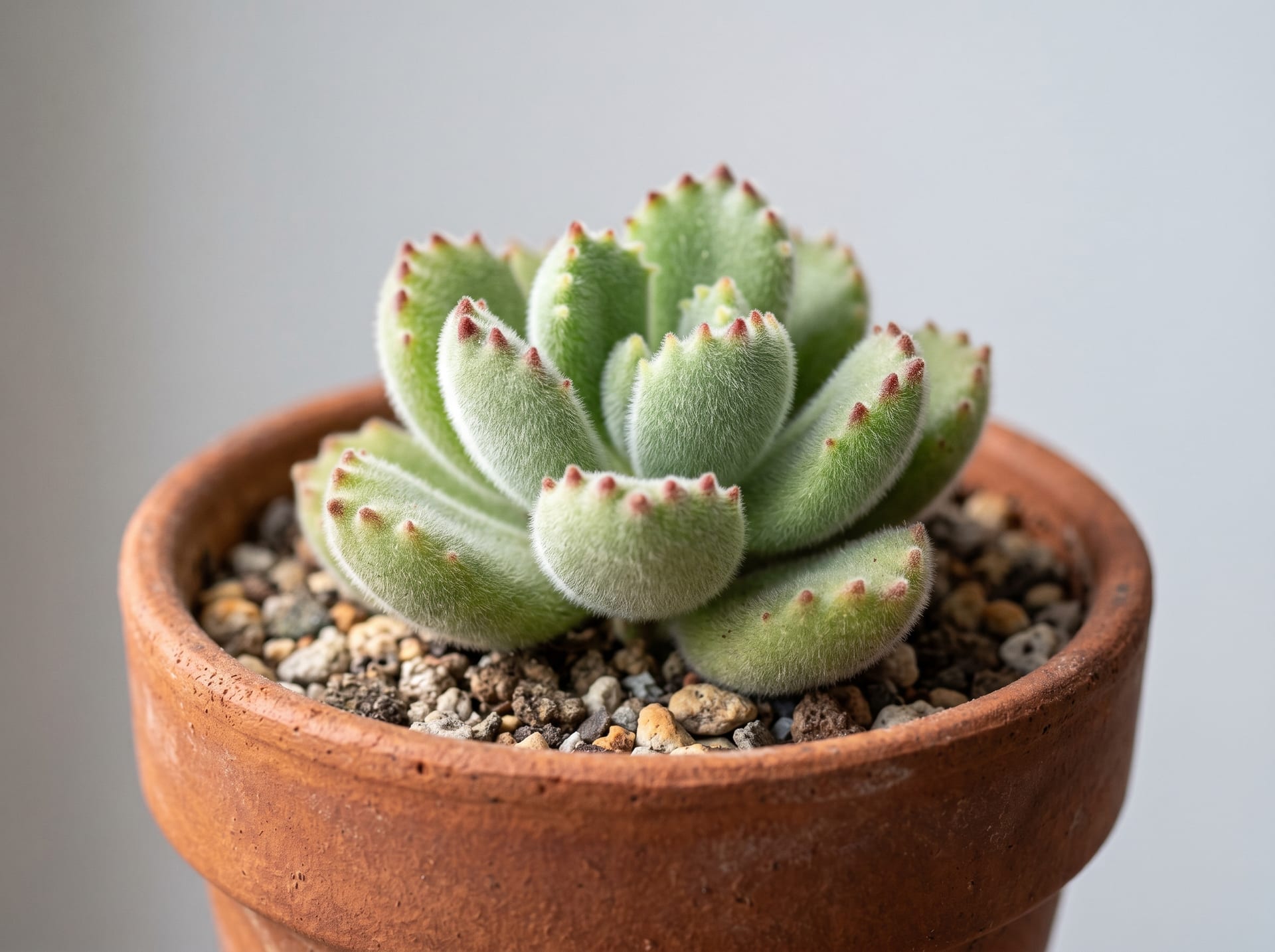
Bear’s Paw (White Bear)
Cotyledon tomentosa subsp. ladismithiensis
A subspecies of Bear’s Paw covered in white fluff. The red claw-like leaf tips and fuzzy texture make it a beloved succulent.
 © Diego Delso / CC BY-SA 3.0
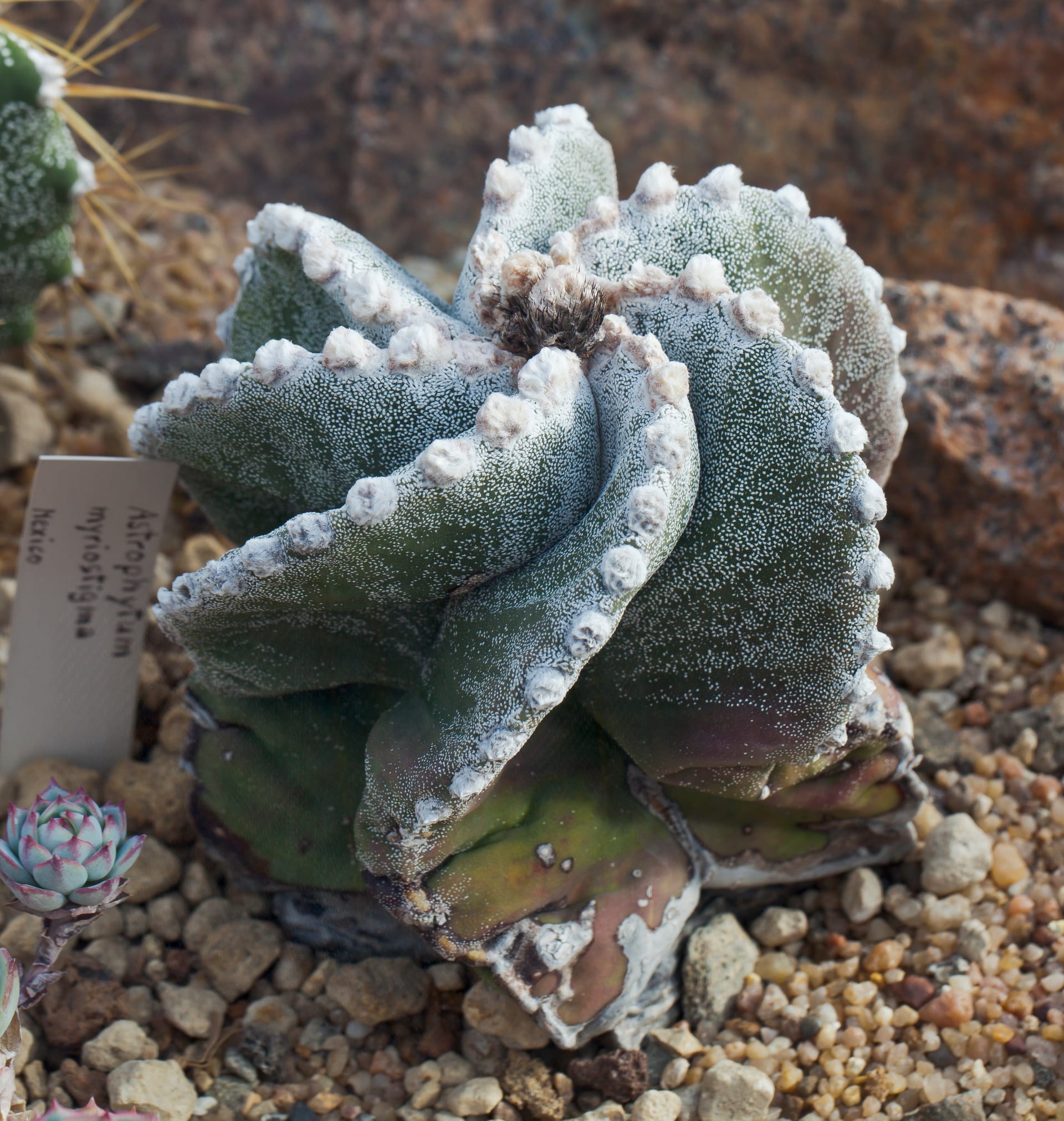
Bishop's cap
Astrophytum myriostigma
A spineless cactus, usually with five ribs that make a star shape from above, dusted with white flecks. Many forms differ in rib number and flecking; tough and an ideal first star cactus.
 © Paradise Chronicle / CC BY-SA 4.0
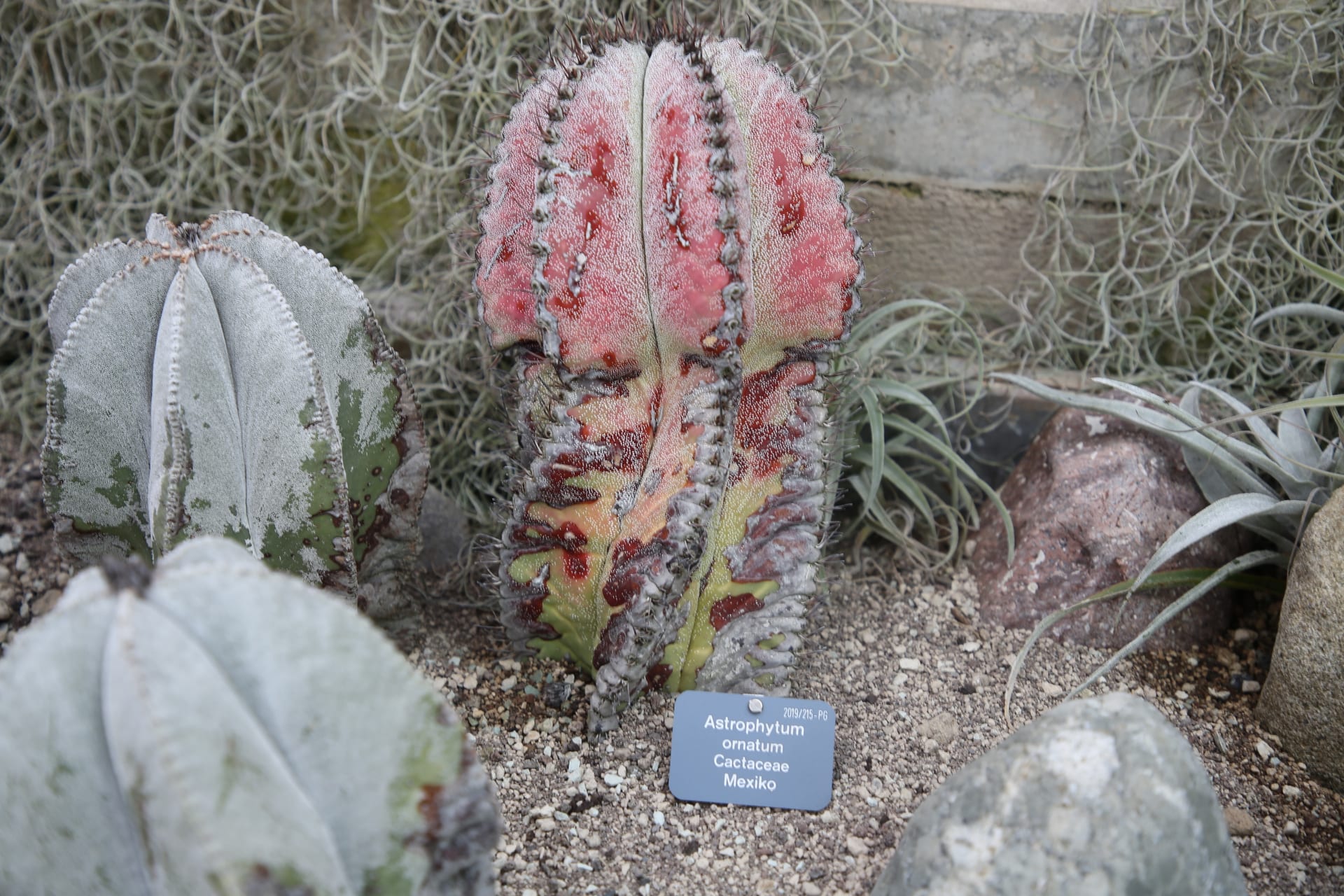
Bishop's cap / Star cactus
Astrophytum ornatum
The largest Astrophytum, becoming columnar and up to 2 m tall in habitat. Sharp ribs carry stout spines, and white woolly flecks pattern the dark green skin. Yellow flowers in summer.
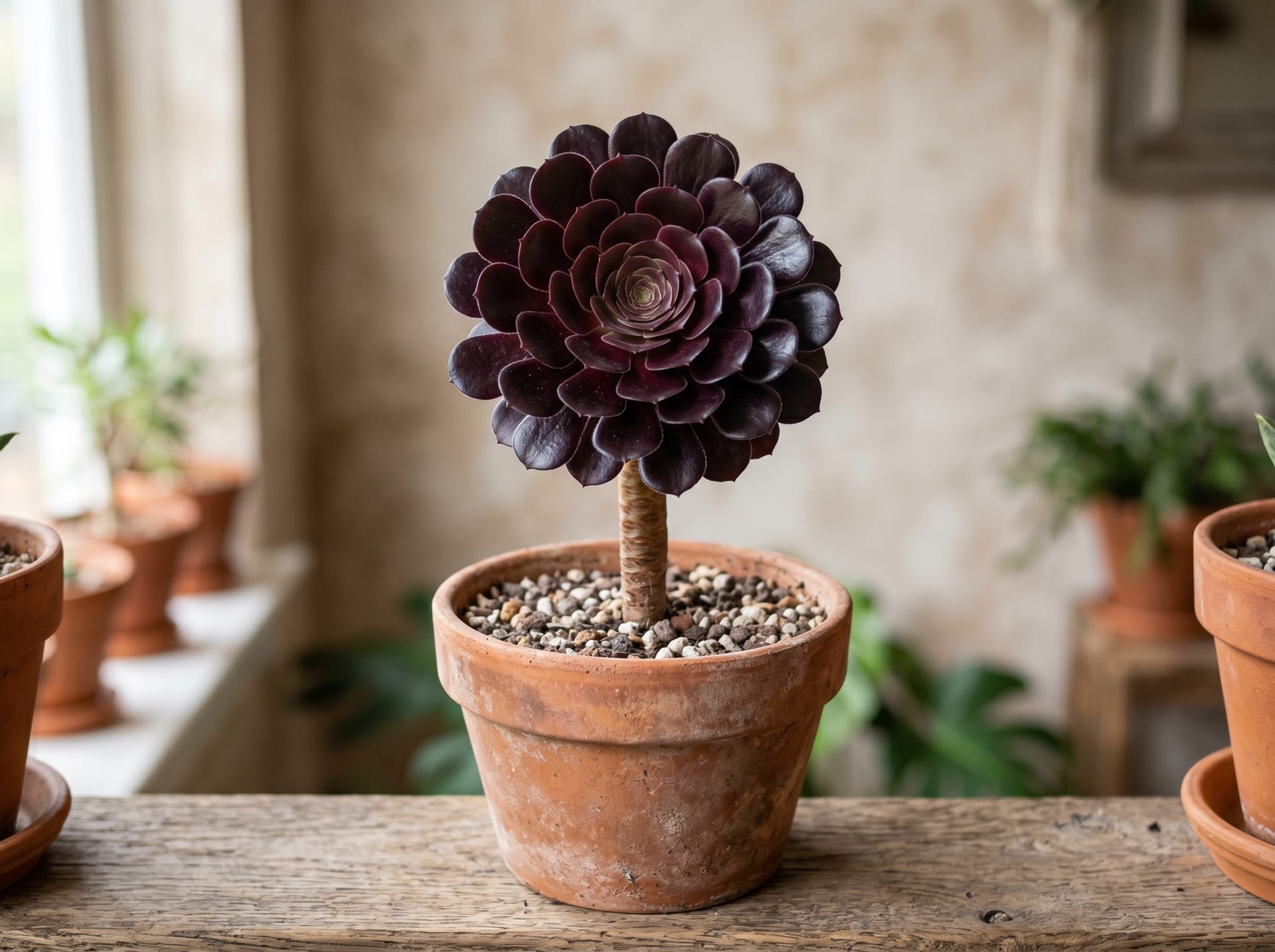
Black Rose Aeonium
Aeonium arboreum
An impressive succulent with dark purple to black rosettes. Winter grower, dormant in summer.
 © Diego Delso / CC BY-SA 3.0
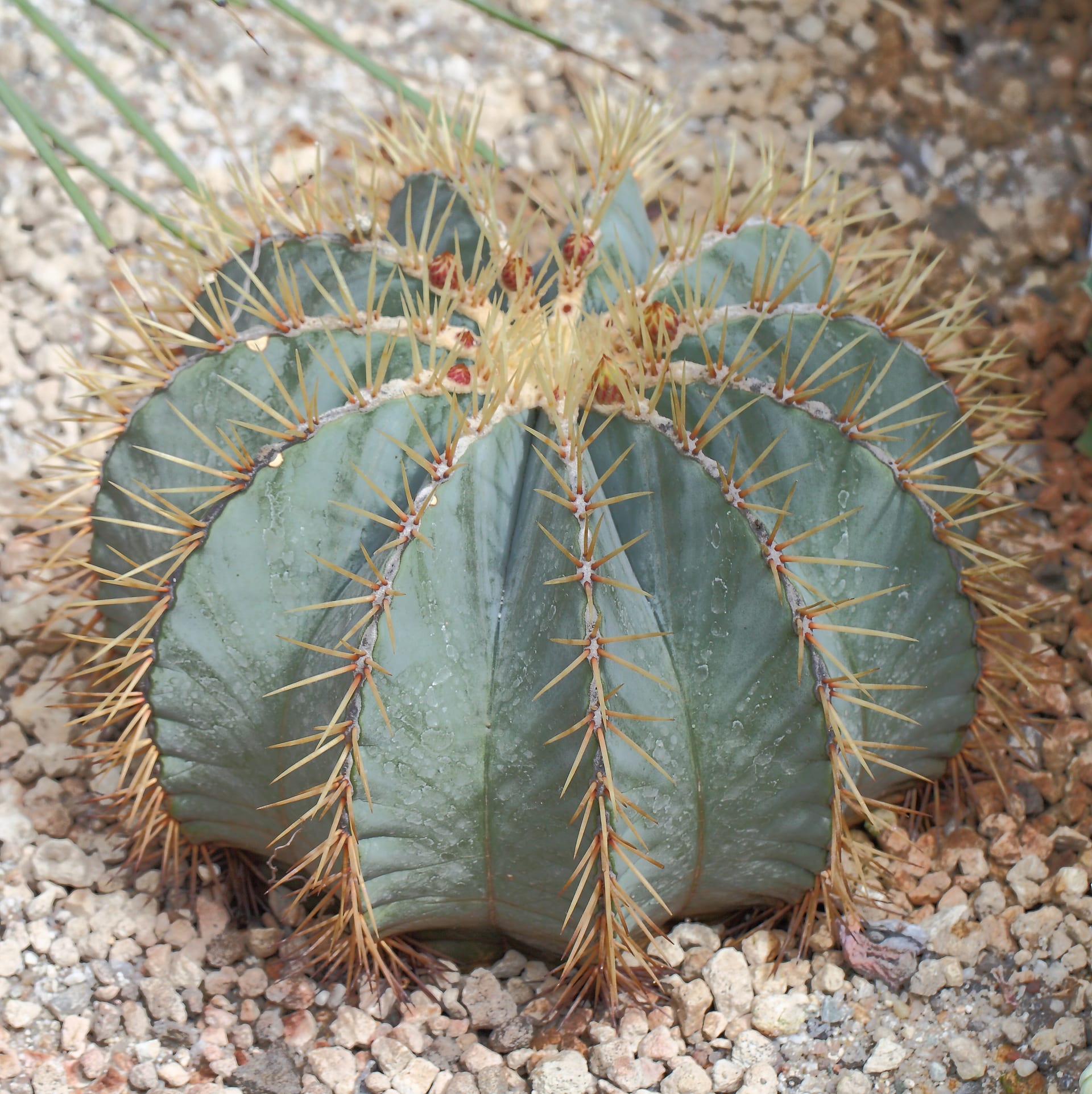
Blue barrel cactus
Ferocactus glaucescens
A barrel cactus whose frosted blue-green skin contrasts with yellow spines on sharp ribs. It grows from globular to cylindrical and bears yellow, bell-shaped flowers at the crown.
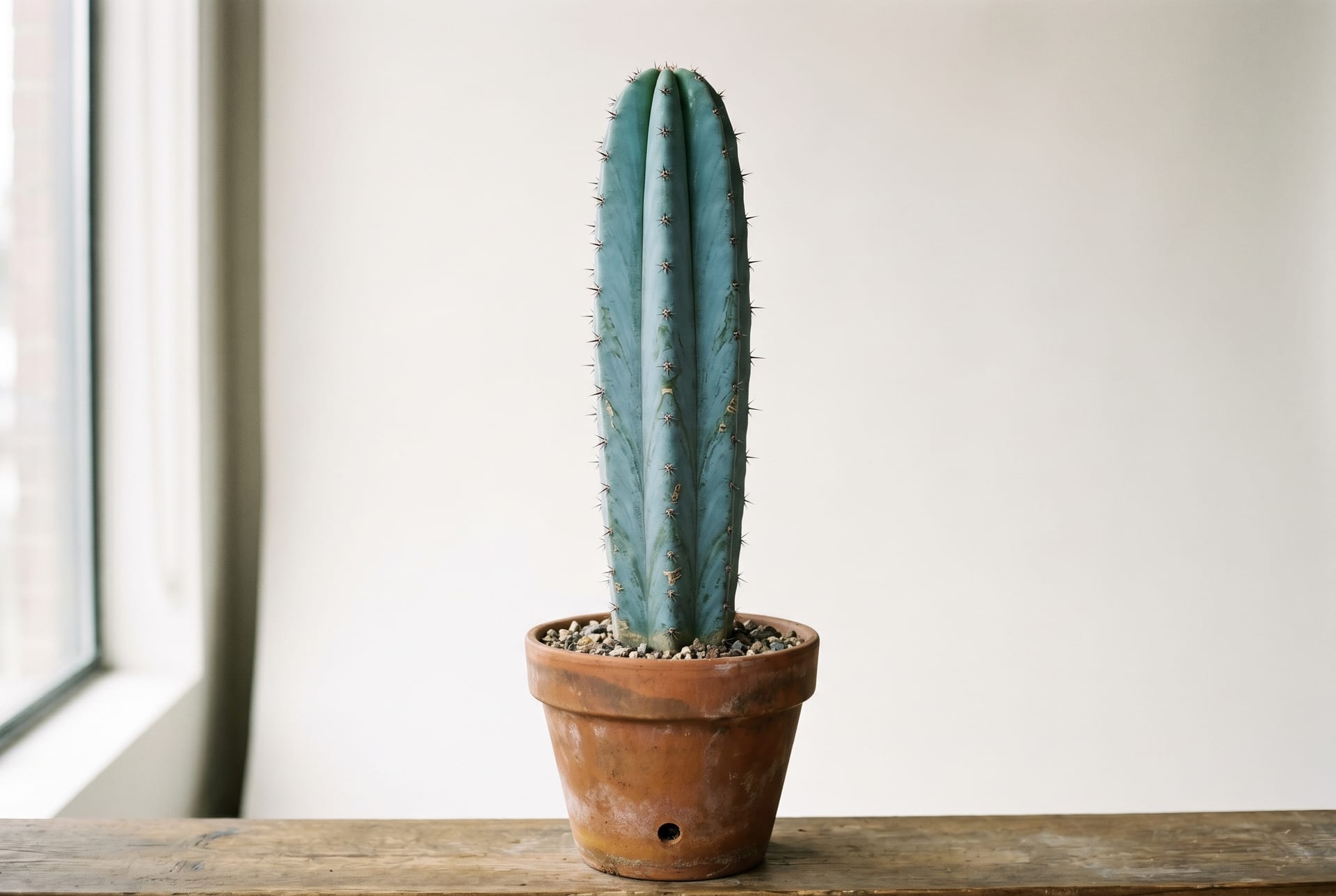
Blue Candelabra Cactus
Myrtillocactus geometrizans
A columnar cactus prized for powdery blue-green stems. Hardy and fast-growing, it is a standard grafting rootstock and a striking garden specimen.
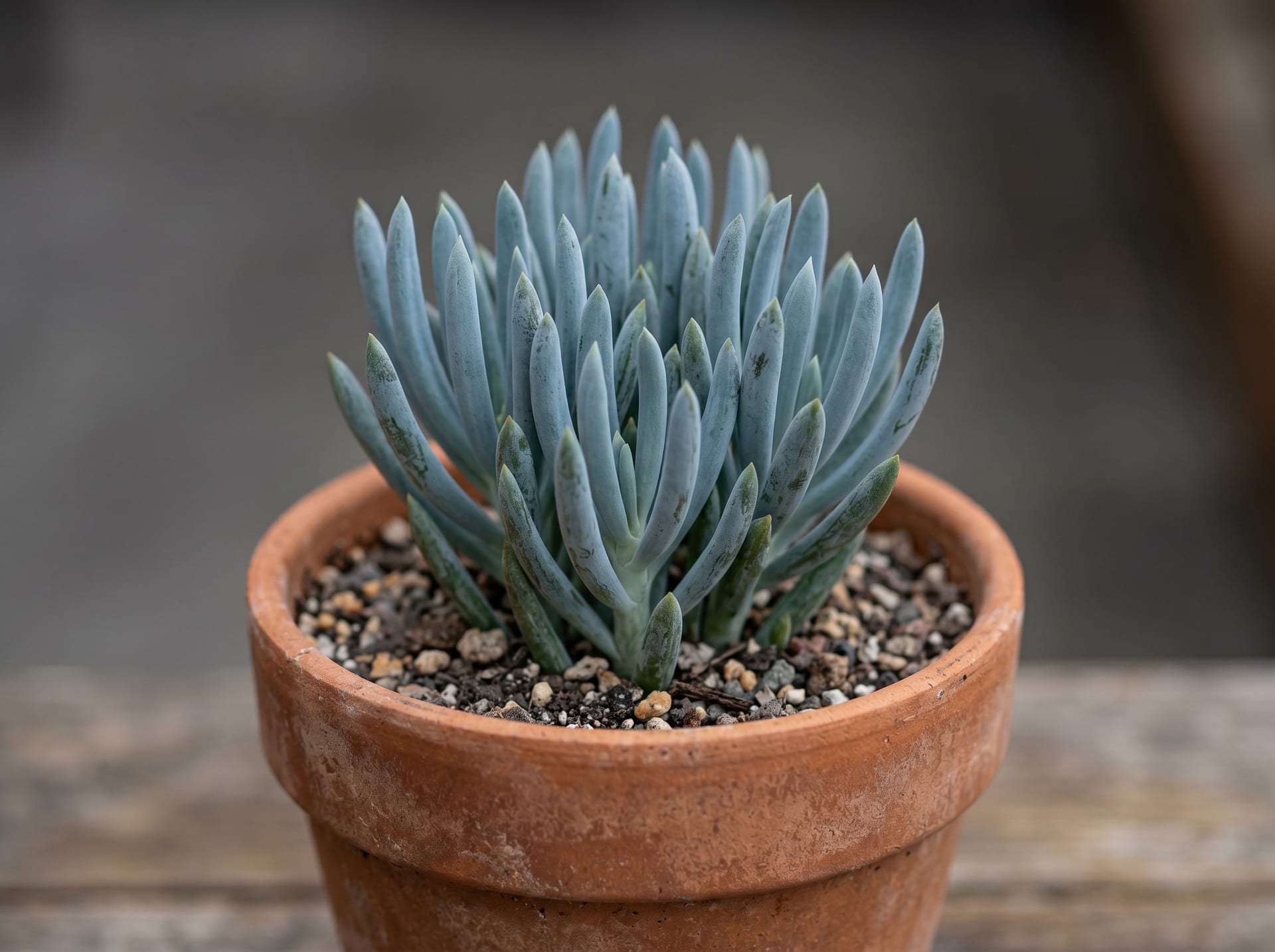
Blue Chalksticks
Curio repens
A succulent with densely packed blue-white stick-like leaves. A blue variety also usable as ground cover.
 © Morningdew51 at English Wikipedia / CC BY-SA 3.0
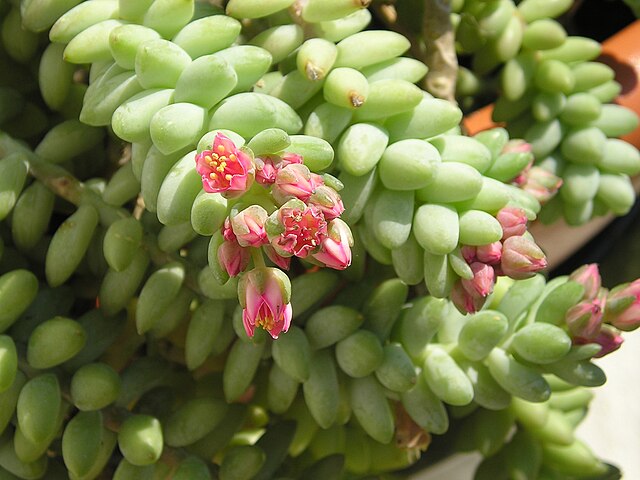
Burro's Tail
Sedum morganianum
A succulent with plump leaves trailing downward in chains. Beautiful when displayed in hanging baskets.
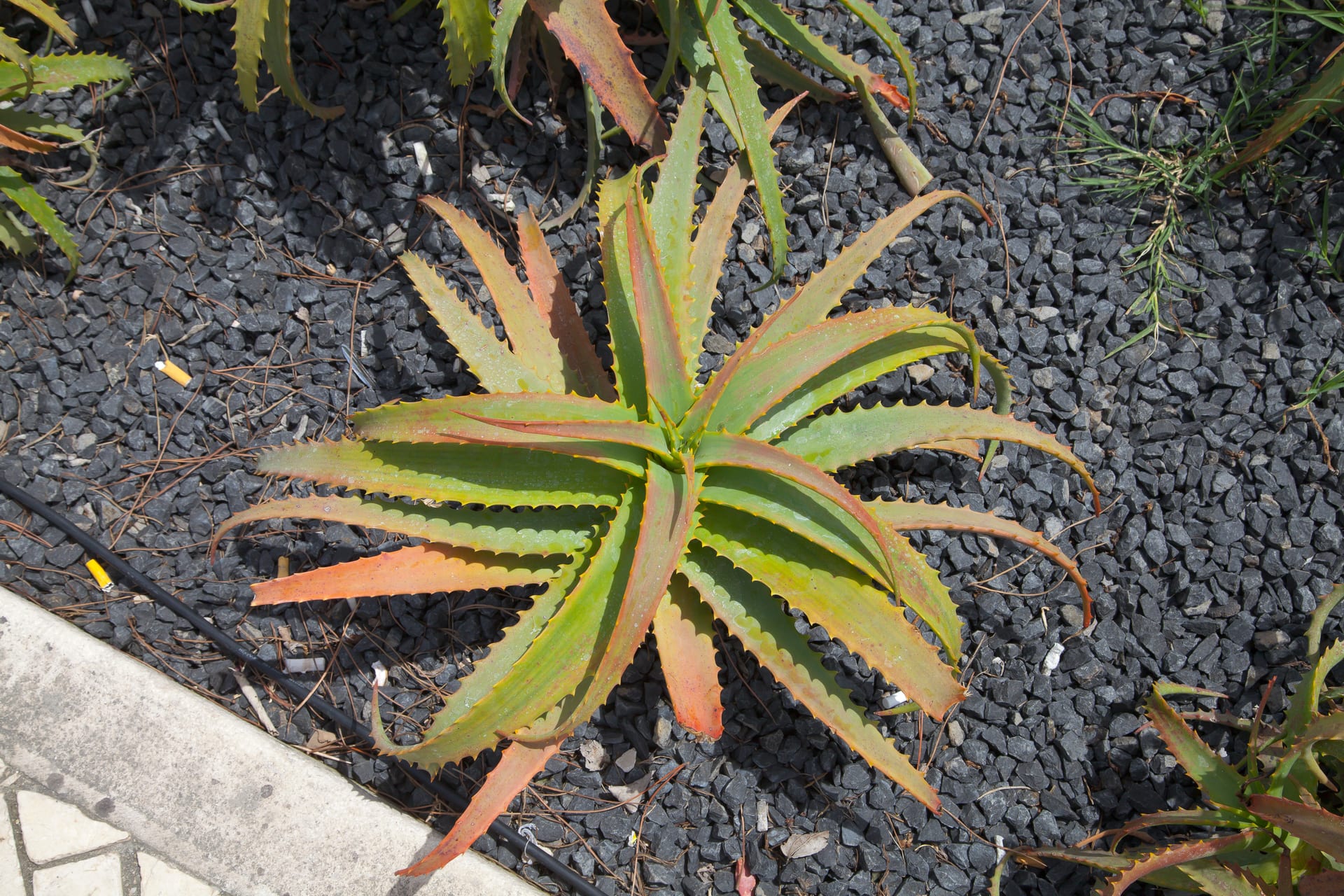 © Diego Delso / CC BY-SA 3.0
Candelabra aloe
Aloe arborescens
A large, branching aloe that forms clumps 2–3 m tall, with grey-green leaves edged in pale teeth and red-orange flower spikes in winter. Long grown in Japanese gardens under the folk name isha-irazu.
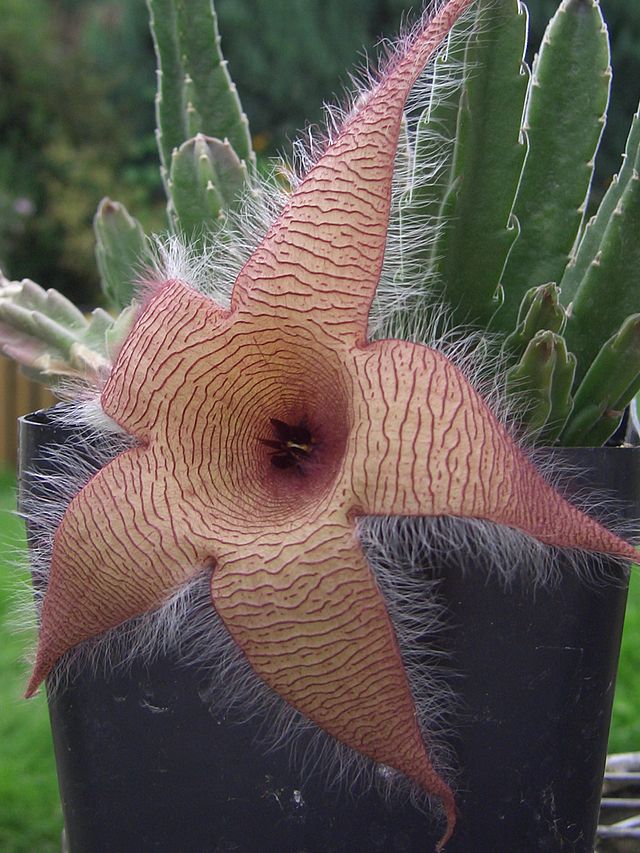 © Michael Joachim Lucke (= user Gilbert8888 ) / CC BY-SA 3.0
Carrion Flower
A unique succulent blooming large starfish-shaped flowers. Flowers attract insects with carrion-like smell.
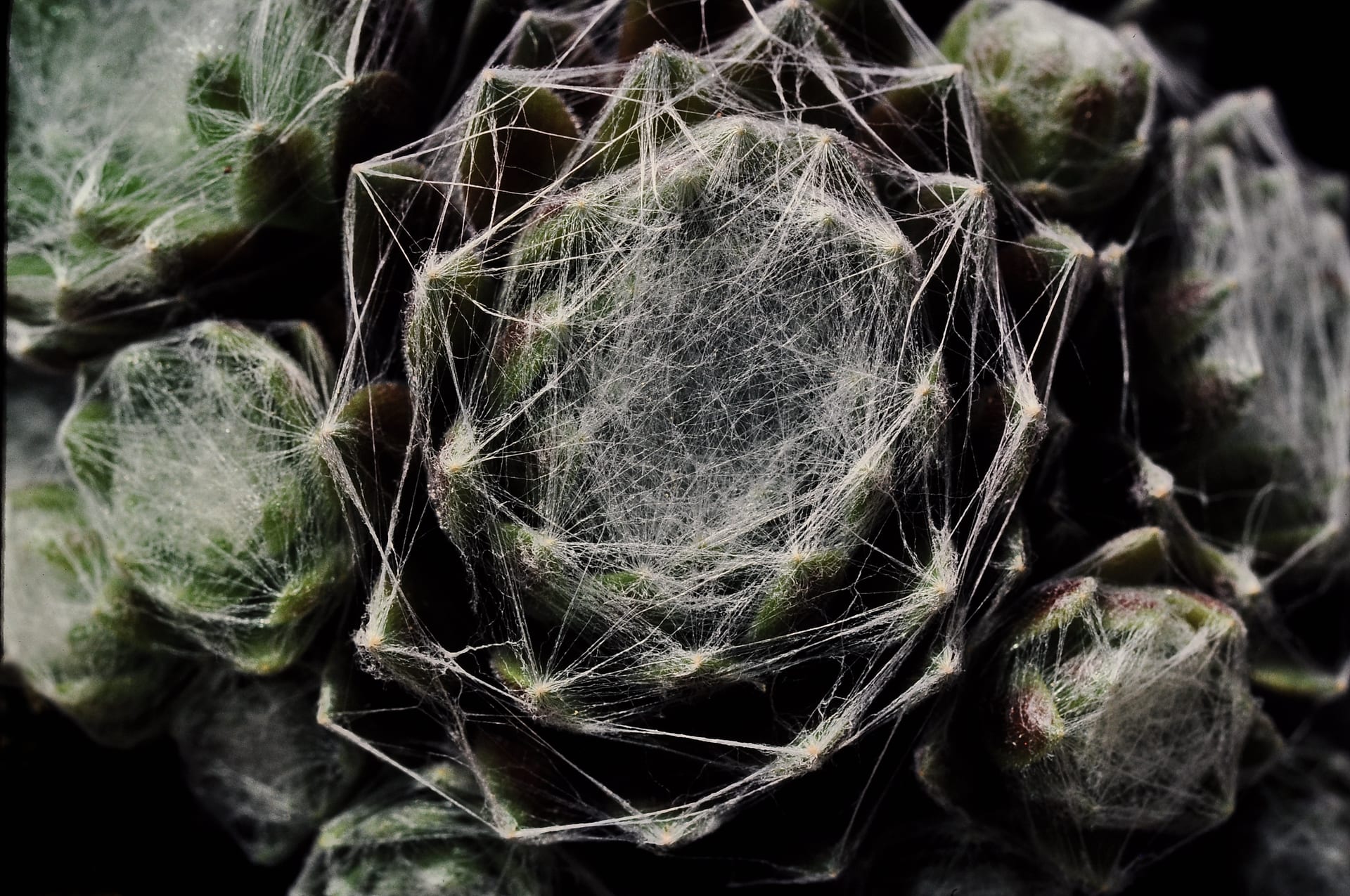 © Schnobby / CC BY-SA 3.0
Cobweb houseleek
Sempervivum arachnoideum
A houseleek whose small rosettes have leaf tips linked by white threads like cobwebs. Native to European mountains and extremely cold-hardy.
Related Content
Succulent FAQ
- How much do succulents cost?
- Common Echeveria cost 300-2,000 yen, popular Haworthia obtusa 1,000-10,000 yen, and rare hybrids or large specimens can exceed tens of thousands of yen.
- Can beginners grow succulents?
- Echeveria, Sedum, and Graptopetalum are hardy and beginner-friendly. Place in a sunny spot and water only when the soil is completely dry.
- What are the key tips for growing succulents?
- Place in a sunny spot with good airflow and water sparingly. Many species go dormant in summer and winter, so adjusting care to their growing season is key to beautiful growth.
- What should I check when buying succulents?
- Check that leaves are plump and firm, the base isn't rotting, and there are no pests (like mealybugs). For bare-root plants, root condition is also important.
- How long do succulents live?
- With proper care, succulents can thrive for 10+ years depending on species. They're easily propagated through leaf cuttings and division, allowing enjoyment across generations.