Succulent Encyclopedia
Encyclopedia of popular succulents with care guides, traits, and propagation methods.
Featured Succulent
Showing 16 of 129 species
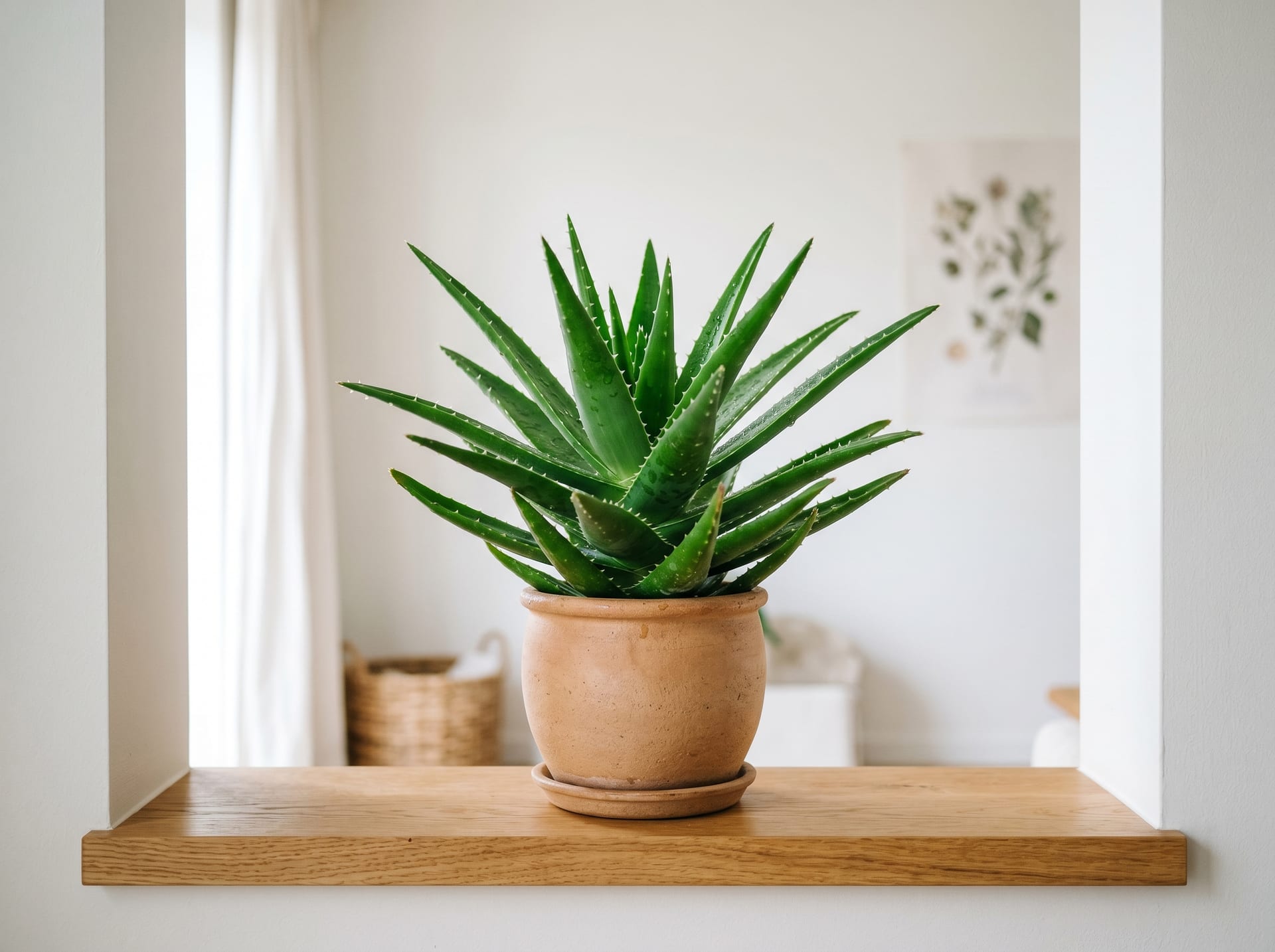
Aloe
Succulent known for medicinal and edible uses. Aloe vera most famous. Hardy, fast-growing, recommended for beginners.
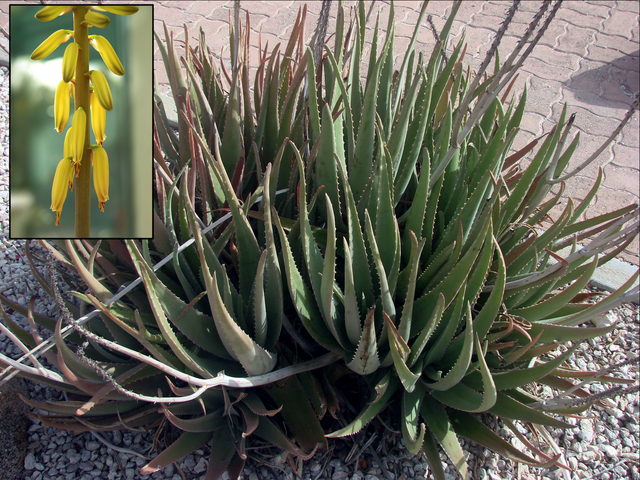 © Collage by en:User:MidgleyDJ , original images from Wikimedia commons ( Image:Aloe_vera_offsets.jpg and Image:Aloe_vera_C.jpg ) / CC BY-SA 3.0
Aloe Vera
Aloe vera
World-famous succulent for medicinal and beauty uses. Thick leaves contain gel-like compounds.
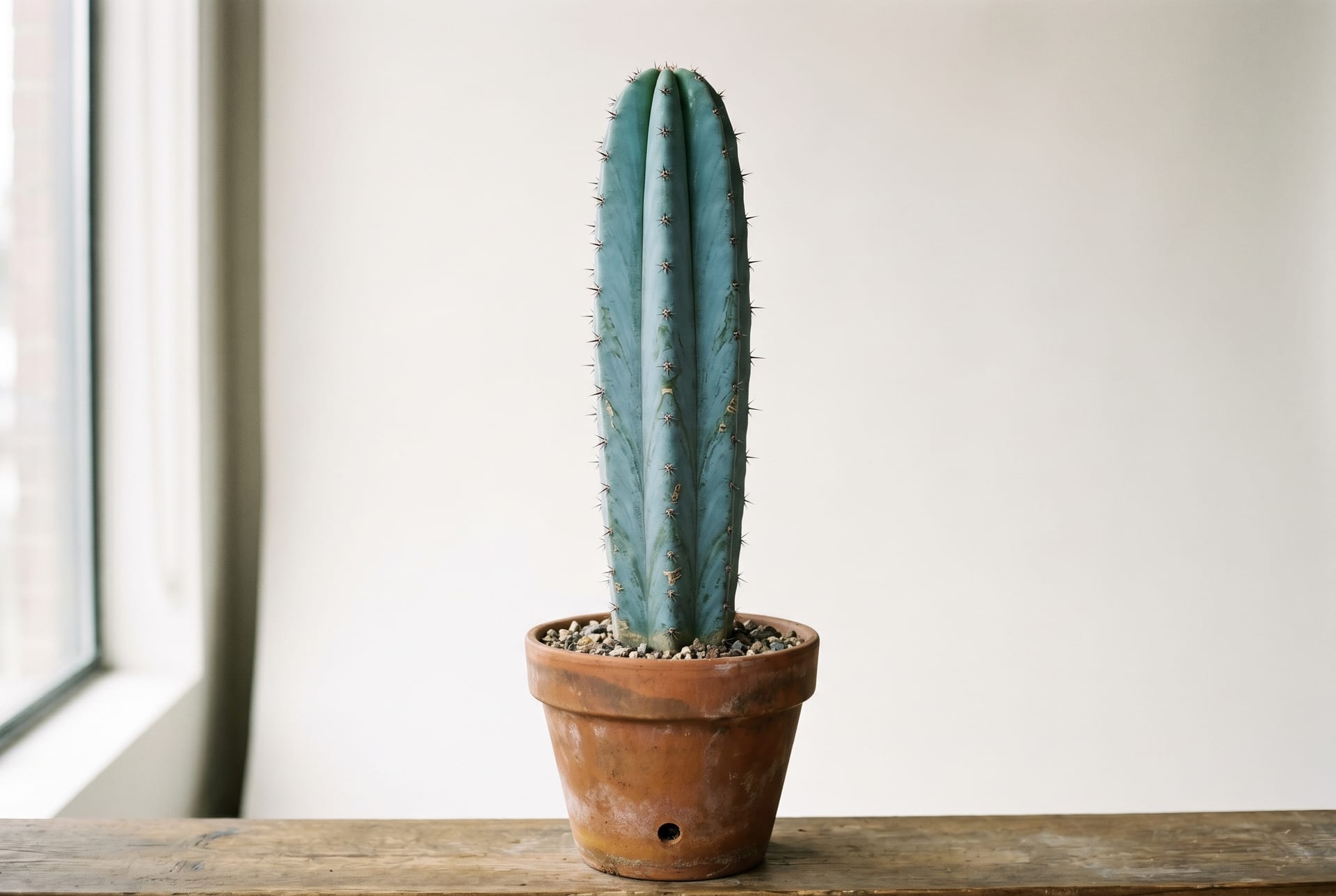
Blue Candelabra Cactus
Myrtillocactus geometrizans
A columnar cactus prized for powdery blue-green stems. Hardy and fast-growing, it is a standard grafting rootstock and a striking garden specimen.
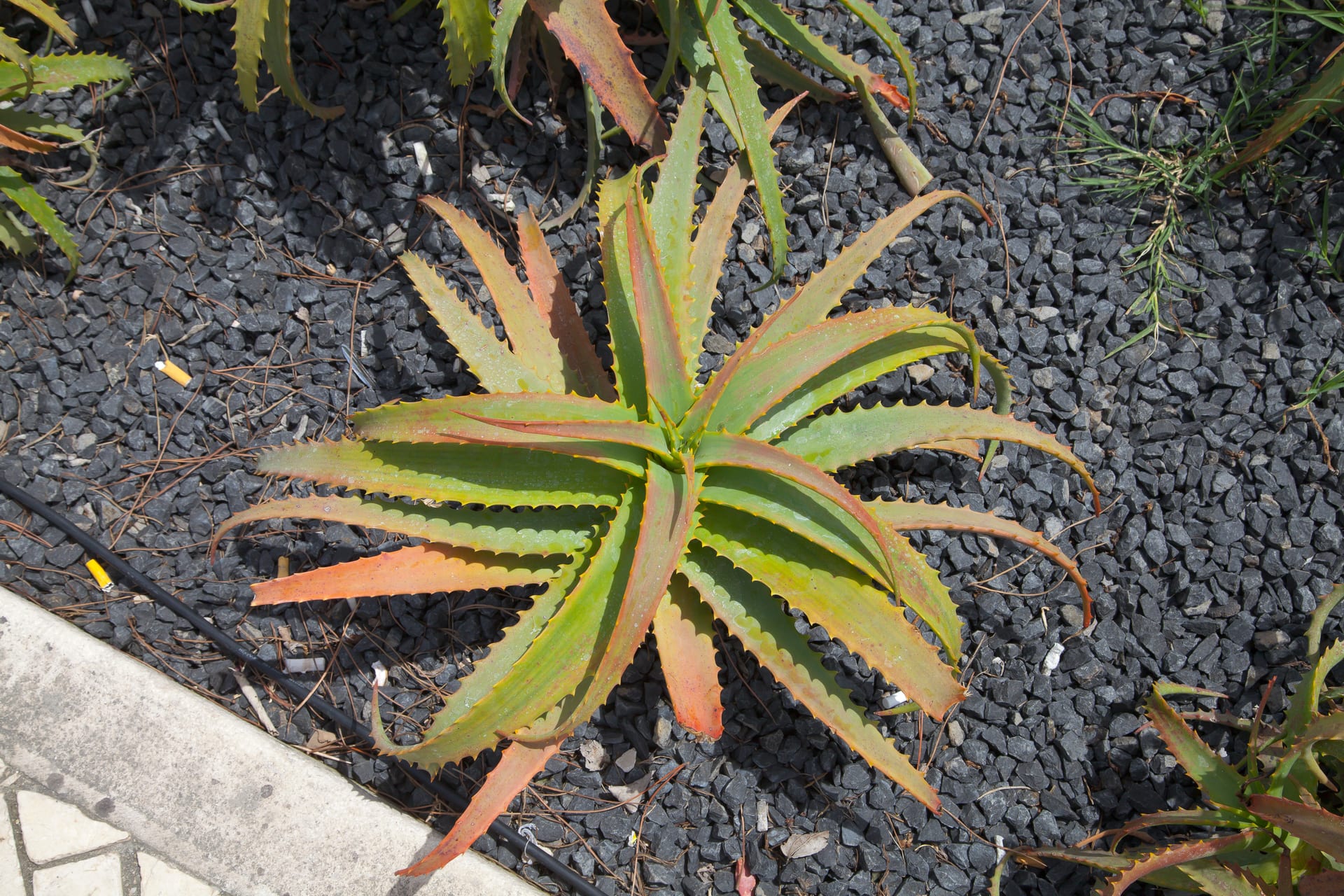 © Diego Delso / CC BY-SA 3.0
Candelabra aloe
Aloe arborescens
A large, branching aloe that forms clumps 2–3 m tall, with grey-green leaves edged in pale teeth and red-orange flower spikes in winter. Long grown in Japanese gardens under the folk name isha-irazu.
 © cultivar413 from Fallbrook, California / CC BY 2.0
Crassula capitella 'Campfire'
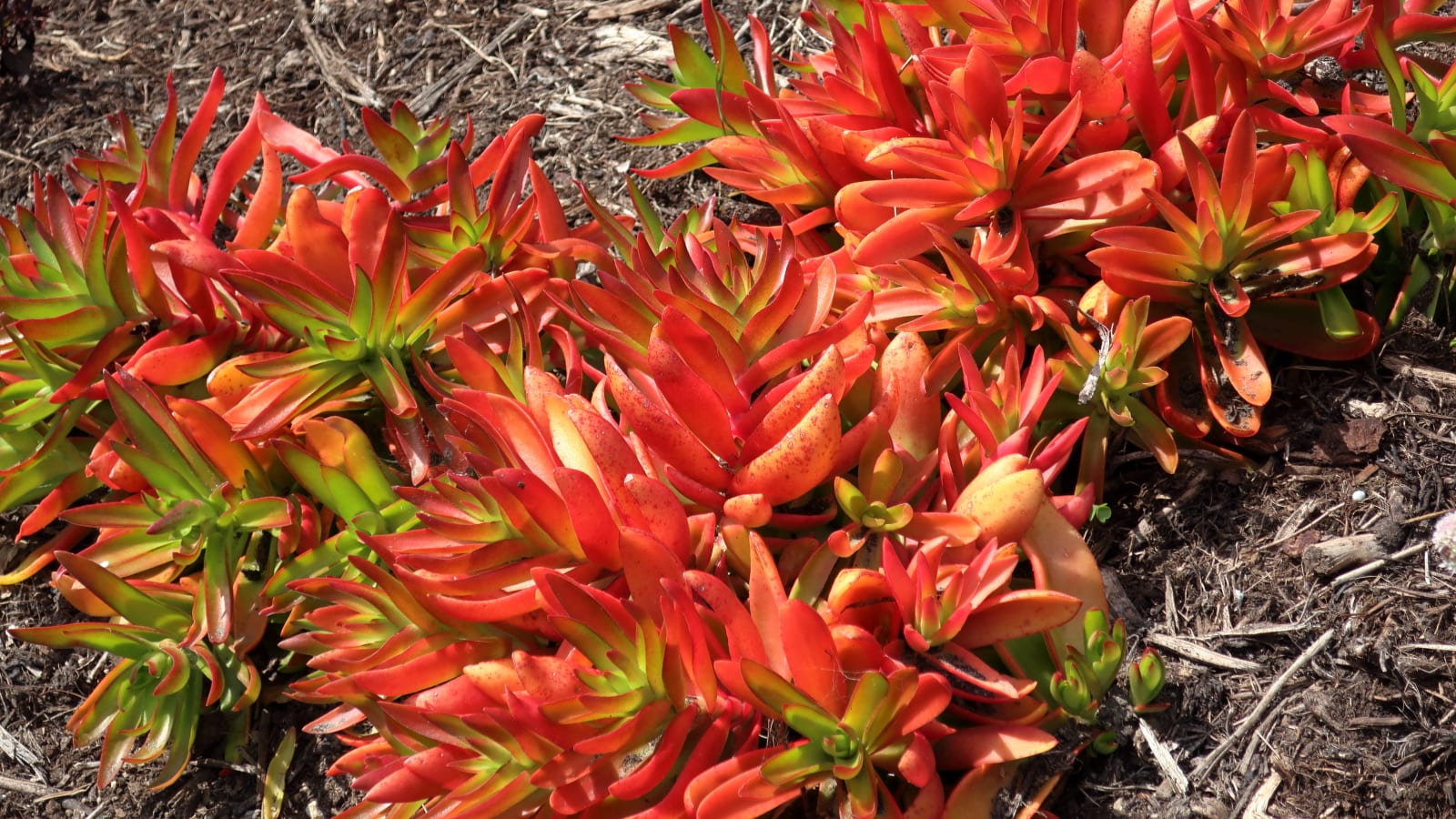
Crassula capitella 'Campfire'
Pointed leaves stacked crosswise like propellers turn from lime green in summer to fiery red in winter cold and sun. A fast-growing, spreading Crassula cultivar.
 © stephen boisvert from Chicago, United States / CC BY 2.0
Echeveria Agavoides
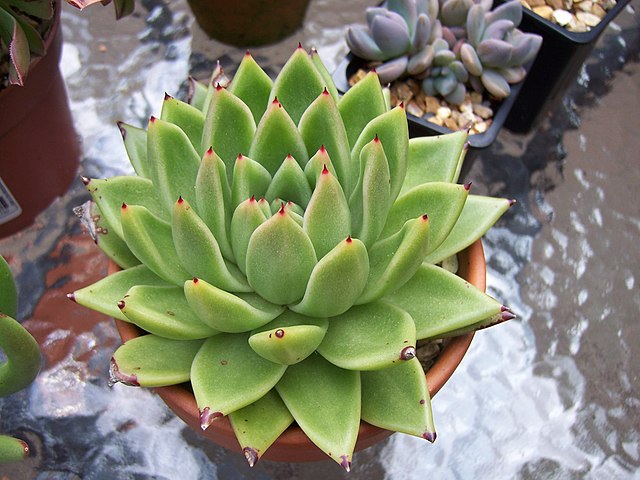
Echeveria agavoides
An echeveria with agave-like pointed leaves. Beautiful with red leaf tip accents.
Elephant Bush
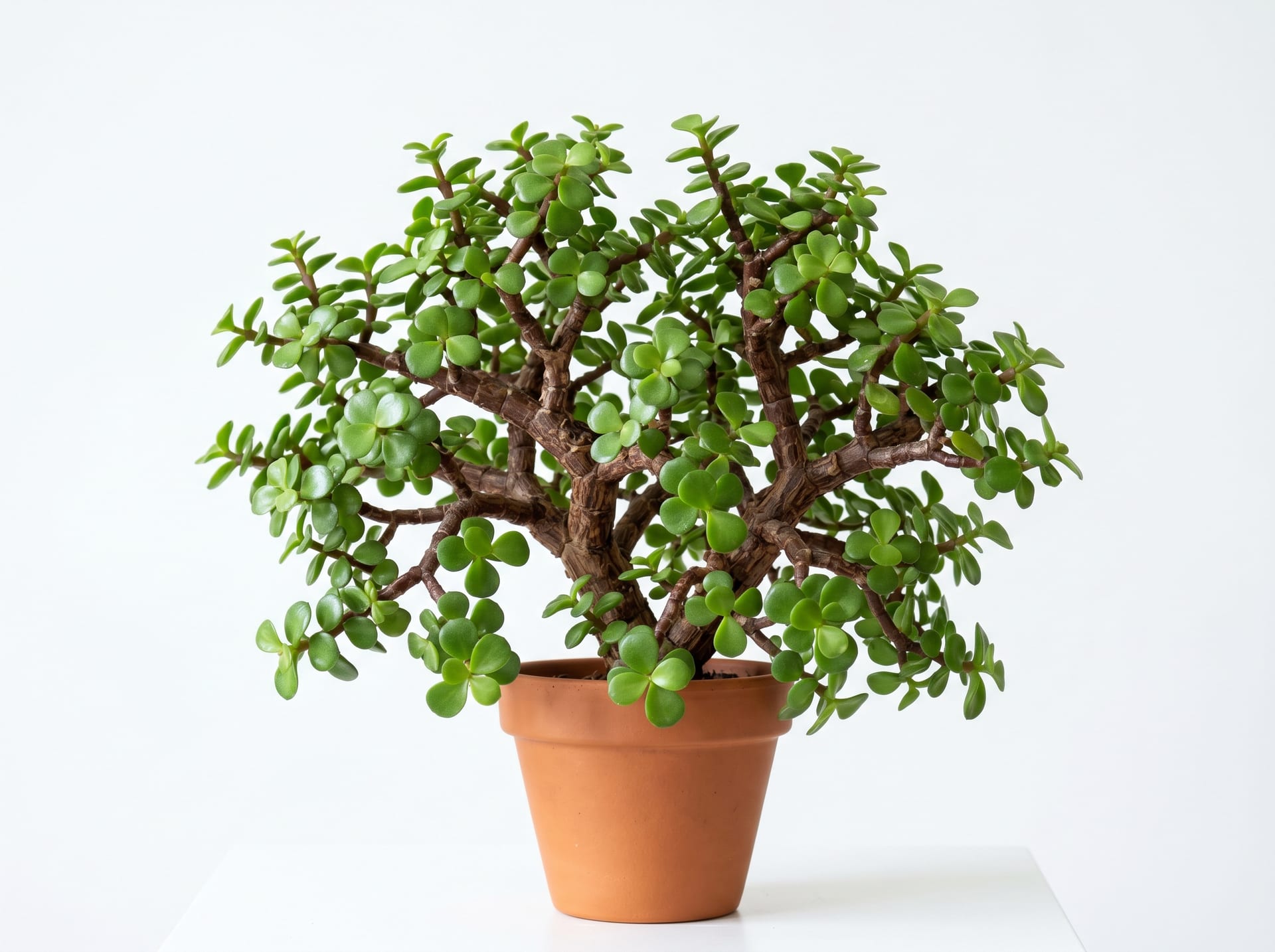
Portulacaria afra
A succulent with densely packed small round leaves. Can be trained as bonsai, eco-friendly with high CO2 absorption.
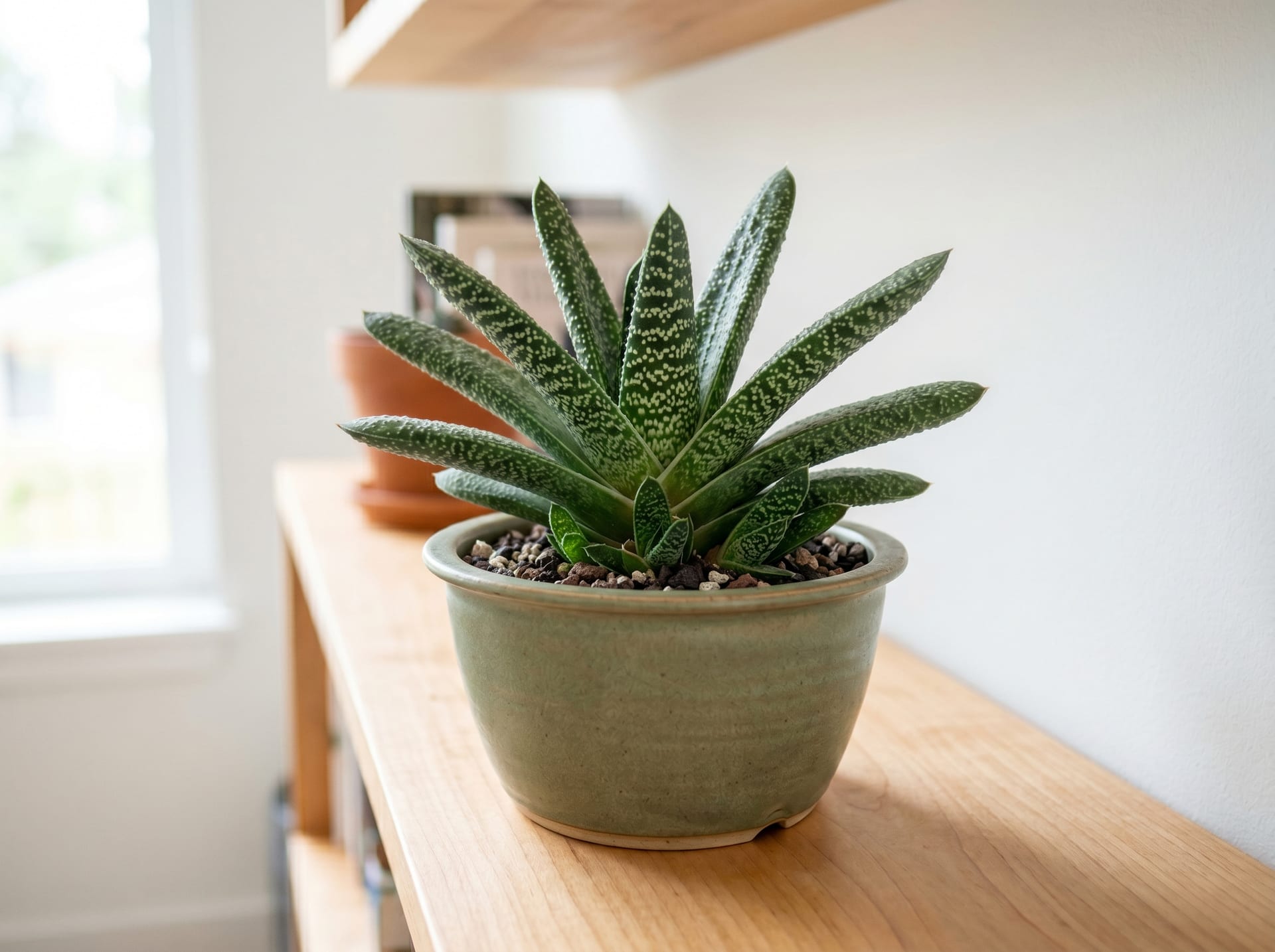
Gasteria
A hardy succulent with thick tongue-like leaves. High shade tolerance makes it ideal for indoor growing.
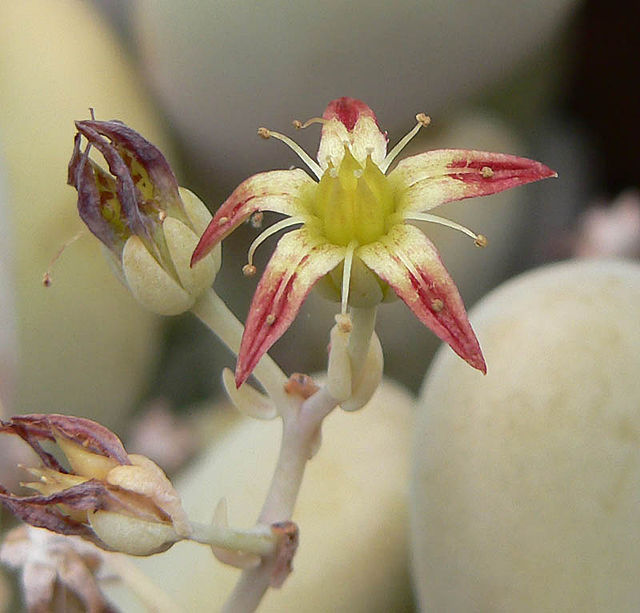 © Stan Shebs / CC BY-SA 3.0
Graptopetalum
Hardy succulent with Oborozuki as representative. Beautiful silver-grey leaves. Easy leaf propagation. Perfect for beginners.
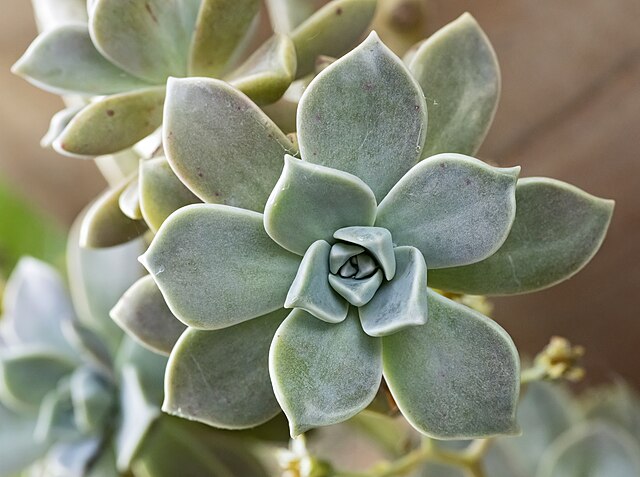 © Didier Descouens / CC BY-SA 4.0
Graptopetalum Paraguayense
Graptopetalum paraguayense
A beautiful succulent with calm silver-gray rosettes. Very hardy and easy to propagate.
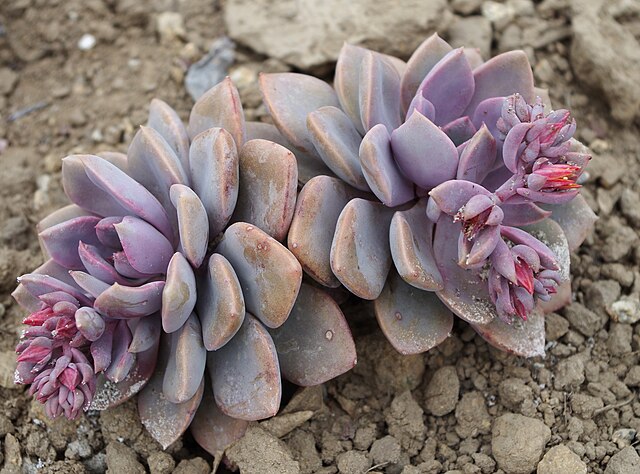 © Dinkum / CC BY-SA 3.0
Graptoveria
×Graptoveria
An intergeneric hybrid of Graptopetalum and Echeveria. Inherits the best of both parents - hardy and beautiful.
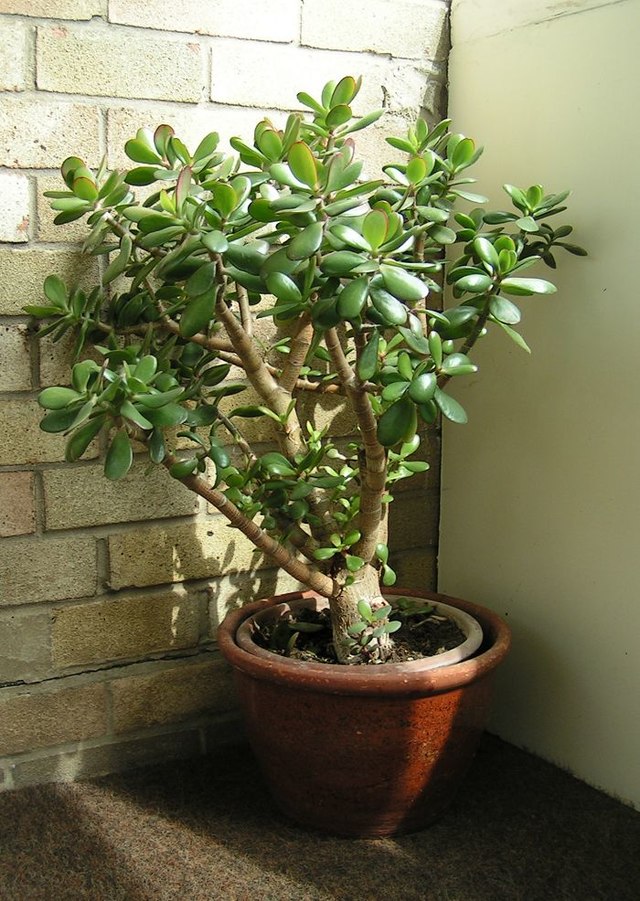 © author is sannse . / CC BY-SA 3.0
Jade Plant
Crassula ovata
A hardy succulent popular for its auspicious name. Features thick round leaves and woody trunk.
 © Marcin Sochacki (Wanted) / CC BY-SA 4.0
Prickly Pear
A cactus with flat paddle-shaped stems in series. Hardy species also eaten in Mexico.
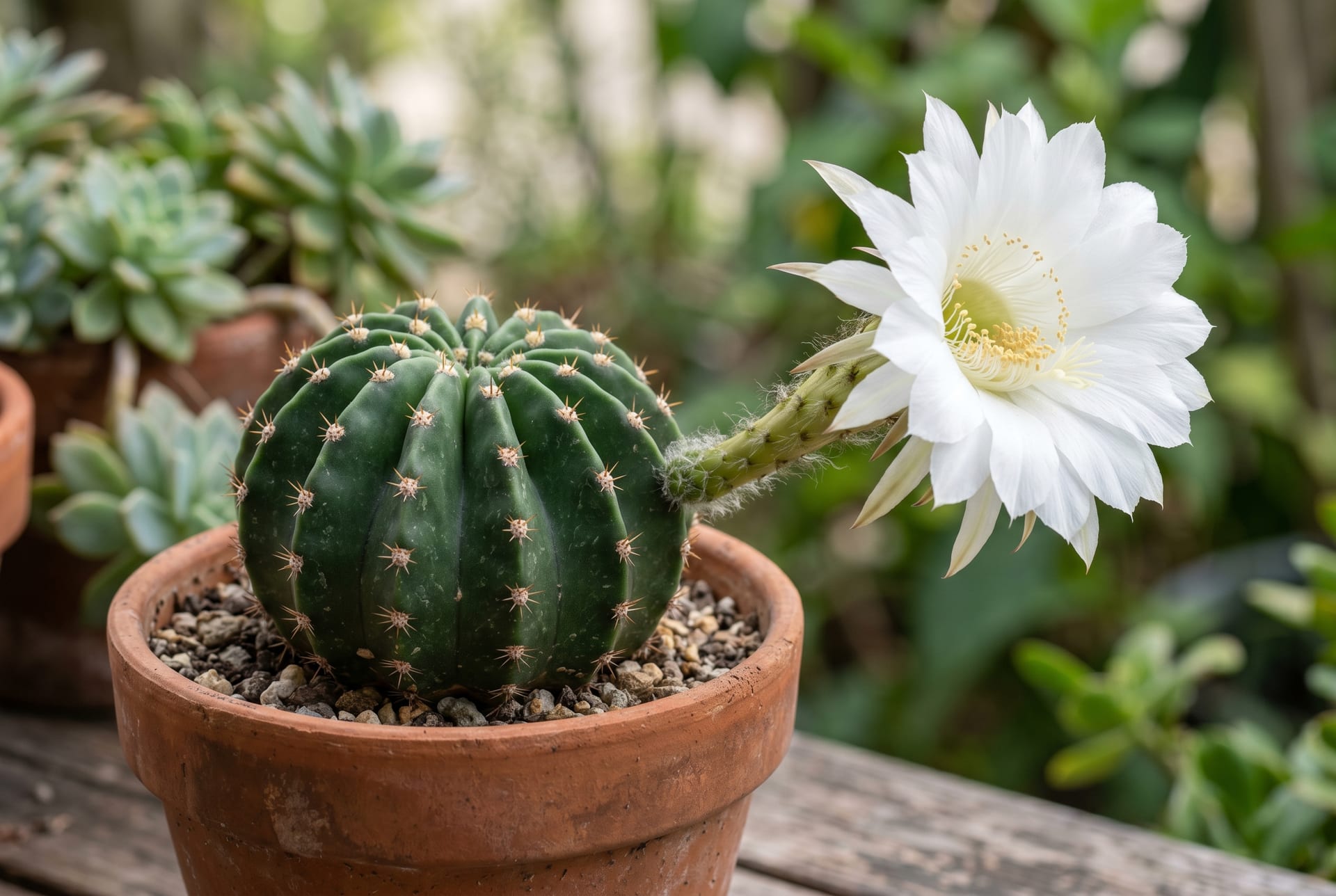
Sea-Urchin Cactus
Echinopsis eyriesii
A classic household globe cactus long grown in Japan. In early summer it opens huge fragrant white flowers at night. Hardy, cold-tolerant, and clustering.
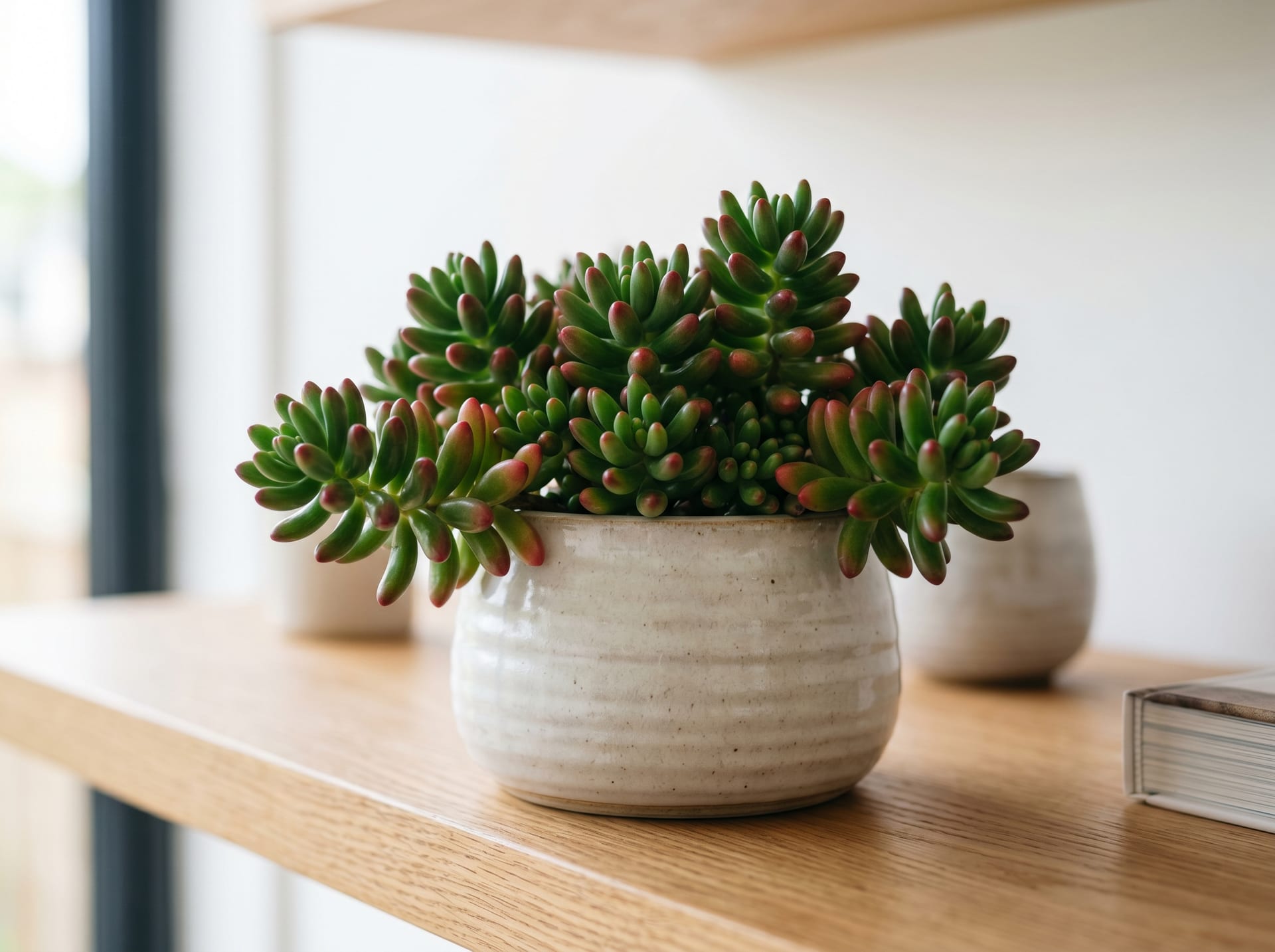
Sedum
One of the more species-rich succulent genera. Hardy enough for ground cover. Jelly Bean and Aurora are popular varieties.
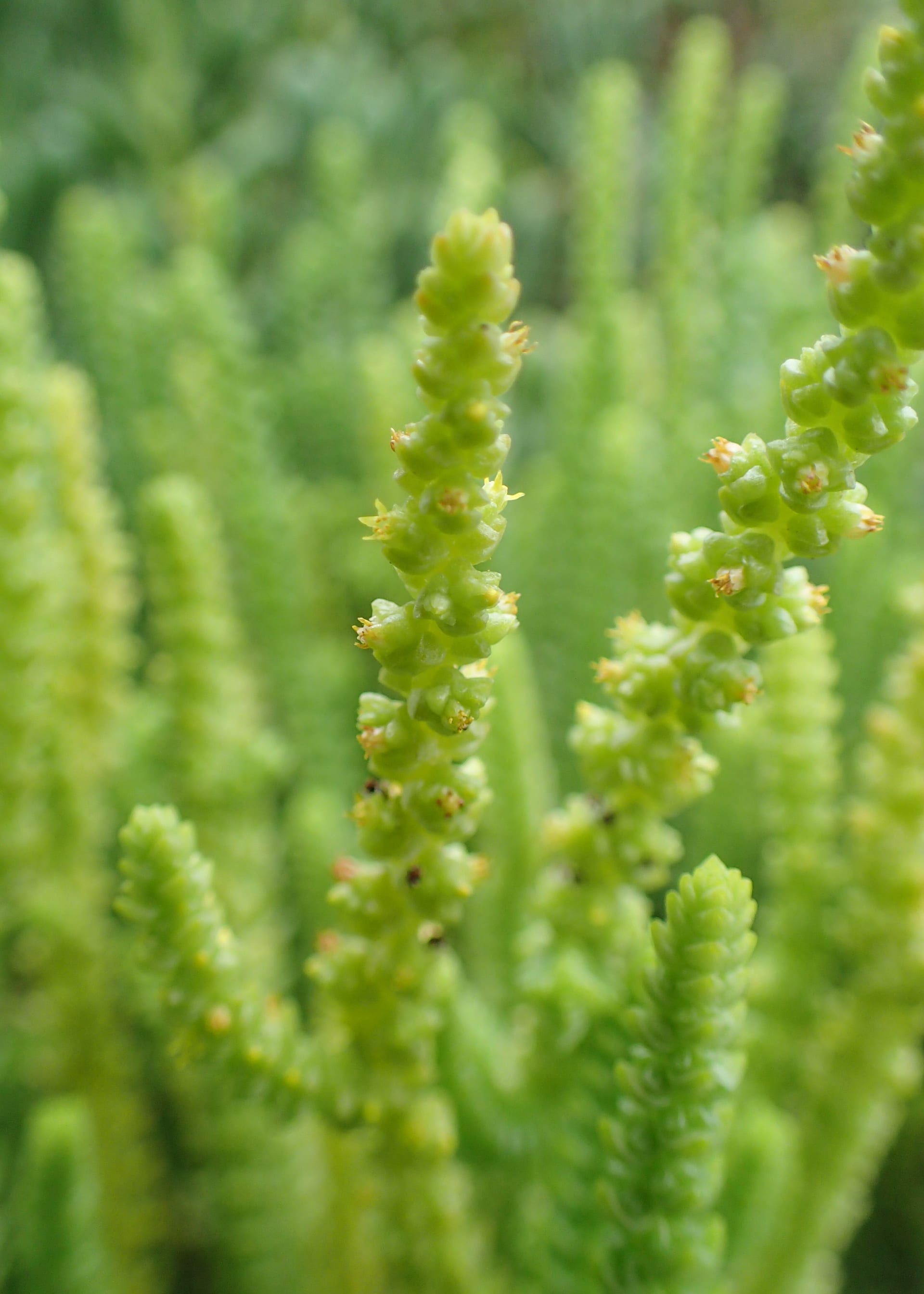 © Krzysztof Ziarnek, Kenraiz / CC BY-SA 4.0
Watch chain
Crassula muscosa
A Crassula whose slender stems are hidden by tiny, tightly stacked leaves, looking like a watch chain. It branches into a small bush, and even broken pieces root readily.
Related Content
Succulent FAQ
- How much do succulents cost?
- Common Echeveria cost 300-2,000 yen, popular Haworthia obtusa 1,000-10,000 yen, and rare hybrids or large specimens can exceed tens of thousands of yen.
- Can beginners grow succulents?
- Echeveria, Sedum, and Graptopetalum are hardy and beginner-friendly. Place in a sunny spot and water only when the soil is completely dry.
- What are the key tips for growing succulents?
- Place in a sunny spot with good airflow and water sparingly. Many species go dormant in summer and winter, so adjusting care to their growing season is key to beautiful growth.
- What should I check when buying succulents?
- Check that leaves are plump and firm, the base isn't rotting, and there are no pests (like mealybugs). For bare-root plants, root condition is also important.
- How long do succulents live?
- With proper care, succulents can thrive for 10+ years depending on species. They're easily propagated through leaf cuttings and division, allowing enjoyment across generations.